

Published September 17, 2024 • Updated January 5, 2026
Reviewed by Julie Miller, BA in Language Arts, Editorial Lead, Dr. Killigan’s
TL;DR: Pest proofing your home for winter is less about one big overhaul and more about small habits that block entry points, cut moisture and stop quiet nesting before spring. Start with sealing gaps, drying leaks, decluttering storage and keeping food areas clean. Add targeted tools only where they fit, always use as directed.
If you've been wondering whether pest control in the winter matters or how to keep bugs out in winter, here is the calm answer: bugs do not always vanish. They get quieter. They take shelter. They take advantage of the places we stop checking.
These winter pest control tips are built as habits, not projects. They are simple, repeatable and designed for real homes. If you have been asking how do I keep pests out during the winter, this is the plan.
In this guide: Quick checklist • 10 habits • Myth check • Room-by-room quick checks • Explore further
Quick winter pest-proofing checklist
- Entry points: gaps sealed, sweeps tight, screens intact
- Moisture: leaks fixed, damp rooms dried, drip pans emptied
- Storage: clutter reduced, bins sealed, boxes lifted off floors
- Food: crumbs wiped, dry goods sealed, recycling rinsed
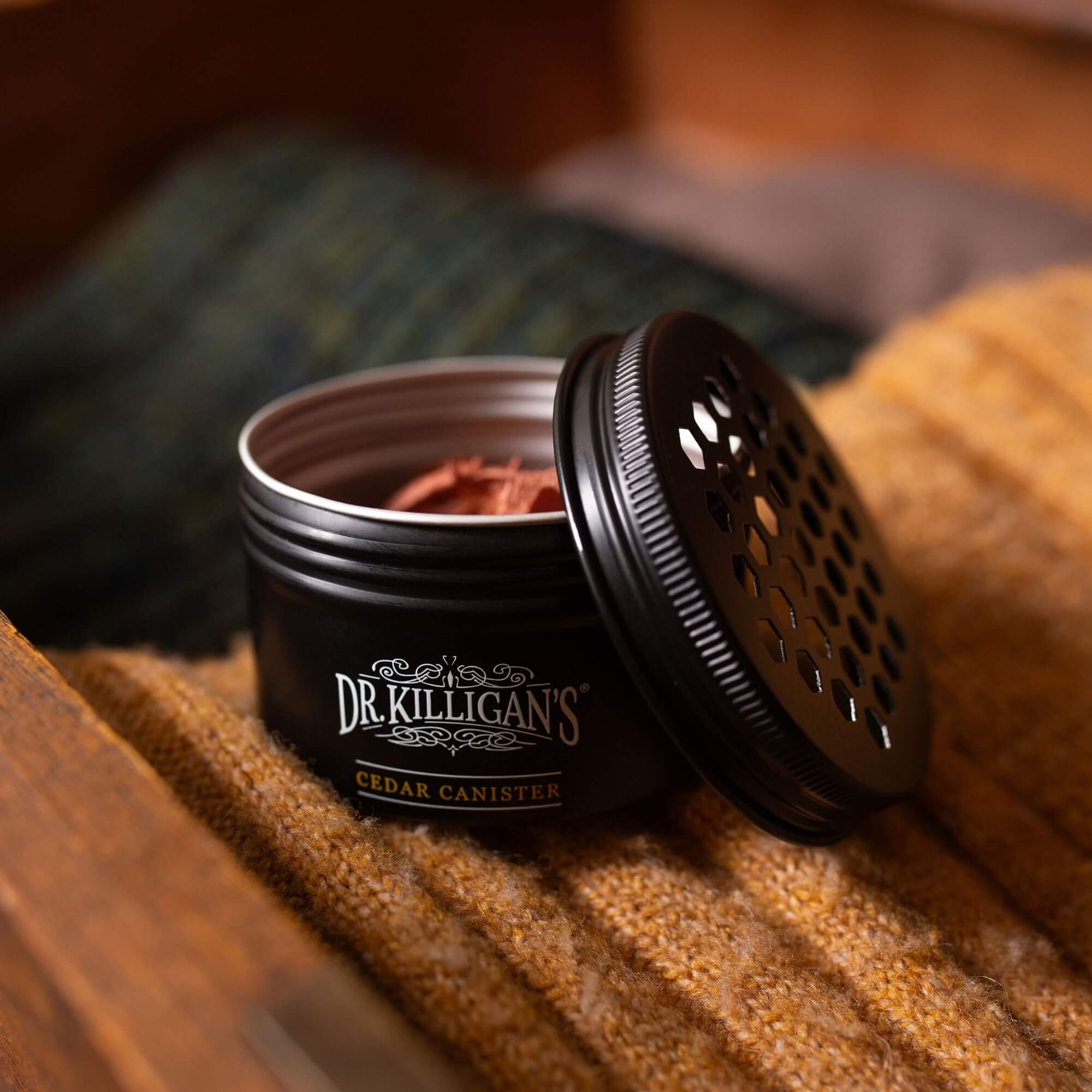
- Fabrics: wool and silk cleaned, cedar refreshed
- Monitoring: target-specific traps placed, checked weekly
10 Habits for Pest Prevention
1) Walk the perimeter monthly and seal entry points

Your home does not need to be perfect. It just needs fewer easy doorways.
Habit: Do a quick exterior walk. Look for gaps around trim, pipes, vents and utility lines—once a month. Seal what you can and refresh worn materials.
Room examples:
- Under-sink plumbing cutouts on exterior walls
- Cable pass-throughs in basements or garages
- Around exterior vents and trim edges
2) Treat door sweeps and weather stripping like seasonal maintenance
Winter drafts are a clue. If air can get in, bugs can too.
Habit: Replace worn door sweeps and refresh weather stripping before deep cold hits. Pay special attention to garage entry doors and sliding doors.
Room examples:
- Front or back doors showing light at corners
- Loose thresholds near mudrooms
- Sliding doors with torn seals
3) Do a weekly moisture check in the quiet rooms

Most winter sightings are not about warmth. They are about humidity.
Habit: Check under sinks, around tubs, near laundry hookups and anywhere condensation collects—once a week. Fix drips. Dry damp zones. Empty drip pans.
Room examples:
- Kitchen cabinet floors under the sink
- Bathrooms with slow leaks or wet towel piles
- Basements that feel clammy even when it is cold
4) Keep storage off the floor and easy to inspect
Bugs love stillness. A pile that never moves becomes a hiding place.
Habit: Declutter one small storage area each week. Lift boxes off floors. Switch to sealed bins. Clear the wall line so you can see what is happening.
Room examples:
- Cardboard stacks in basements
- Closet floors with fabric piles
- Garage corners where items sit flush to the foundation wall
5) Reset food smells and crumbs before bed

Winter can trap odors indoors longer. That matters.
Habit: Store dry goods in lidded containers, wipe crumbs, rinse containers before recycling and remove food waste regularly.
Room examples:
- Pantry shelves and cabinet corners
- Pet feeding zones
- Recycling bins where cans and bottles sit indoors
6) Protect natural fibers before you store them
Some pests prefer quiet corners and natural fibers that sit untouched.
Habit: Clean and fully dry wool, silk and other natural fibers before storage. Vacuum shelves and baseboards. Reduce clutter. Refresh cedar in closets.
Room examples:
- Coat closets and linen closets
- Under-bed storage
- Guest rooms where items sit untouched
7) Monitor weekly with target-specific tools
A calm winter plan is not only prevention. It is awareness.

Habit: Use target-specific traps where signs are likely and check weekly. Replace as directed. Monitoring keeps small problems small.
Important: Traps are a signal, not a solution. If you catch anything, start with Habit 3, Habit 5 or Habit 6 first—depending on what you’re seeing—then keep monitoring.
- Damp-area signs (under sinks, bathrooms, basements) | start with Habit 3: Do a weekly moisture check in the quiet rooms (above)
- Pantry signs | start with Habit 5: Reset food smells and crumbs before bed (above)
- Clothing moth signs | start with Habit 6: Protect natural fibers before you store them (above)
Room examples:
- Closets and stored natural fibers: monitor with Clothing Moth Traps
- Pantry shelves and dry goods zones: monitor with Pantry Moth Traps
- Basement edges and under-sink cabinets
Featured in this article
Shop Dr. Killigan's Essentials


8) Use a targeted crack and crevice routine in repeat hot spots
If the same spots continue to show activity, focus on them.

Habit: Work the edges, gaps and voids where crawling pests travel, not open floors and wide surfaces.
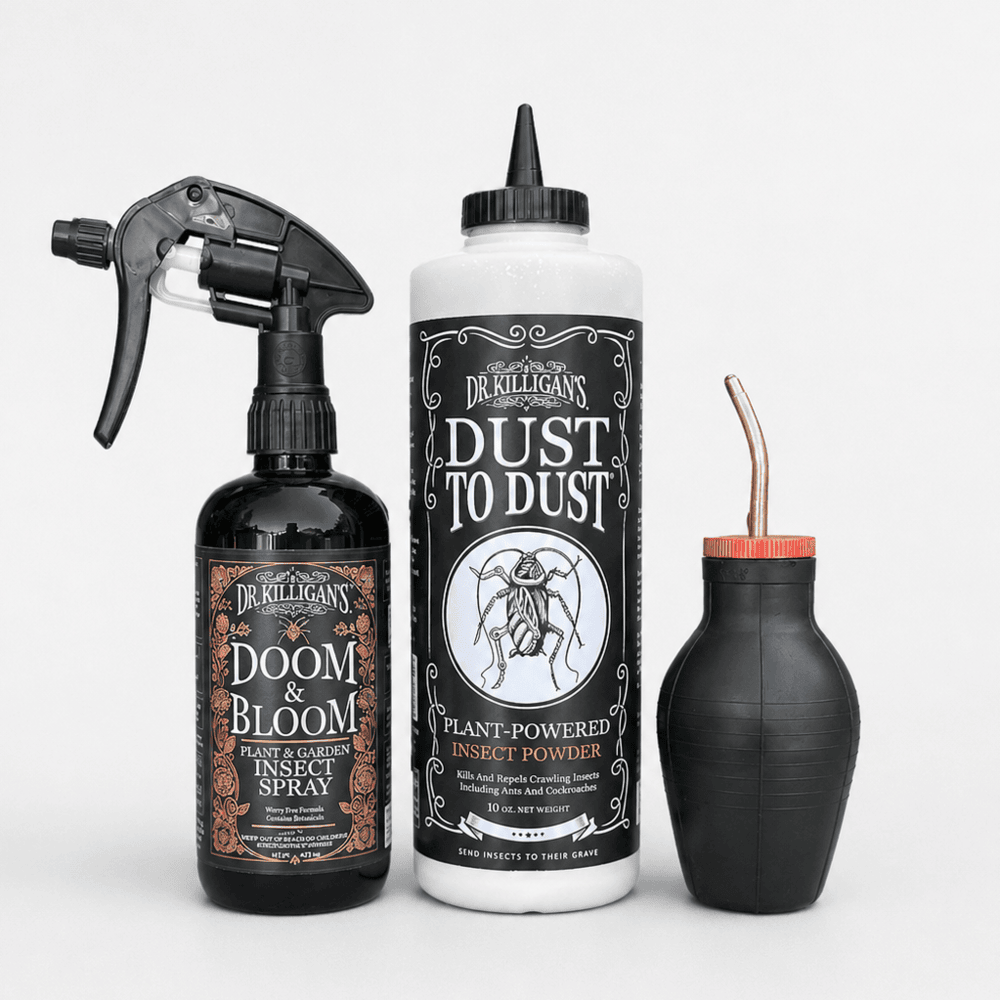
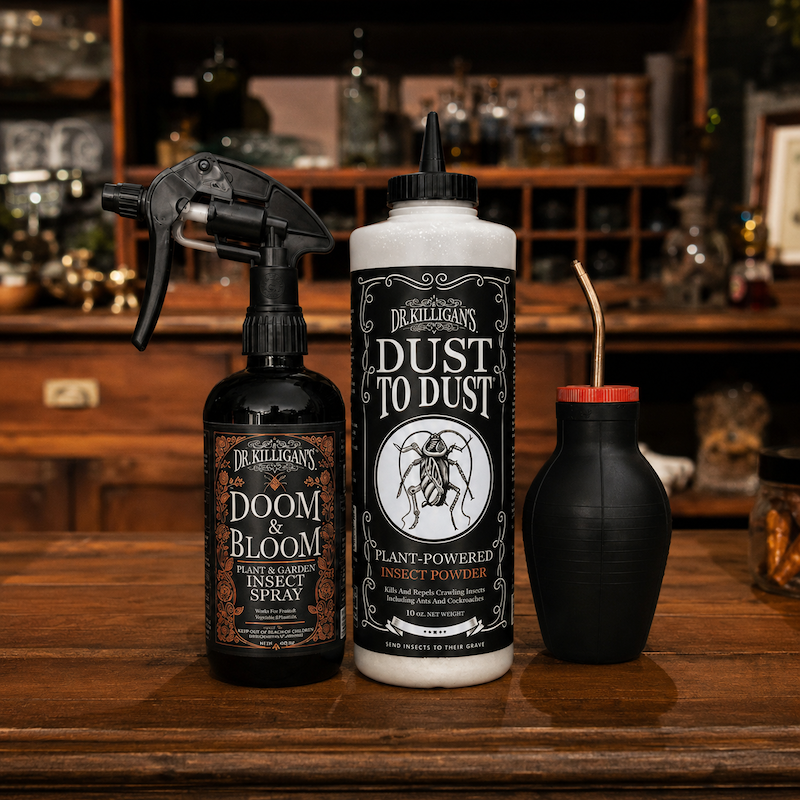
A practical support option: Dust to Dust. For tight gaps and low-traffic hiding spots, Dust to Dust Plant-Powered Insect Powder helps create a thin barrier where pests pass through. It works by desiccation, meaning it helps dry insects out after contact, which can kill them. It is designed for precision placement in cracks and crevices. Use as directed and avoid creating airborne dust. For cleaner placement, The Insect Buster can help apply powder more precisely.
Room examples:
- Utility areas where gaps show up along baseboards
- Storage zones with recurring activity
- Entry-adjacent edges near garages or basements
9) Add quick contact support when you see activity
Sometimes you want a fast response in a specific spot.

Habit: Remove what you can see, clean the area, then treat only where it helps.
A practical support option: Six Feet Under
For visible activity, Six Feet Under Plant-Powered Insect Spray delivers quick, targeted contact kill in the moment you spot movement. On many household surfaces, a light mist can leave behind residual kill power that can keep working for up to 30 days, especially in common hot spots like kitchens, bathrooms and garages. Always spot test surfaces and use as directed.
Room examples:
- Under sinks after you dry and reset the area
- Around trash zones after cleaning
- Utility corners where you notice active movement
10) Keep the exterior simple, dry and inspectable
What happens outside affects what you see inside.

Habit: Pull mulch, leaves and debris back from the foundation line. Keep a vegetation-free band so you can inspect the wall. Improve drainage. Avoid overwatering near entryways.
A practical support option: Six Feet Under: Barricade. To reinforce the exterior reset, Six Feet Under: Barricade Household Insect Kit can be applied around the exterior perimeter and common entry points to help create a protective barrier. Focus on thresholds, seams and gaps where insects slip in. Always use as directed.
Room examples:
- Door thresholds and wall-to-foundation seams
- Outdoor storage areas that stay cluttered and quiet
- Damp soil zones near the foundation
Myth check: does keeping your house cold keep bugs out?
People ask it every winter: does keeping your house cold actually keep bugs out?
Usually, no. A cooler thermostat can slow activity, but it does not erase shelter, moisture or access. A better plan is steady habits: sealing, drying, decluttering and cleaning the edges.
Do you need pest control in winter?
It depends. If you are seeing repeated activity in the same spots or you deal with the same issues every spring, winter is a smart time to act. Bugs cluster in protected areas and small changes can have a substantial payoff.
If you are mostly prevention-focused, these habits are often enough. If you want extra support, keep it targeted and consistent, not scattered.
If you are dealing with active sightings right now

If you are searching how to get rid of winter bugs in house, start with five simple priorities:
- Remove what you see
- Dry the area fully
- Reduce hiding spots
- Tighten gaps
- Use targeted support where it fits
That is also the most reliable path when frustration turns into “how to get rid of bugs in my house.” Calm, repeatable habits beat a one-time scramble.
Room-by-room winter pest-proofing quick checks
If you want the same habits applied room by room, start here.
1) Kitchen cabinets and under the sink: remove food and moisture
Do: wipe shelves, store dry goods in sealed containers, fix drips, dry sink and disposal collars, rinse recyclables before binning.
Why: ants and roaches follow food residues and moisture, silverfish like damp dark spots, pantry moths target accessible grains, nuts and other dry goods.
Monitor: place Pantry Moth Traps if you notice webbing, clumped food or small moths near shelves.
Optional helper: for contact kill, use Six Feet Under. In fruit zones, set Sweet Surrender Fruit Fly Trap near produce or compost caddies if activity appears.
2) Bathrooms: fix leaks and wipe residues
Do: repair drips and running fixtures, dry sinks, tubs and counters, use a hamper and remove damp towels, clean up sweet spills like mouthwash.
Why: moisture invites silverfish and roaches, sticky residues are attractants.
Monitor: check under-sink areas, behind the toilet and along baseboards weekly, keep the room dry and ventilated and address signs promptly
3) Basements: reduce hiding spots and damp

Do: elevate storage on shelves or pallets, switch to tight-lidded bins, run a dehumidifier or fans, tidy cardboard piles.
Why: clutter and humidity create easy shelter for roaches, ants and web-building spiders.
Monitor: check corners, joists and behind appliances for webs or droppings and clean routinely
4) Laundry room: cut humidity and lint
Do: vent dryers properly, empty lint traps and keep a small bin for lint, keep floors clear of damp laundry, retrieve items from behind and under the dryer, spot-treat with Six Feet Under for contact kill.
Why: firebrats and silverfish thrive where warm humid air meets paper and fabric, lint and clutter provide cover and food.
Monitor: during weekly cleaning, check baseboards, corners and behind machines for shed skins, droppings or live insects, fix leaks or condensation promptly.
5) Closets: protect fabrics
Do: clean and fully dry garments before storage, vacuum shelves and baseboards, reduce clutter, add Cedar Planks
Why: clothing moths favor undisturbed, soiled natural fibers.
Monitor: place Clothing Moth Traps to catch and track activity, check weekly and replace per the label.
6) Outdoor sheds: block entry and simplify clutter
Do: seal gaps with exterior-grade caulk, trim vegetation off walls and keep a vegetation-free band, tidy shelves and keep items off the floor, ensure airflow, inspect after storms, apply Six Feet Under Barricade Household Insect Kit at door thresholds and wall-to-foundation seams, use Six Feet Under for contact kill.
Why: sheds are exposed and quiet, prime for nesting or overwintering. Sealing, decluttering, airflow and a labeled perimeter band reduce harborage and entry points.
Monitor: walk the perimeter monthly and after storms, look for frass, webbing, paper or mud nests and new gaps at sweeps and seams and keep the vegetation-free band clear.

Optional helper: plant a clean perimeter like lavender, mint or basil to reduce harborage and keep inspection paths clear. Treat plants as landscaping that makes the area less inviting, not as your primary barrier.
7) Bedrooms: keep it crumb-free
Do: make bedrooms a no-snack zone, launder bedding on a schedule, minimize under-bed clutter.
Why: food residues attract foraging ants and roaches, clear floors simplify checks.
Monitor: inspect nightstands, baseboards and under beds weekly. If bed bugs are suspected, seek a comprehensive approach from a professional. Six Feet Under provides contact kill only.
A final note before spring
Think of these as pest control steps before winter becomes “the busy season.” A few habits now can mean fewer surprises later.
If you are looking for a steady answer to how to protect home from insects, keep it simple: block access, cut moisture, remove shelter and monitor calmly.
Explore more
-
Where do bugs go for the winter?
Where common household pests shelter when temperatures drop and why some end up indoors. -
Will bugs wake up in my home this winter?
Why overwintering insects sometimes become active indoors on warm winter days. -
4 reasons you see houseflies in winter (and how to stop them)
Why houseflies show up in the colder months and how to keep them from coming back. -
What plants repel insects?
Which plants are commonly used to discourage insects around the home and garden. -
How do insects survive winter?
How cold-blooded insects make it through freezing temperatures.