
Published August 13, 2026
Reviewed by Julie Miller, BA in Language Arts, Editorial Lead, Dr. Killigan's
TL;DR: You can get rid of pantry moths naturally, but no single home remedy does the whole job. Freezing or carefully heating food can treat insects inside selected items. Cleaning removes food residue, webbing and hidden material from pantry crevices. Airtight containers protect clean food. Repellents discourage moth activity, but they do not reach the eggs and larvae already developing inside stored food. The essential first step is still to find and remove or treat the food where the infestation began.
Can you get rid of pantry moths naturally?
Yes—but it takes a few methods working together.
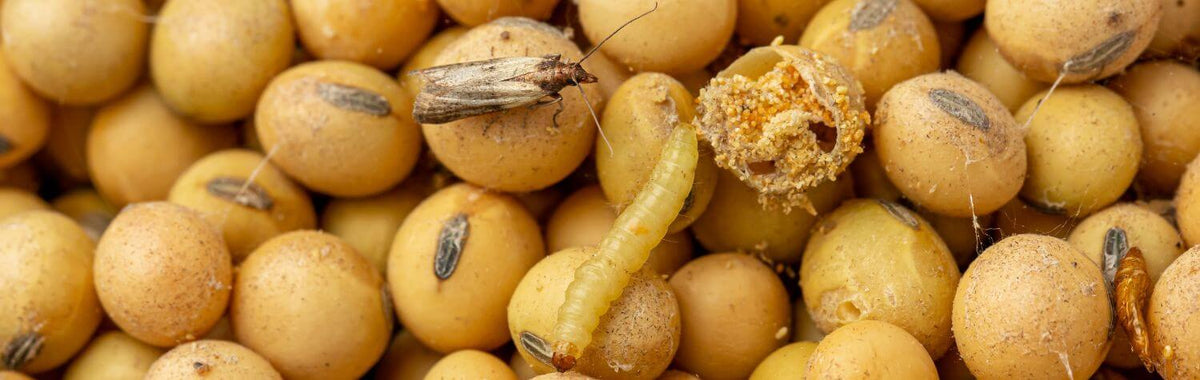
A pantry moth problem is more than the adults flitting around the room; it also includes eggs, feeding larvae and pupae hidden in crevices and each stage responds to a different tactic.
Here's the job each natural method does: vinegar cleans residue, webbing and eggs out of shelves and crevices; cedar helps deter adult moths; freezing kills the eggs and larvae inside infested items; Six Feet Under® kills on contact and leaves residual protection; and pheromone traps capture adult males to interrupt the breeding cycle. The sections below show how to put them in the right order.
What natural methods actually work?
The best-supported natural methods are freezing, heat, thorough cleaning and airtight food storage.
Tip: Pantry moths can hide in more than flour and cereal, so it helps to know what pantry moths eat and where to inspect before you start sorting through the pantry.
Freezing food
Freezing is a practical treatment for dry goods that appear unaffected but may have been exposed.

Place the food in a sealed container or freezer-safe bag and keep it at 0°F for at least four days—and up to seven. The University of Florida IFAS Extension recommends this treatment.
This approach can be useful for flour, grains, nuts, seeds, spices or other valuable dry foods that show no obvious webbing, clumping or larvae.
Do not use freezing to justify keeping heavily infested food. When a package contains visible larvae, webbing, shed skins or extensive damage, disposal is generally the cleaner choice.
If you want a closer look at how pantry moths develop and where exposed food fits into the cycle, see our guide to pantry moth eggs.
Treating food with heat
Heat can also kill pantry-pest life stages in suitable dry products. University of Florida IFAS Extension recommends heating infested foods at 130°F for 30 minutes and notes that oven or microwave treatment can kill pantry moth larvae and eggs.
Note: Heat is not appropriate for every food. It may change flavor, texture, germination or baking performance. Never heat food in packaging that is not oven- or microwave-safe and never leave heating food unattended.
Thorough cleaning and vacuuming
Once the infested food is removed, vacuum the pantry thoroughly, then wipe surfaces with a vinegar-and-water solution. After the area is dry, apply Six Feet Under® for contact kill and residual protection.

The goal of cleaning is to remove food residue, webbing and hidden pantry moth larvae or pupae that may remain outside the original package.
Airtight food storage
Transfer clean dry goods into sturdy containers with tight-fitting lids. Glass jars and durable plastic or metal containers make inspections easier and prevent larvae from moving freely between packages.
Thin bags, folded paper sacks and cardboard boxes are not reliable long-term barriers. Airtight storage also limits the size of a future problem: if one container is affected, the infestation is less likely to spread throughout the pantry.
Does vinegar kill pantry moths?
Vinegar's clearest role is cleaning, not treating food.

A diluted vinegar solution can help wipe away food residue, dust and loose webbing after shelves have been vacuumed. That makes it a reasonable part of a pantry reset, especially for someone who prefers a familiar household cleaner.
What vinegar should not be asked to do is penetrate a bag of flour, reach larvae feeding inside nuts or locate eggs in an overlooked package.
Use vinegar to clean suitable surfaces. Do not spray it into food, mix it with pantry goods or rely on its smell as proof that an infestation is over.
Do bay leaves, cloves or essential oils repel pantry moths?
Strong scents are often used to discourage pantry moths, but not every remedy works in the same way.
Bay leaves are the weakest of the common recommendations. The University of Minnesota Extension notes that there is no evidence that placing bay leaves in cupboards will prevent or eliminate stored-food insect pests.
Essential oils deserve more nuance. Oils such as peppermint and clove may help deter certain insects through their strong aroma, but a DIY application can fade quickly and may need frequent reapplication. That makes them best suited to supporting a pantry moth plan.
There is also a difference between using loose herbs or a few drops of oil and using a formulated plant-powered pest-control product. A formulated product has defined ingredients, directions and a specific intended use.
Does cedar work on pantry moths?

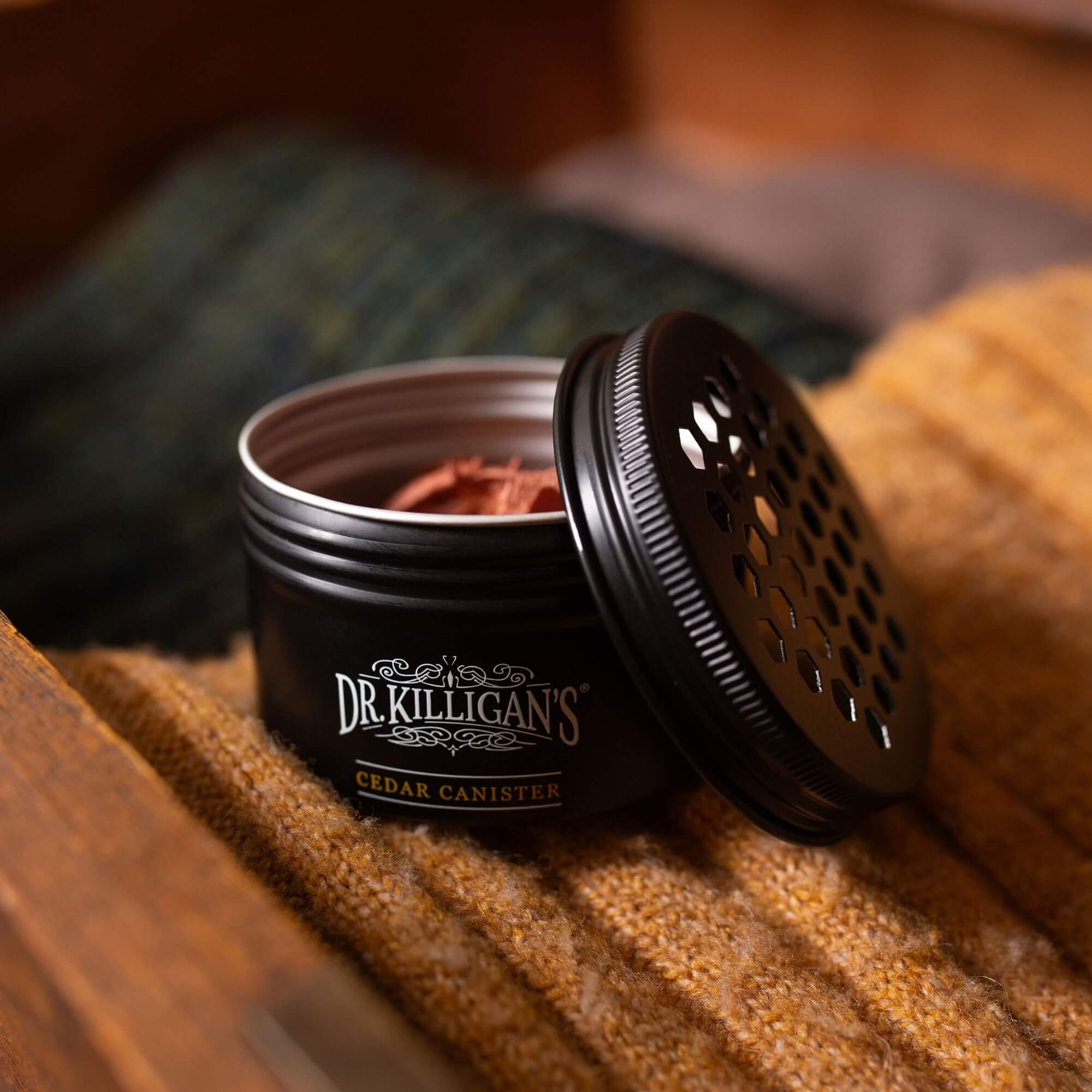
Yes, cedar can help deter pantry moths, but it is best used as a preventative or supporting measure rather than a stand-alone solution for an active infestation.
Cedar's strong aroma can make an area less inviting to moths. In a pantry, that can make it useful as part of a broader prevention plan.
It will not, however, reach pantry moths already developing inside stored goods. If moths are active, you still need to find and remove the source, clean the pantry and control the adult moths.
Where cedar is especially well known is clothing moth protection, commonly used in closets, drawers and garment storage. For more on that use, see our clothing moth guide.
A natural pantry moth plan that works
A natural pantry moth plan comes down to five steps: find the source, remove or treat affected food, clean the pantry, store food in airtight containers and use pantry moth traps to capture adult males and monitor activity.

Dr. Killigan's Premium Pantry Moth Traps lure and capture adult male pantry moths, so you can monitor activity while the rest of the plan works. For how pheromone traps compare with homemade versions, see Do pantry moth traps work?
If you need both the traps and the spray, the Kitchen Security Kit pairs them together.
Featured in this article
Shop Dr. Killigan's Essentials


Seeing an occasional moth for up to three weeks after removing infested food is normal. If moths are still appearing after that, an infested source has not been found, which is usually why pantry moths keep coming back after a pantry looks clean.
For the full removal process, including exactly what to inspect, clean and treat, follow our step-by-step guide to getting rid of pantry moths.
Explore more
-
Why pantry moths keep coming back—and how to prevent them
Learn why pantry moths can reappear after cleanup and what you can do to help prevent another infestation. -
How to get rid of pantry moths: 8 proven ways
Follow the complete step-by-step process for finding the source, cleaning your pantry and breaking the pantry moth life cycle. -
Do pantry moth traps work? And what makes the best ones
Learn how pantry moth traps work, what they catch and what separates an effective trap from a less useful one. -
Pantry moth eggs: What they look like and what to do
Learn where pantry moth eggs may be hiding, what happens after they hatch and what to do when you discover an infestation.