

By Rachel Monroe, Guest Author
TL;DR: Spring is the ideal time to prevent pantry moths and kitchen ants before warm weather increases activity. By targeting overlooked areas—cabinet seams, appliance gaps, pet food storage, and under-sink moisture—homeowners can interrupt pest life cycles naturally, using airtight storage, mechanical cleaning, and plant-powered tools instead of harsh chemical sprays.
Spring cleaning carries a certain optimism. Windows open. Light shifts. Cupboards are emptied with good intentions and perhaps a touch of dramatic resolve. Yet while most households focus on visible clutter, pantry pests and ants tend to prefer the hidden architecture of the kitchen.
Warm weather accelerates insect activity. Eggs hatch faster. Foraging expands. A neglected crumb behind a drawer slide becomes a buffet. The good news is that prevention in early spring is remarkably effective—especially when focused on the places most homeowners rarely inspect.
This is not about scrubbing for show. It is about cleaning strategically.
Why Spring Is Prime Time for Pantry Pests and Ants
As temperatures rise, insect metabolism increases. Pantry moth eggs that may have hitchhiked home in flour or cereal during winter can hatch quietly. Ant colonies become more active and begin sending scouts indoors in search of sugar and moisture.
Spring cleaning interrupts this timing. When hidden food sources disappear and scent trails are removed early, infestations often fail to gain momentum.
Think of it as seasonal diplomacy: reset the kitchen before the insects send invitations.
The Hidden Spots Pantry Pests Love Most
1. Cabinet Shelf Pinholes and Seams
Pantry moth larvae often leave food packaging and wander into tiny crevices to pupate. Shelf pinholes, bracket tracks, and seam lines provide perfect shelter.
- Empty cabinets completely.
- Vacuum seams and shelf hardware thoroughly.
- Wipe surfaces with warm, soapy water.
- Allow shelves to dry before restocking.
For a deeper look at how pantry moth eggs and larvae hide, see 8 ways to outsmart pantry moths.
2. Behind and Beneath Small Appliances
Toasters, stand mixers, and coffee machines quietly accumulate crumbs and residue. Pantry pests and ants require little to survive.
- Unplug and move appliances.
- Vacuum crumb trays and floor edges.
- Wipe cords and surrounding surfaces.
Even a tidy countertop can conceal a thriving micro-buffet behind it.
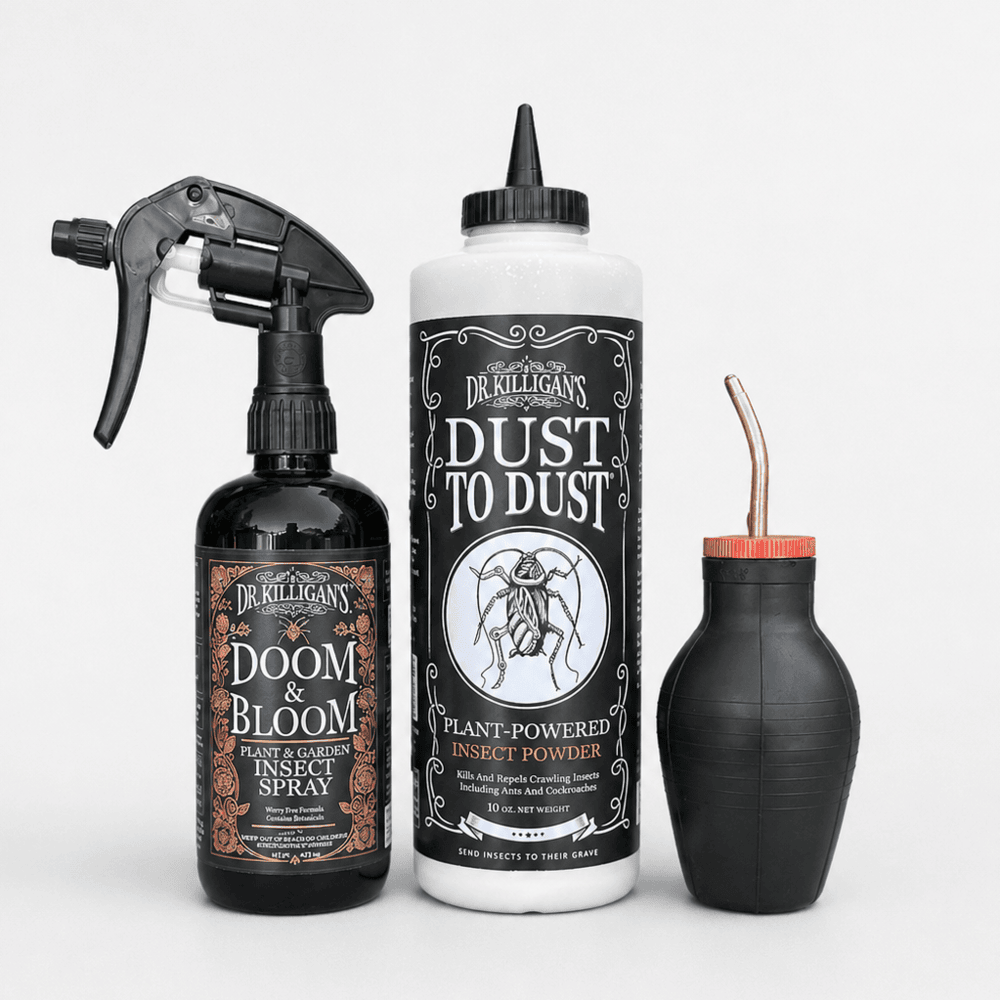
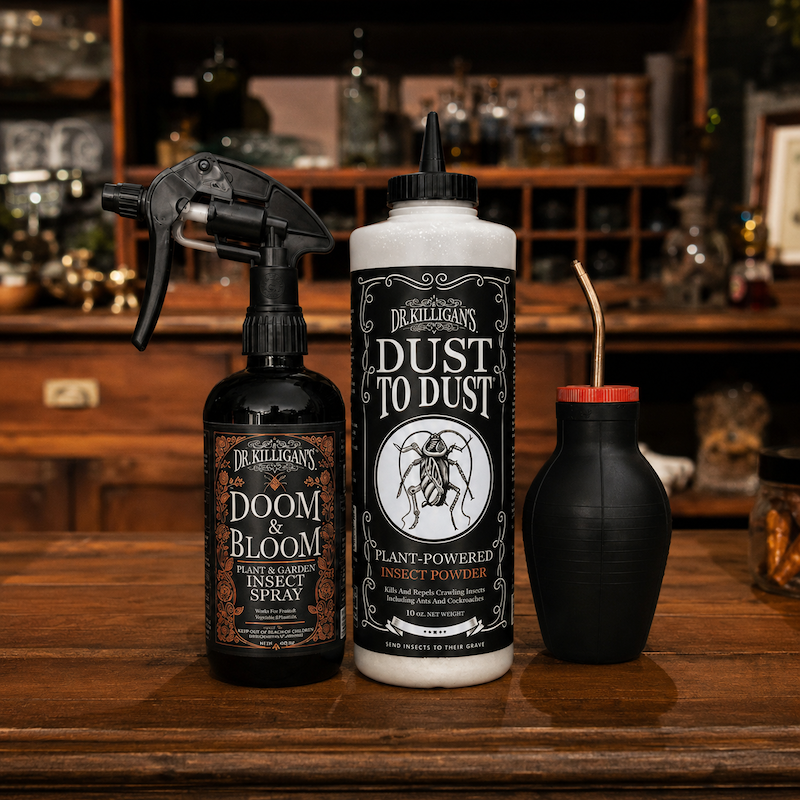
Featured in this article
Shop Dr. Killigan's Essentials


3. Pet Food Storage
Pet kibble and treats are frequent starting points for pantry moths and ants. Open bags folded over at the top are not sufficient protection.
- Transfer dry pet food into airtight containers.
- Wipe container rims regularly.
- Vacuum surrounding floor areas weekly.
For broader pantry moth prevention guidance, this guide on preventing pantry moths offers practical steps.
4. Under the Sink: The Ant Moisture Corridor
Ants rarely persist without reward. Under-sink cabinets often provide both water and dark shelter.
- Check for slow leaks.
- Seal gaps around plumbing penetrations.
- Remove cardboard storage from damp areas.
Ant trails often hug cabinet seams and baseboards, traveling discreetly along structural edges.
5. Bulk Dry Goods and Open Packaging
Spring is the perfect moment to audit grains, flour, baking mixes, and snack bags.
- Discard items showing webbing or clumping.
- Freeze newly purchased bulk goods for several days before pantry storage.
- Transfer dry goods into airtight glass or sealed containers.
Cardboard boxes and thin plastic liners are easily compromised by larvae. Sealed storage interrupts access.
Erasing Ant Trails the Right Way
When ants appear during spring cleaning, wiping visible workers is not enough. Their pheromone trail must be removed.
- Clean surfaces with warm, soapy water.
- Dry thoroughly to eliminate moisture.
- Seal entry cracks near windows, thresholds, and baseboards.
Plant-based sprays may provide additional support when used according to label instructions, but cleaning and exclusion remain foundational.
Why Many Families Choose Non-Toxic Prevention
Spring often inspires product resets. Many homeowners reconsider what they spray inside spaces where children snack and pets nap.
Studies from the CDC indicate that pesticide exposures can occur in residential settings. Some reports raise concerns about certain active ingredients when used improperly or too frequently. Research suggests a possible connection between higher household chemical load and irritation or sensitivity in some individuals, though outcomes vary depending on ventilation and dosage.
Potential risks may include unnecessary exposure on floors and countertops where families gather daily.
This is why many households prefer mechanical cleaning, airtight storage, sealing entry points, and plant-powered options when intervention is needed.
For thoughtful context on ingredient transparency, see what non-toxic insect spray really means.
Plant-Powered Support During Spring Reset
For households seeking a gentle yet effective option for active insects discovered during cleaning, Six Feet Under Plant-Powered Insect Spray offers targeted indoor application when used according to label directions.
Used as part of a broader system—cleaning, sealing, drying—it supports prevention without leaving harsh residues in food-preparation spaces.
Those building a refined pest-prevention toolkit may explore the complete collection for comprehensive options. For plant-based interior tools, the Sprays & Powders Collection provides additional support solutions.
Refresh Your Kitchen—Naturally
Spring is the season for renewal. With careful inspection, airtight storage, and plant-powered support where needed, hidden pest hotspots can be resolved before they become full-season frustrations.
Exclusive Reader Perk: Use code BUGBLOG at checkout for 15% OFF your order.