
By Emily Hartwell, Guest Author
TL;DR: Ants in the kitchen follow invisible scent trails to food and water sources. The most effective natural solution combines wiping away pheromone trails, sealing entry points, storing food properly, and using targeted non-toxic tools—without relying on harsh chemical sprays.
Few household moments are as deflating as spotting a tidy line of ants marching across a clean kitchen counter. It feels personal. It rarely is.
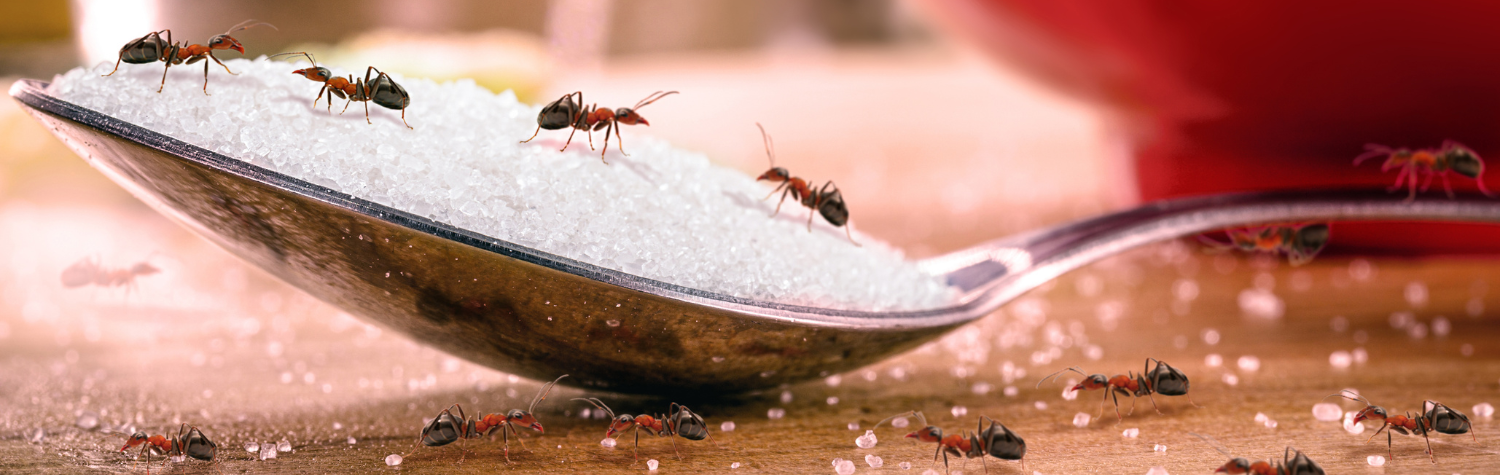
Ants enter kitchens for simple reasons: sugar, moisture, and access. They are not evaluating housekeeping standards; they are responding to biology. Once a scout ant finds food, it leaves behind a pheromone trail that invites the rest of the colony to dinner.
Understanding that process changes everything. Ant control becomes less about panic and more about interruption. When scent trails are erased and entry points sealed, the colony loses its map.
Why Ants Form Trails in Kitchens
Most indoor kitchen ants are small species such as odorous house ants or pavement ants. A single scout discovers crumbs, a sticky honey jar, or condensation near a sink. She returns to the nest laying a chemical trail that others follow with impressive discipline.
That tidy line across the counter is not chaos. It is communication.
Break the communication, and the trail collapses.
Step 1: Erase the Invisible Road (and Clean the Trail Properly)
Wiping visible ants away is not enough. The pheromone trail must be removed—or the colony will simply redraw the map. Start with a simple wash to lift sugars and residue, then follow with a plant-powered spray that helps reset the surface without harsh chemical fallout.
- Clean affected surfaces with warm, soapy water to remove food residue.
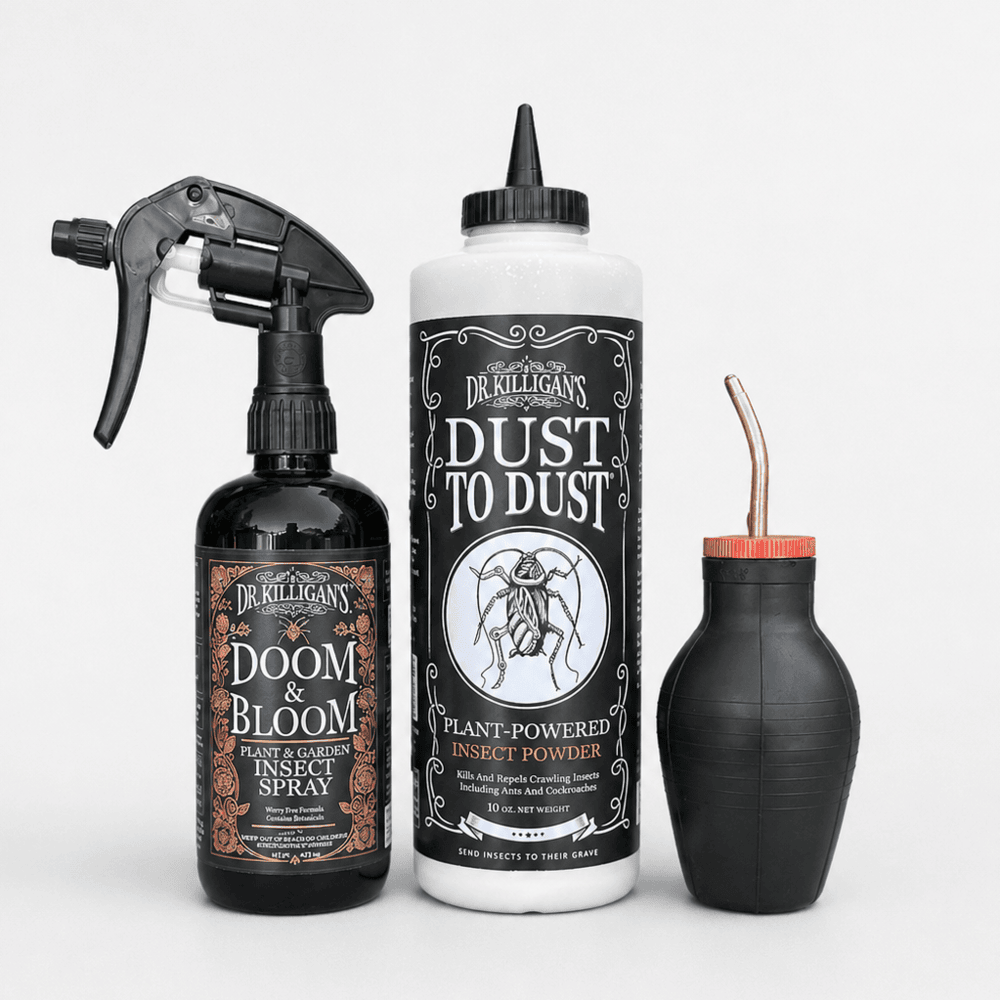
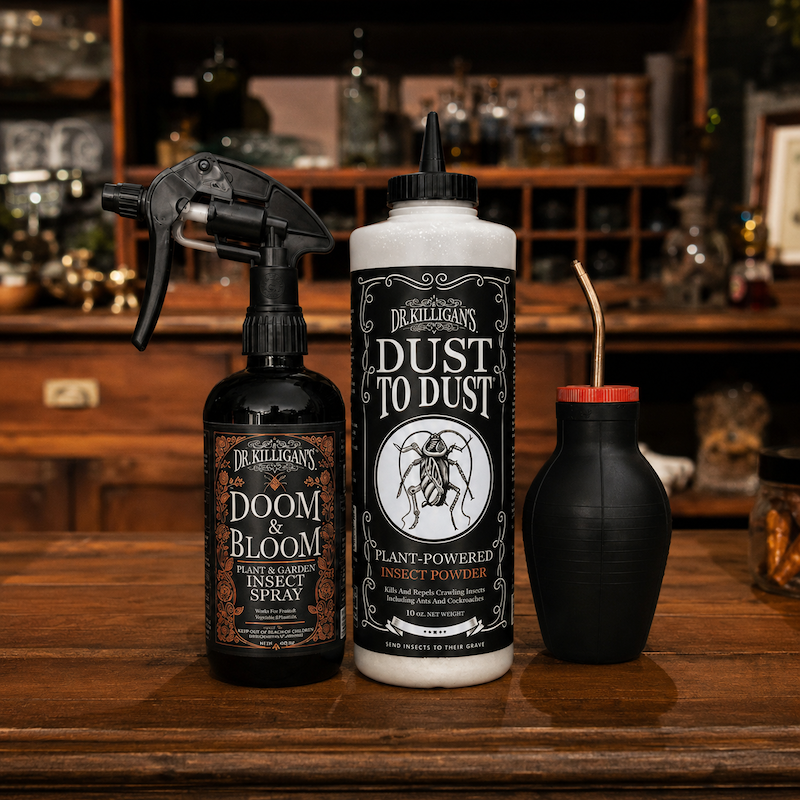
- Follow with a targeted, plant-based spray such as Six Feet Under Plant-Powered Insect Spray to help reduce lingering scent cues and active stragglers.
- Dry surfaces thoroughly—especially along seams where moisture lingers.
Pay attention to cabinet edges, backsplashes, and the undersides of counters. Ant trails often hug architectural seams, as though they prefer to travel with their shoulders against the wall like discreet party guests.
Step 2: Identify and Remove the Attractant
Ants rarely persist without reward. Common attractants include:
- Honey containers with sticky lids
- Fruit bowls during warm months
- Pet food left out overnight
- Syrup residue near breakfast prep areas
- Water condensation around sinks or dishwashers
Store sugar and flour in airtight containers. Wipe jar rims before returning them to cabinets. Keep pet food bowls clean and consider lifting them overnight if trails are active.
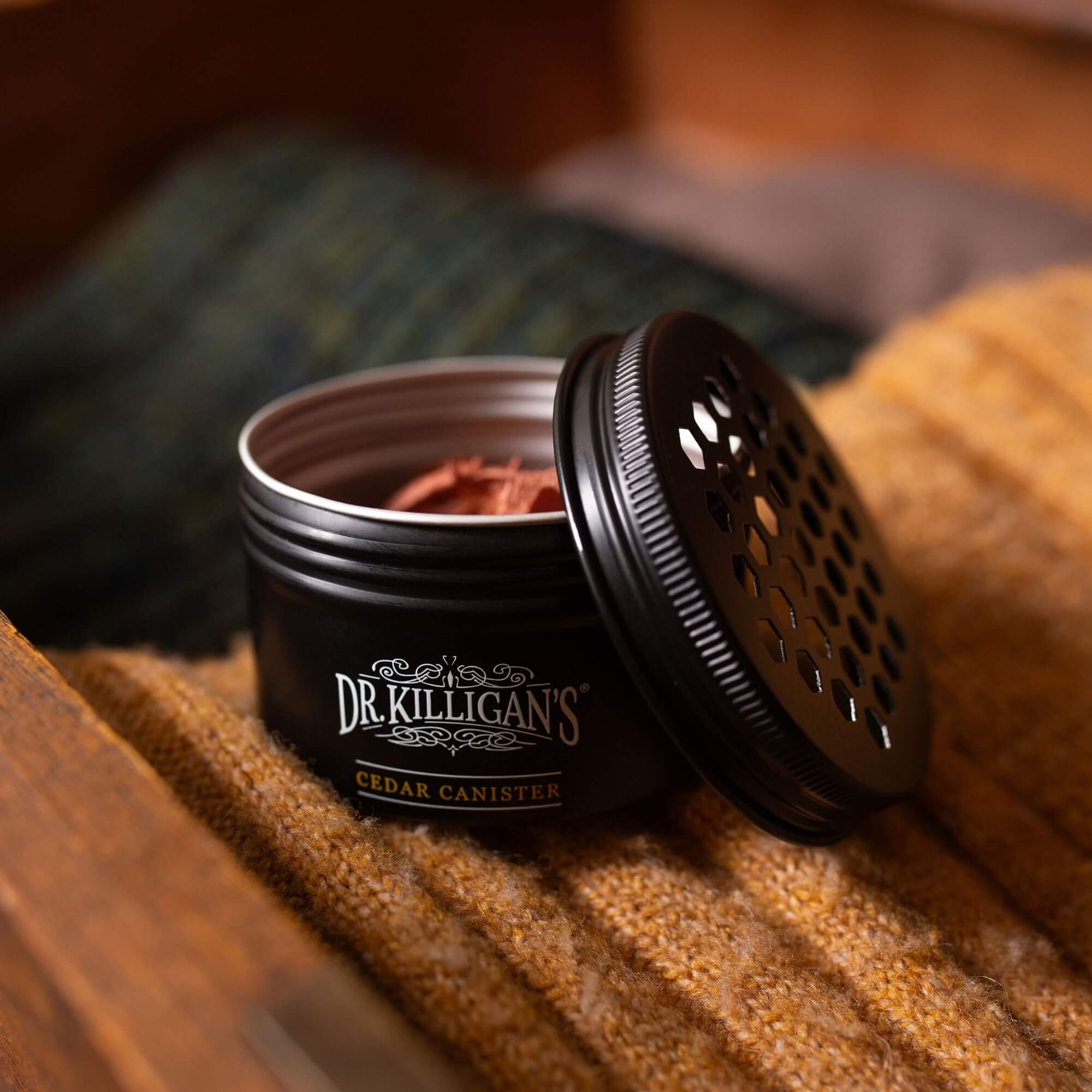
Featured in this article
Shop Dr. Killigan's Essentials


Step 3: Seal Entry Points
Once the trail disappears, the next task is preventing re-entry.
- Inspect window frames and door thresholds.
- Seal cracks along baseboards and backsplash lines.
- Repair torn window screens.
- Caulk gaps where plumbing enters under sinks.
Even openings as thin as a credit card can admit foraging ants.
Exclusion is often more effective than extermination.
Step 4: Use Natural Repellents Strategically
Some essential oils—such as peppermint and citrus oils—are known to disrupt ant scent trails temporarily. When used carefully and according to product instructions, they can provide short-term deterrence near entry points.
For a deeper explanation of plant-based deterrents, see how to repel ants with essential oils.
Natural repellents are best viewed as support tools—not standalone solutions. They assist in keeping trails from reforming while structural corrections take effect.
When Ants Keep Returning
If trails reappear repeatedly, the nest may be located within walls or beneath flooring. In such cases, broader colony management may be necessary.
For a comprehensive overview of ant control strategies, this guide on how to get rid of ants offers practical next steps.
It is important to note that surface spraying alone rarely solves the root problem. Killing visible workers without addressing access and attractants often results in new scouts replacing them.
Ant colonies are persistent—but they are not invincible.
Why Many Families Avoid Toxic Kitchen Sprays
Conventional insect sprays may promise quick knockdown. However, kitchens are food-preparation spaces where children snack, pets explore, and hands frequently touch surfaces.
Studies from the CDC indicate that pesticide exposures can occur in residential settings, particularly on floors and lower surfaces where children and pets spend time. Some reports raise concerns about certain active ingredients when used improperly or too frequently. Research suggests a possible connection between higher household chemical load and irritation or sensitivity in some individuals, though outcomes vary depending on ventilation and dosage.
Potential risks may include unnecessary exposure on countertops and flooring where food is handled and family members gather.
For those considering alternatives, this explanation of non-toxic insect spray provides helpful context.
Plant-Powered Support for Active Trails
When immediate reduction of visible ants is necessary, a plant-based spray designed for indoor use can offer targeted control without lingering harsh residues.
Used thoughtfully—alongside cleaning and sealing—a plant-powered option can support a broader prevention system. It is most effective as part of the routine, not as a standalone cure.
For homeowners building a full non-toxic toolkit, the complete collection offers solutions for common household pests. Those specifically seeking plant-powered interior tools may explore the Sprays & Powders Collection for additional options.
Long-Term Prevention Habits
- Wipe kitchen surfaces nightly.
- Empty trash promptly and clean the bin interior regularly.
- Store pantry staples in sealed containers.
- Repair leaks that create moisture near sinks or dishwashers.
- Inspect entry points seasonally—especially in spring and summer.
Ant prevention is less about force and more about consistency.
Reclaim Your Counters—Naturally
Ants may follow scent trails, but your kitchen sets the rules. With clean surfaces, sealed entry points, and targeted plant-powered support, counters can remain calm, orderly, and confidently maintained—without the toxic legacy of conventional sprays.
Exclusive Reader Perk: Use code BUGBLOG at checkout for 15% OFF your order.