


Non-toxic clothing moths control

Filters

Sort by:

You should not have to choose between saving your wardrobe and keeping mothballs away from your family. Non-toxic clothing moth control pairs a few natural tools with a little good housekeeping: catch the breeding adults with traps, kill any eggs and larvae with heat or cold, then keep new moths away with cedar rather than chemicals. Here is how the pieces fit together and why they work.

How non-toxic clothing moth control works

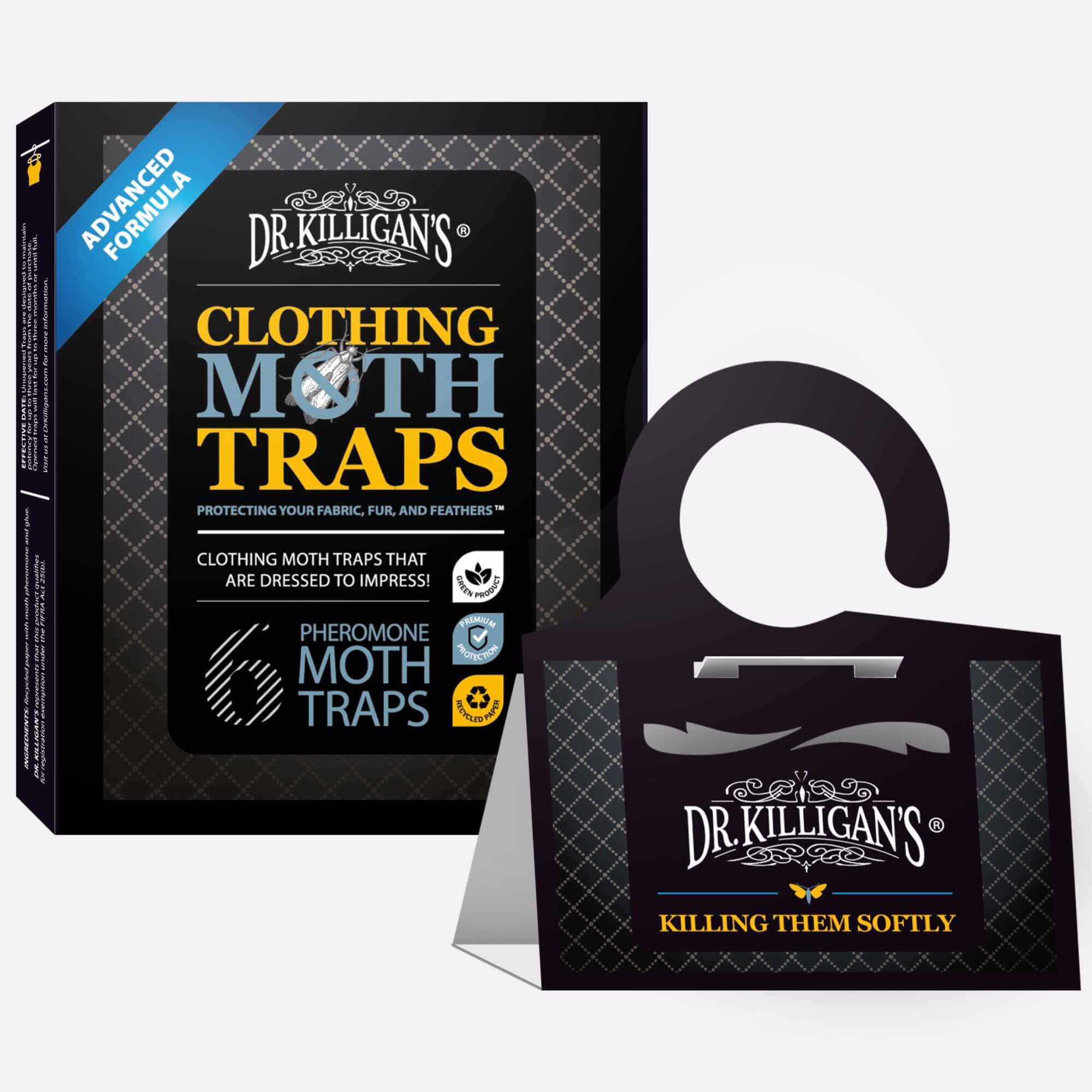
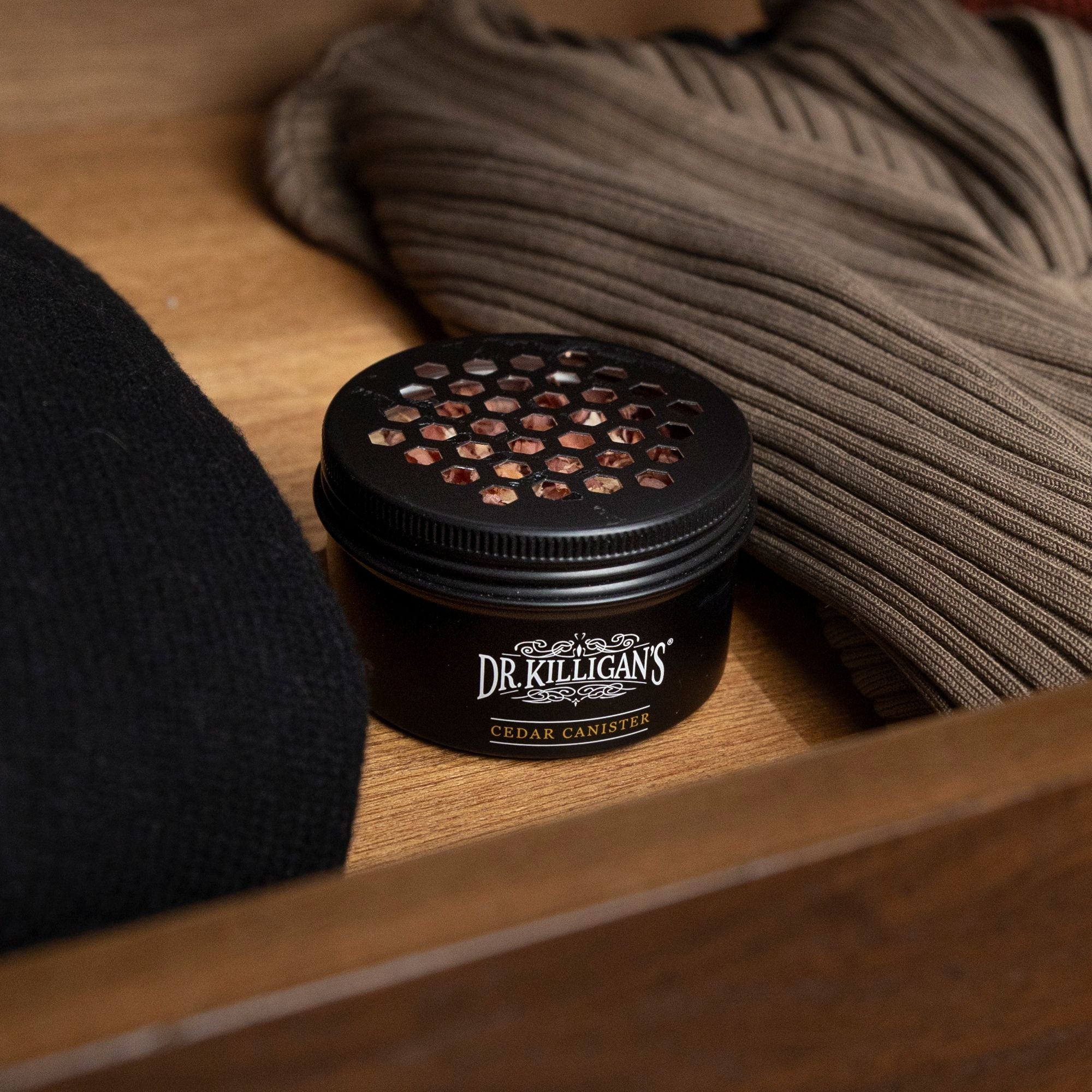
Old-school mothballs rely on toxic fumes that linger in your clothes and your air. The non-toxic approach targets the moth's life cycle instead. The damage is done by larvae feeding on keratin, the protein in wool, cashmere, silk and fur; the secretive adults do not eat and exist only to breed. Clothing Moth Traps use a pheromone lure to catch the adult males on a sticky glue board, which disrupts mating and tells you whether moths are still active. For the eggs and larvae already in your fibers, heat and cold do the work: a hot wash at 120°F or above, a hot dryer cycle, dry cleaning or about two weeks sealed in the freezer at 0°F kills them without a single chemical. Cedar then keeps new moths from settling in, using aromatic oils rather than poison. It is a repellent, not a cure, so it works best once the infested items are cleaned.

Building your non-toxic defense

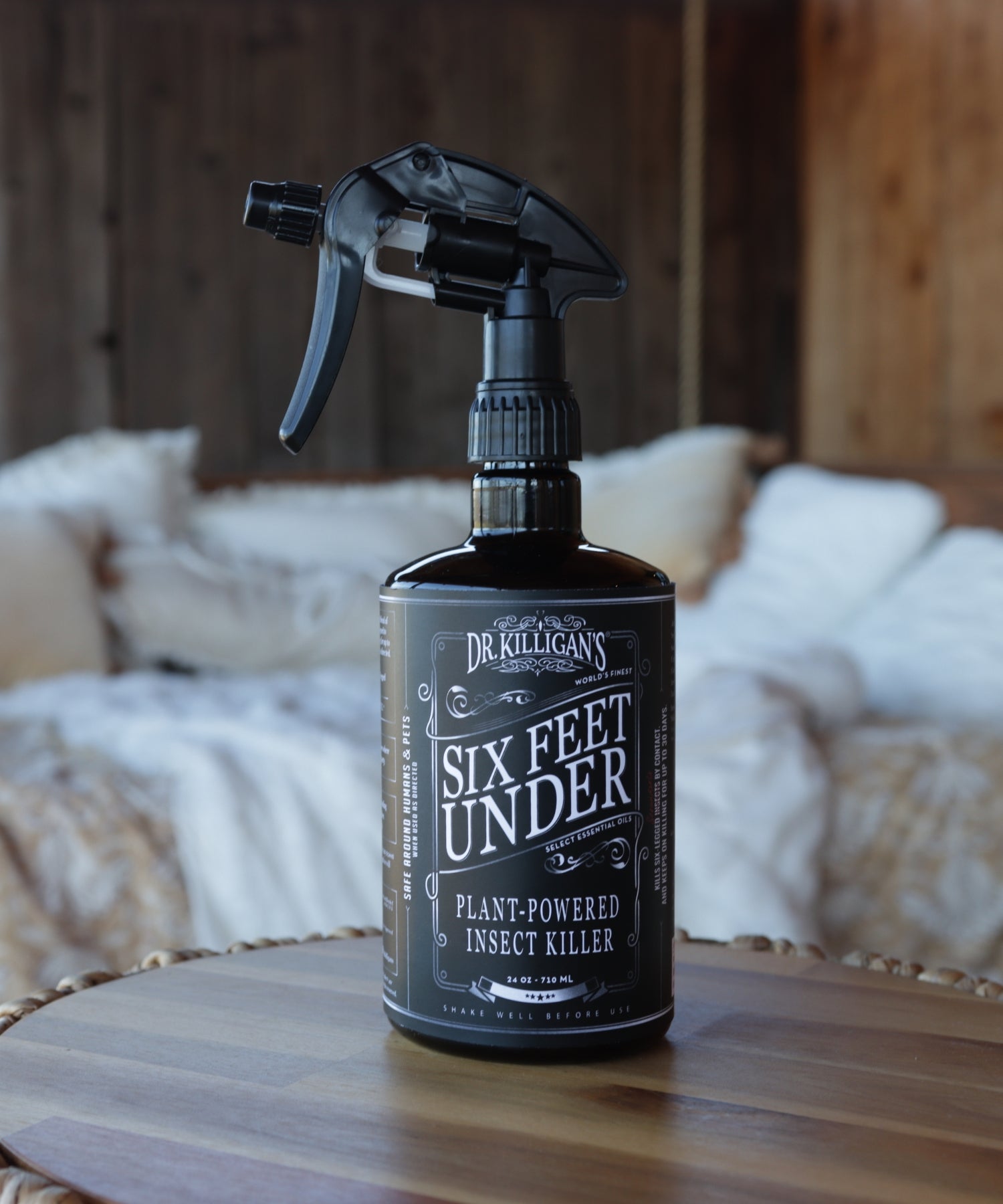
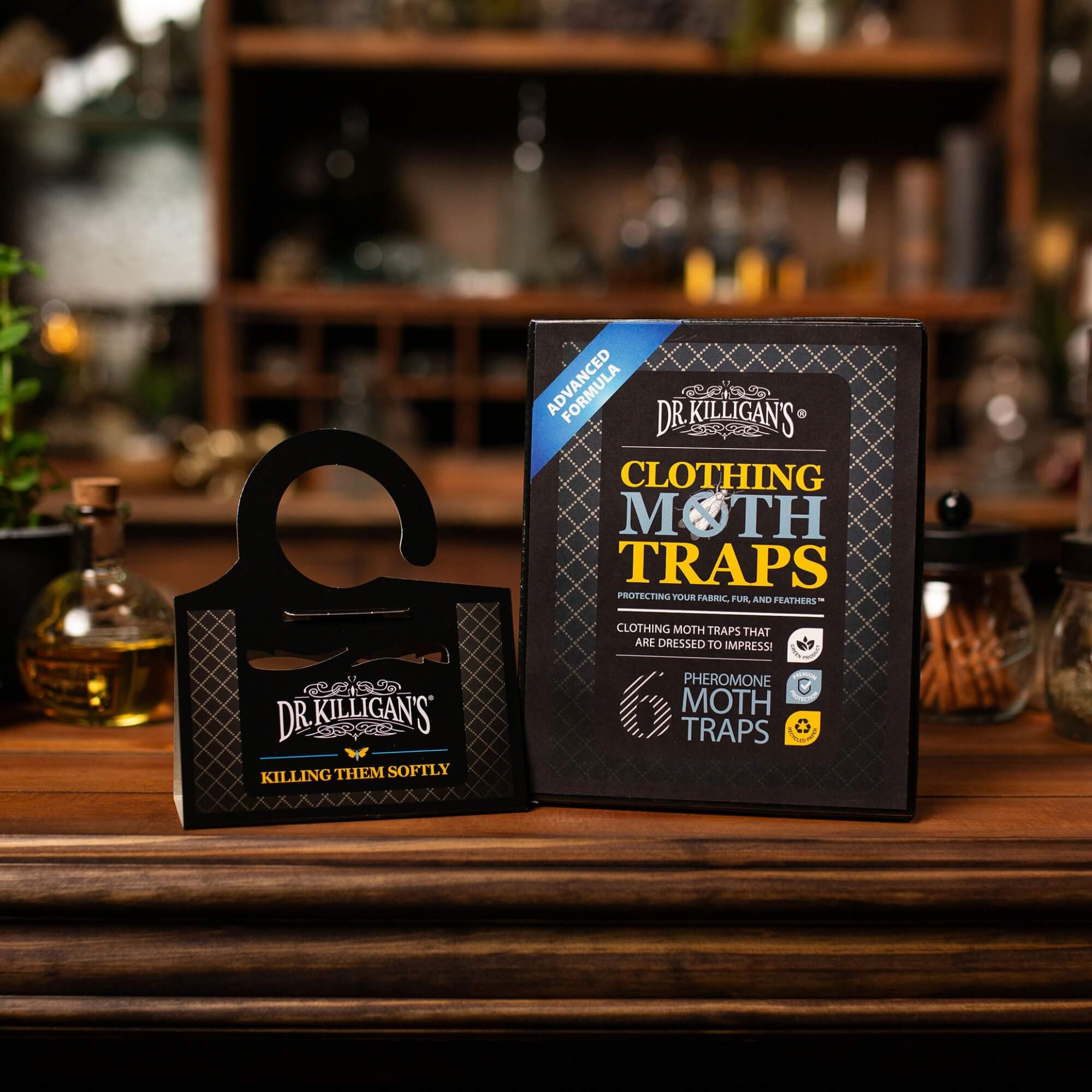
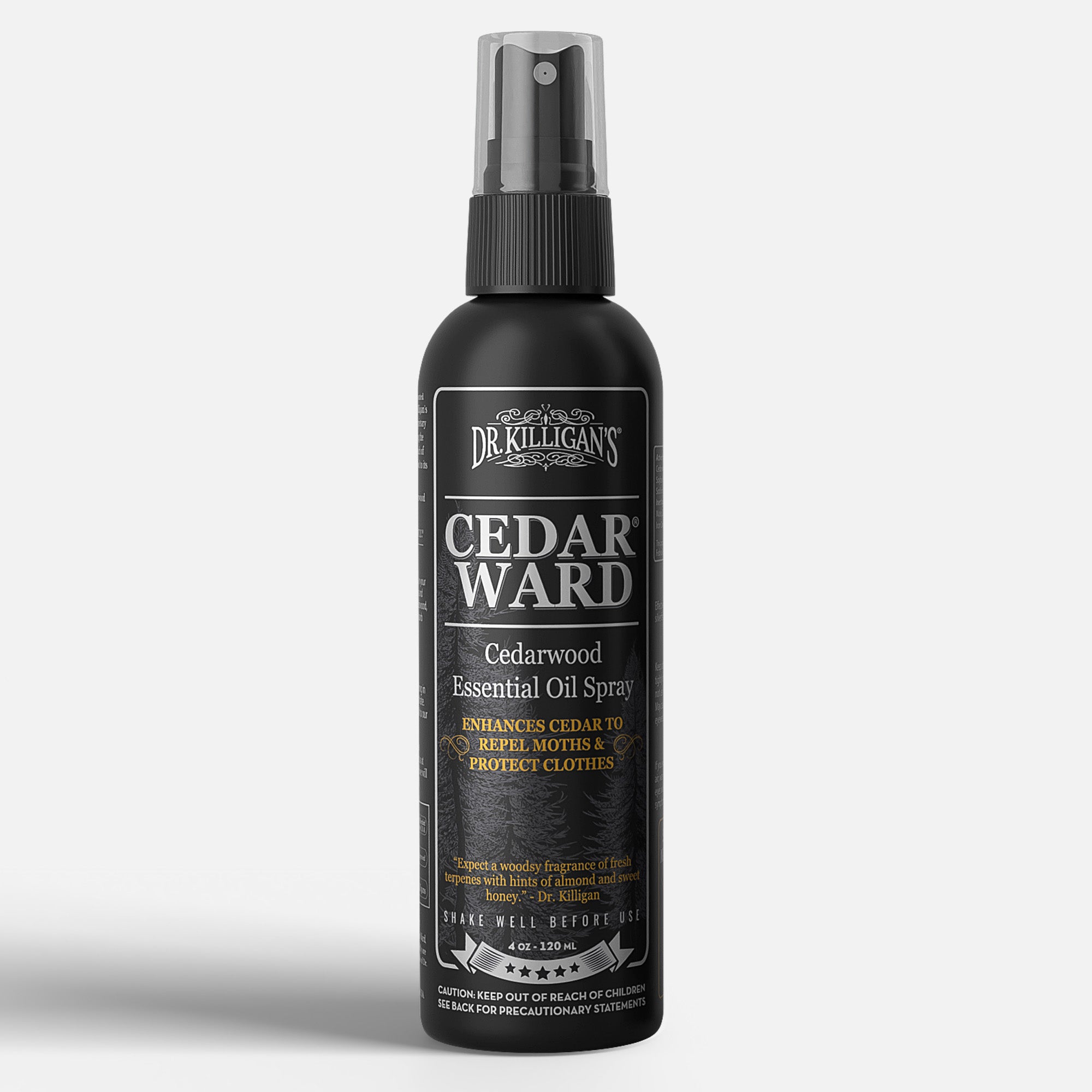
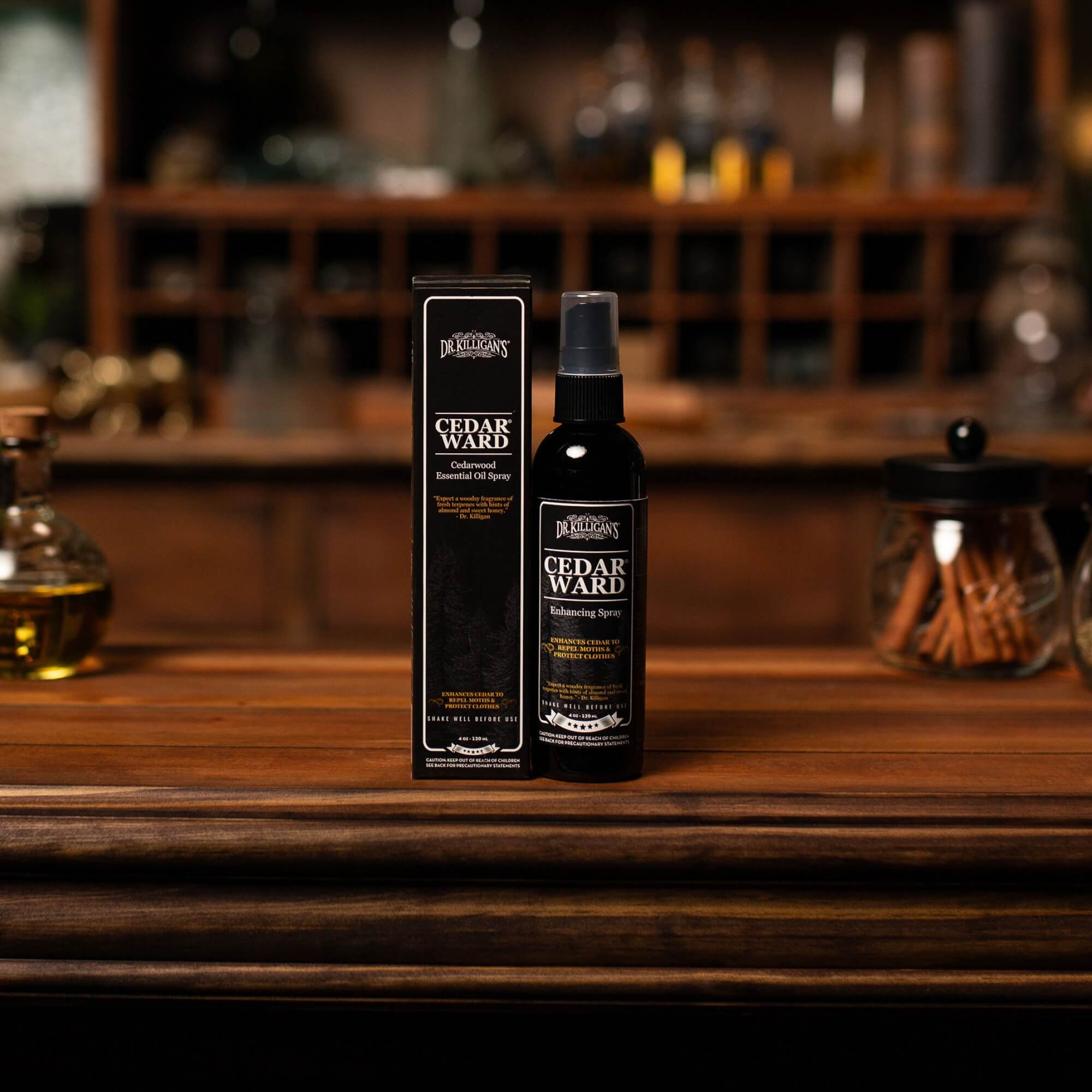
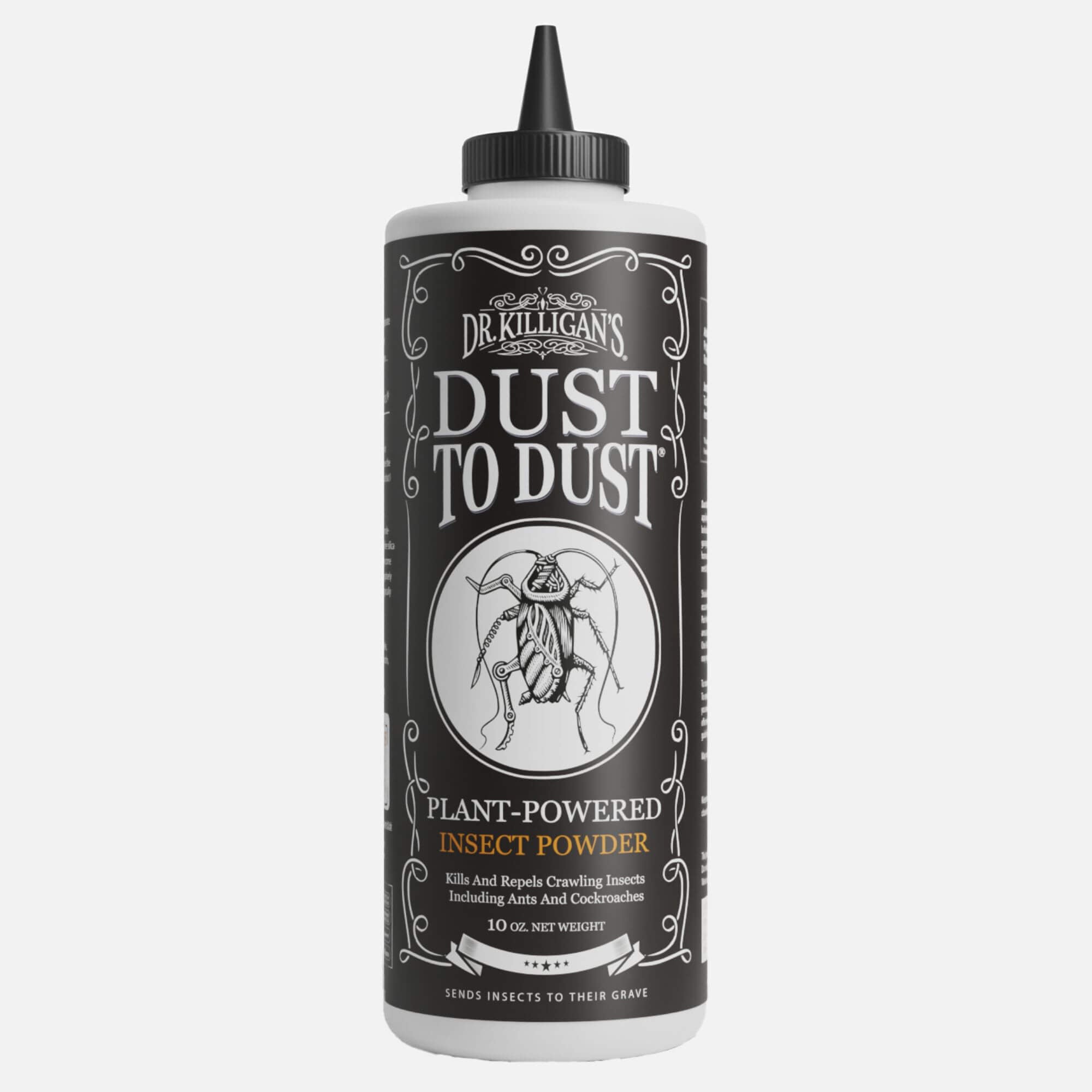
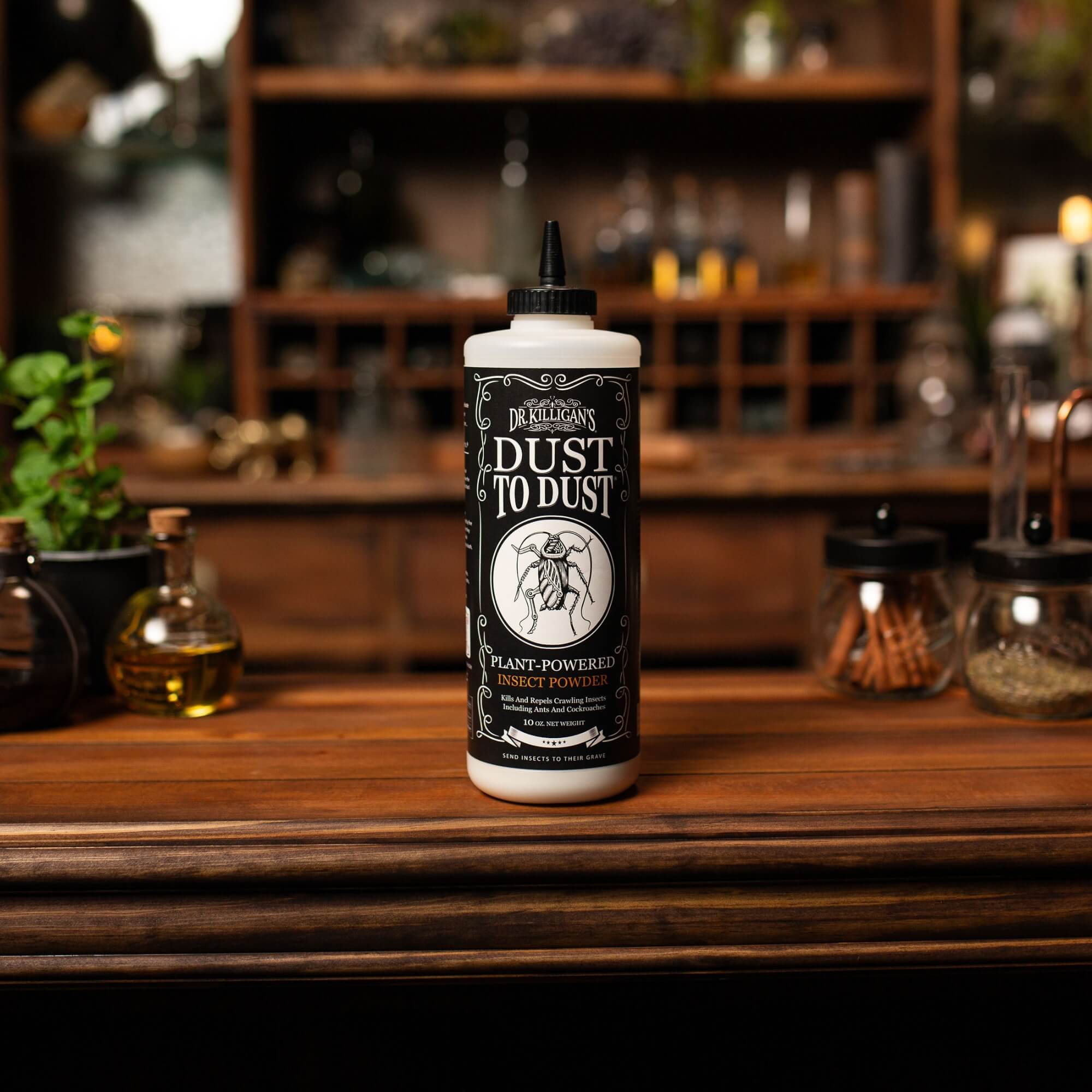
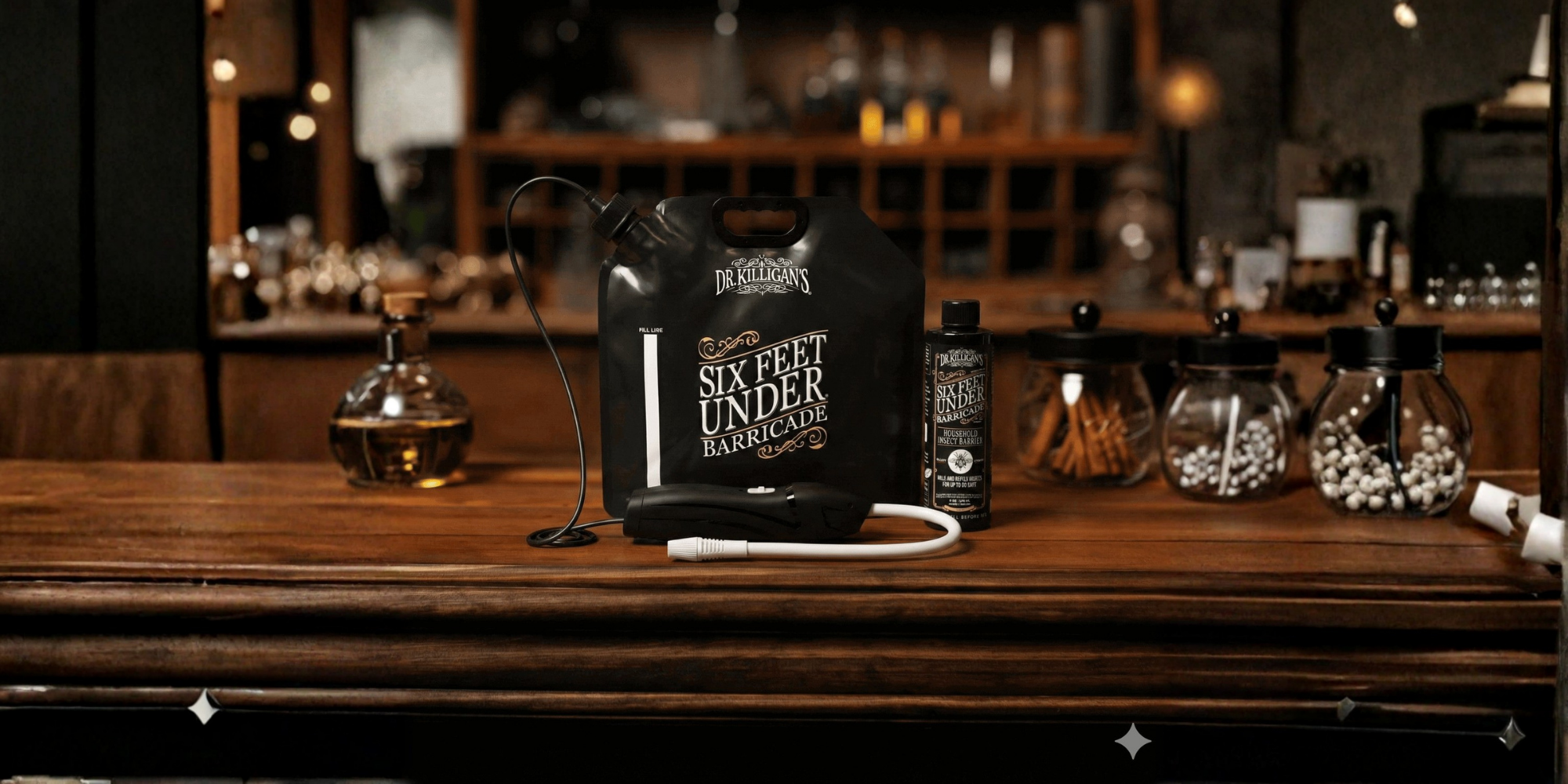
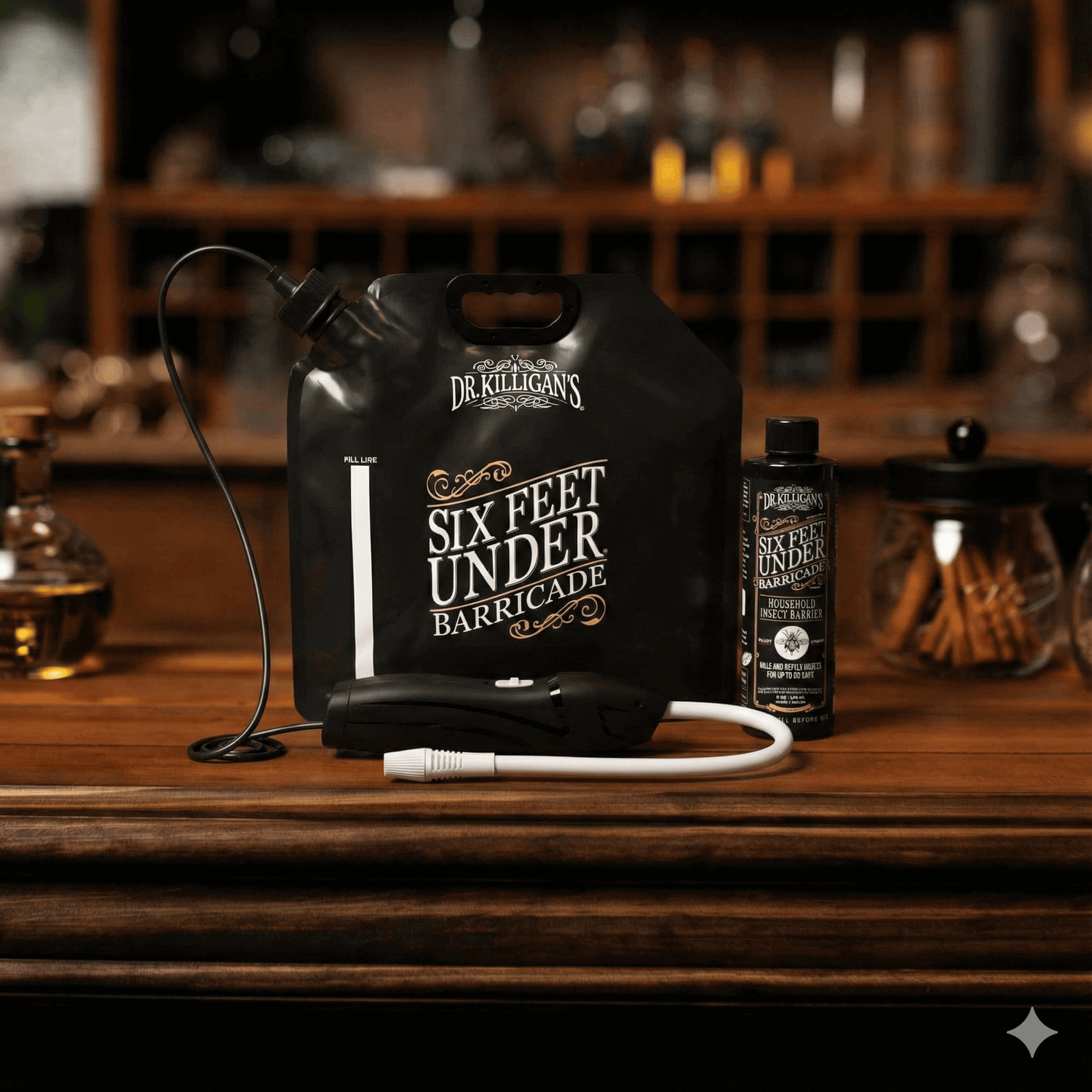
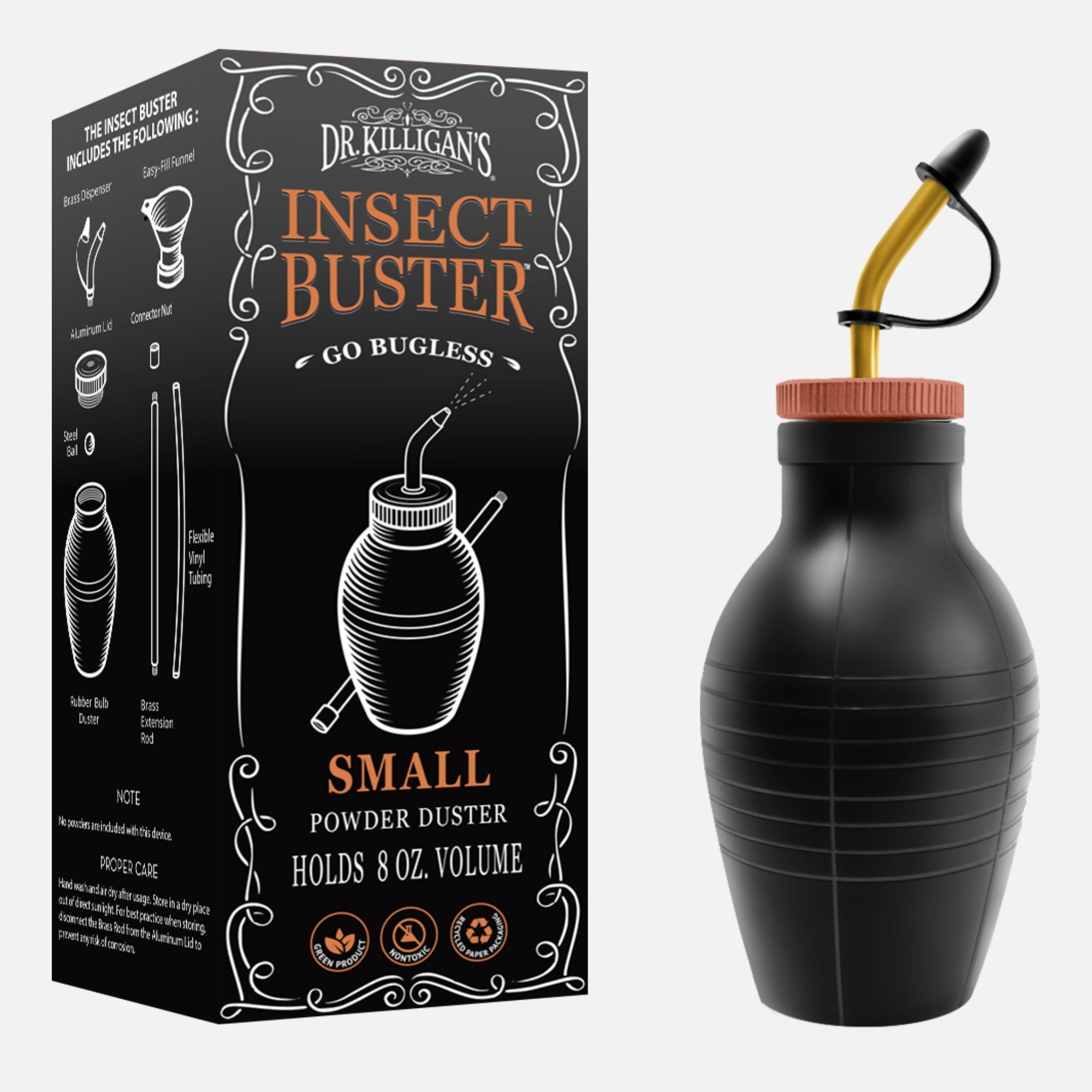
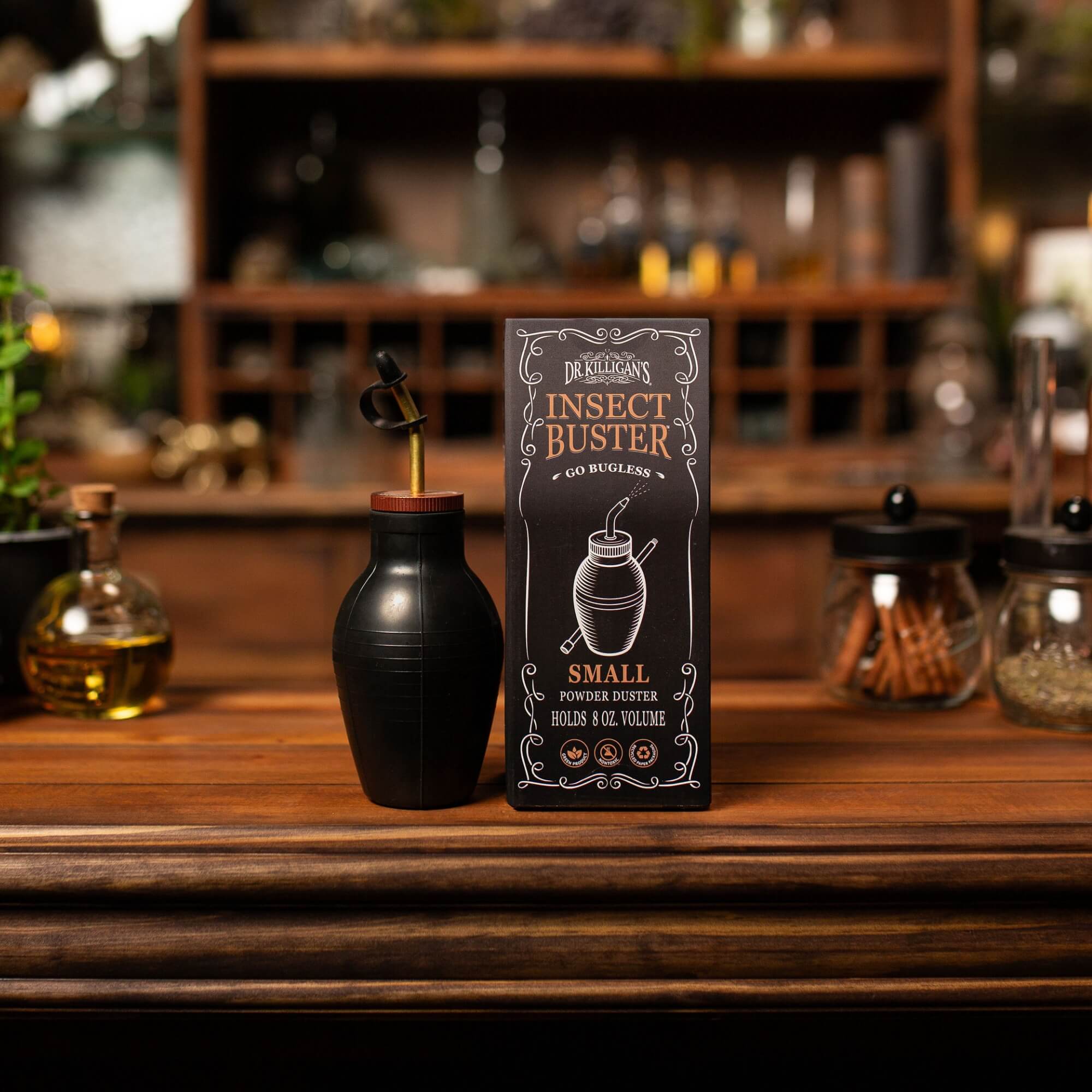
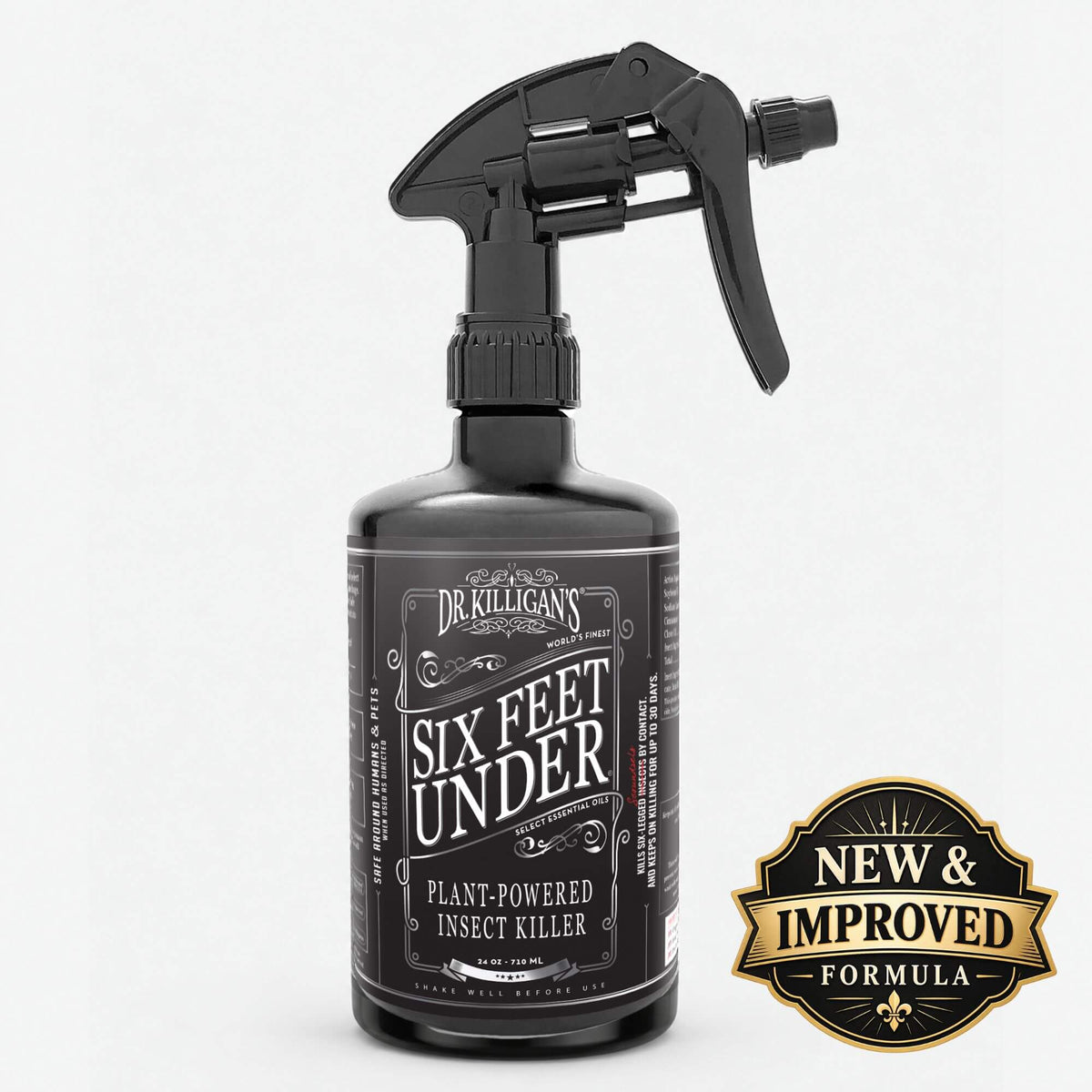
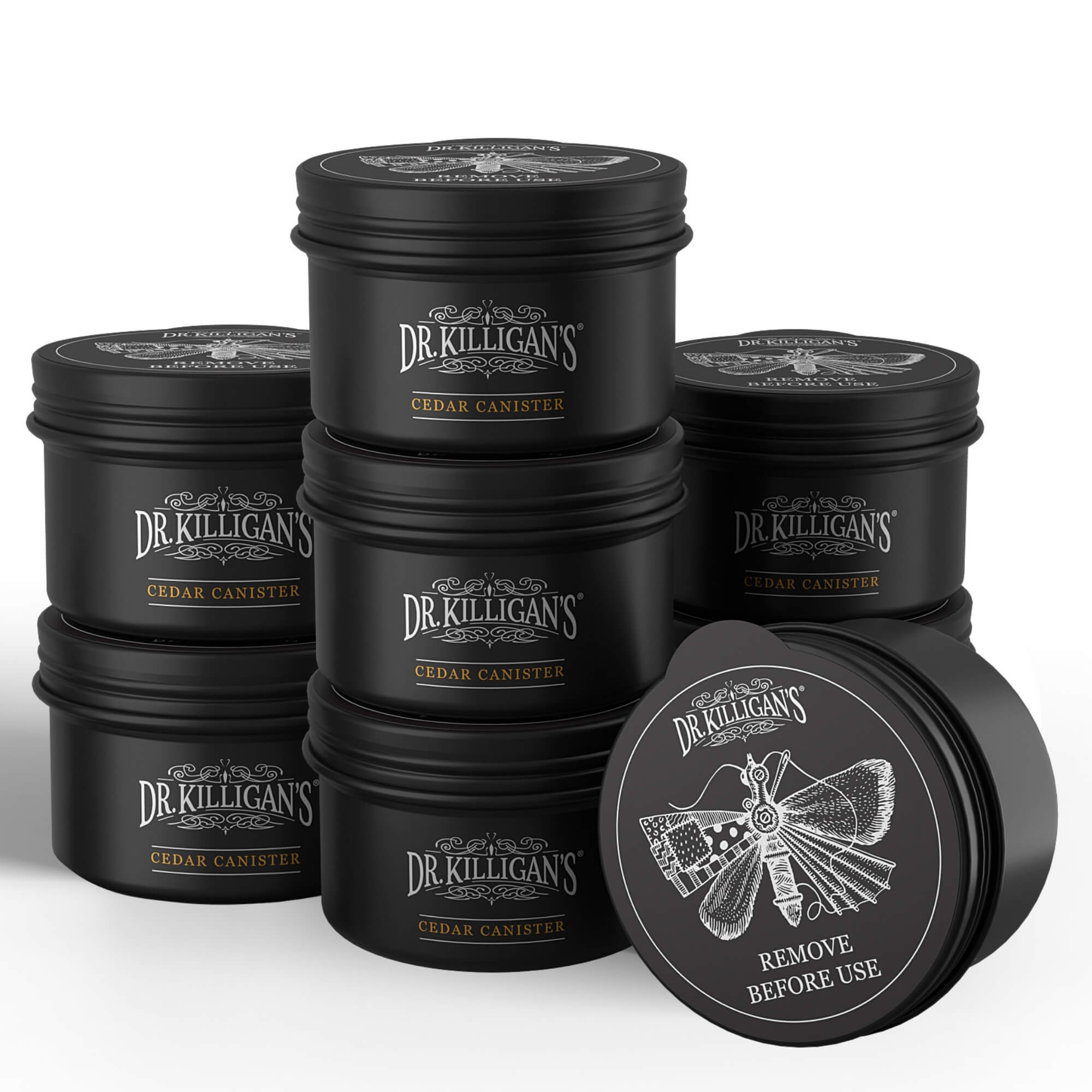
Begin by catching and treating what is already there, then shift to prevention. Hang Clothing Moth Traps in closets and storage to catch the males and monitor for activity. Treat or discard any infested pieces, then clean and properly store your wool and silk, sealing off-season items in bins or garment bags. Line those spaces with Cedar Planks and Cedar Chips. Because cedar loses its punch as the oils dry out, refresh them with Cedar Ward now and then. For closet floors, baseboards and carpet edges where larvae hide, vacuum first, then puff a thin, even layer of Dust to Dust with the Insect Buster. Finally, wipe hard surfaces with Six Feet Under, a plant-powered contact spray meant for surfaces rather than garments.

Your non-toxic moth-control kit

  • Catch and monitor: Clothing Moth Traps catch the breeding males and show you when activity stops.
  • Kill eggs and larvae without chemicals: hot-wash, hot-dry, dry-clean or freeze infested and stored items.
  • Repel naturally: Cedar Planks and Chips, refreshed with Cedar Ward as the scent fades.
  • Treat hiding spots: vacuum, then Dust to Dust in cracks and Six Feet Under on hard surfaces, never on clothes.

Related: How to kill clothing moths and How to get rid of clothing moths in the closet.

Shop non-toxic clothing moth control → browse the full Clothing moth collection.

Field Notes from the Doctor's Journal

The Blog

View all
Yellowjaket on  a pavement

How to get rid of yellowjackets around your home

Learn how to get rid of yellowjackets by identifying where they’re nesting, knowing when treatment makes sense and choosing the right approach for ground nests, wall voids and other problem areas a...
Pantry Moth

How to get rid of pantry moths naturally: What works and what doesn't

Natural pantry moth control works when each method has the right job. Learn what freezing, vinegar, cedar and essential oils can do—and what it still takes to stop an infestation.
Pantry Moth Eggs

Pantry moth eggs: What they look like and what to do

Pantry moth eggs are difficult to see, so identification depends on the evidence around them. Learn how to inspect food, choose the right treatment and monitor what happens next.
Pantry Moth Larvae

Pantry moth larvae: What they look like and how to get rid of them

Small white worms in your pantry, on a wall or even across the ceiling may be pantry moth larvae. Learn how to identify them, find their food source and break the infestation cycle.

Tick on human skin

What animals get ticks?

Ticks feed on a wide range of animals, but certain behaviors make some hosts more vulnerable than others. Discover which wildlife, pets and livestock are most likely to carry ticks and how to prote...


Spring Home

How to keep bugs out of the house

Bug problems start at the edge of your home. Learn how to stop them early, apply perimeter pest control with confidence and build a stronger barrier with Barricade.

No harsh chemicals

All of Dr. Killigan’s products meet the EPA's criteria for "minimum risk" pest products, meaning they are safe when used as directed to use around people, pets and plants.


About Dr. Killigan

Dr. Killigan is the embodiment of our core values—Freedom, Spirit of Adventure, Excellence, Innovation, Joy and Honesty. He searches the world for the most effective pest solutions from nature, so you don't have to.


Satisfaction, guaranteed

Dr. Killigan's backs every pest solution with a 100% satisfaction guarantee: if you're not completely satisfied, we'll offer a refund or replacement, no strings attached.