
How to kill clothing moths | Non-toxic

Filters

Sort by:

Clothing moths are secretive. You are far more likely to find their damage than to catch the moths themselves: a few small holes in a sweater, a patch of silky webbing, gritty specks the color of the cloth. By the time it shows, larvae have been feeding quietly on the wool, cashmere and silk in your closet. Getting rid of them means finding what the larvae are feeding on, treating or discarding those items, cleaning out their hiding spots and breaking the breeding cycle. You can do all of it without mothballs or toxic sprays near your wardrobe.

Why killing the moths you see is not enough

Adult clothing moths are weak fliers that avoid light and movement. Disturb one and it scurries further into a fold of fabric or a dark corner rather than flying toward you. The adults do not eat at all. Their only job is to mate and lay eggs on natural fibers. The eggs then hatch into larvae, which do the damage, feeding on keratin—the protein in wool, cashmere, silk and fur, spinning silky webbing and leaving gritty specks behind. When a larva is ready to pupate, it crawls into a seam, a fold or a corner. So you can spray or swat the odd adult you spot, but the eggs and larvae in your clothes carry on and a new generation emerges within weeks. The real fix is to treat or discard the infested items and trap the males to break the breeding cycle. (More on the how and why: How to get rid of clothing moths and Do clothing moths actually eat clothes.)

The non-toxic way to kill clothing moths

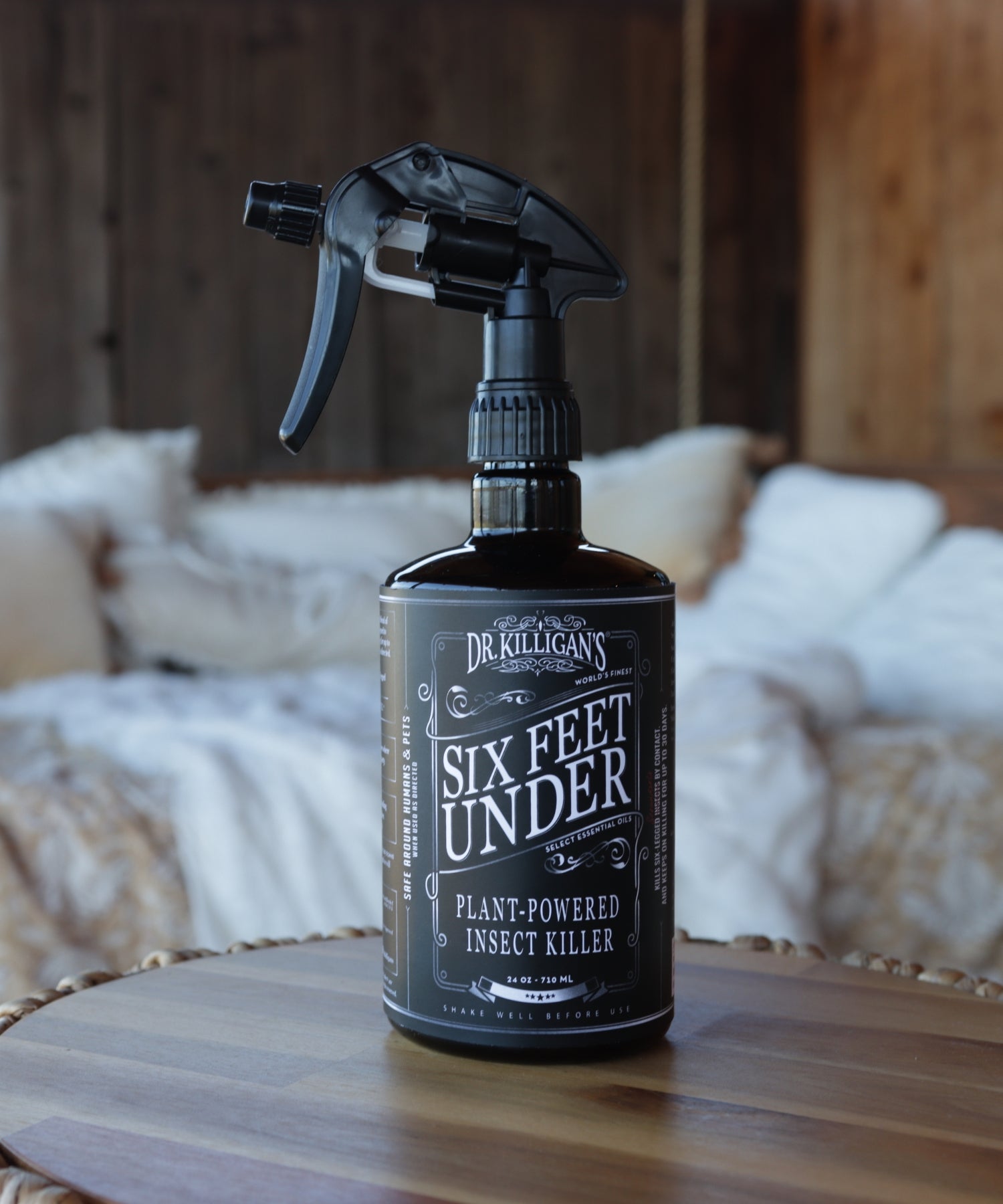
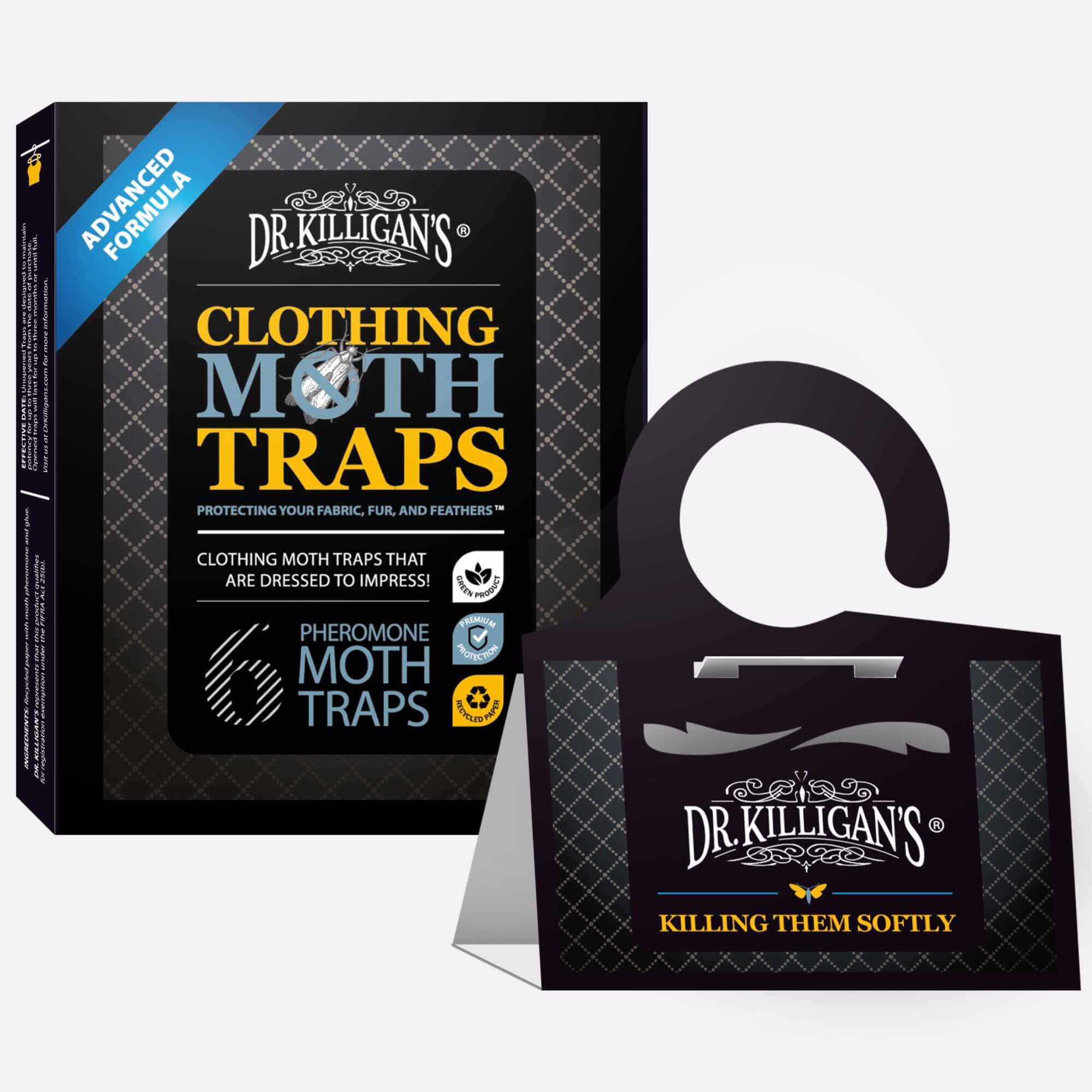
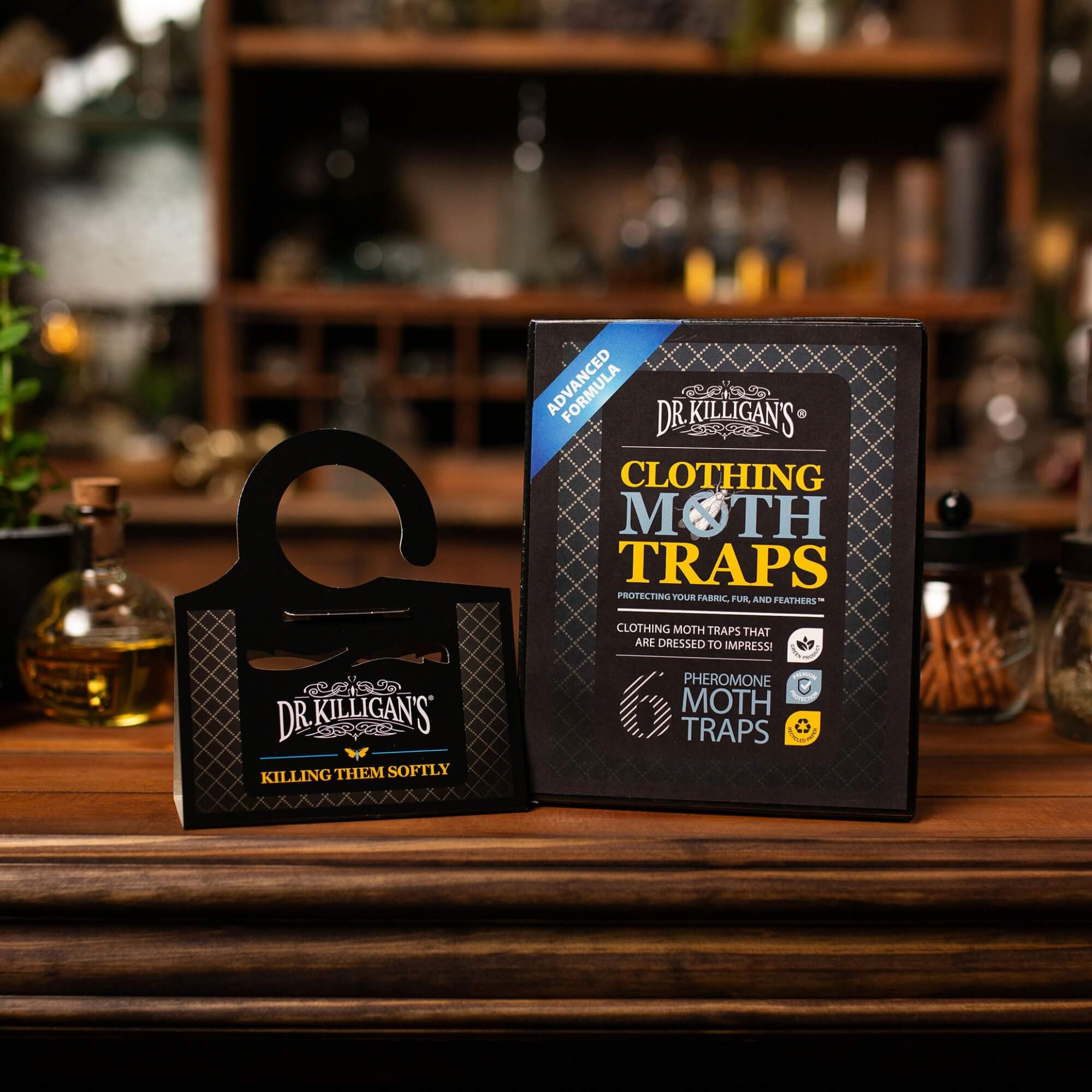
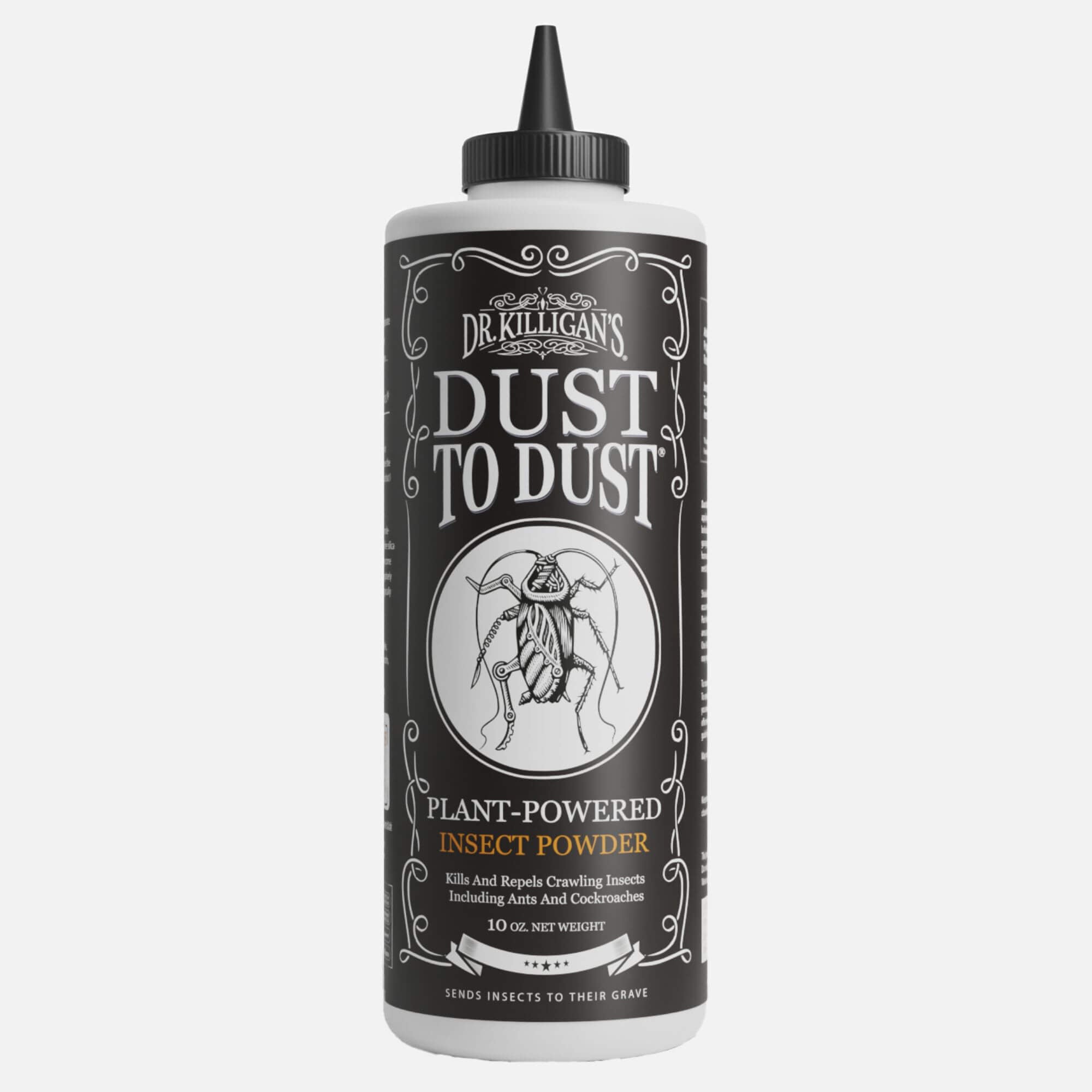
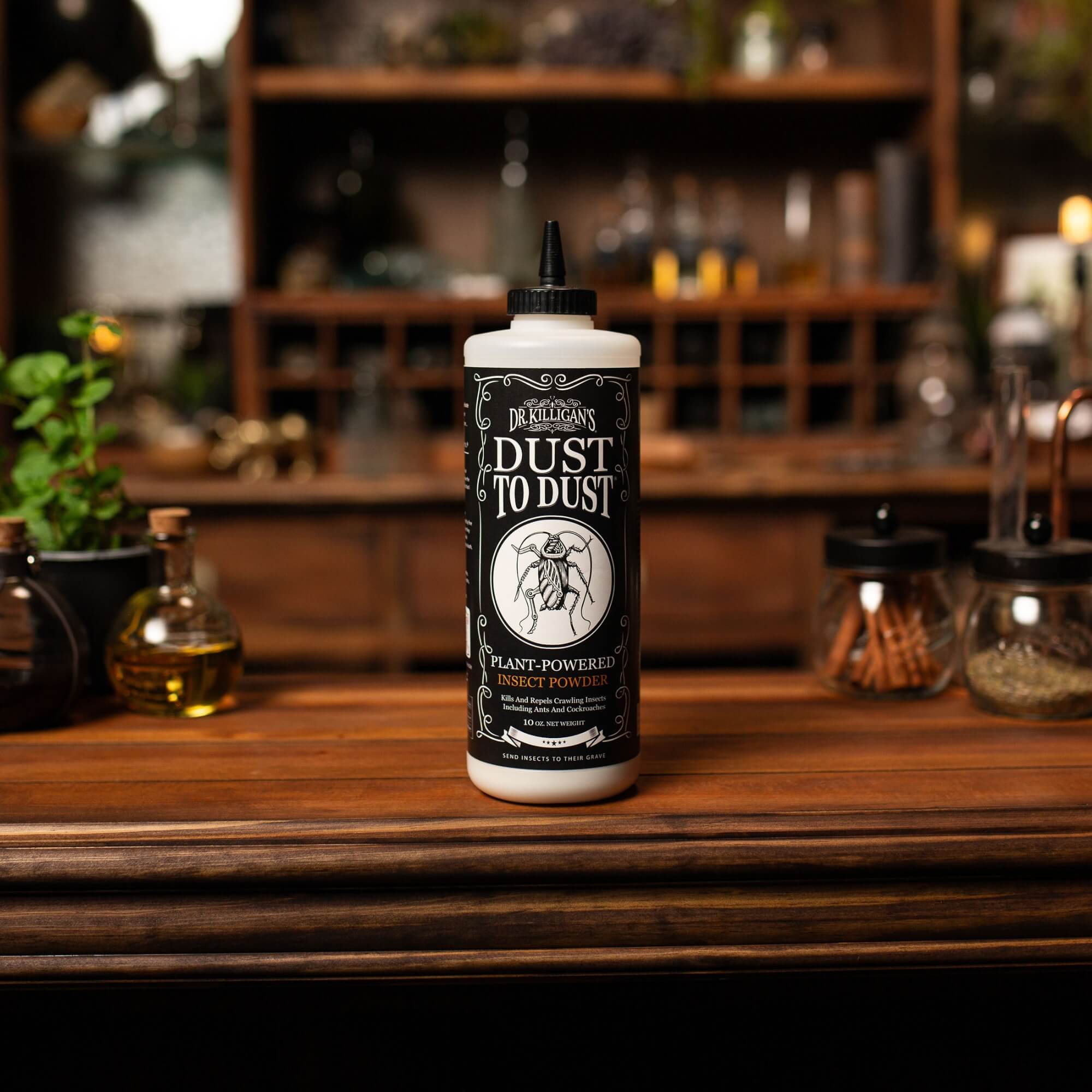
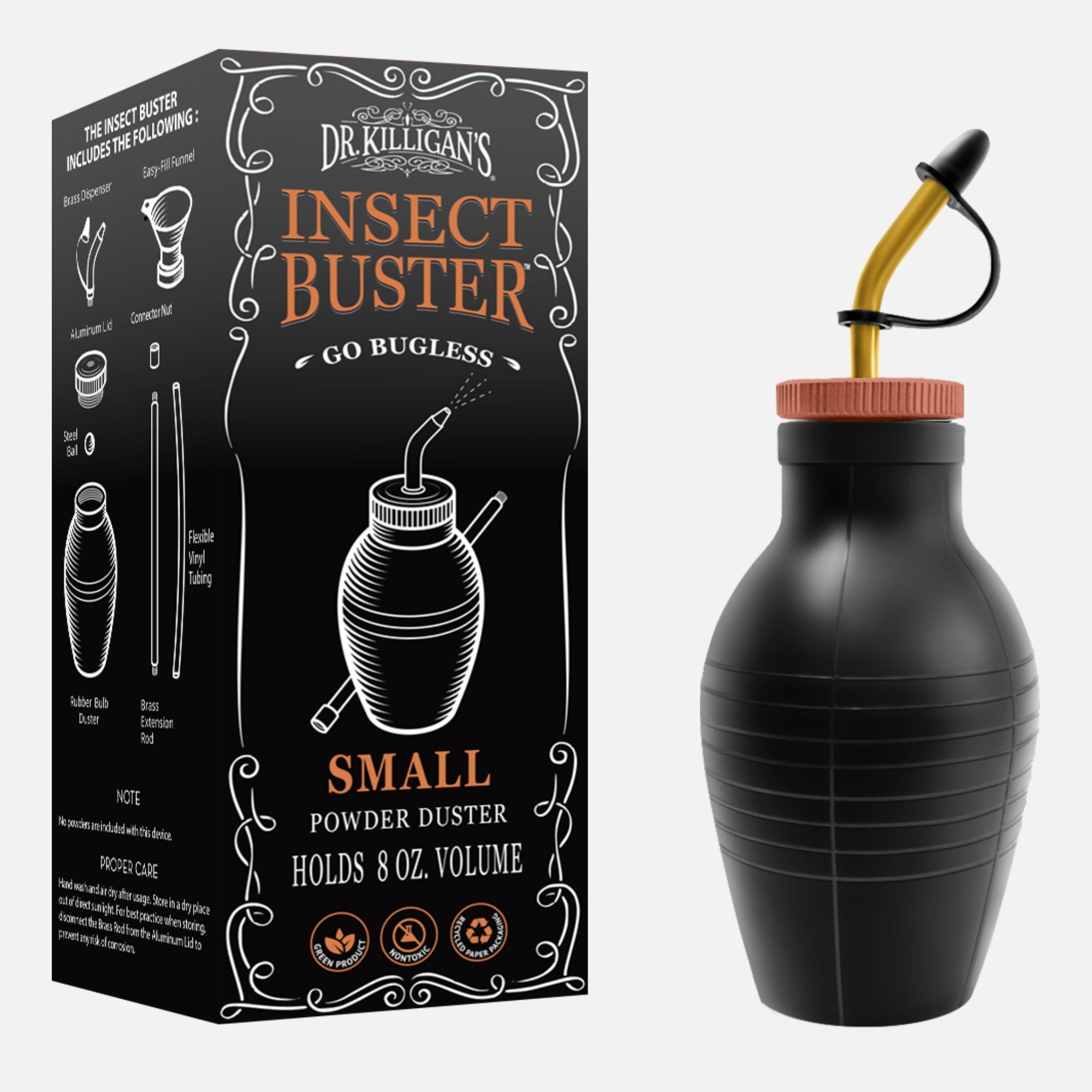
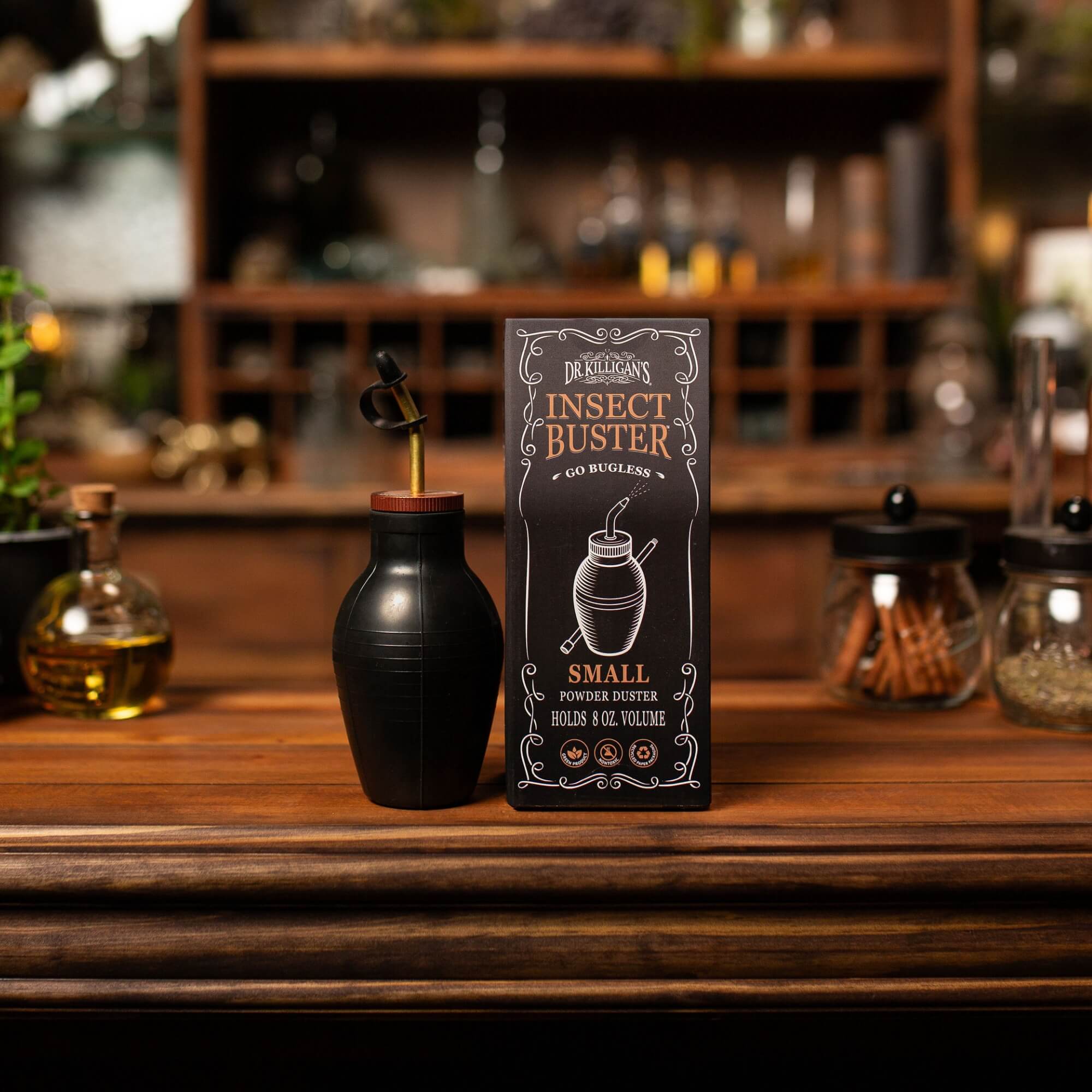
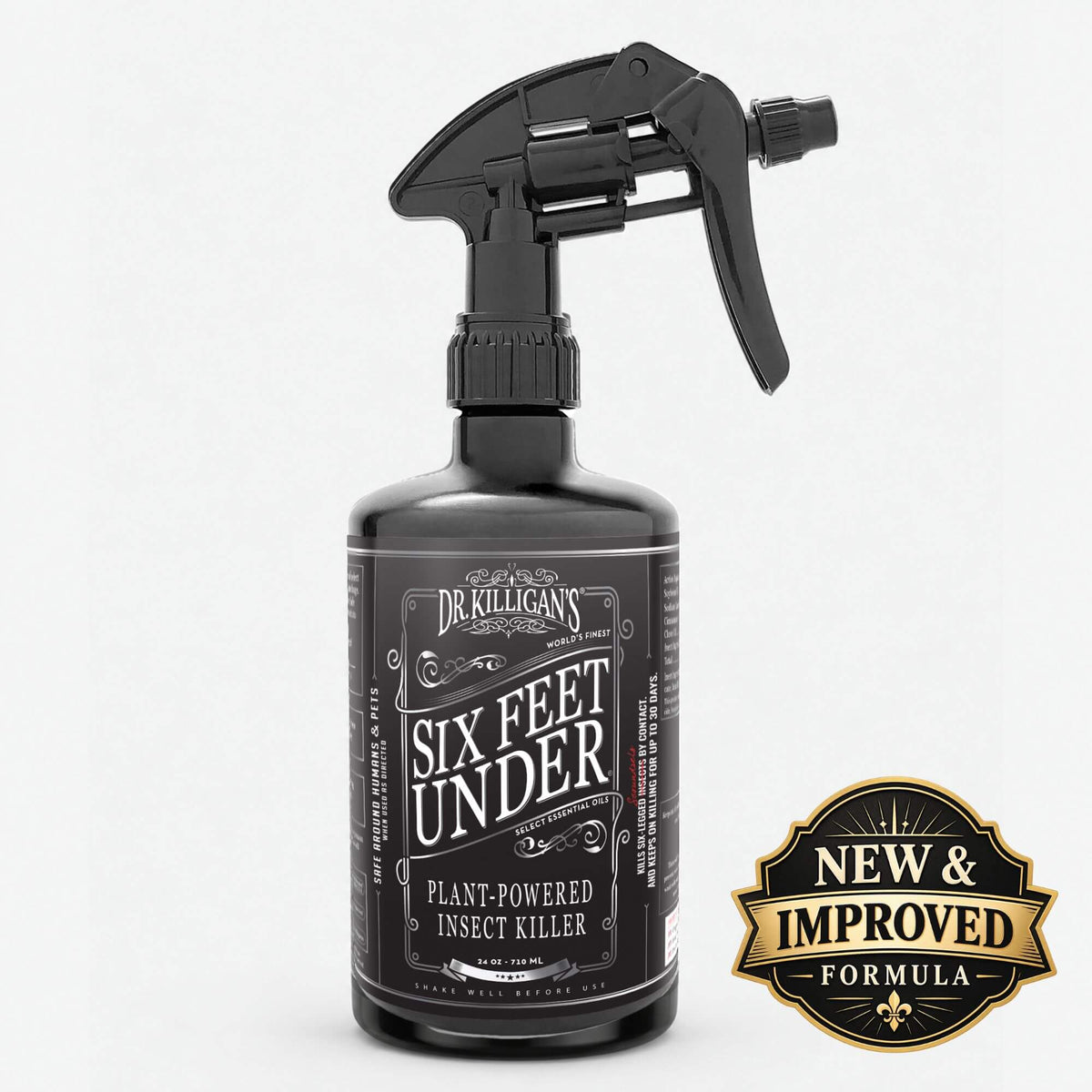
Start where you have found damage and work outward. Pull all wool, cashmere and silk from that part of the closet and check the seams, cuffs and folds for holes, webbing or sandy grit. Treat or discard whatever is infested: wash it in hot water at 120°F or above, run it through a hot dryer for at least 30 minutes, have delicates dry-cleaned or seal it in a bag and freeze it at 0°F for about two weeks. Any of these methods kills the eggs and larvae. Next, vacuum the closet floor, shelves and carpet edges to lift out eggs and larvae, then empty the canister outside. Wipe the shelves and hard surfaces with a vinegar-and-water solution and follow with a light spray of Six Feet Under to catch anything left behind. Once everything is dry, puff a thin, even layer of Dust to Dust into the cracks and seams with the Insect Buster so anything that returns meets the powder. Finally, hang Clothing Moth Traps: the pheromone lure draws in the males and stops them breeding. The traps also work as a monitor, so once they stop catching moths you know the infestation is under control.

Kill clothing moths for good

  • Find the source: check keratin fibers like wool, cashmere and silk for holes, webbing and gritty specks.
  • Treat or toss: hot-wash, hot-dry, dry-clean or freeze anything infested to kill eggs and larvae.
  • Clean the space: vacuum, wipe shelves with vinegar and water then Six Feet Under, then once dry leave a thin layer of Dust to Dust in the cracks.
  • Trap and monitor: hang Clothing Moth Traps last to catch the males and tell you when the problem is gone.

Related: How to get rid of clothing moths in the closet and Non-toxic clothing moths control.

Shop non-toxic clothing moth control → browse the full Clothing moth collection.

Field Notes from the Doctor's Journal

The Blog

View all
Yellowjaket on  a pavement

How to get rid of yellowjackets around your home

Learn how to get rid of yellowjackets by identifying where they’re nesting, knowing when treatment makes sense and choosing the right approach for ground nests, wall voids and other problem areas a...
Pantry Moth

How to get rid of pantry moths naturally: What works and what doesn't

Natural pantry moth control works when each method has the right job. Learn what freezing, vinegar, cedar and essential oils can do—and what it still takes to stop an infestation.
Pantry Moth Eggs

Pantry moth eggs: What they look like and what to do

Pantry moth eggs are difficult to see, so identification depends on the evidence around them. Learn how to inspect food, choose the right treatment and monitor what happens next.
Pantry Moth Larvae

Pantry moth larvae: What they look like and how to get rid of them

Small white worms in your pantry, on a wall or even across the ceiling may be pantry moth larvae. Learn how to identify them, find their food source and break the infestation cycle.

Tick on human skin

What animals get ticks?

Ticks feed on a wide range of animals, but certain behaviors make some hosts more vulnerable than others. Discover which wildlife, pets and livestock are most likely to carry ticks and how to prote...


Spring Home

How to keep bugs out of the house

Bug problems start at the edge of your home. Learn how to stop them early, apply perimeter pest control with confidence and build a stronger barrier with Barricade.

No harsh chemicals

All of Dr. Killigan’s products meet the EPA's criteria for "minimum risk" pest products, meaning they are safe when used as directed to use around people, pets and plants.


About Dr. Killigan

Dr. Killigan is the embodiment of our core values—Freedom, Spirit of Adventure, Excellence, Innovation, Joy and Honesty. He searches the world for the most effective pest solutions from nature, so you don't have to.


Satisfaction, guaranteed

Dr. Killigan's backs every pest solution with a 100% satisfaction guarantee: if you're not completely satisfied, we'll offer a refund or replacement, no strings attached.