
How to kill pantry moths | Non-toxic

Filters

Sort by:

How to kill pantry moths

Those small moths fluttering out of the cupboard are a sign the breeding cycle is already under way. The ones you see are the breeders, so knocking them down does help. The trouble is that the real damage is hidden inside your food, where the larvae feed, so swatting alone never keeps up. Getting rid of pantry moths for good means dealing with the adults and their food source together, all without toxic sprays near your groceries.

What you are really up against

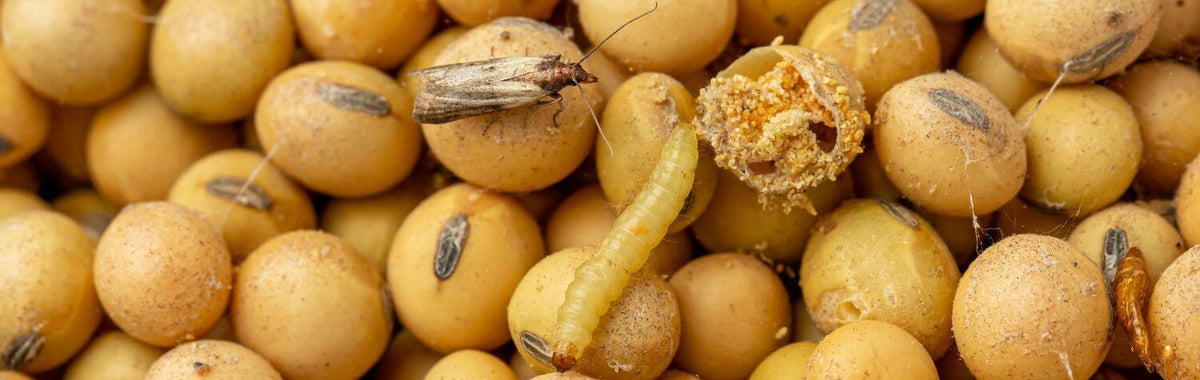
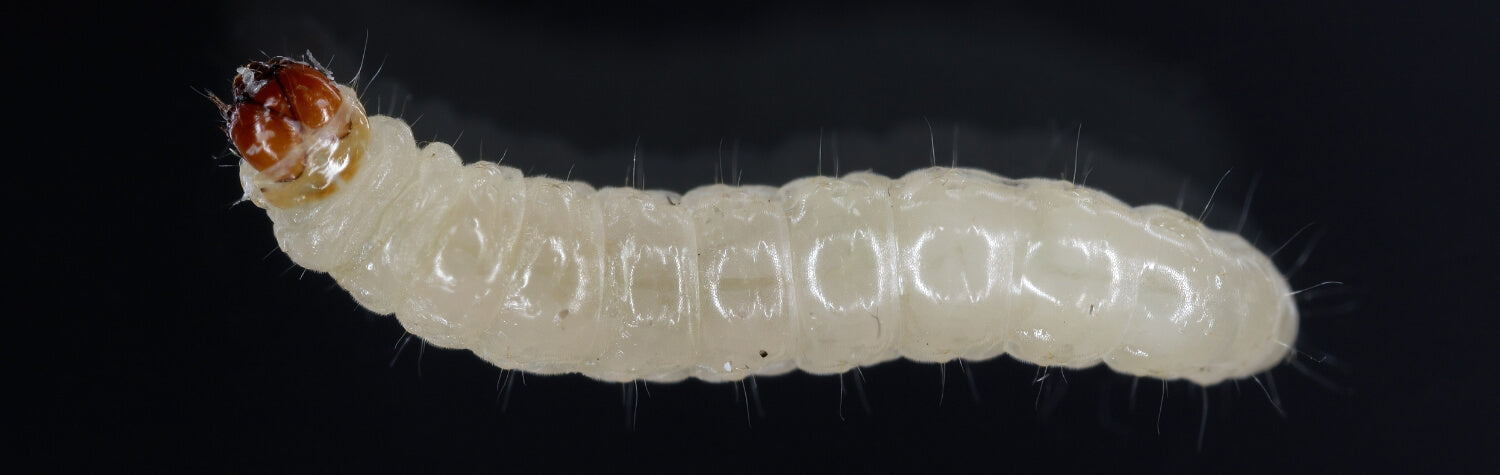
Adult pantry moths do not eat and do not live long. Their whole job is to mate and lay eggs on your dry goods. Those eggs hatch into larvae that feed inside flour, cereal and pet food, then crawl into cracks, corners and cabinet seams to pupate. Clear only the moths in the air and a fresh wave emerges from the food and the crevices within days. That is why the food and the hiding spots matter every bit as much as the moths themselves. (More on the how and why: Pantry moth life cycle and How to get rid of pantry moths: 8 proven ways.)

The non-toxic way to kill pantry moths

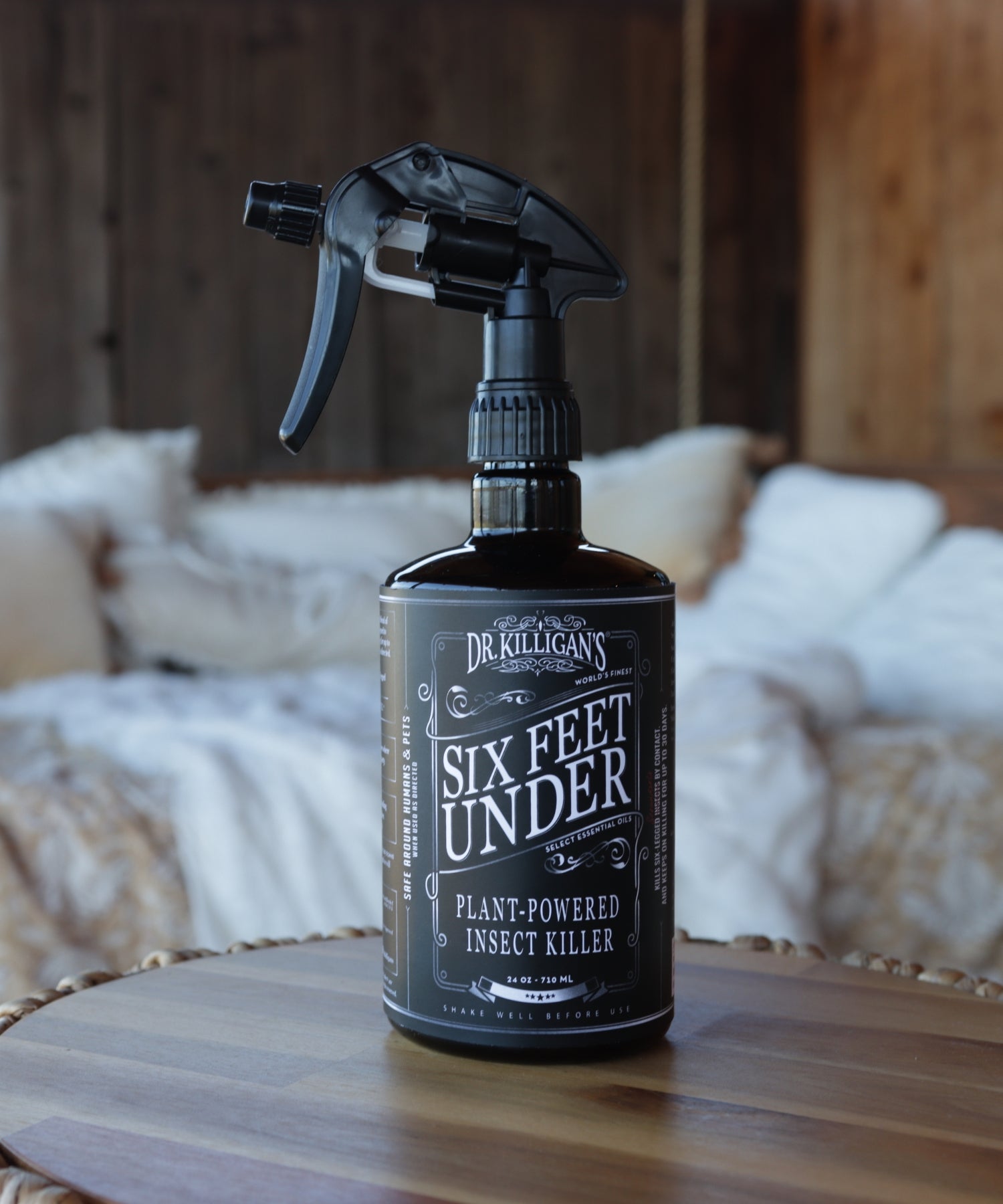
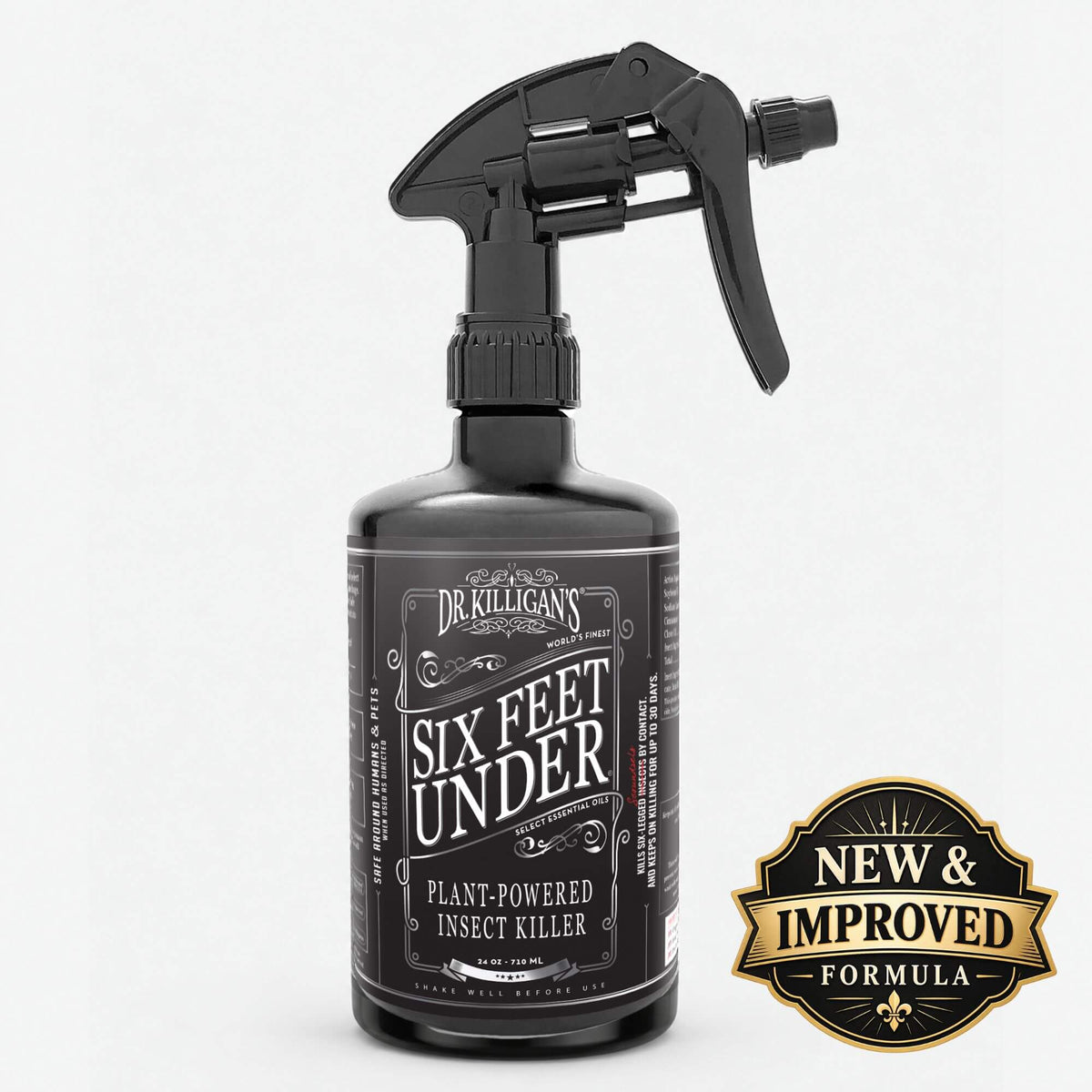
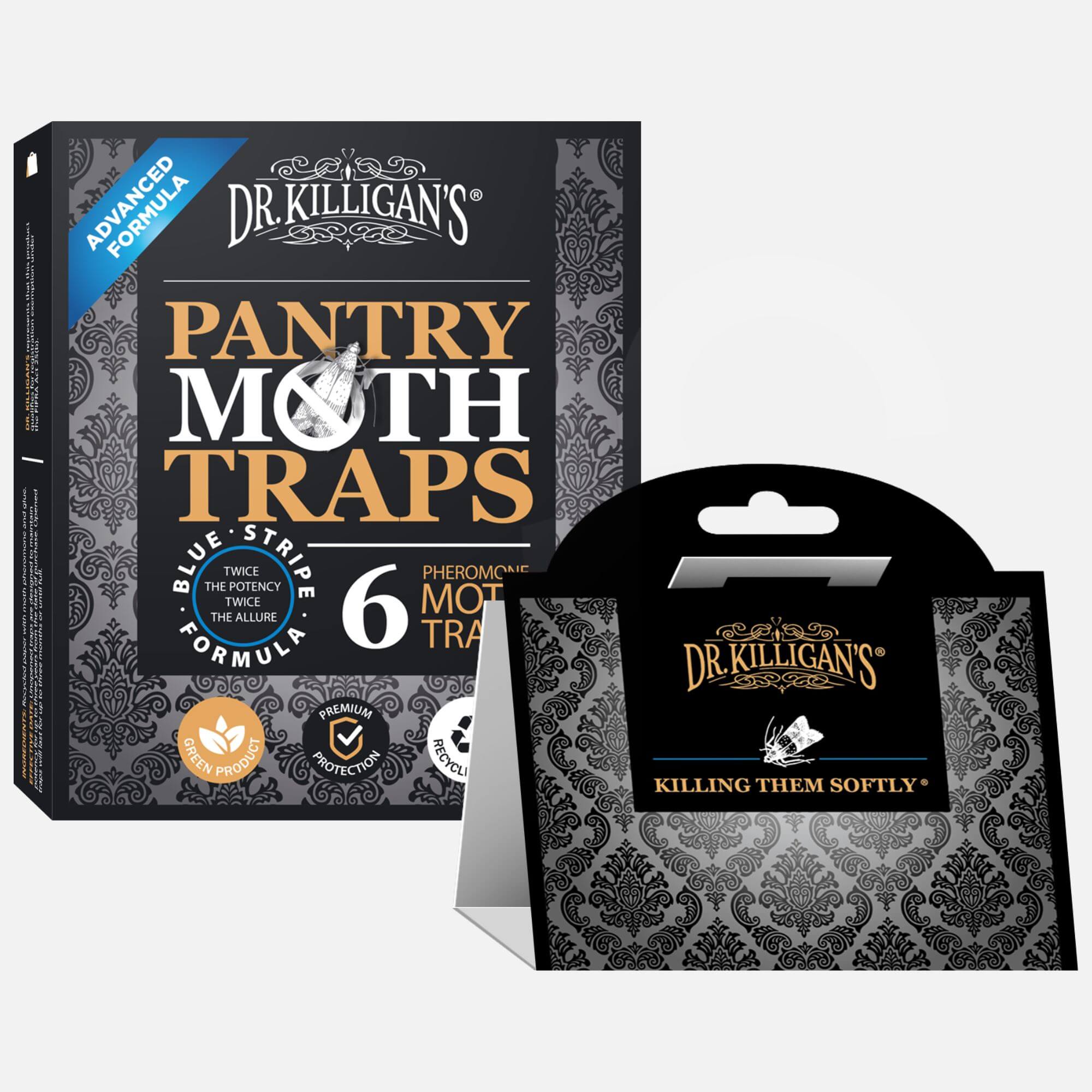
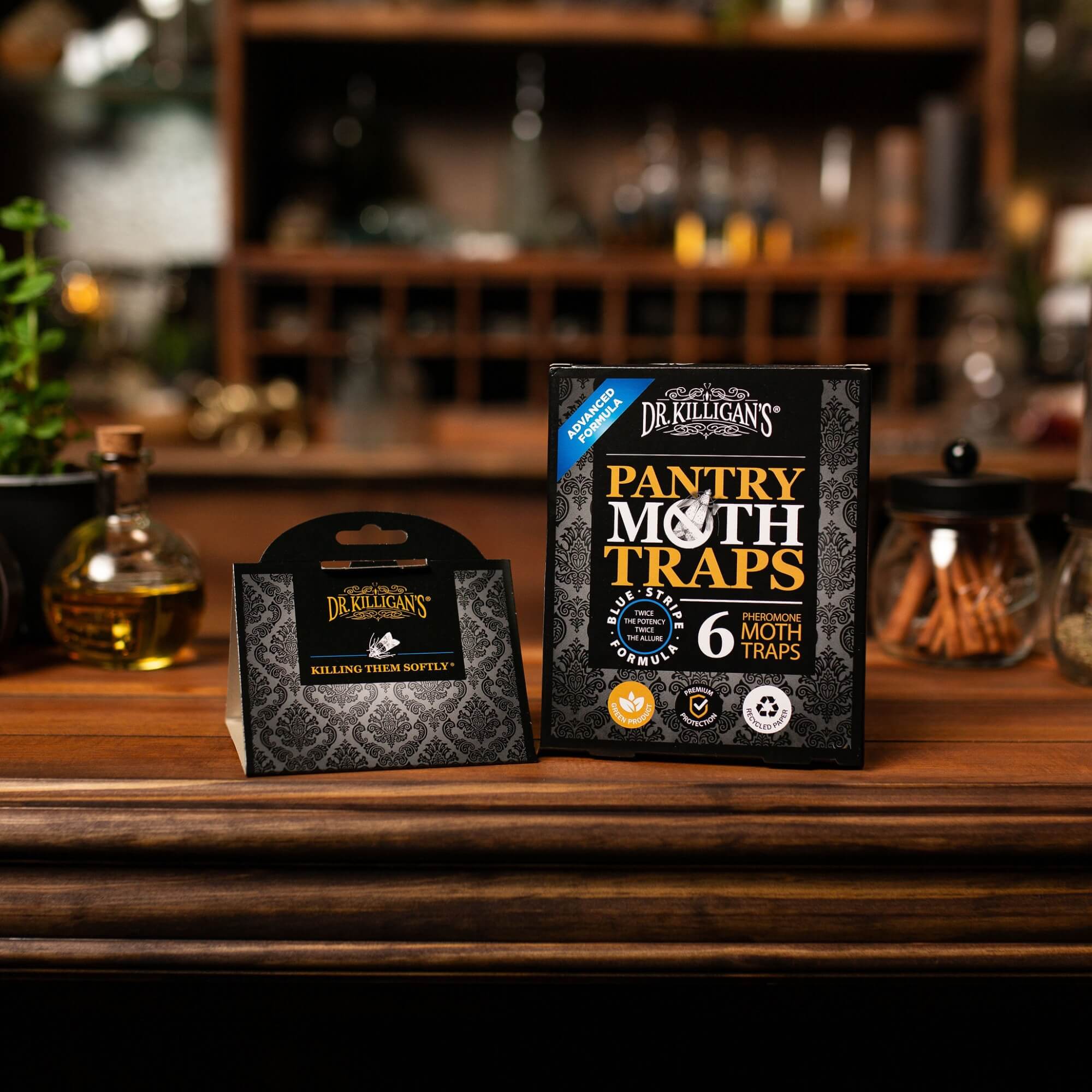
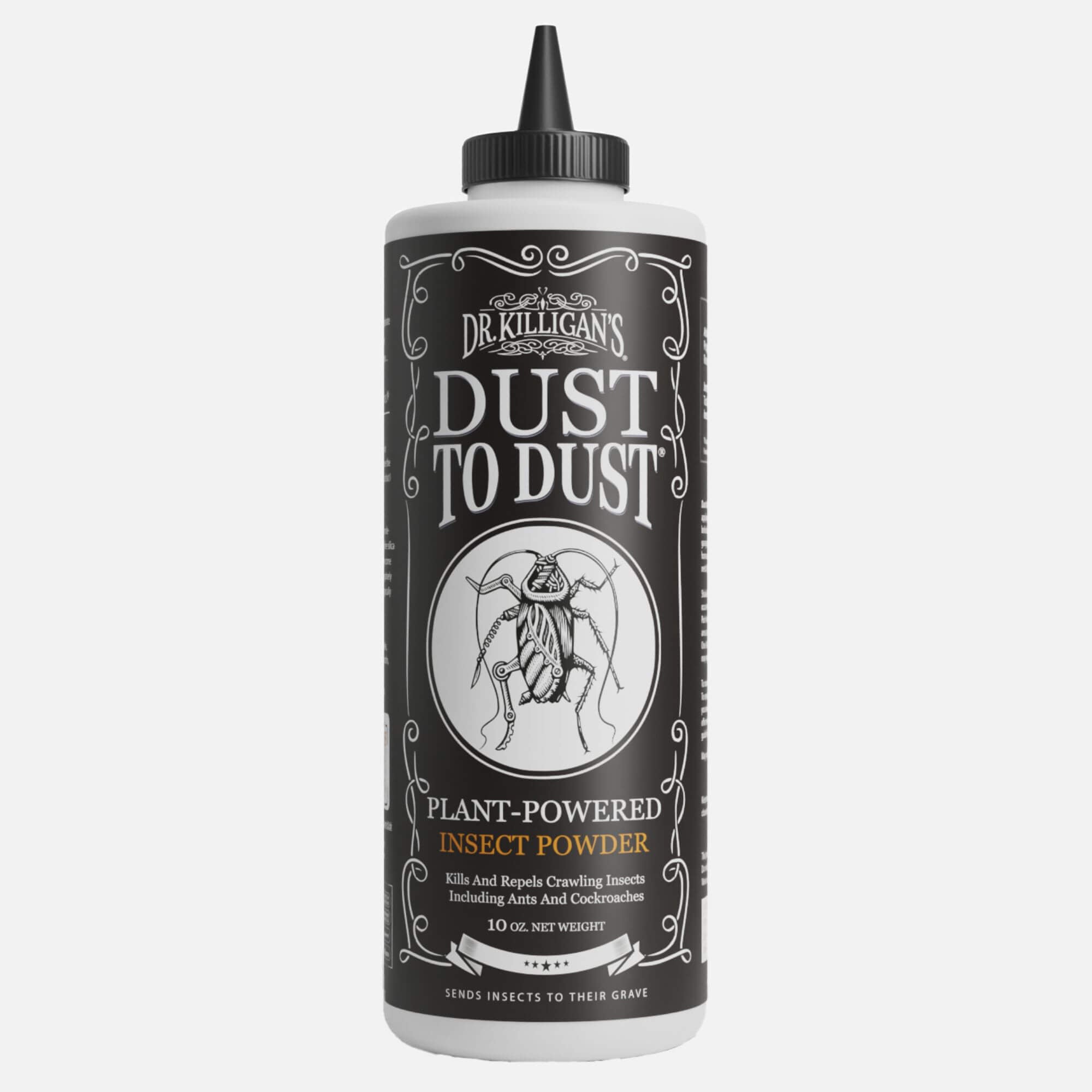
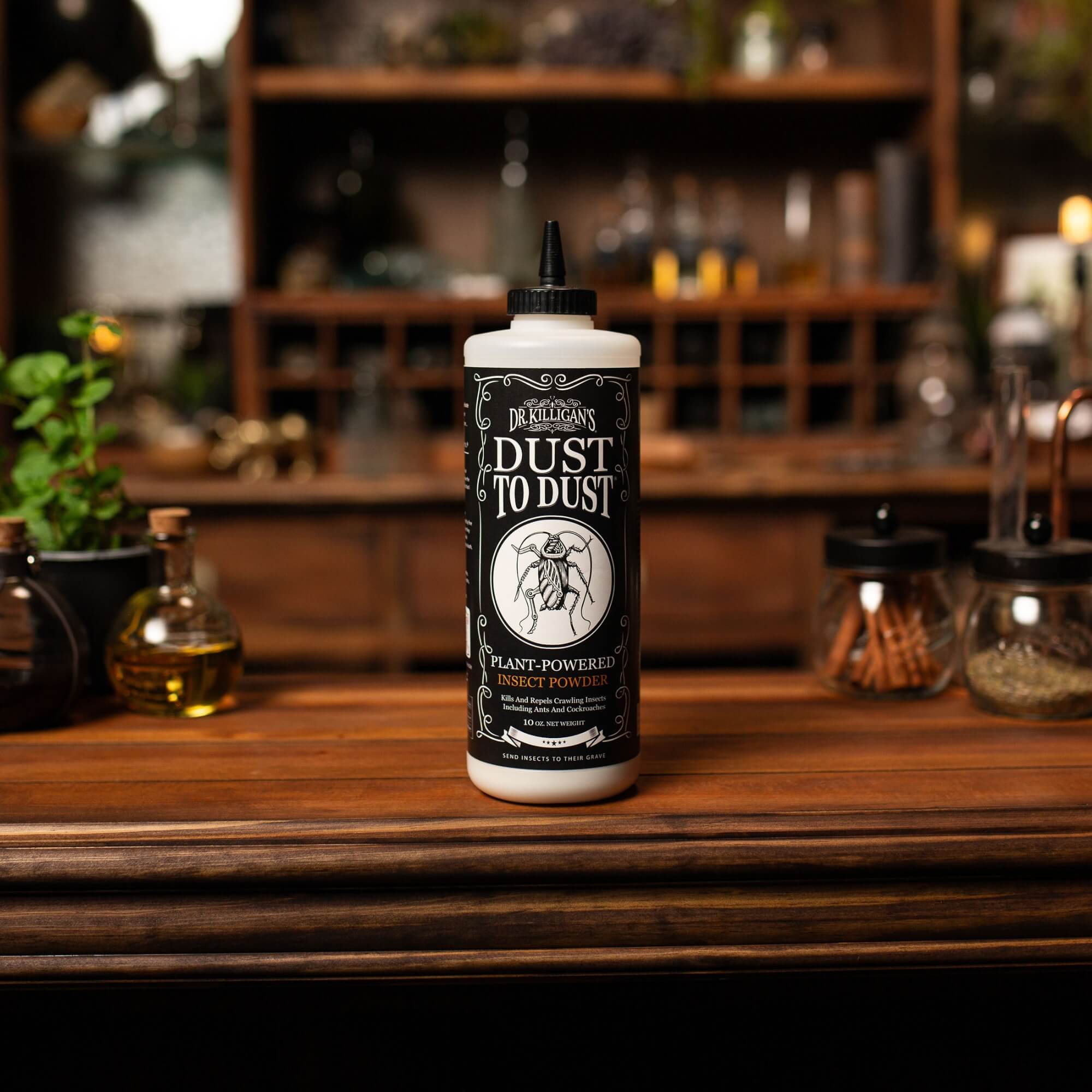
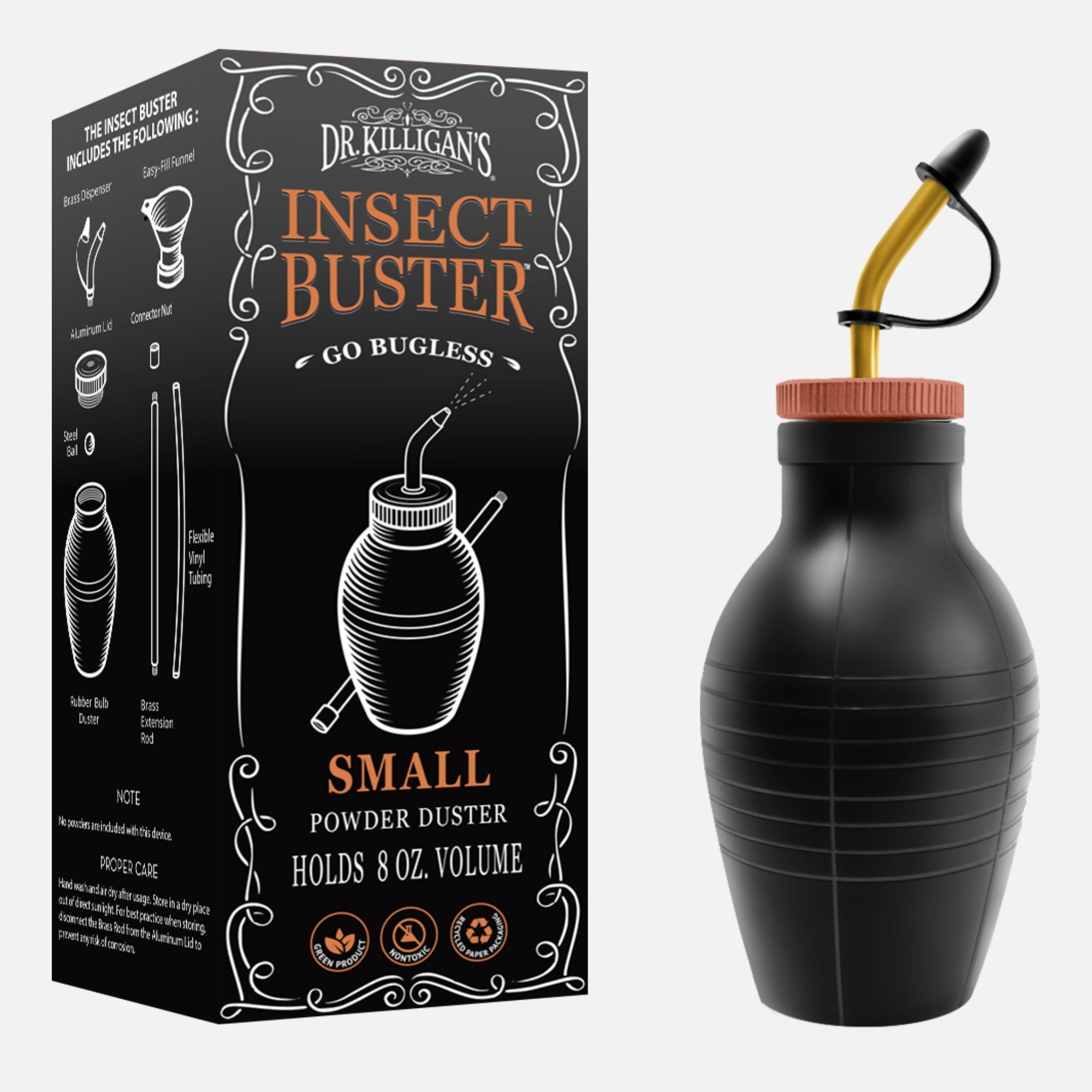
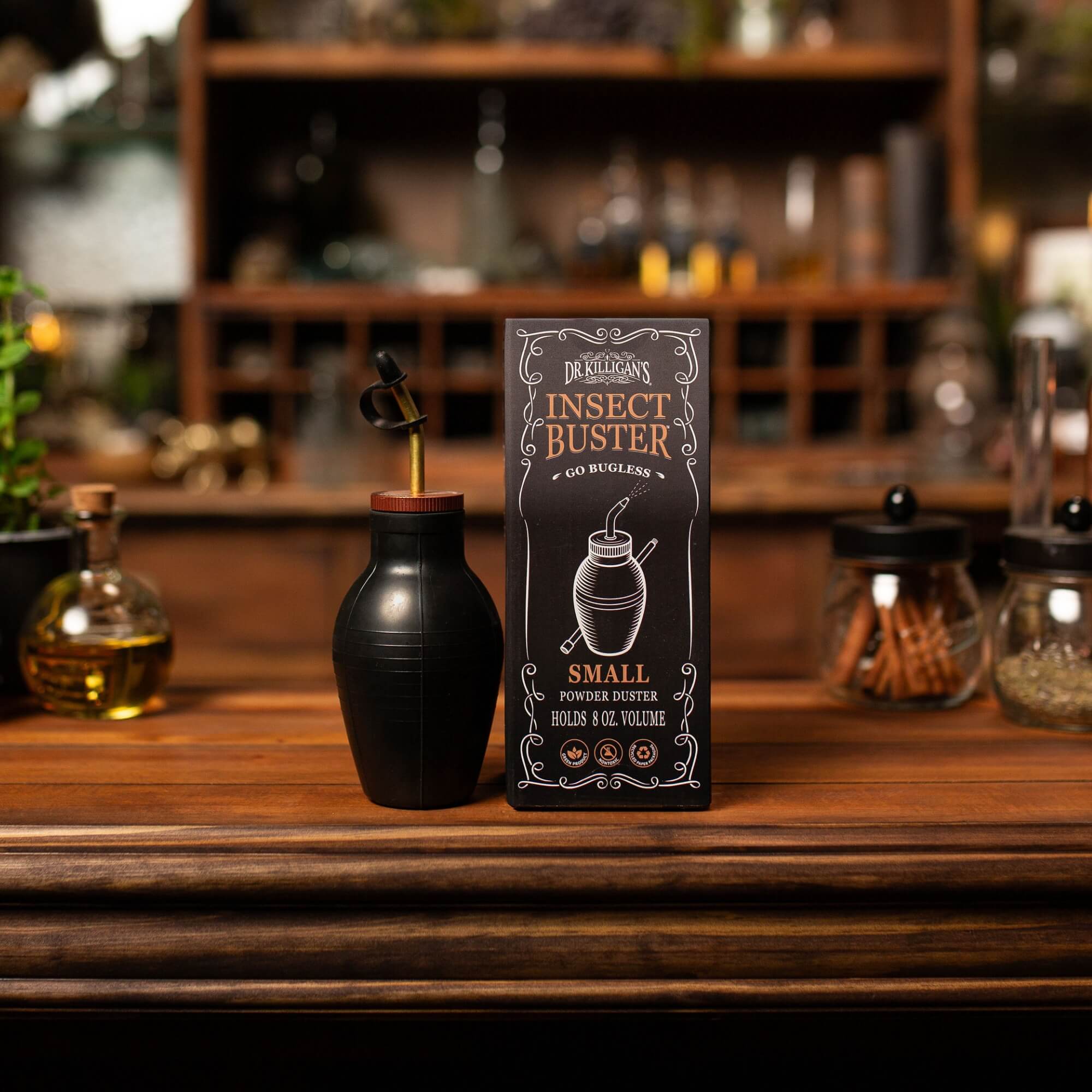
Start by hunting down the source. Check every open bag and box of dry food for webbing, clumping or tiny larvae. Throw out anything clearly infested. For a sealed staple that still looks clean but you are not sure about, freeze it for a week as a precaution, since a home freezer at 0°F kills any eggs and larvae you cannot see. Then vacuum the shelves and wipe down the cabinet, paying attention to cracks and corners where larvae hide. Hang Pantry Moth Traps to catch the adult males on their pheromone lure and stop them mating. For the cracks and shelf edges where larvae pupate, puff Dust to Dust with the Insect Buster. Treat bare surfaces with Six Feet Under on contact once the food is cleared.

Kill pantry moths for good

  • Find the source: inspect every dry good and toss anything with webbing, clumps or larvae.
  • Freeze the maybes: freeze sealed staples that look clean but you are unsure about for a week as a precaution.
  • Clean it out: vacuum shelves and cracks, then wipe the cabinet down.
  • Trap the adults: hang Pantry Moth Traps to catch the males and stop new eggs.
  • Treat the hiding spots: puff Dust to Dust into cracks and seams, and spray Six Feet Under on cleared surfaces.

Related: How to get rid of pantry moths in the pantry and How to moth-proof a pantry.

Shop non-toxic pantry moth control → browse the full Pantry moth collection.

Field Notes from the Doctor's Journal

The Blog

View all
Tick on human skin

What animals get ticks?

Ticks feed on a wide range of animals, but certain behaviors make some hosts more vulnerable than others. Discover which wildlife, pets and livestock are most likely to carry ticks and how to prote...

Spring Home

How to keep bugs out of the house

Bug problems start at the edge of your home. Learn how to stop them early, apply perimeter pest control with confidence and build a stronger barrier with Barricade.

Winter home

Where do earwigs go in winter (and why they show up indoors)

Wondering where earwigs go in winter? Here’s why they reappear indoors, what cold weather changes and what to do to prevent repeat sightings.

fliesThree flies on a stick branch

Why am I seeing flies in my house? (Cluster flies vs houseflies)

Big, slow “winter flies” are usually cluster flies or houseflies. Learn the difference fast, why they show up indoors and what to do when they keep gathering at your windows.

fliesBiting midge shown close up for identifying midge bites

Midge bites: What they look like and how to stop biting midges

Small, itchy red marks may point to biting midges. Learn how to identify midge bites, compare them to other bug bites and reduce biting midges around your home.

mitesHow to get rid of dust mites: A simple, science-based guide

How to get rid of dust mites: A simple, science-based guide

A simple, science-based routine to reduce dust mites and allergen buildup in your bed and home, including what kills dust mites instantly (and what doesn’t), plus how to clean dust mites from a mat...

No harsh chemicals

All of Dr. Killigan’s products meet the EPA's criteria for "minimum risk" pest products, meaning they are safe when used as directed to use around people, pets and plants.


About Dr. Killigan

Dr. Killigan is the embodiment of our core values—Freedom, Spirit of Adventure, Excellence, Innovation, Joy and Honesty. He searches the world for the most effective pest solutions from nature, so you don't have to.


Satisfaction, guaranteed

Dr. Killigan's backs every pest solution with a 100% satisfaction guarantee: if you're not completely satisfied, we'll offer a refund or replacement, no strings attached.