Field Notes from the Doctor's Journal
The Blog

Pantry moths in dog food: Why they’re there and what to do
Published September 10, 2026Reviewed by Julie Miller, BA in Language Arts, Editorial Lead, Dr. Killigan’s TL;DR: Pantry moths can infest dry dog food just as readily as flour, cereal, grains and ot...
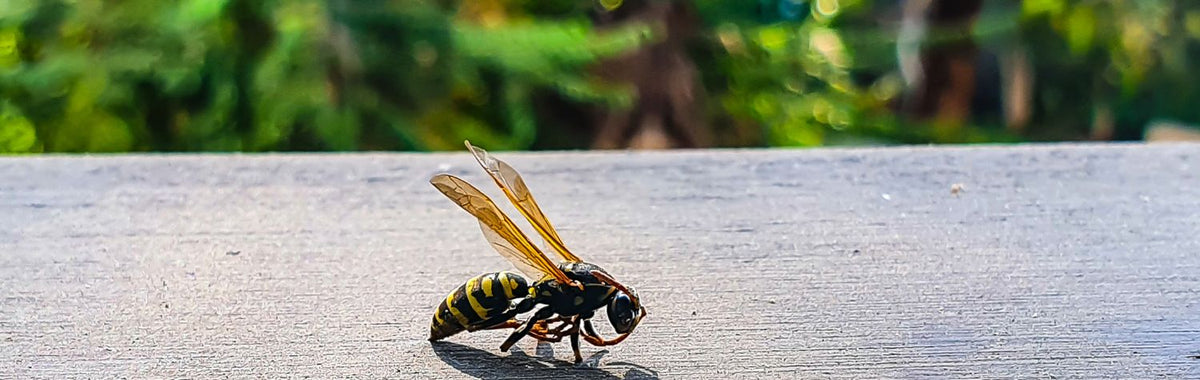
How to get rid of yellowjackets around your home
Learn how to get rid of yellowjackets by identifying where they’re nesting, knowing when treatment makes sense and choosing the right approach for ground nests, wall voids and other problem areas a...
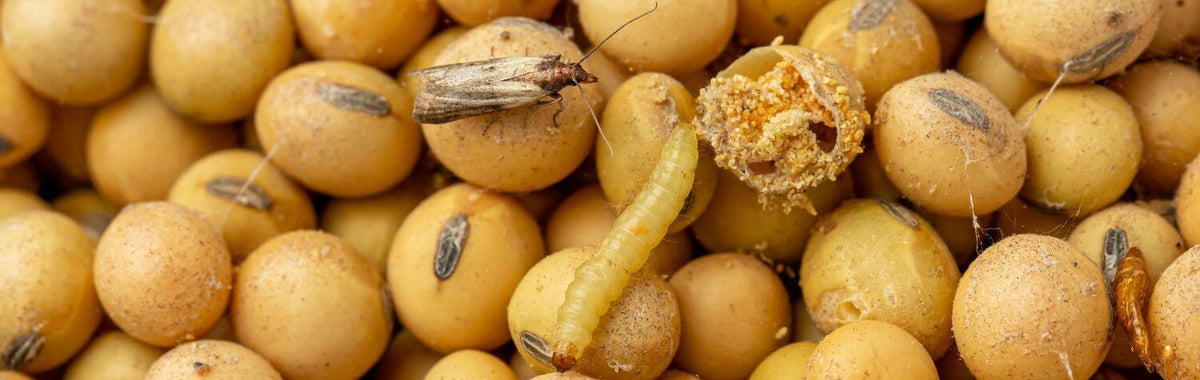
How to get rid of pantry moths naturally: What works and what doesn't
Natural pantry moth control works when each method has the right job. Learn what freezing, vinegar, cedar and essential oils can do—and what it still takes to stop an infestation.
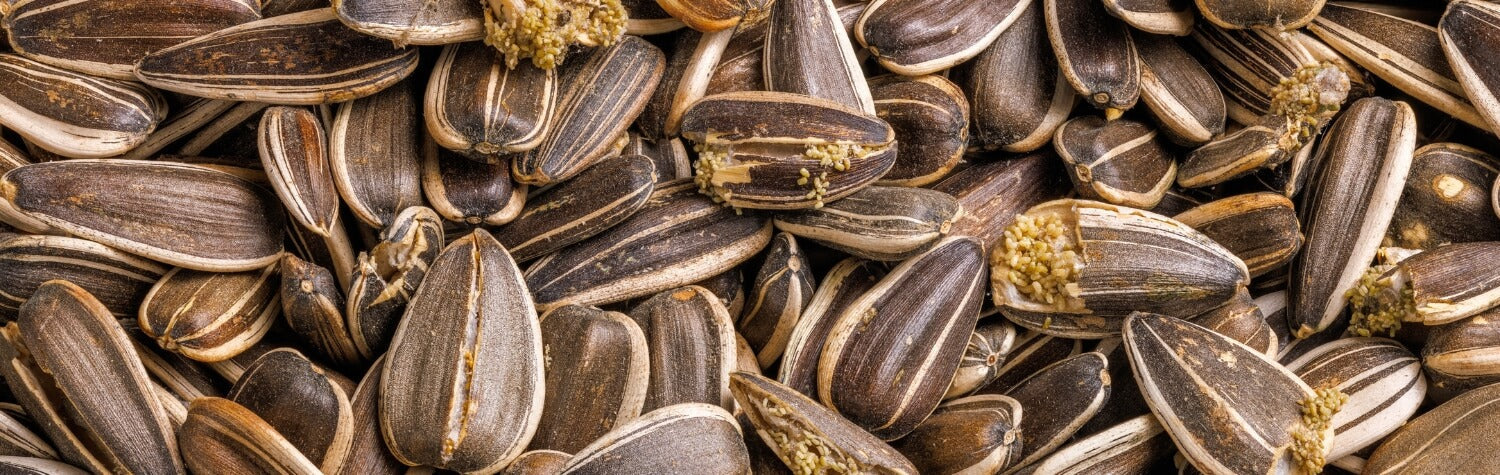
Pantry moth eggs: What they look like and what to do
Pantry moth eggs are difficult to see, so identification depends on the evidence around them. Learn how to inspect food, choose the right treatment and monitor what happens next.
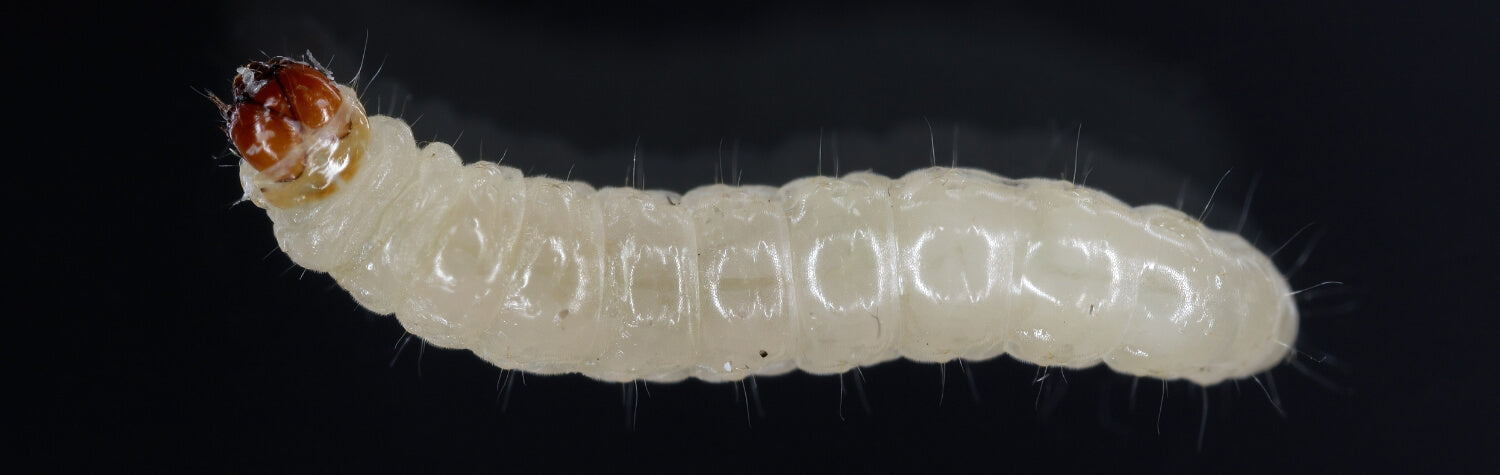
Pantry moth larvae: What they look like and how to get rid of them
Small white worms in your pantry, on a wall or even across the ceiling may be pantry moth larvae. Learn how to identify them, find their food source and break the infestation cycle.
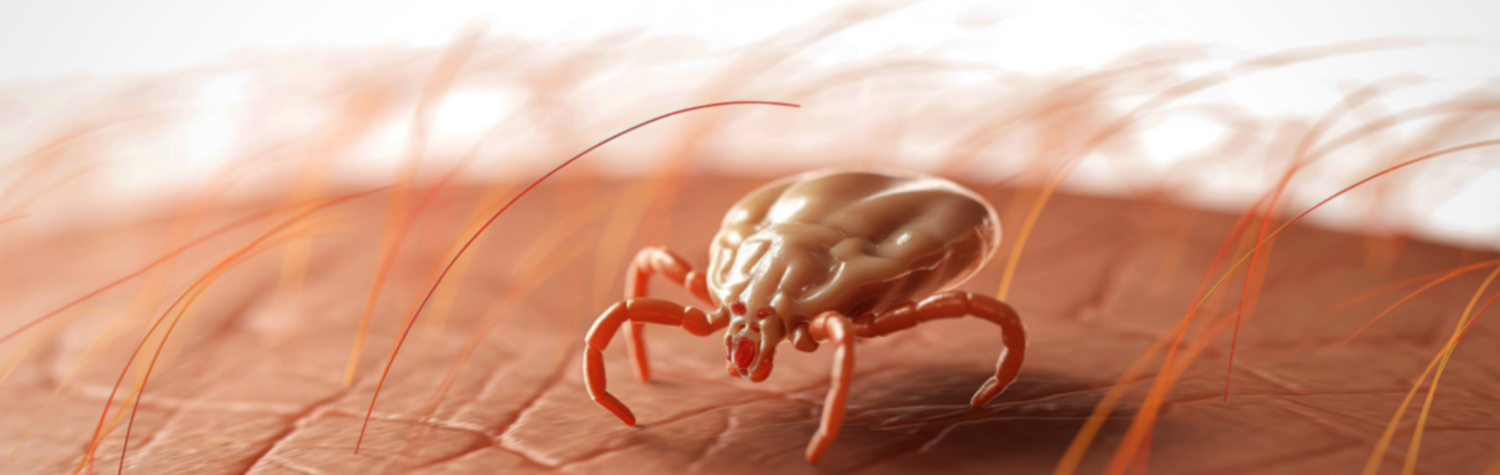
Ticks feed on a wide range of animals, but certain behaviors make some hosts more vulnerable than others. Discover which wildlife, pets and livestock are most likely to carry ticks and how to prote...
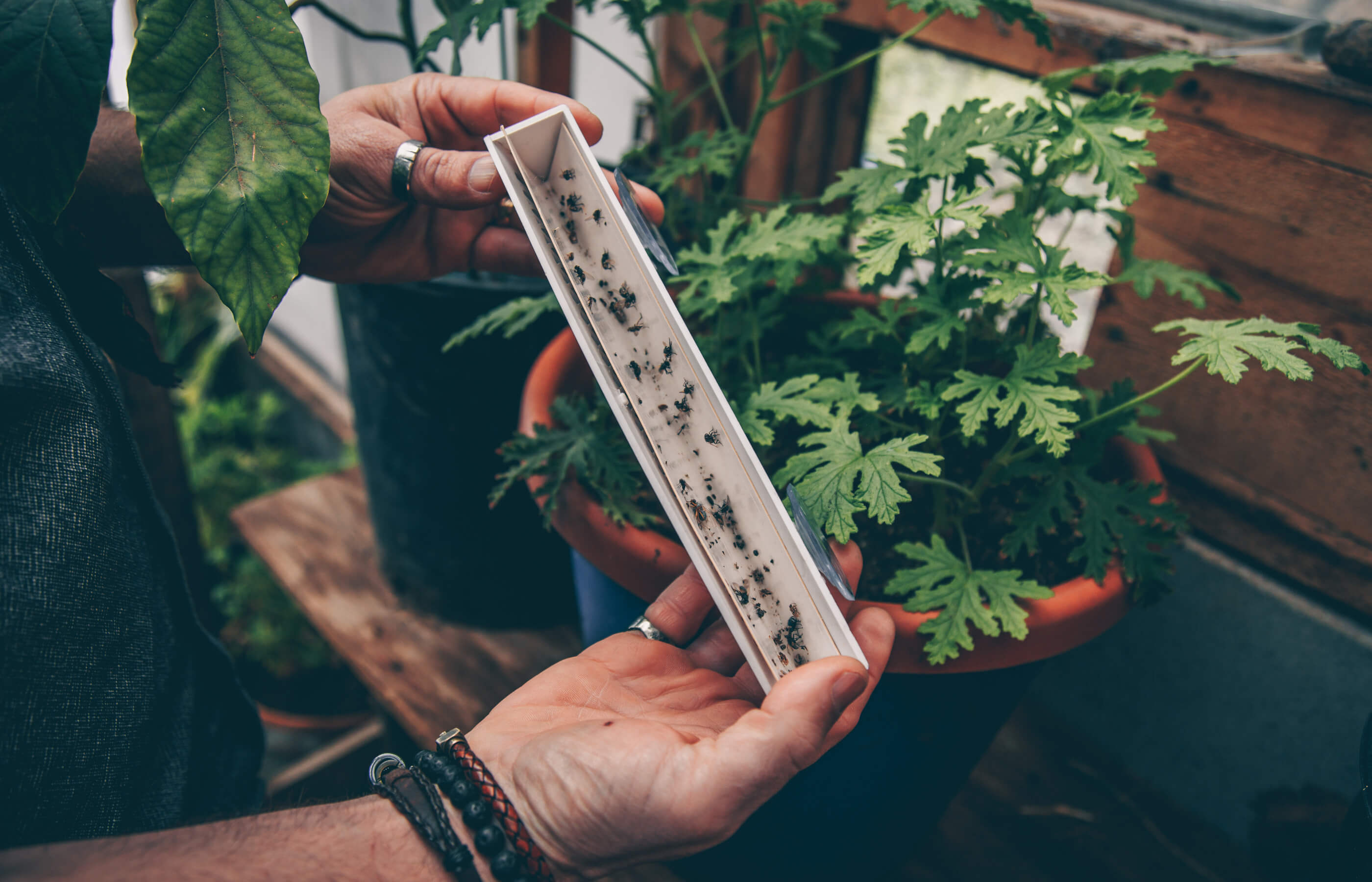
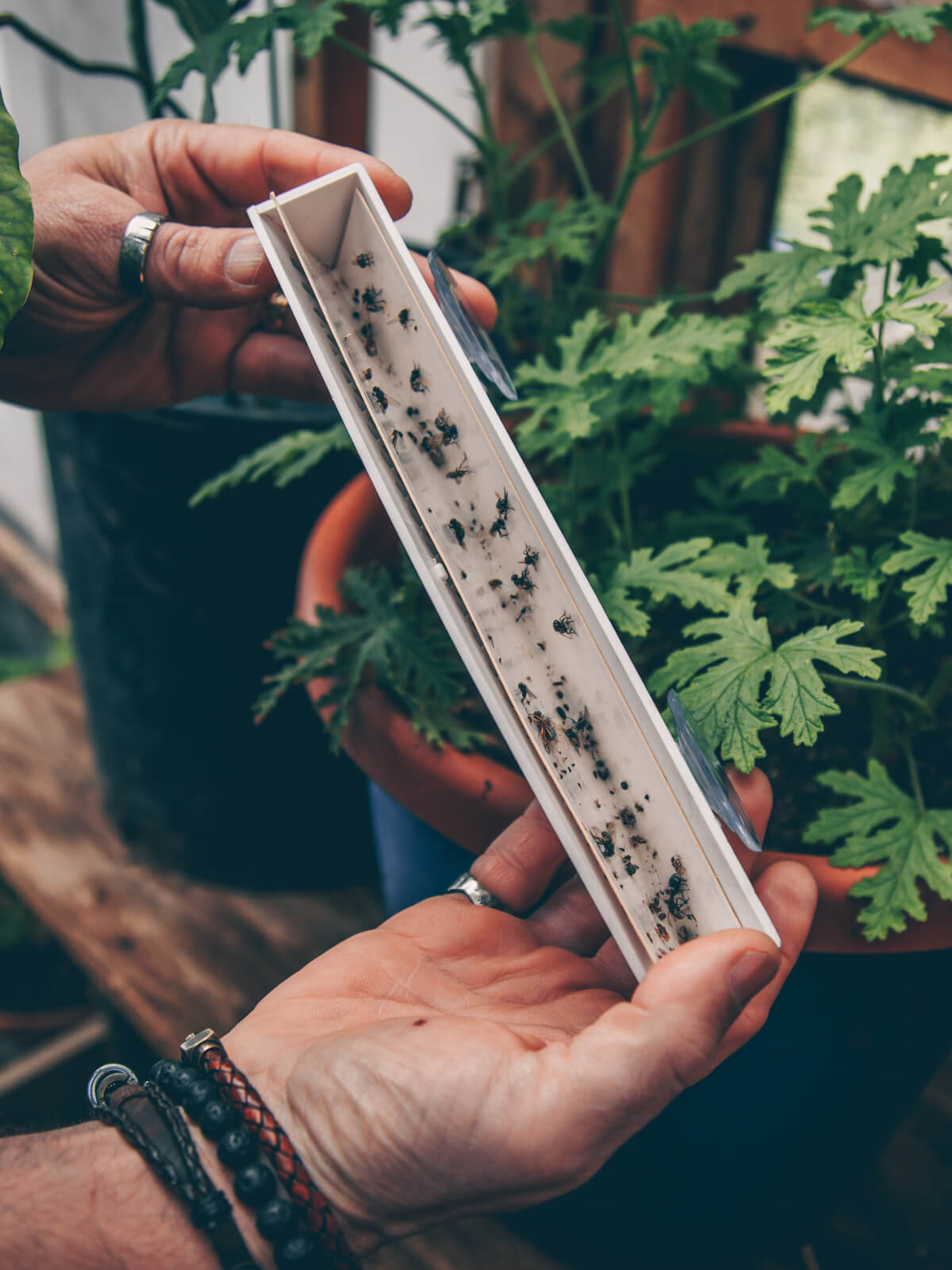
All of Dr. Killigan’s products meet the EPA's criteria for "minimum risk" pest products, meaning they are safe when used as directed to use around people, pets and plants.
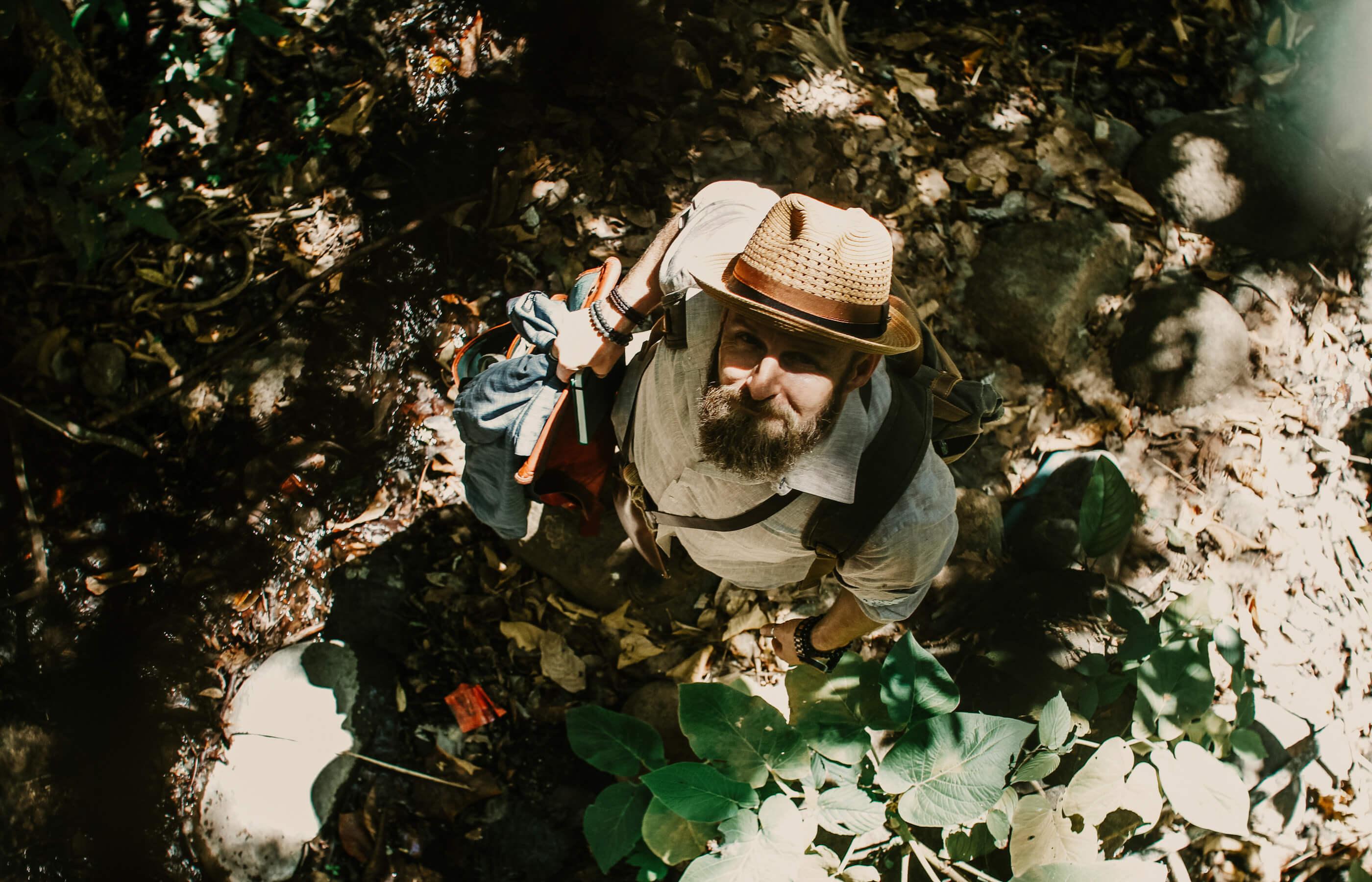

Dr. Killigan is the embodiment of our core values—Freedom, Spirit of Adventure, Excellence, Innovation, Joy and Honesty. He searches the world for the most effective pest solutions from nature, so you don't have to.


Dr. Killigan's backs every pest solution with a 100% satisfaction guarantee: if you're not completely satisfied, we'll offer a refund or replacement, no strings attached.