
You wake up to find your prize Fiddle Leaf Fig “bronzed,” your Monsteras dappled with yellow spots and your kitchen herbs covered in a mysterious, sticky silver sheen.
Stepping outside to your patio pots and raised beds, you notice curled new growth, stippled leaves, or blooms that look a little…scarred before they ever open.
The fight is already well underway.
 Red spider mite infestation on a leaf
Whether it’s the microscopic russet and broad mites hiding in plain sight on your African violets, two-spotted spider mites spinning webs over your palms or thrips burrowing deep into the flower buds of your roses and hibiscus, these pests can build a massive head start. Even your calatheas and philodendrons aren’t safe from the “cloning machines” known as aphids.
Featured in this article
Shop Dr. Killigan's Essentials


The industry standard has been to “burn everything” with harsh chemicals—but the pests are getting smarter. Harsh treatments can stress the very plants you’re trying to save (and aren’t exactly something you want to spray inside your home). And to make it worse, many of the usual go-to insecticides—especially pyrethroids—are running into documented resistance issues in common greenhouse and houseplant pest groups.
We think it’s time for a strategy that fits real life at home—without the harsh chemical fumes of traditional pesticides.
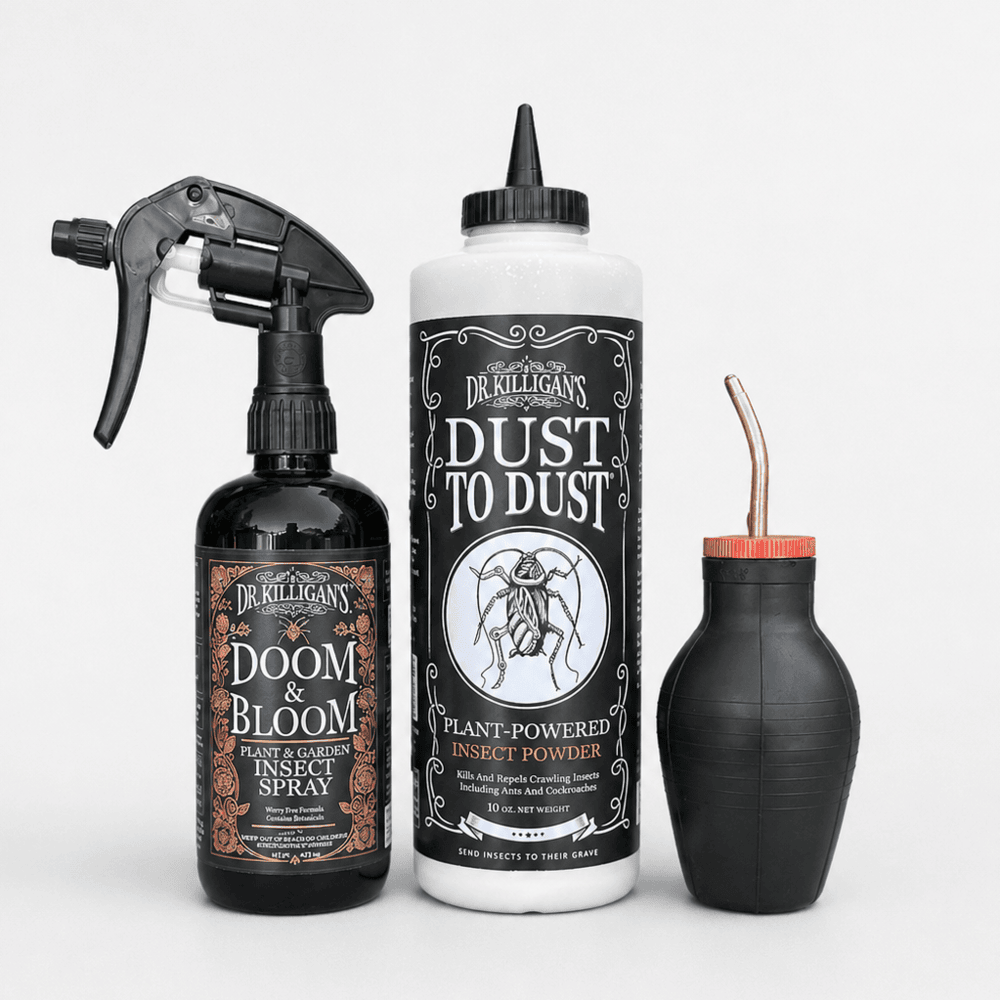
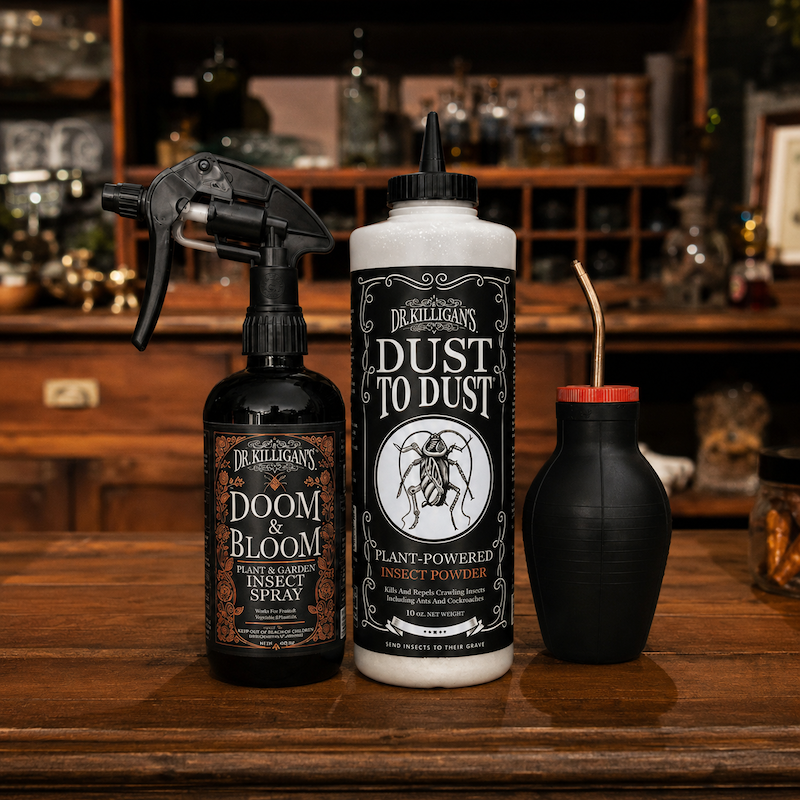
That’s why we’ve been working on something—quietly—for years. It’s called Doom & Bloom.
 Doom & Bloom
Not a scorched-earth spray. Not a “hold your breath and hope” routine.
Just a calmer, more home-friendly way to respond—designed for the spaces you actually live, including homes with kids and pets when used as directed.
The Golden Rule: Don’t wait for the wilt. In the plant world, once you see the pests, you’re already looking at loss. The key to a thriving indoor jungle (and an outdoor garden you’re proud of) is being prepared before the first hitchhiker settles in—through an open window, on a new nursery plant or on the breeze.
Want to see what we’re building before we go live? We are inviting a select group of growers and plant lovers to get early insights and “behind-the-scenes” details before the official launch. Because who doesn’t want a healthier plant?
Sign up here to get early updates + first access.
Be prepared. Don’t let the “invisible fight” catch you off guard.
— Dr. Killigan’s