
By Rachel Monroe, Guest Author
TLDR: Pantry moths often arrive as tiny eggs in dry goods—especially bulk flour, grains, nuts, and pet food—then hatch quietly in warm kitchens. The most reliable prevention is a calm routine: freeze or heat-treat riskier items, store everything airtight, wipe shelves, and use monitoring traps so problems are caught early.
Bulk shopping has a certain old-world charm: glass jars, tidy scoops, and the satisfying thud of a bag of flour placed with purpose into the cart. It also comes with a modern inconvenience that no one posts on social media: pantry moths. These small, fluttering nuisances are not a reflection of anyone’s housekeeping. They are, rather, opportunists—more like uninvited dinner guests than a moral failing.
Pantry moths most often enter a home as eggs or larvae tucked into dry goods. Once inside, a warm kitchen becomes a comfortable nursery. A single overlooked bag of nuts or a partially rolled cereal liner can provide enough shelter for the life cycle to continue in polite secrecy—until the moths appear, as if making a grand entrance at precisely the worst time.
This guide offers a refined approach for preventing pantry moths after bulk shopping, with realistic methods that fit real family life. It focuses on clean storage, gentle biology, and practical routines that help a home feel safe and well-kept—without resorting to harsh chemical sprays.
Why bulk ingredients are a common pantry moth “hitchhiking” route
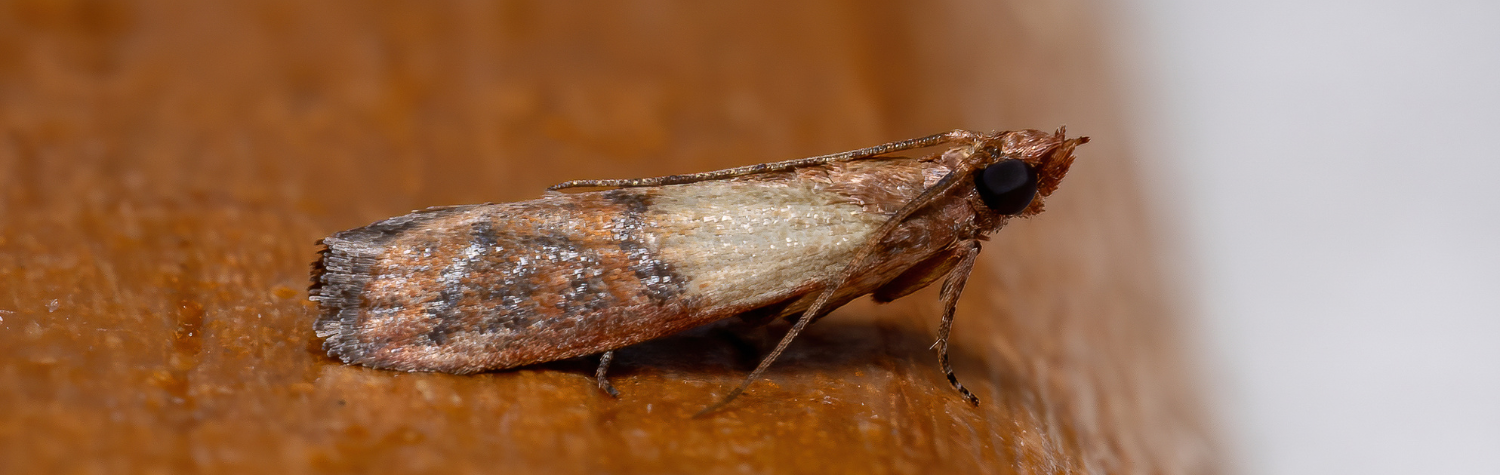
Pantry moths (often Indian meal moths) prefer dry staples: flour, oats, rice, cereal, granola, dried fruit, nuts, chocolate, spices, and pet food. The adult moth is the most visible stage, but it is also the least important one to prevent. The true mischief happens earlier, when eggs are laid on food sources and larvae begin to feed and spin webbing.
Bulk bins are not “dirty” by definition; they are simply open to the world in a way sealed factory packaging is not. Stores rotate product, but the supply chain can be long, warm, and crowded with opportunities for eggs to tag along. Once a bag of flour or a scoop of trail mix comes home, the kitchen becomes the next chapter.
For a deeper look at how pantry moths behave and why they keep returning, readers may appreciate: How to get rid of and prevent pantry moths
A quick, elegant primer on pantry moth biology (so the solution makes sense)
Pantry moth prevention is easier when the life cycle is understood:
- Eggs: Tiny, often invisible, laid on or near food sources.
- Larvae: The “worms” that feed on dry goods and create silky webbing. This is the damaging stage.
- Pupae: Often tucked into crevices, corners, shelf pinholes, or under jar rims.
- Adults: The fluttering moths signal the cycle has already progressed.
The aim is not to “fight” moths dramatically. The aim is to interrupt the cycle quietly—like closing a library book before a page is dog-eared.
Step 1: Treat high-risk bulk items before they enter the pantry
Because eggs can be present without visible signs, a simple treatment routine is the most powerful habit a household can adopt. This is especially useful for bulk purchases and any dry goods that will be stored longer than a week.
Option A: Freezing (the easiest insurance policy)
Freezing is a practical non-toxic approach that many households use for flour, grains, nuts, and dried fruit. The method is straightforward:
- Place newly purchased dry goods (in their bag, or in a sealed container) in the freezer.
- Keep them frozen for several days before moving them to pantry storage.
- Let items come to room temperature before opening the container to prevent moisture from condensing onto the food.
It is not glamorous, but neither are pantry moths. (They do not even have the decency to pay rent.)
Featured in this article
Shop Dr. Killigan's Essentials


Option B: Heat (helpful for certain items)
Some households prefer gentle heat treatment for specific dry goods. This can be useful for items that freeze poorly or when freezer space is scarce. If using heat, care should be taken to avoid altering flavor or texture, particularly for nuts and delicate grains. The goal is prevention, not culinary heartbreak.
Step 2: Upgrade storage like a Victorian pantry steward—with modern seals
Pantry moths thrive where packages remain open, folded, clipped, or “mostly closed.” Unfortunately, “mostly closed” is an invitation in moth language.
Airtight storage is the cornerstone of prevention. It reduces scent trails, limits access, and makes inspection easy. The best options tend to be:
- Glass jars with tight-sealing lids: Ideal for flour, oats, rice, and sugar.
- Thick, airtight canisters: Useful for larger volumes of cereal, pet food, or baking staples.
- Smaller containers for frequent-use items: Prevents constant opening of a large reservoir.
Thin plastic bags and cardboard boxes are not reliable barriers. Pantry moth larvae can chew through flimsy packaging, and adults can lay eggs in folds and seams. Transfer dry goods to sealed containers as soon as possible—especially bulk bin purchases.
For households building a long-term moth prevention system, browsing a curated pantry category can simplify choices: See Pantry Moth Collections
Step 3: Clean shelves the way moths actually hide (not the way people wish they hid)
When pantry moths gain traction, it is rarely in the center of the shelf. They prefer edges, seams, and crevices—the quiet architecture of a pantry. Prevention means cleaning with precision, not panic.
A calm, effective shelf reset looks like this:
- Empty the pantry section by section (no need to upend the entire kitchen at once).
- Vacuum corners, shelf pinholes, and cracks where crumbs gather.
- Wipe surfaces with warm, soapy water or a gentle vinegar solution.
- Let everything dry fully before restocking.
- Discard any items with webbing, clumping, off odors, or visible larvae.
Many infestations persist because pupae remain tucked into tiny spaces. Vacuuming is a mechanical, non-toxic tool with excellent results—especially along shelf edges and hinge corners.
Readers who want a detailed breakdown of eggs, larvae, and where they hide may find this helpful: 8 ways to outsmart pantry moths: Eggs, larvae and future prevention
Step 4: Use traps as “early warning,” not as a crutch
Traps are most powerful when used for monitoring. They can help confirm whether moths are present and reduce the number of breeding adults—but they are not a substitute for airtight storage and shelf cleaning.
One practical option many homeowners use is pheromone-based monitoring. Dr. Killigan’s offers a pantry moth trap designed for this purpose: Pantry Moth Trap (6-pack)
Placement matters. Traps work best when they are:
- Placed near the pantry (not hidden behind stacks of cans).
- Kept away from open windows or strong airflow that can dilute scent cues.
- Replaced on schedule, according to the packaging instructions.
Traps should be viewed like smoke detectors: reassuring when quiet, clarifying when they catch something, and most useful when installed before the problem becomes a household saga.
Step 5: Reduce pantry moth “fuel” with smart rotation and a few simple rules
Pantry moths flourish when food sits undisturbed. Busy households naturally accumulate half-bags and “backup” items. The trick is not to buy less; it is to store with intention.
- Date and rotate: Use older grains and flours first.
- Avoid open bag storage: Even clipped bags should be placed inside sealed containers.
- Keep crumbs scarce: Crumbs are not the main food source, but they encourage activity.
- Watch pet food: Pet kibble and treats are a common moth target. Store them airtight as well.
“But are chemical pesticides necessary?” A calm, safety-minded perspective
Many homeowners reach for conventional pesticides out of frustration, especially when moths reappear. However, many families—particularly those with children and pets—prefer to avoid routine indoor pesticide use.
When questions arise about chemical ingredients, the most responsible language remains measured. Studies from the CDC indicate that pesticide exposures can occur in residential settings, and some reports raise concerns about certain active ingredients when used improperly or too frequently. Research suggests a possible connection between higher household chemical load and irritation or sensitivity in some individuals, though outcomes vary widely and depend on dose, ventilation, and individual factors.
This is where prevention shines. It is not about fear; it is about choosing methods that are both effective and gentle: airtight containers, freezer treatment, vacuuming, and traps. Potential risks may include unintended exposure for children and pets with conventional approaches, which is why many families reserve harsher methods for situations where professional guidance is appropriate.
For readers who want a thoughtful explanation of what “non-toxic” can mean in pest control, this resource may be useful: What does plant-powered insect spray mean?
If pantry moths are already present: a realistic action plan
Seeing a moth in the kitchen does not mean defeat. It means the household is receiving information. The response can be calm and methodical.
1) Identify the source
Most infestations trace back to one or two “patient zero” items: a bag of flour, a forgotten granola, a rarely used box of specialty pasta. Look for:
- Silky webbing inside packages or along seams
- Clumped flour or grain dust that looks “threaded”
- Small larvae crawling near food or on shelf walls
2) Remove and seal
Discard heavily infested items in an outdoor bin immediately. For items that seem suspect but not visibly infested, freezing is a reasonable precaution.
3) Vacuum and wipe like a professional
Vacuum corners, hinges, shelf holes, and the pantry floor. Then wipe with warm, soapy water. This mechanical removal is one of the most effective non-toxic steps available.
4) Add monitoring traps
Use traps to confirm activity decreases over time. A trap that catches moths early can prevent the next generation from being born in the back corner behind the baking stones.
And yes—moths do love a back corner. It is their version of a pied-à-terre.
Restore Order to Your Pantry—Naturally
Pantry moths may arrive quietly, but they do not have to stay. With thoughtful storage and elegant monitoring, your flour jars, baking staples, and carefully stocked shelves can return to their proper peace.
Exclusive Reader Perk: Use code BUGBLOG at checkout for 15% OFF your order.