
By Sarah Whitman, Guest Author
TL;DR: Clothes moths rarely start in plain sight—they begin in undisturbed wool, seams, and storage folds. The most effective natural removal plan includes identifying the true source, freezing or cleaning affected garments, vacuuming crevices thoroughly, and using targeted pheromone traps to monitor activity—without relying on heavy chemical sprays.
A single moth drifting out of a closet can feel disproportionately alarming. Not dramatic—just deeply inconvenient. Especially when that closet contains wool coats, heirloom blankets, or a carefully curated row of sweaters folded with good intentions last spring.
Clothes moths are quiet pests. They do not swarm. They do not buzz. They simply settle in darkness and begin their work unnoticed. And yet, once their rhythm is understood, they are remarkably manageable.
This guide offers a calm, step-by-step method for locating the true source of clothes moths and removing them naturally—without turning a closet into a chemical experiment.
First: Confirm You’re Dealing With Clothes Moths
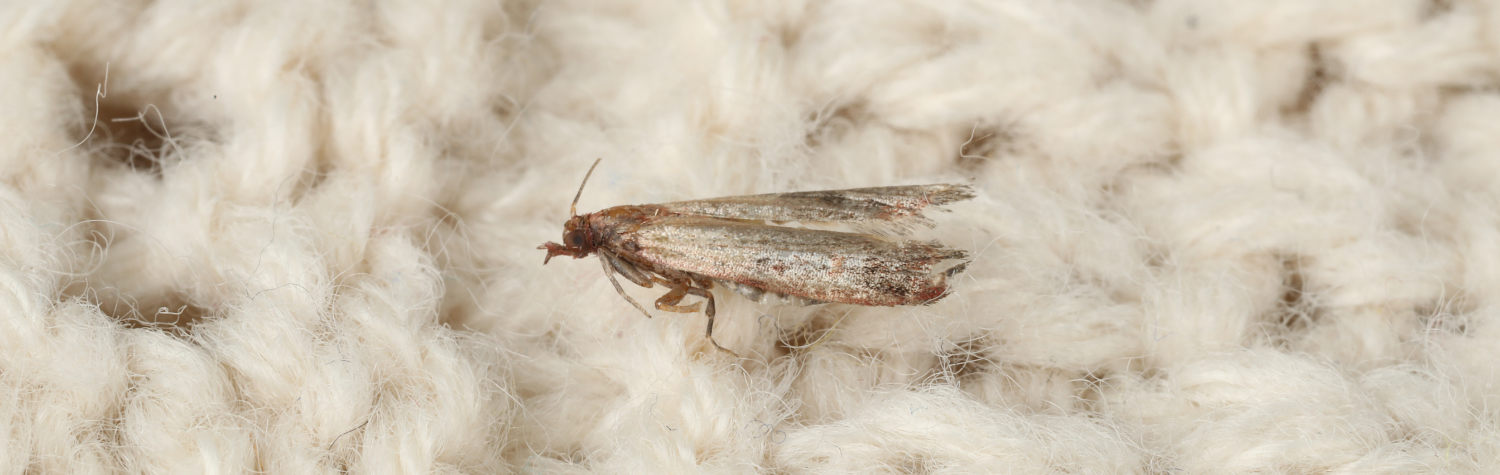
Not every small moth is a clothing moth. Pantry moths are often seen flying boldly in kitchens, while clothes moths prefer shadow and fabric.
Clothes moths are typically:
- Small and beige or buff-colored
- Reluctant flyers (they tend to flutter rather than soar)
- Seen near closets, wool storage, or under beds
The real damage is not caused by the adult moth but by the larvae—the tiny caterpillars that feed on natural fibers like wool, cashmere, silk, and felt.
For a detailed look at clothing moth behavior, readers may appreciate 12 tips on preventing a clothing moth infestation.
Step 1: Find the True Source (Not Just the Visible Garment)
Clothes moth larvae prefer quiet, undisturbed places. The obvious sweater may not be the original source.
Check:
- The folds of rarely worn wool coats
- The underside of folded sweaters
- Garment bag seams
- Storage bins with natural fiber blankets
- Rugs made of wool tucked beneath beds
- The corners and baseboards of the closet floor
Look for:
- Small, irregular holes
- Fine webbing on fabric surfaces
- Tiny sand-like droppings (frass)
- Larvae casings attached to fibers
Moths favor the hidden fold more than the exposed surface. They are creatures of discretion—unfortunately.
Step 2: Remove and Treat Affected Items
Once a source garment is identified, removal should be immediate and deliberate.
Featured in this article
Shop Dr. Killigan's Essentials


Option A: Launder or Dry Clean
Washing in hot water (when fabric allows) or professional dry cleaning can eliminate larvae and eggs.
Option B: Freezing
For delicate items, freezing offers a non-toxic alternative:
- Place the garment in a sealed bag.
- Freeze for several days.
- Allow it to return to room temperature before opening to prevent condensation.
This method is particularly useful for heirloom or structured pieces that cannot tolerate high heat.
Step 3: Vacuum Like a Detective, Not a Tourist
Closet vacuuming should focus on edges and structural details, not just open carpet.
- Baseboards and molding seams
- Shelf pinholes and bracket tracks
- Drawer joints
- Under rug edges
- Corners behind hanging garments
Larvae often pupate away from the feeding source. Vacuuming physically removes eggs and cocoons—a mechanical solution with elegant effectiveness.
Discard vacuum contents promptly outdoors.
Step 4: Use Targeted Pheromone Monitoring
Pheromone traps are not repellents. They are monitoring tools designed to attract and capture adult male moths, reducing mating opportunities and providing early warning of ongoing activity.
One refined option is Premium Clothing Moth Traps, designed specifically for wardrobes and storage areas.
Place traps:
- At eye level inside closets
- Near garment storage bins
- In areas where moths have been observed
They serve as sentries rather than weapons—quietly informing you whether the lifecycle has been interrupted.
For a broader look at clothes moth history and behavior, this historical perspective on clothing moths adds surprising context.
Step 5: Rebuild the Closet With Prevention in Mind
Once activity subsides, rebuilding storage correctly is essential.
- Wash garments before seasonal storage (moths prefer worn fibers).
- Store woolens in breathable but sealed garment bags.
- Avoid long-term cardboard storage.
- Maintain airflow in closets to reduce still humidity.
For households seeking curated wardrobe protection tools, the Clothes Moth Control Collection offers targeted solutions for fabric care. Those exploring plant-based pest control more broadly may browse the Moths Collection for additional support options.
Why Many Families Avoid Heavy Chemical Closet Treatments
Closets are intimate spaces. Fabrics rest against skin. Blankets wrap children. Garments brush against faces.
Many homeowners hesitate to apply conventional pesticides directly in wardrobe areas for this reason. Studies from the CDC indicate that pesticide exposures can occur in residential environments. Some reports raise concerns about certain active ingredients when used improperly or too frequently. Research suggests a possible connection between higher indoor chemical load and irritation or sensitivity in some individuals, though outcomes vary widely and depend on dosage and ventilation.
Potential risks may include lingering residues on fabrics stored in enclosed spaces.
This is why mechanical removal, freezing, cleaning, and pheromone monitoring are often preferred first-line strategies.
For a thoughtful overview of non-toxic approaches, this article on refined pest control methods offers perspective.
Protect What You’ve Carefully Collected—Naturally
Clothes moths may favor dark folds and forgotten corners, but your wardrobe does not have to surrender to them. With careful inspection, thoughtful storage, and targeted pheromone monitoring, closets can remain elegant, organized, and confidently maintained—without heavy chemical sprays.
Exclusive Reader Perk: Use code BUGBLOG at checkout for 15% OFF your order.