
By Caroline Whitaker, Guest Author
TL;DR: American cockroaches—often called “water bugs”—are drawn to moisture, warmth, and hidden entry points in kitchens and basements. Long-term control depends on drying damp areas, sealing gaps, and using targeted plant-based tools rather than heavy indoor chemicals. With thoughtful prevention, even large roaches can be managed calmly and effectively.
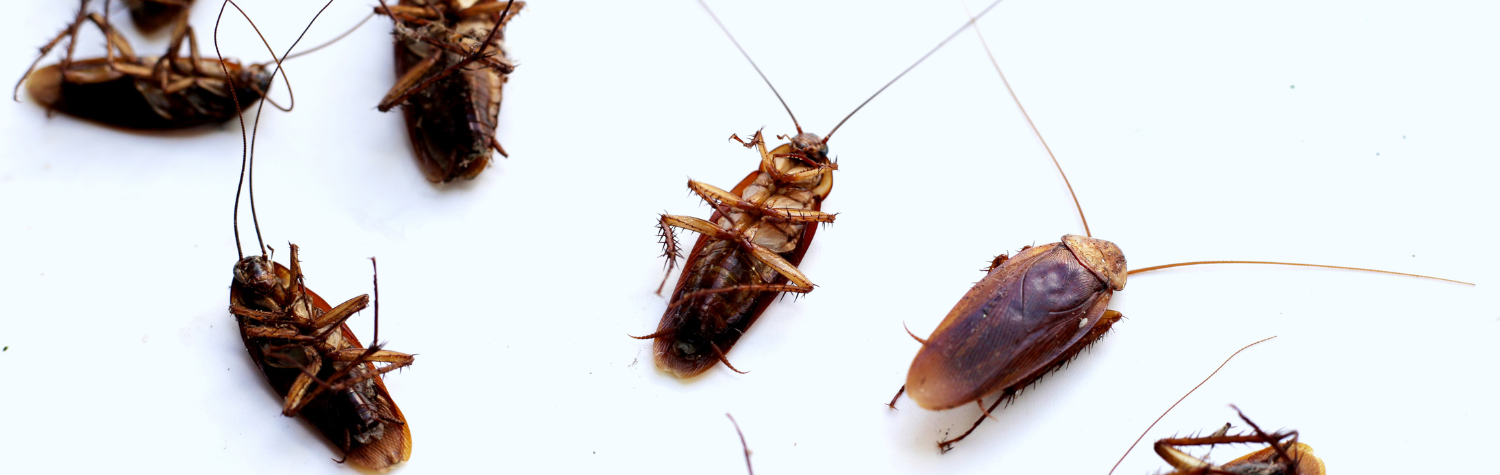
Few household discoveries feel quite as theatrical as a large, reddish-brown cockroach gliding across a basement floor. The size alone tends to elevate the moment. In kitchens and lower levels, American cockroaches—often misidentified as “water bugs”—create an outsized sense of alarm.
Yet understanding their habits reveals something reassuring: these insects are opportunists, not permanent residents. They are drawn indoors by moisture, warmth, and accessible entry points. Remove those conditions, and the appeal fades considerably.
This guide offers a clear, non-toxic path forward for homeowners who want results without saturating living spaces in harsh chemicals. Because kitchens and basements are not merely rooms—they are gathering places, laundry hubs, storage archives, and sometimes the unofficial snack headquarters of the household.
What Are American Cockroaches (and Why Are They in the Basement)?
American cockroaches are among the largest common household roaches in North America. They prefer warm, humid environments and often enter through sewer lines, drain systems, foundation cracks, or gaps around utility pipes.
Unlike German cockroaches, which multiply rapidly inside kitchens, American cockroaches typically originate outdoors or in sewer systems. Basements, crawl spaces, boiler rooms, and utility closets provide the warmth and moisture they favor.
Kitchens become secondary targets—especially when plumbing leaks, condensation, or food residue provide additional resources.
Their presence does not necessarily signal poor housekeeping. It signals access.
Step 1: Remove Moisture—the Real Magnet
If American cockroaches had a design preference, it would be humidity.
- Repair leaking pipes under sinks.
- Seal gaps around dishwasher and refrigerator lines.
- Run dehumidifiers in basements where condensation lingers.
- Ensure sump pumps and floor drains function properly.
- Dry mop floors after spills instead of letting moisture sit.
Basements in particular can feel damp even when visibly clean. A dehumidifier set to maintain balanced humidity often makes a measurable difference in insect activity.
Water is their invitation. Remove it, and the guest list shrinks.
Step 2: Seal Entry Points at Foundation Level
Large cockroaches rarely materialize from nowhere. They enter through structural vulnerabilities:
- Cracks in foundation walls
- Gaps around utility lines
- Loose door sweeps
- Unsealed basement windows
- Open weep holes without mesh guards
Caulking small cracks and installing tight-fitting sweeps at exterior doors often prevents recurring sightings. Even a narrow opening beneath a threshold can function as a quiet corridor.
Exclusion is not glamorous, but it is remarkably effective. It is also far more elegant than chasing insects after they are already inside.
Step 3: Clean Strategically, Not Frantically
American cockroaches are not as drawn to open cereal boxes as some smaller species. However, they will exploit food residue where available.
- Wipe cabinet edges and baseboards regularly.
- Vacuum crumbs beneath appliances.
- Store dry goods in airtight containers.
- Take trash out nightly in warm months.
Food and moisture together create a compelling habitat. Remove one—or ideally both—and the appeal diminishes.
For additional guidance on broader kitchen prevention, this overview of household pest control strategies offers helpful parallels in sealing and sanitation.
Plant-Based Control for Active Sightings
When an American cockroach is already present indoors, immediate action may be necessary. Mechanical removal—such as vacuuming—is often the simplest response.
For targeted treatment along baseboards, basement perimeters, or under-sink cavities, some homeowners prefer plant-powered options designed for indoor use. One example is Six Feet Under Non-Toxic Insect Spray, formulated for application according to label instructions.
Used judiciously and as part of a broader system, plant-based sprays can support active management without introducing persistent synthetic residues into living areas.
They are not substitutes for sealing and drying—but they can be supportive tools in the overall strategy.
Why Many Families Avoid Heavy Indoor Roach Sprays
Kitchens and basements often connect directly to HVAC systems, storage areas, and living spaces. Some conventional insecticides are formulated for aggressive knockdown, yet health agencies have acknowledged that pesticide exposure can occur within enclosed residential environments, especially when ventilation is limited.
Various reports have noted concerns surrounding repeated or improper indoor application of certain active ingredients. Research exploring cumulative household chemical exposure suggests possible links to irritation or sensitivity in some individuals, depending on dose and airflow conditions.
Potential concerns may include residue settling on floors, cabinetry, and surfaces where children and pets spend time.
This is why many households reserve stronger chemical interventions for severe infestations and instead emphasize prevention and targeted non-toxic alternatives.
For deeper context on what defines a non-toxic approach, this explanation of non-toxic insect spray clarifies important distinctions.
Basement-Specific Strategies for Long-Term Control
Basements require slightly different attention than kitchens.
- Store cardboard boxes off the floor using shelving.
- Replace damp cardboard with sealed bins.
- Install tight-fitting vent covers.
- Keep floor drains clean and flushed periodically.
- Inspect sump pump pits for accessible gaps.
American cockroaches prefer quiet, undisturbed zones. Reducing clutter removes hiding spaces and simplifies monitoring.
And while it may be tempting to treat the entire basement like a battlefield, restraint often produces better results. These insects respond more predictably to habitat modification than to indiscriminate spraying.
When to Consider Broader Prevention Tools
Homes in humid climates or near sewer systems may benefit from a more comprehensive prevention system.
The complete collection offers tools for households seeking a cohesive, non-toxic strategy across multiple pest concerns.
Those specifically interested in plant-powered interior support can explore options within the Natural Bug Killers Collection, where products are designed to align with safety-minded homekeeping.
American cockroaches are large, yes. They are not invincible.
How to Tell If the Problem Is Structural
Occasional sightings—particularly after heavy rain—may indicate outdoor entry rather than indoor breeding.
Repeated appearances near drains, sump pits, or utility lines may signal moisture issues requiring repair.
Multiple daytime sightings, especially in kitchens, could indicate a larger population that warrants professional assessment.
In most homes, however, improved sealing and humidity control significantly reduce activity within one season.
Keep Large Water Bugs Out—Naturally
Moisture control, structural sealing, and targeted plant-based support offer a balanced way to manage American cockroaches without harsh indoor sprays.
Exclusive Reader Perk: Use code BUGBLOG at checkout for 15% OFF your order.
Get 15% OFF Six Feet Under