

How to stop moths from eating your quilts | Non-toxic

Filters

Sort by:

A quilt is a mix of fabrics. It is the wool batting, or any wool and silk in the top, that clothing moths are after, not the cotton. Heirloom quilts are especially worth protecting, since damage to an old one cannot be undone. The good news: a clean quilt in breathable storage, with a little cedar and a trap nearby, stays safe without mothballs.

Why moths get into quilts

Clothing moth larvae feed on keratin, the protein in wool and silk, so a quilt with wool batting or wool patchwork is on the menu. They are most drawn to bedding stored unwashed, since body oils and warmth make it appealing. A quilt folded away for a season in a dark chest or closet is a prime spot, and damage often starts along the folds, out of sight. (More on the how and why: How to get rid of clothing moths and Are clothing moth issues on the rise.)

How to protect your quilts the non-toxic way

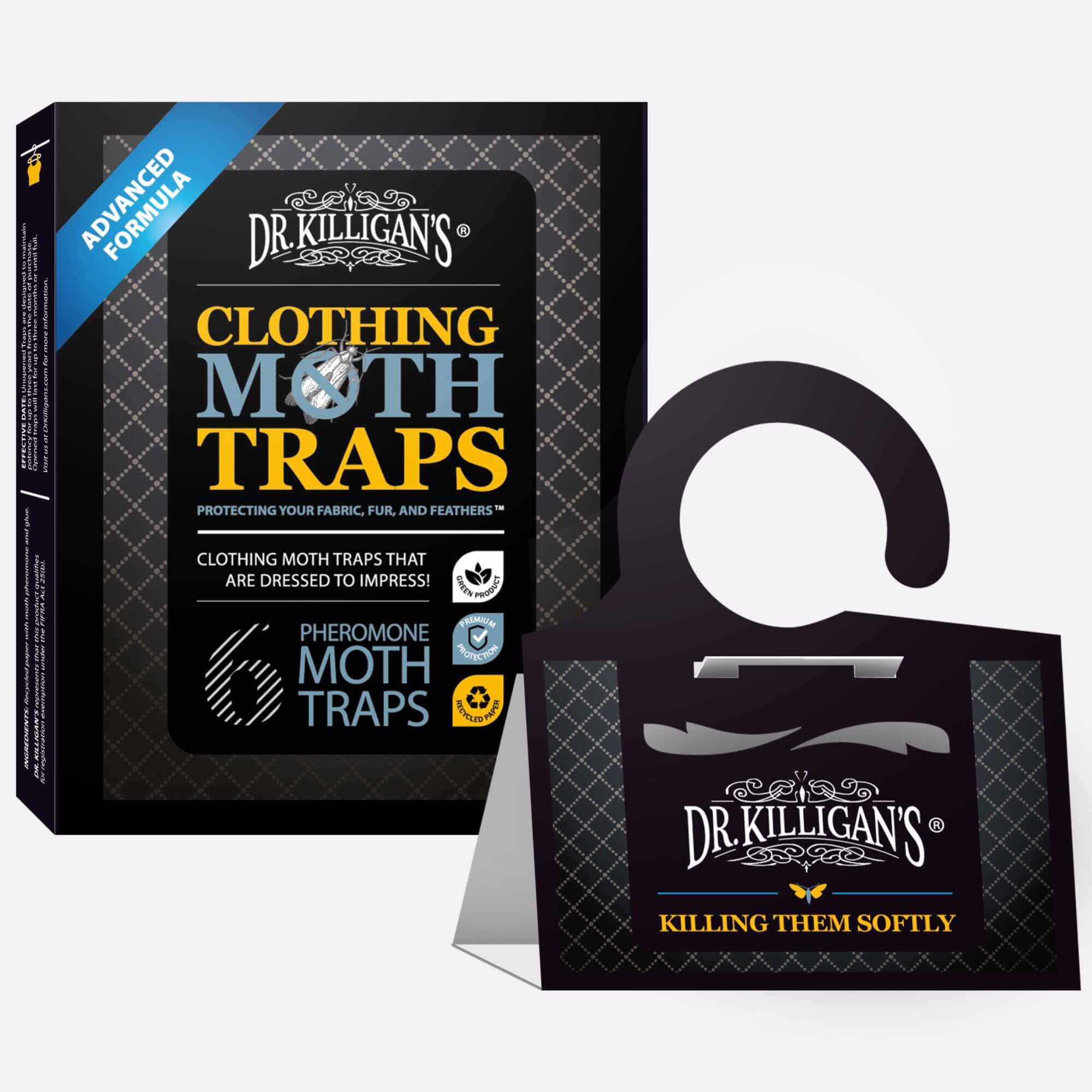
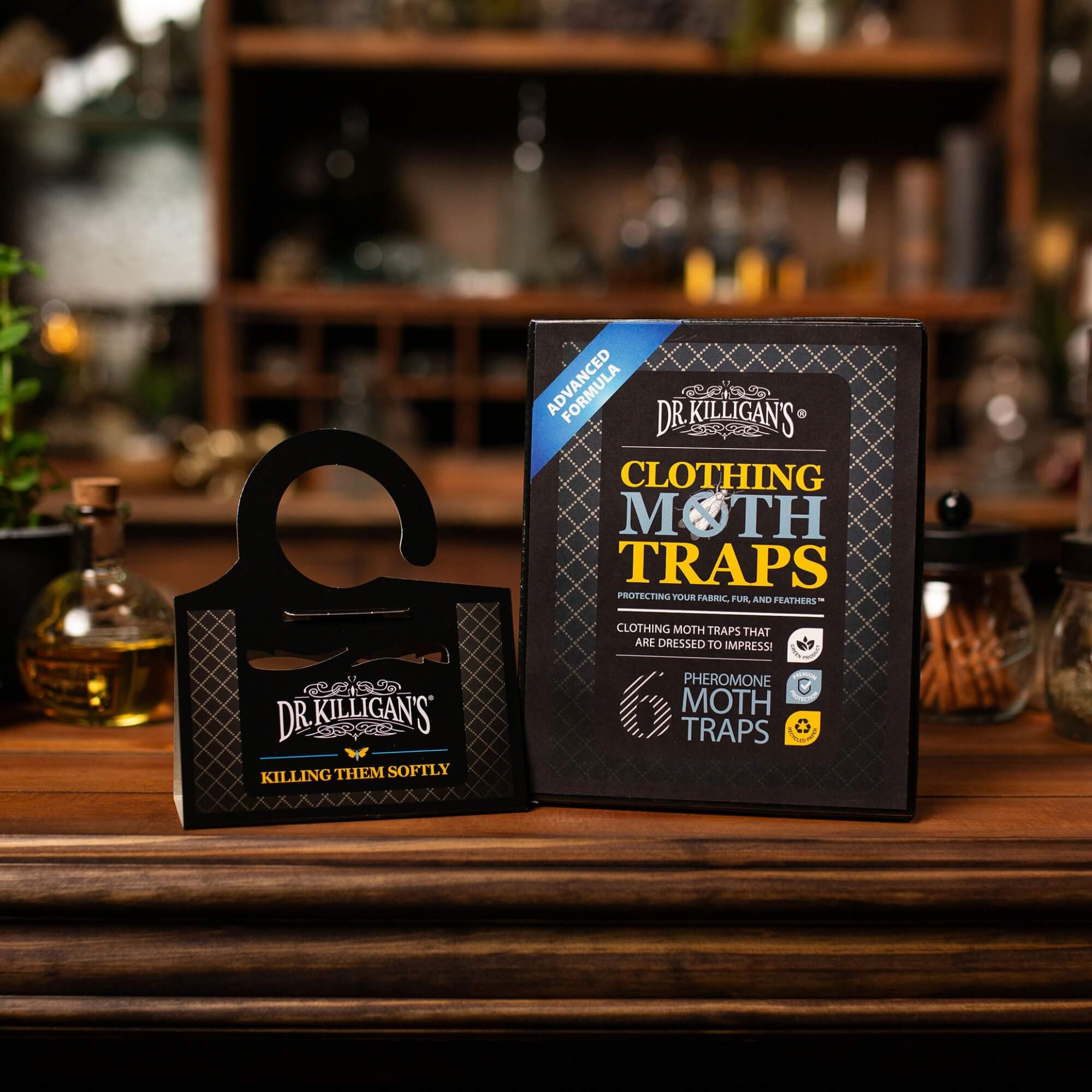
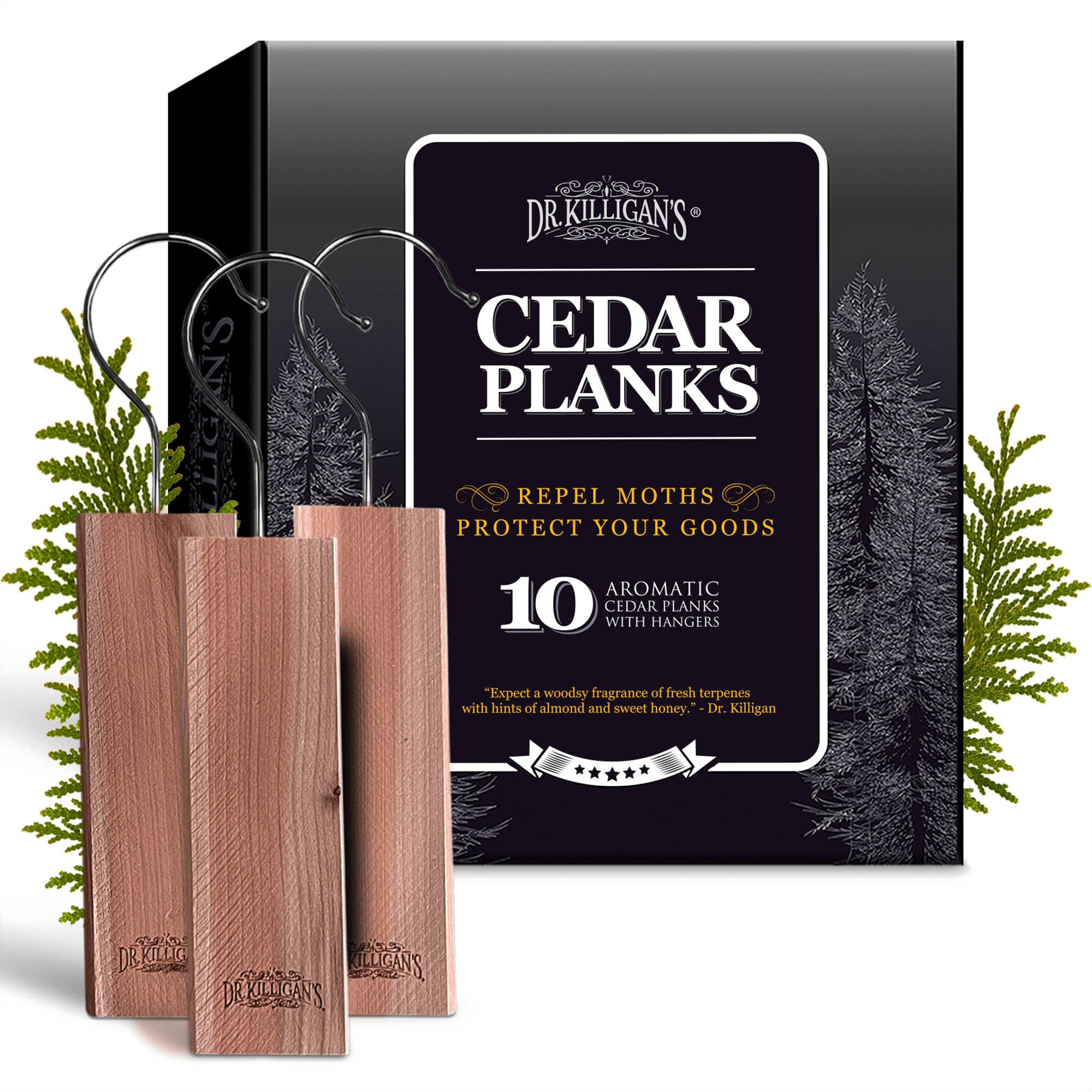
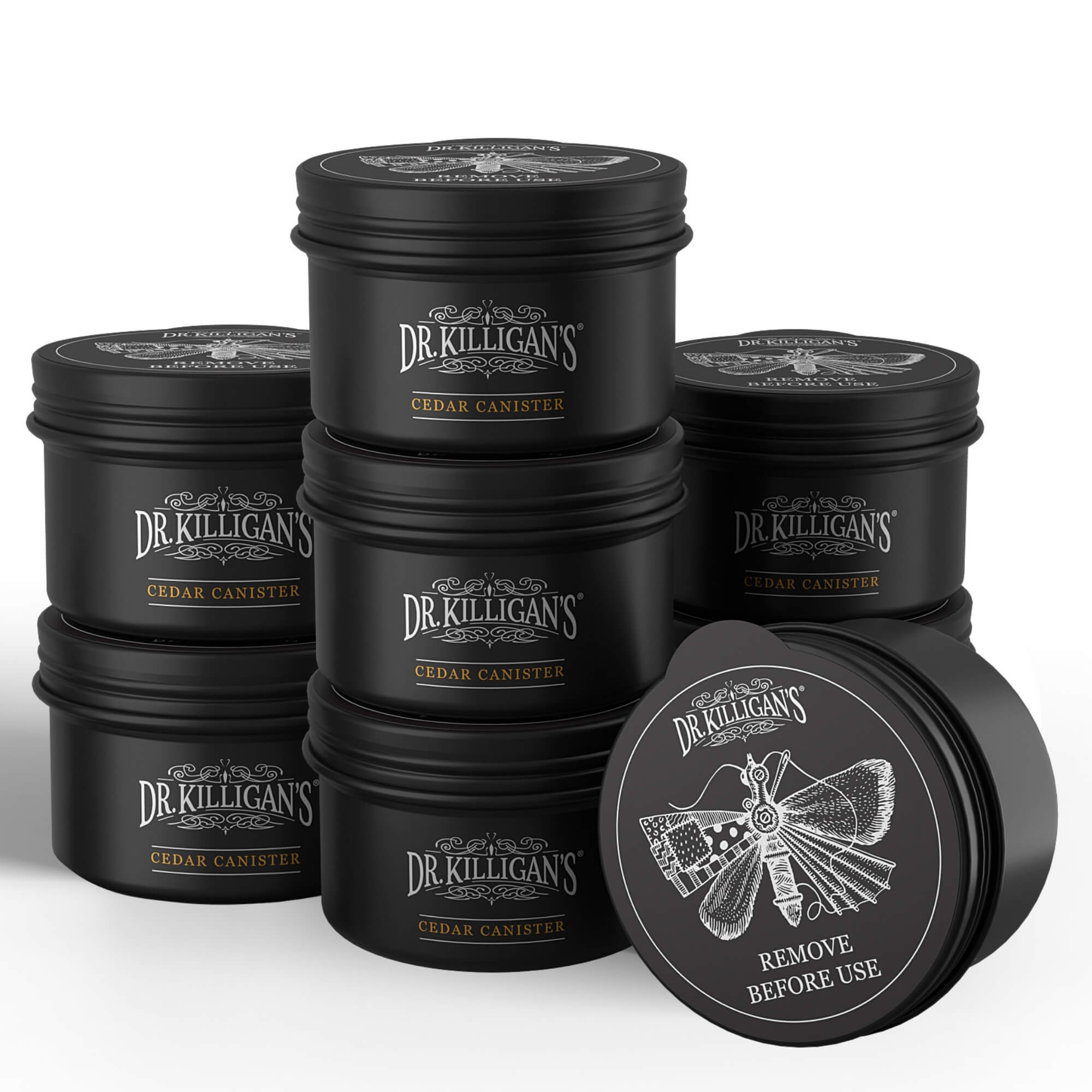
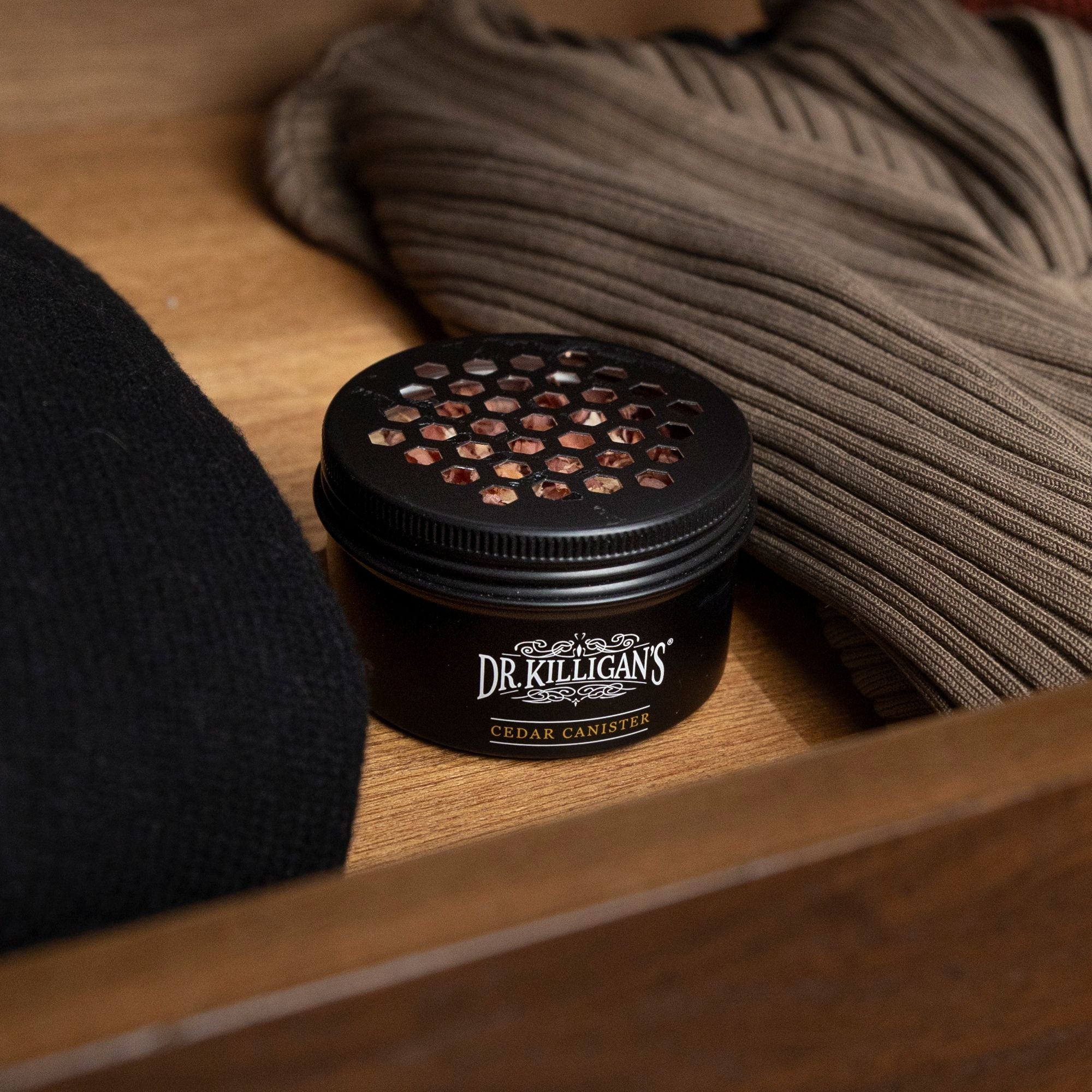
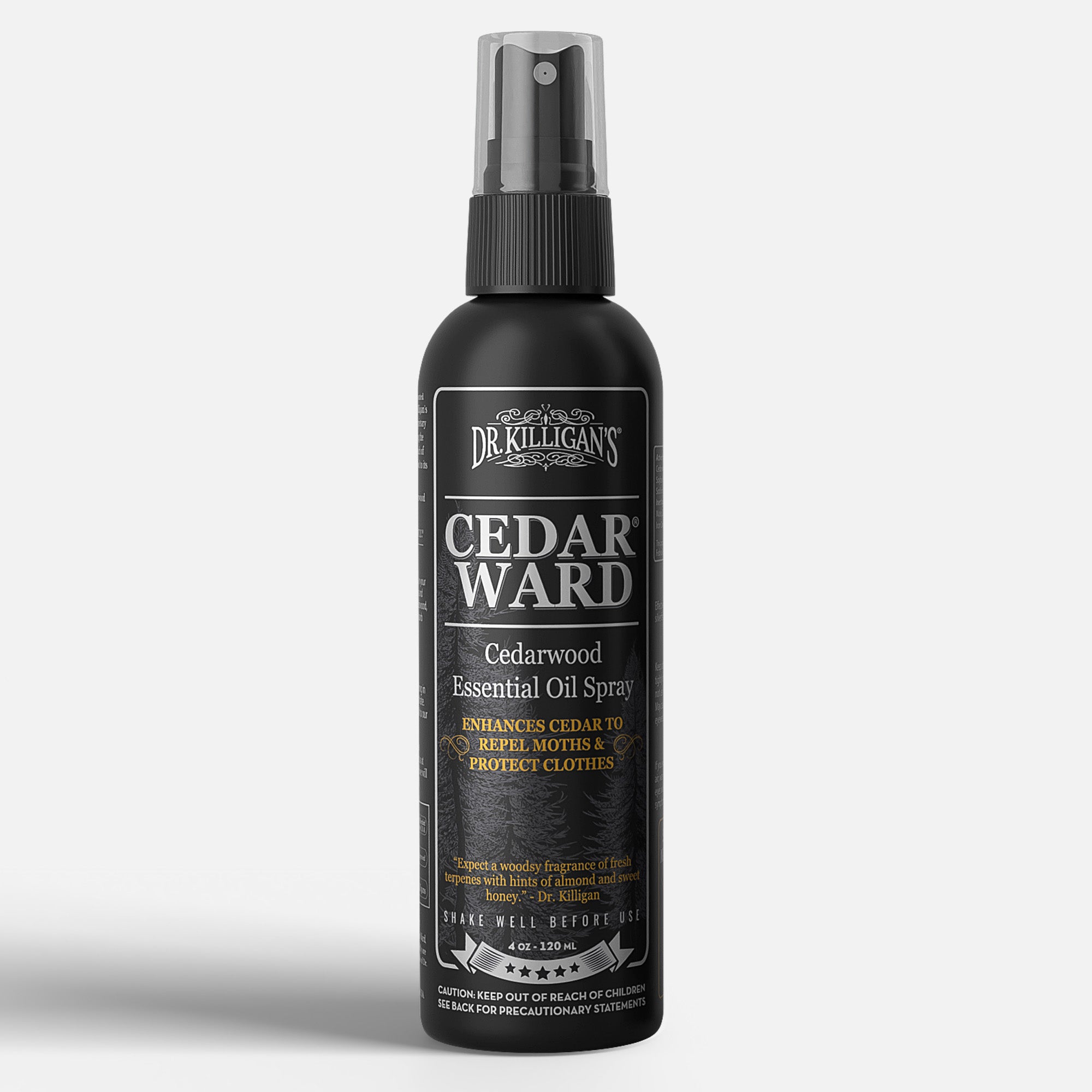
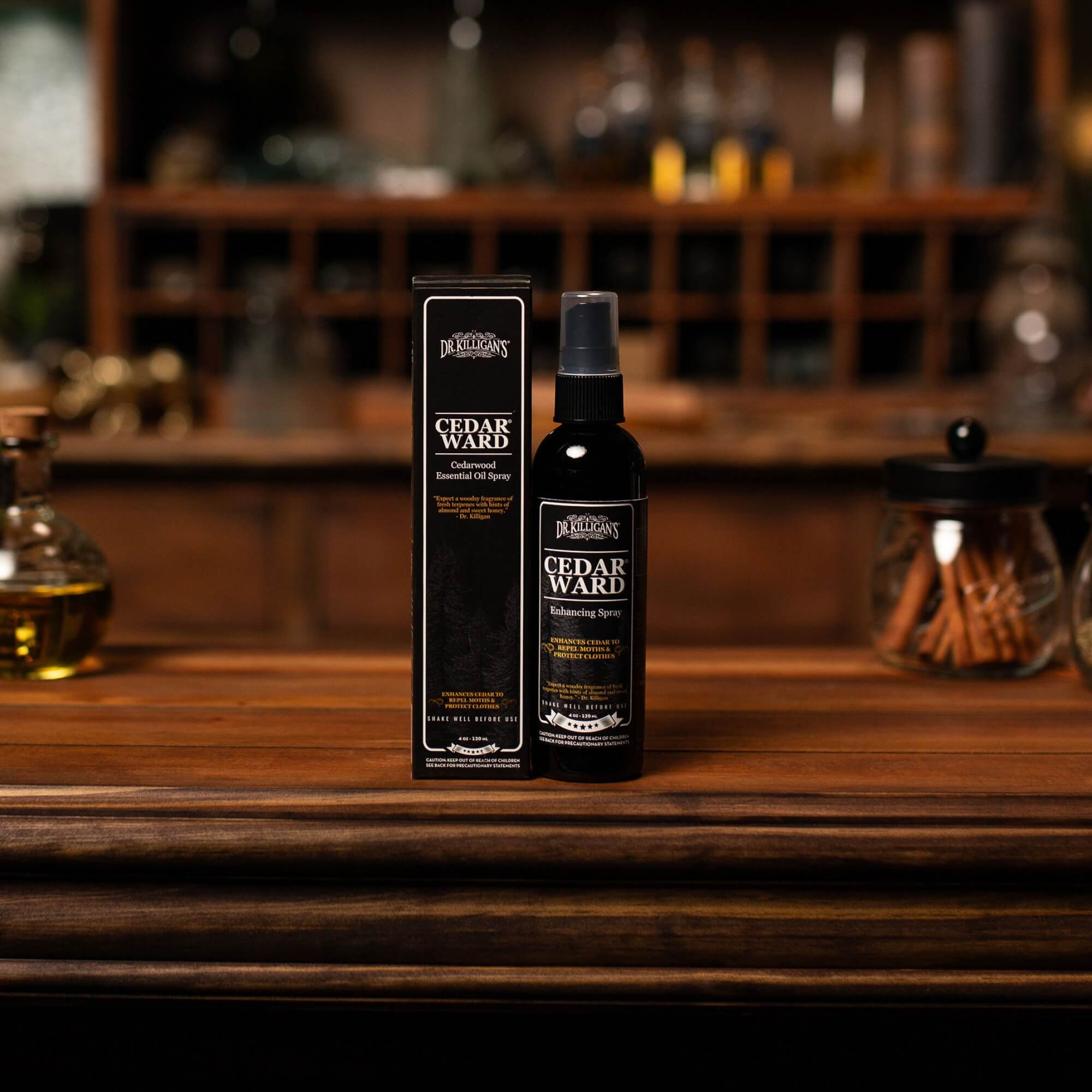
Wash or air a quilt before you store it, so no oils or food traces are left behind. Store it in a breathable cotton bag or a clean cotton sheet rather than sealed plastic, which traps moisture and can mildew natural fibers; for an heirloom, layer it with acid-free tissue. Keep a Clothing Moth Trap in the storage spot to catch the males and flag activity. Tuck a Cedar Chips canister in with the quilt, where the sealed canister repels moths without the cedar touching the fabric. Keep Cedar Planks in the chest or on the shelf nearby, refreshing both with Cedar Ward as the scent fades. Refold it a different way now and then so it airs out. If you suspect eggs or larvae, seal it in a bag and freeze it at 0°F for about two weeks.

Protect your quilts

  • Store it clean: wash or air the quilt before putting it away.
  • Let it breathe: a cotton bag or sheet, not sealed plastic; acid-free tissue for heirlooms.
  • Cedar in with it: tuck a Cedar Chips canister in with the quilt (the canister keeps cedar off the fabric), with Cedar Planks nearby, refreshed by Cedar Ward.
  • Monitor and treat: keep a Clothing Moth Trap nearby; refold now and then, then freeze a suspect quilt at 0°F for about two weeks.

Related: How to protect wool from moths and How to stop moths from eating your silk clothing.

Shop non-toxic clothing moth control → browse the full Clothing moth collection.

Field Notes from the Doctor's Journal

The Blog

View all
Pantry Moth

How to get rid of pantry moths naturally: What works and what doesn't

Natural pantry moth control works when each method has the right job. Learn what freezing, vinegar, cedar and essential oils can do—and what it still takes to stop an infestation.
Pantry Moth Eggs

Pantry moth eggs: What they look like and what to do

Pantry moth eggs are difficult to see, so identification depends on the evidence around them. Learn how to inspect food, choose the right treatment and monitor what happens next.
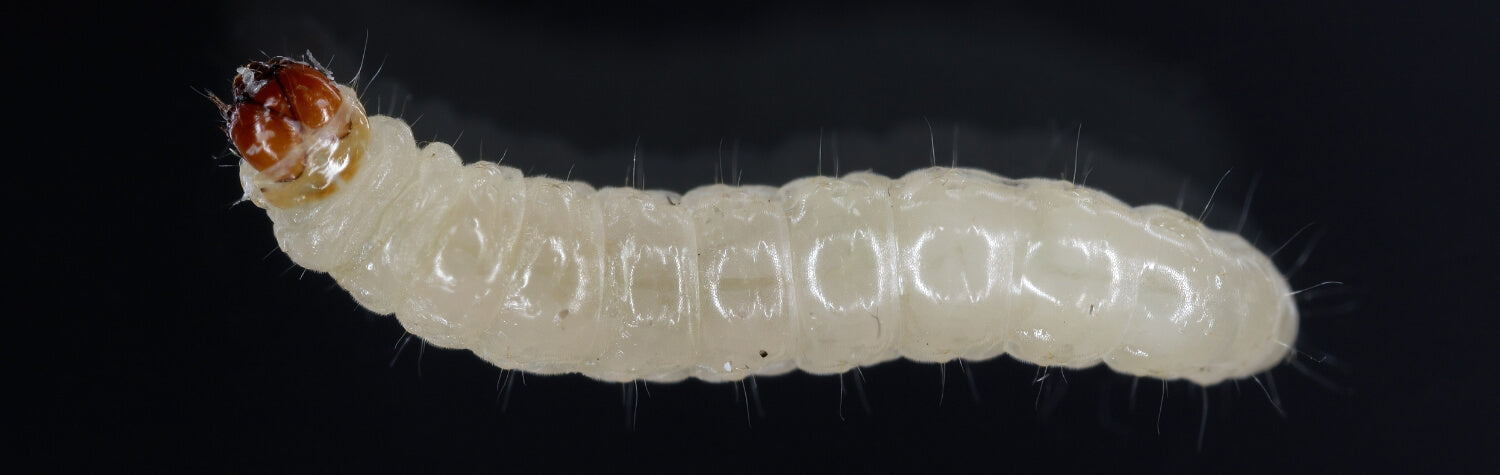
Pantry Moth Larvae

Pantry moth larvae: What they look like and how to get rid of them

Small white worms in your pantry, on a wall or even across the ceiling may be pantry moth larvae. Learn how to identify them, find their food source and break the infestation cycle.

Tick on human skin

What animals get ticks?

Ticks feed on a wide range of animals, but certain behaviors make some hosts more vulnerable than others. Discover which wildlife, pets and livestock are most likely to carry ticks and how to prote...


Spring Home

How to keep bugs out of the house

Bug problems start at the edge of your home. Learn how to stop them early, apply perimeter pest control with confidence and build a stronger barrier with Barricade.

Winter home

Where do earwigs go in winter (and why they show up indoors)

Wondering where earwigs go in winter? Here’s why they reappear indoors, what cold weather changes and what to do to prevent repeat sightings.

No harsh chemicals

All of Dr. Killigan’s products meet the EPA's criteria for "minimum risk" pest products, meaning they are safe when used as directed to use around people, pets and plants.


About Dr. Killigan

Dr. Killigan is the embodiment of our core values—Freedom, Spirit of Adventure, Excellence, Innovation, Joy and Honesty. He searches the world for the most effective pest solutions from nature, so you don't have to.


Satisfaction, guaranteed

Dr. Killigan's backs every pest solution with a 100% satisfaction guarantee: if you're not completely satisfied, we'll offer a refund or replacement, no strings attached.