


Save Up to 33% this black friday. Offer ends 12/2

How to Kill Silverfish

Filters

Sort by:

3 products

Up to 38% Off
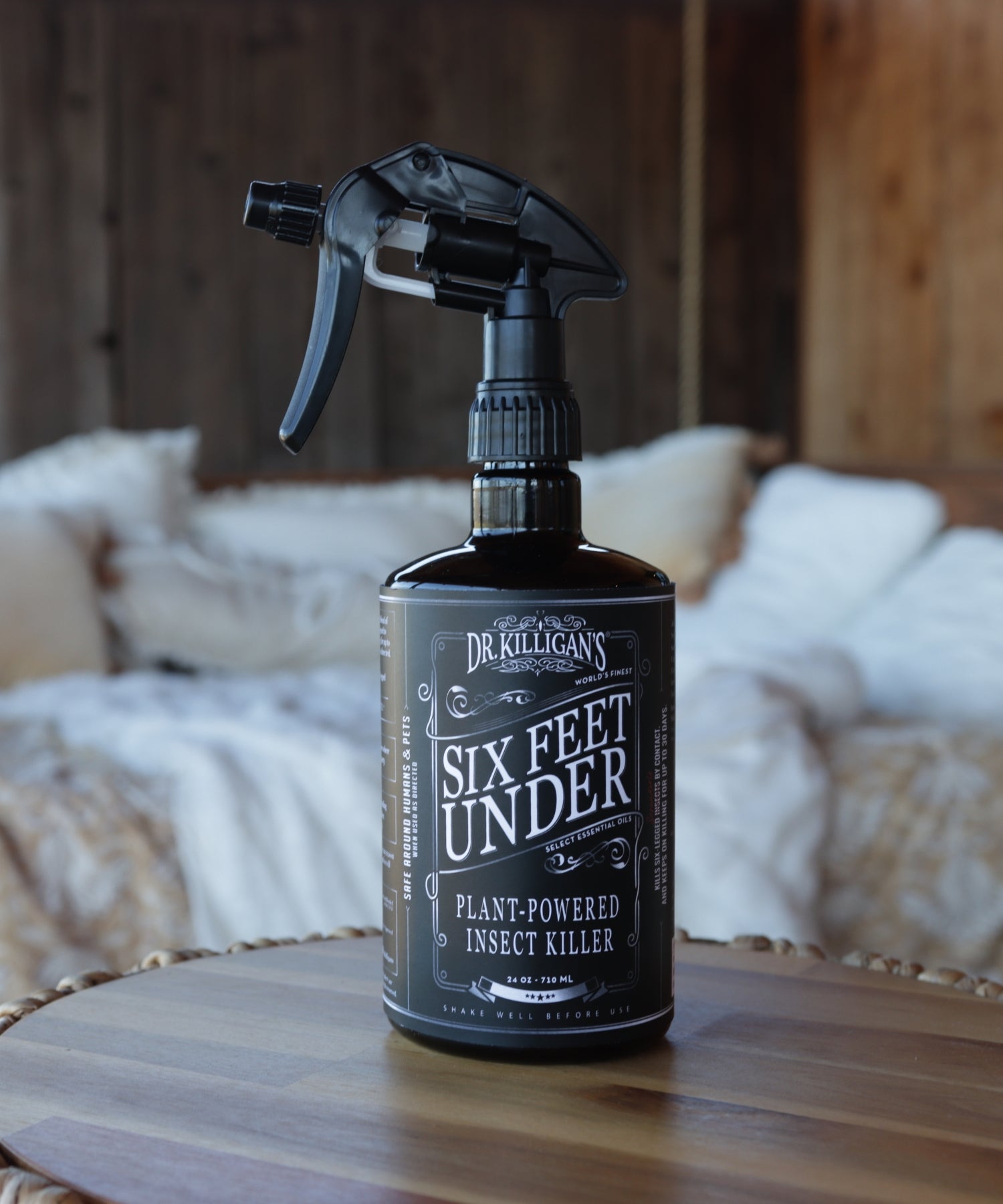
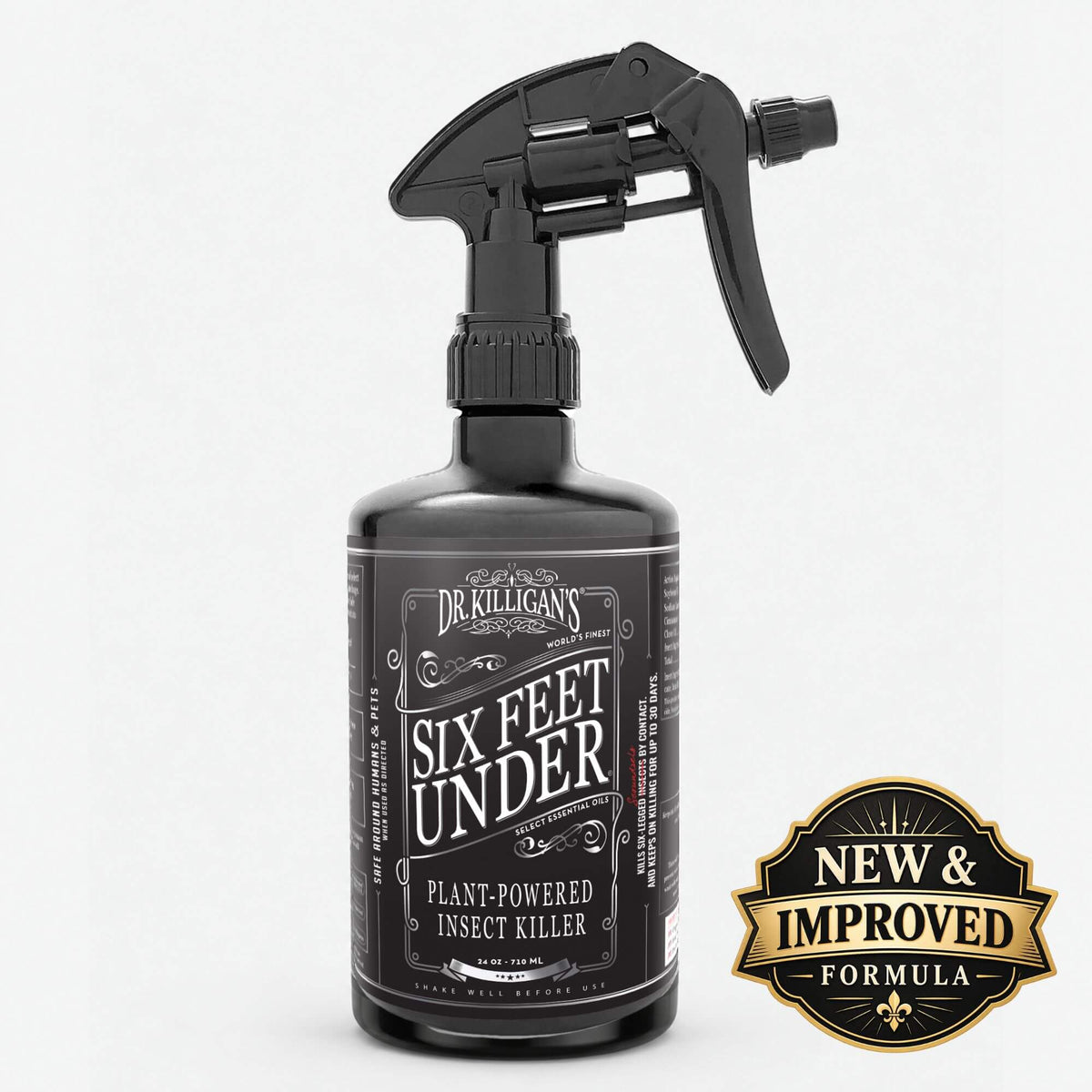
Dr. Killigan's six feet under 24oz bottle on grey background with a badge saying there is a new and improved formulaBlack spray bottle labeled 'Six Feet Under' on a wooden surface with a blurred background
Sale priceFrom $14.38 Regular price$17.97($0.60/oz)
4.7
Up to 23% Off
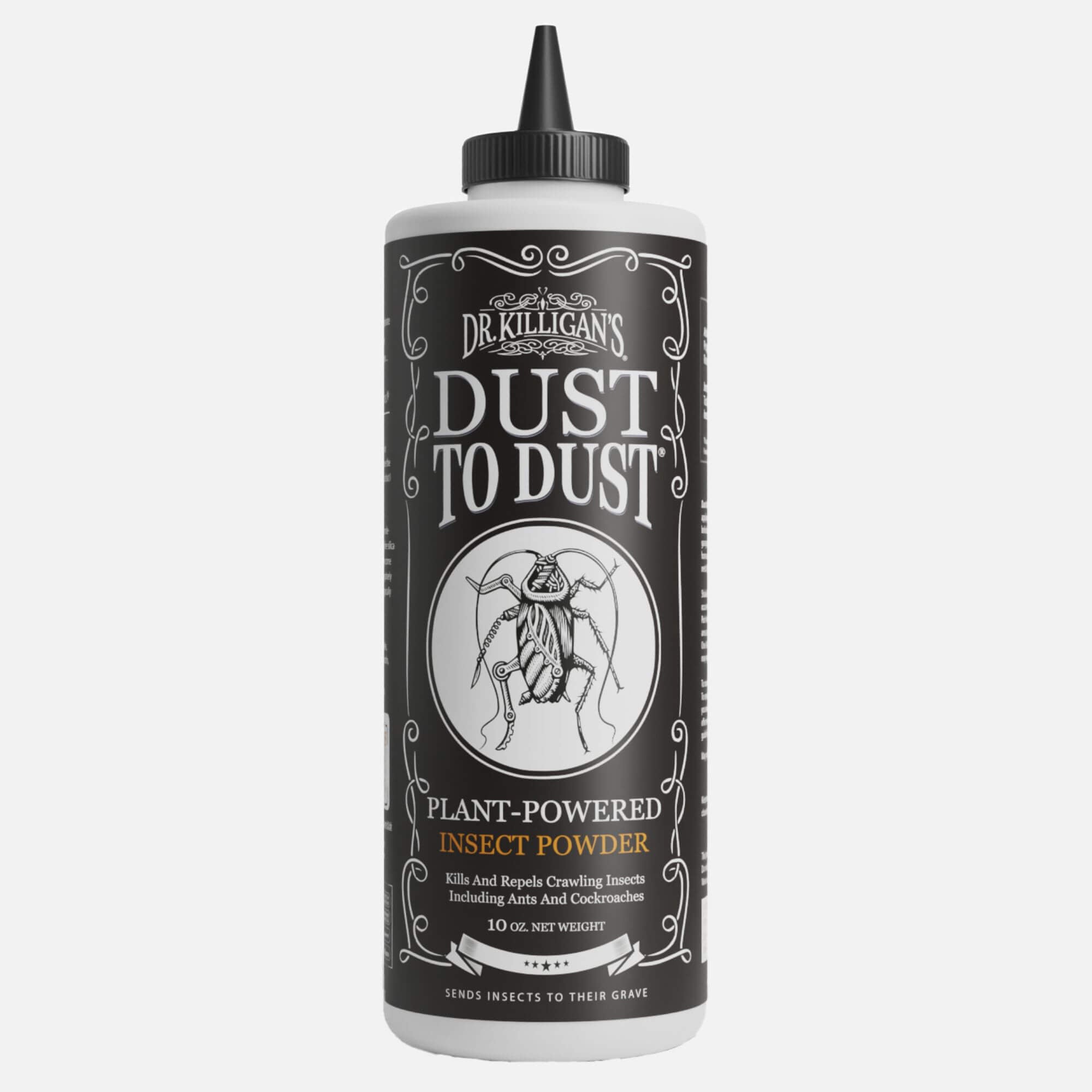
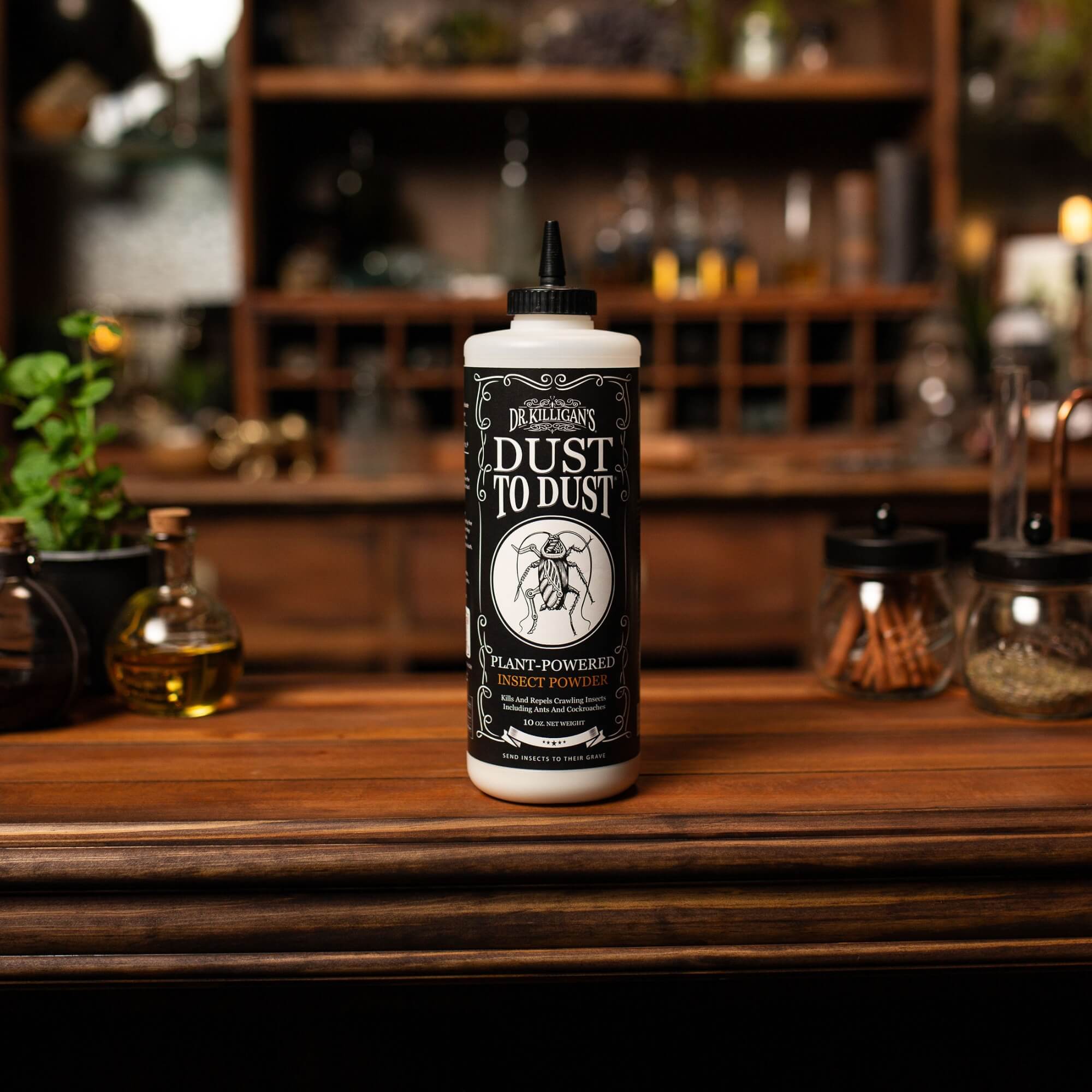
dust to dust insect powder 10oz #multipacks_10 oz. bottleBottle of 'Dust to Dust' insect powder on a wooden surface with a blurred background
Up to 29% Off
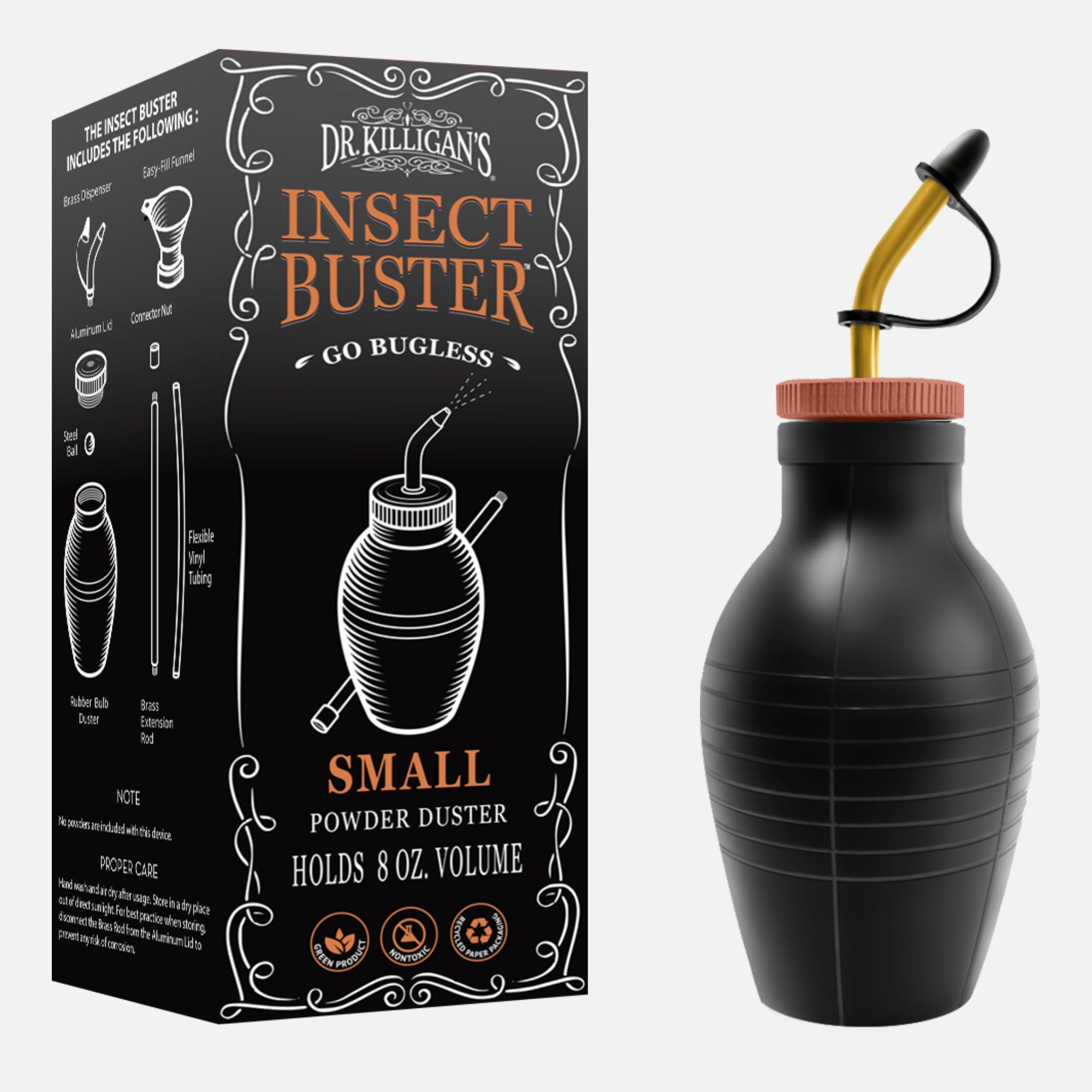
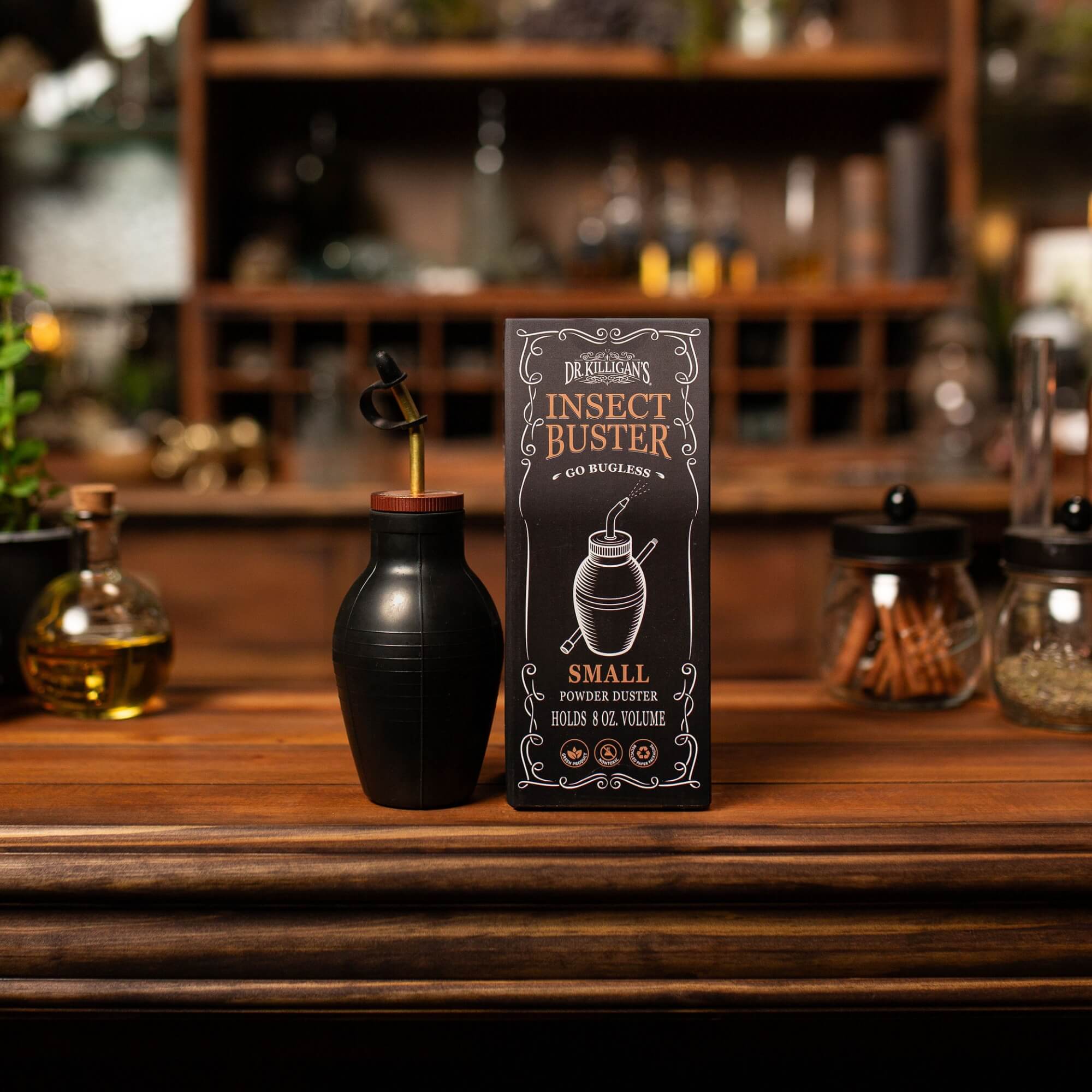
The Insect Buster | Small - Dr. Killigan's #size_8 ozBlack bulb duster and packaging on a wooden surface with a blurred bar background

Silverfish come out at night and move fast, so the one you spot darting across the bathroom floor or along a basement baseboard is usually gone before you can reach it. Killing them takes a spray for the ones you see and a powder for the cracks where the rest spend the day. Here is how.

Why silverfish are hard to kill in the open

During the day, silverfish stay tucked into tight, damp gaps: behind baseboards, under the bathroom vanity, around pipes and in basement wall cracks. They come out after dark to feed on paper, cardboard and book bindings, then slip back into hiding. They do not bite, so the harm is to your books and papers (Related read: Do silverfish bite?). Because so few are ever out where you can see them, a spray on its own reaches only a small share.

How to kill silverfish where they hide and where you see them

Start with the hiding spots. Fill the Insect Buster with Dust to Dust and puff a light layer into cracks along baseboards, the gap under the bathroom vanity, openings around pipes and the edges of basement shelving. Dust to Dust is a plant-powered insect powder with leave-behind lethality, so it keeps working in those gaps after you put the duster away.

When you see a silverfish in the bathtub, in the sink or on the floor, mist it directly with Six Feet Under. Made with plant-derived ingredients, it kills on contact. Let the spray dry before you put anything back.

To keep new ones from settling in, run the bathroom fan during and after showers and a dehumidifier in the basement. Silverfish need damp air, typically 75% to 95% humidity, and drier rooms give them nowhere comfortable to hide.

Kill silverfish, step by step

  • Dust the gaps: Dust to Dust behind baseboards, under the vanity and around pipes.
  • Spray on sight: Six Feet Under on any silverfish out in the open, then let the spray dry before tidying up.
  • Dry the rooms: bathroom fan after showers, dehumidifier downstairs.

Related: Silverfish control and Natural silverfish control.

Shop the full Silverfish collection.

Field Notes from the Doctor's Journal

The Blog

View all
Hand Offering Dog Food Bowl to Dog

Pantry moths in dog food: Why they’re there and what to do

Published September 10, 2026Reviewed by Julie Miller, BA in Language Arts, Editorial Lead, Dr. Killigan’s TL;DR: Pantry moths can infest dry dog food just as readily as flour, cereal, grains and ot...
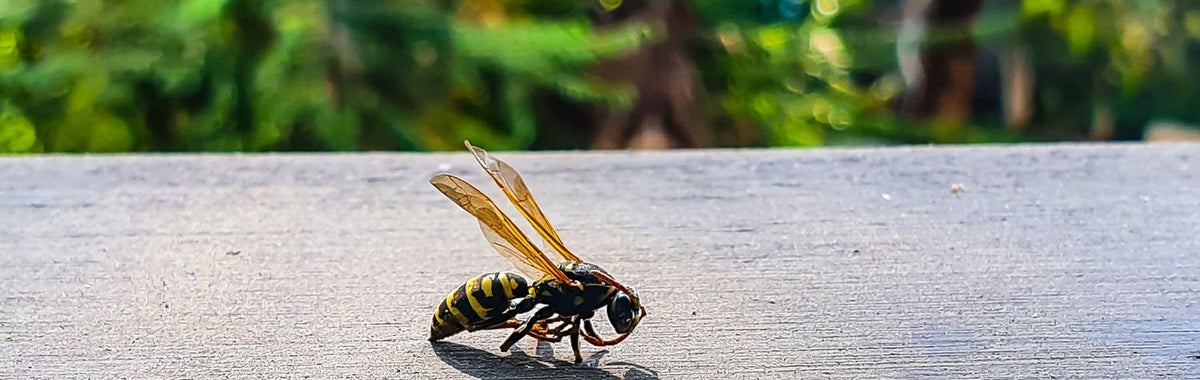
Yellowjacket on a pavement

How to get rid of yellowjackets around your home

Learn how to get rid of yellowjackets by identifying where they’re nesting, knowing when treatment makes sense and choosing the right approach for ground nests, wall voids and other problem areas a...

Pantry moth larva feeding on dried soybeans

How to get rid of pantry moths naturally: What works and what doesn't

Natural pantry moth control works when each method has the right job. Learn what freezing, vinegar, cedar and essential oils can do—and what it still takes to stop an infestation.
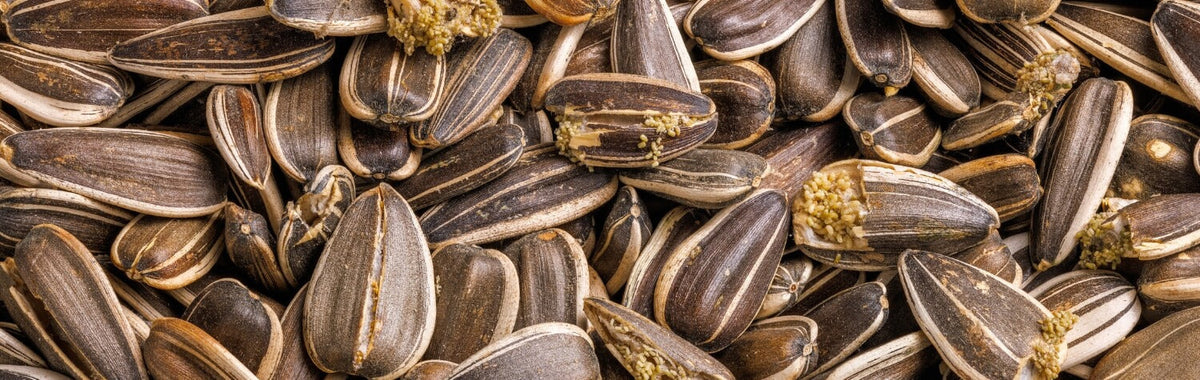
Sunflower seeds damaged by pantry moths

Pantry moth eggs: What they look like and what to do

Pantry moth eggs are difficult to see, so identification depends on the evidence around them. Learn how to inspect food, choose the right treatment and monitor what happens next.
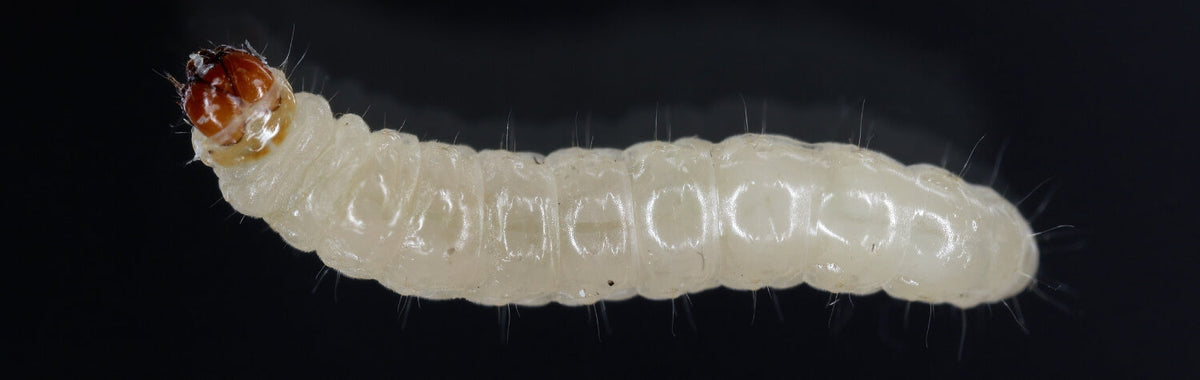
Close-up of a pantry moth larva

Pantry moth larvae: What they look like and how to get rid of them

Small white worms in your pantry, on a wall or even across the ceiling may be pantry moth larvae. Learn how to identify them, find their food source and break the infestation cycle.

Tick on human skin

What animals get ticks?

Ticks feed on a wide range of animals, but certain behaviors make some hosts more vulnerable than others. Discover which wildlife, pets and livestock are most likely to carry ticks and how to prote...


No harsh chemicals

All of Dr. Killigan’s products meet the EPA's criteria for "minimum risk" pest products, meaning they are safe when used as directed to use around people, pets and plants.


About Dr. Killigan

Dr. Killigan is the embodiment of our core values—Freedom, Spirit of Adventure, Excellence, Innovation, Joy and Honesty. He searches the world for the most effective pest solutions from nature, so you don't have to.


Satisfaction, guaranteed

Dr. Killigan's backs every pest solution with a 100% satisfaction guarantee: if you're not completely satisfied, we'll offer a refund or replacement, no strings attached.