
How to Kill Cockroaches

Filters

Sort by:

Cockroaches are built to survive you. They hide by day in warm damp cracks and come out at night to feed and breed out of sight, so the few you spot are a fraction of what is really there. Killing cockroaches for good means reaching the ones you cannot see. Here is the fastest way to do it.

Why cockroaches are so hard to kill

A cockroach spends its life in the cracks: behind the fridge, under the sink, inside wall voids and around warm appliances. It breeds fast and feeds on almost anything, from grease to crumbs to cardboard, so a population builds quietly before you ever see one in the open. That is the catch with sprays alone. You knock down the roaches on the counter and the ones deep in the harborage keep the cycle going. (Some get around better than you would think: Can cockroaches fly?)

How to kill cockroaches fast

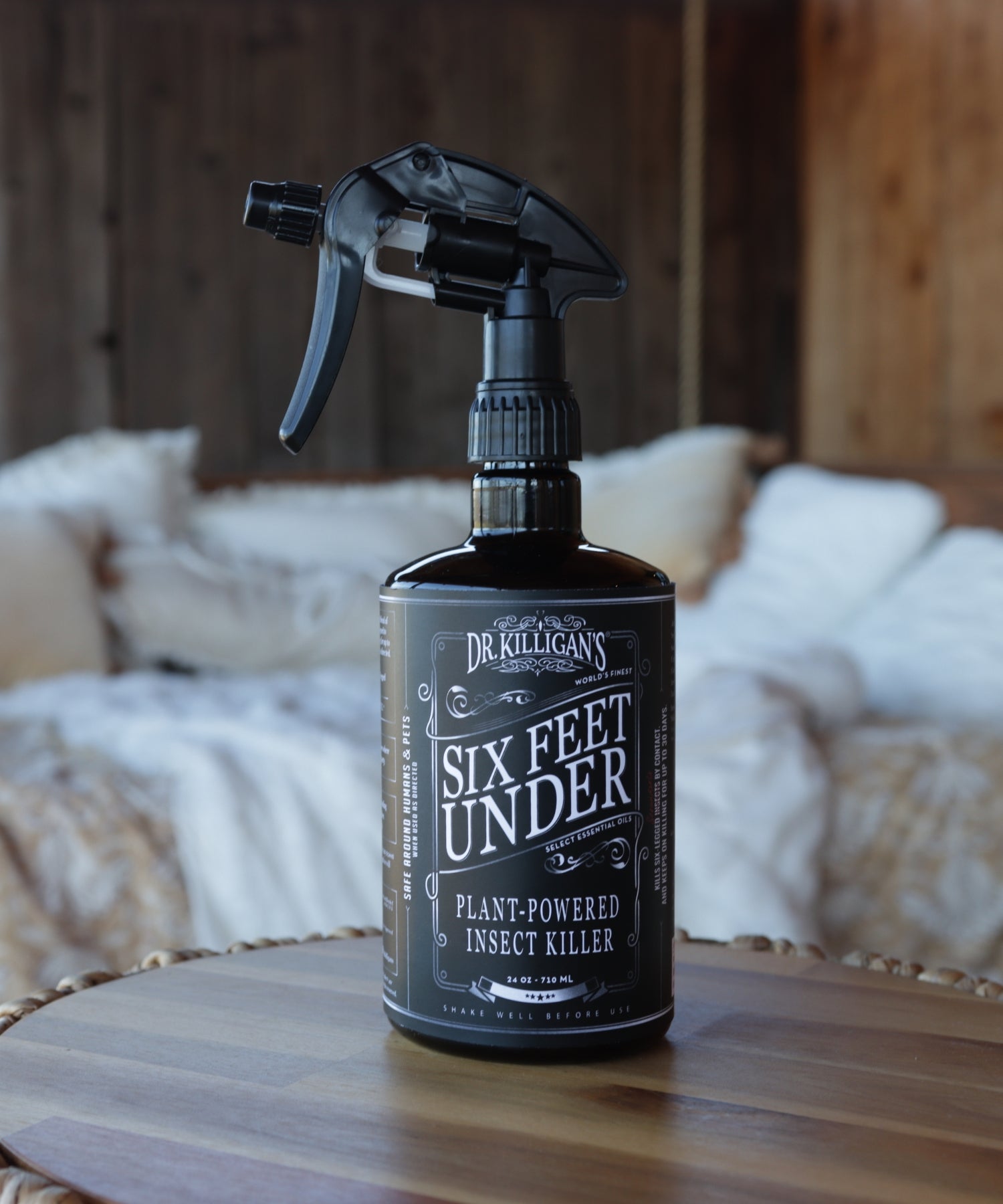
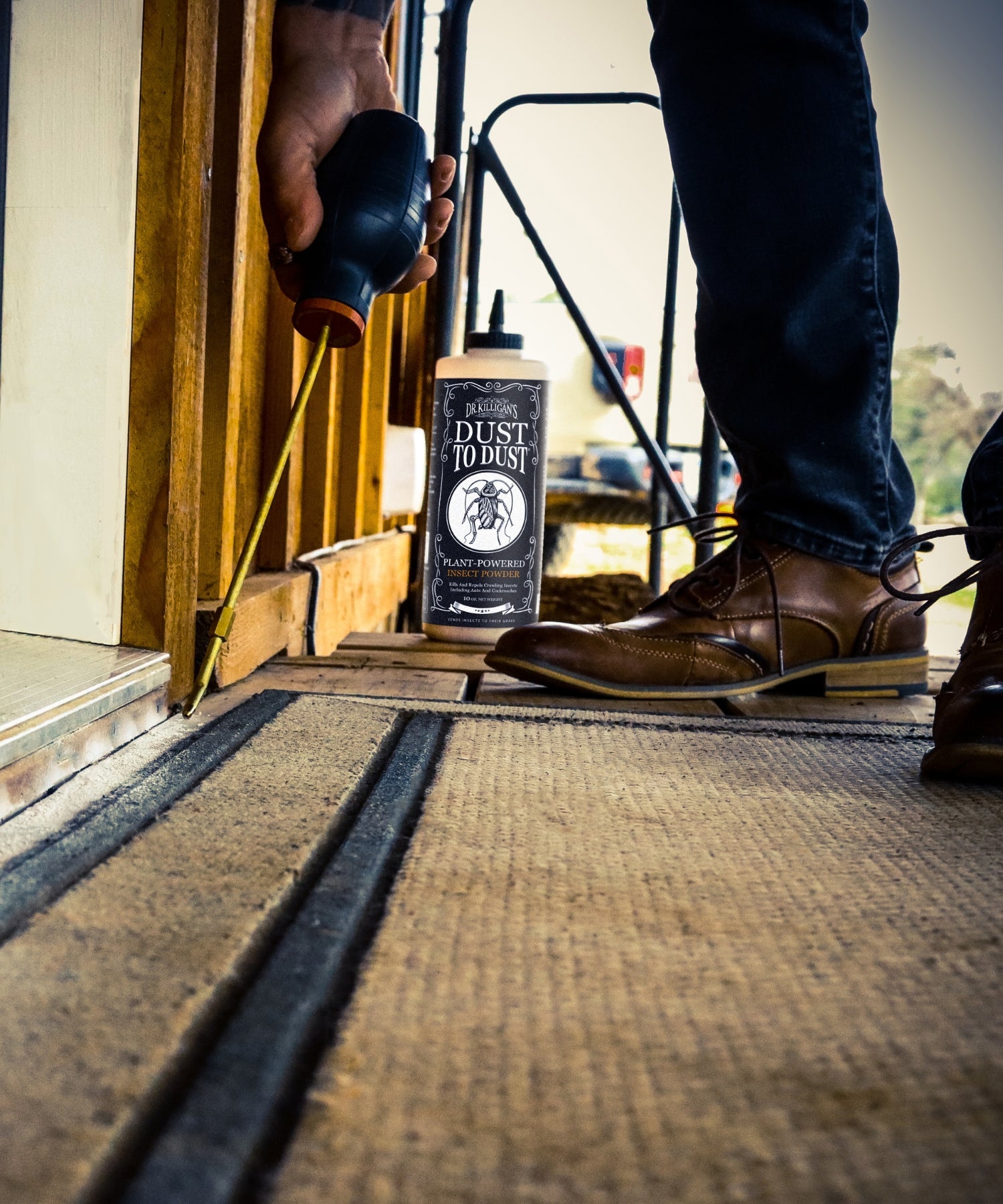
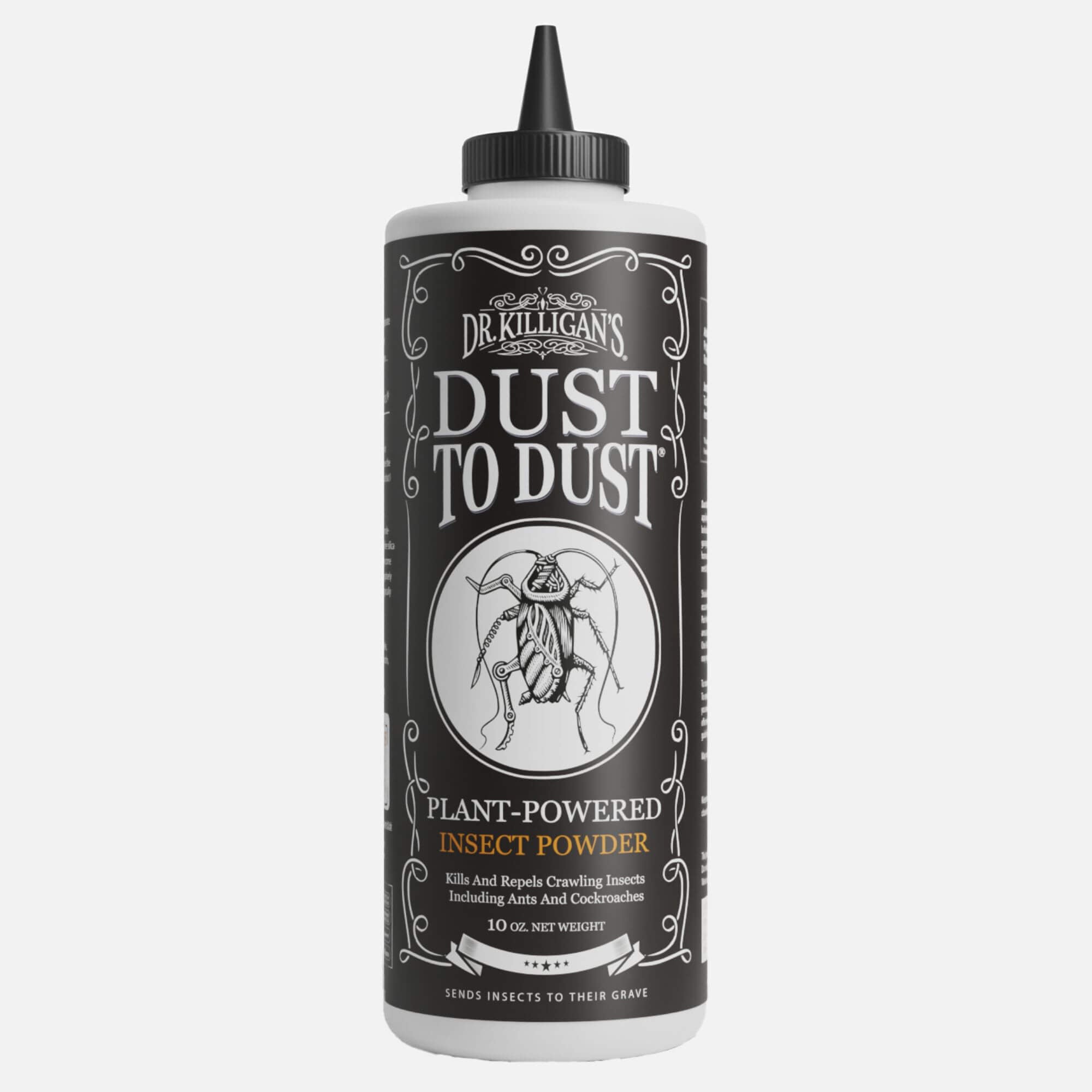
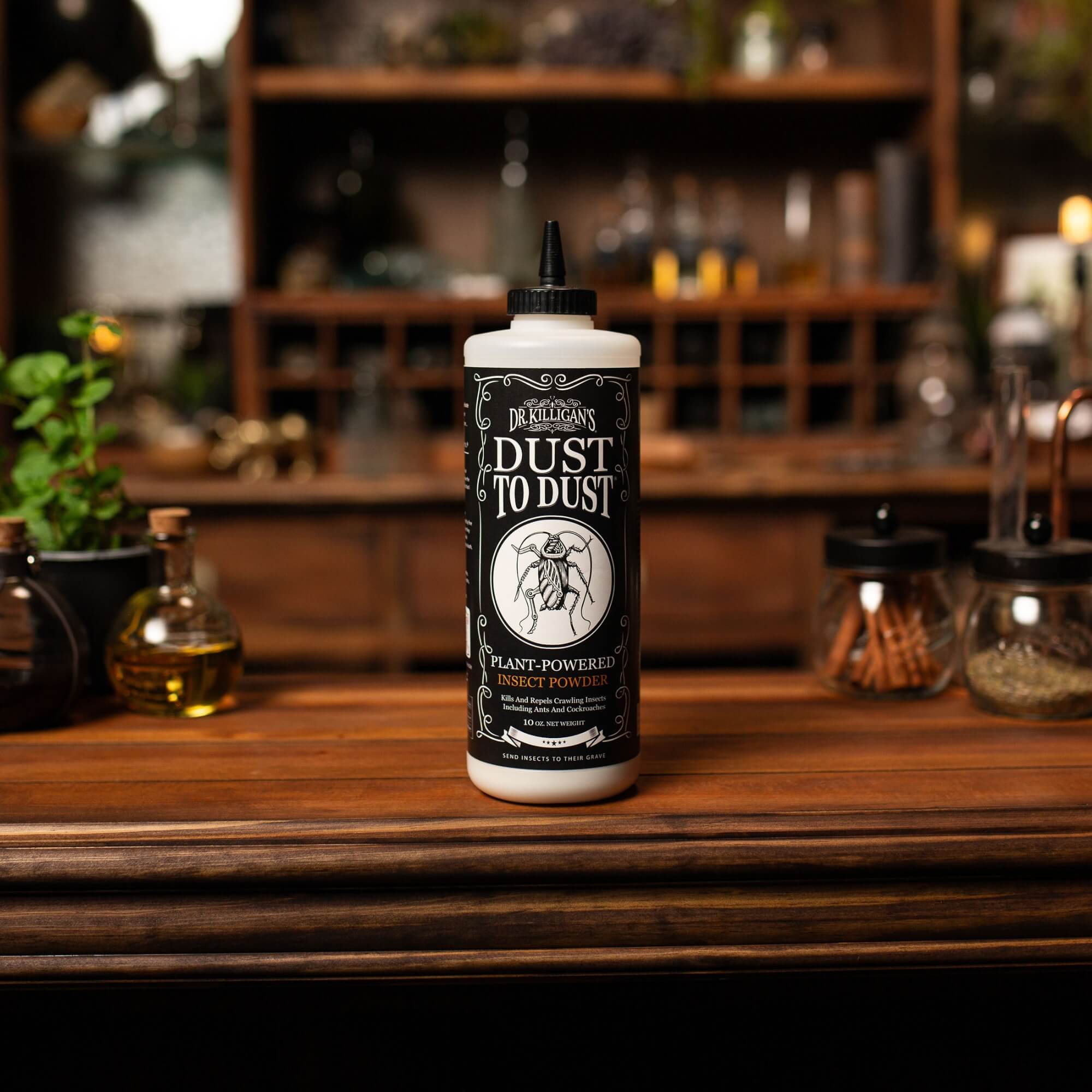
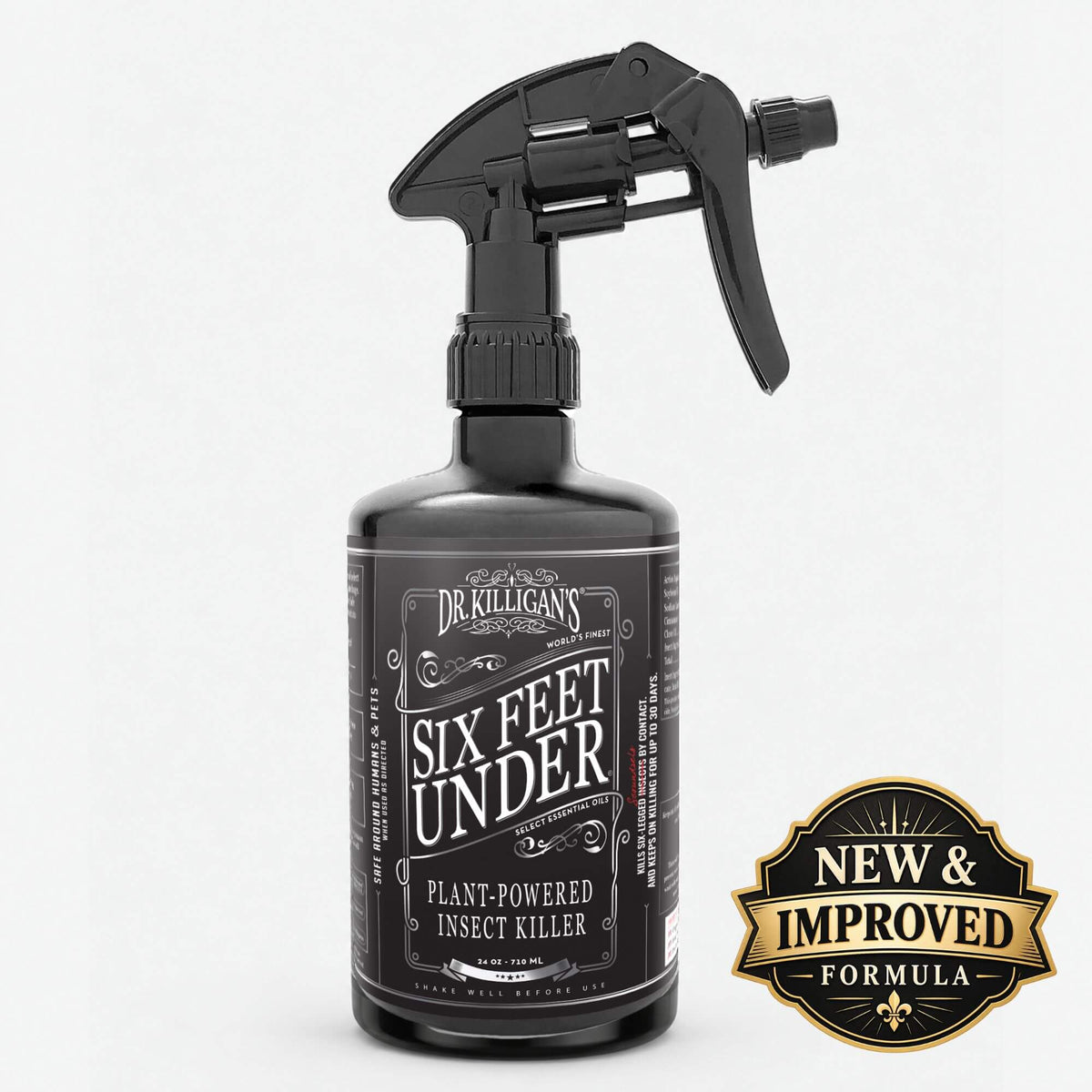
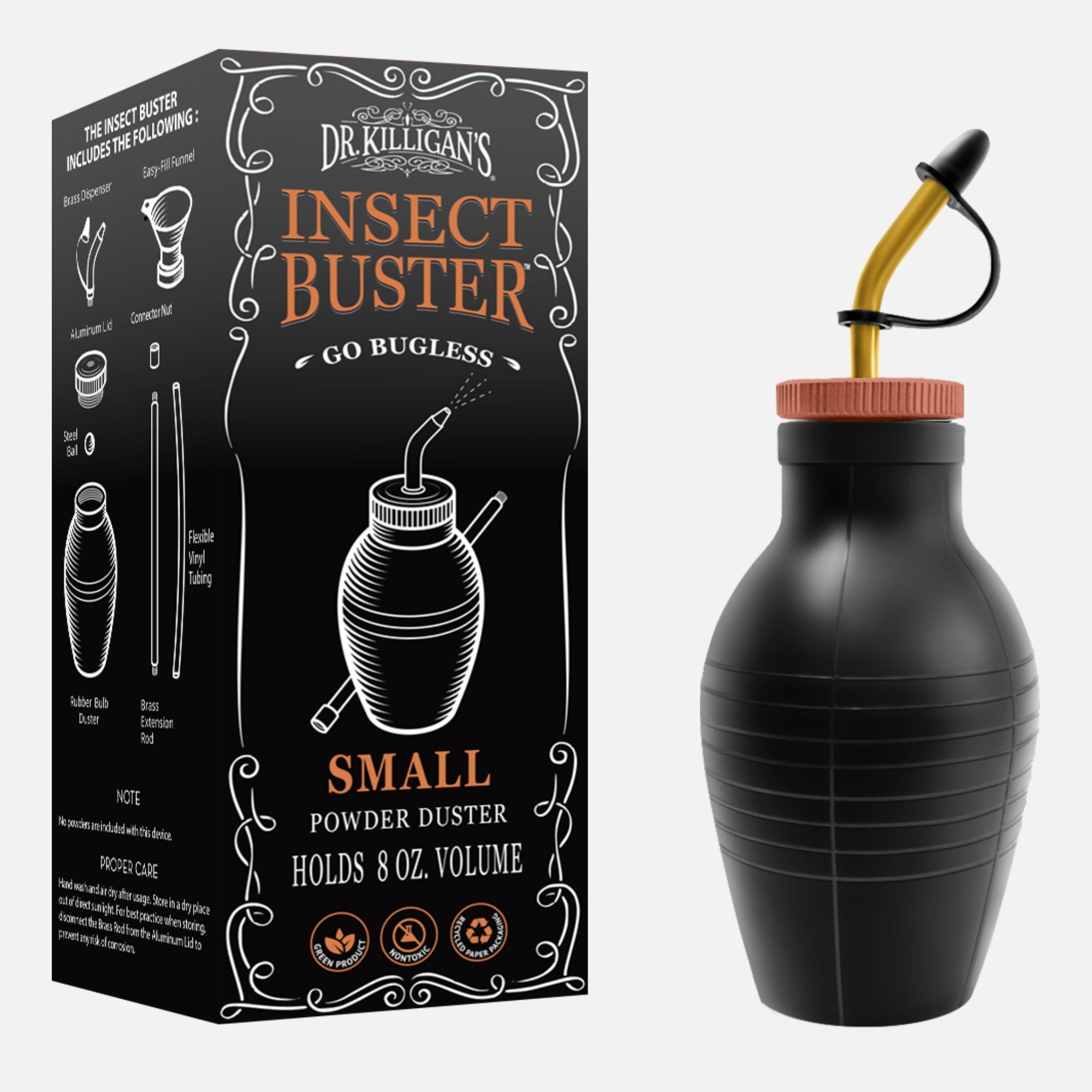
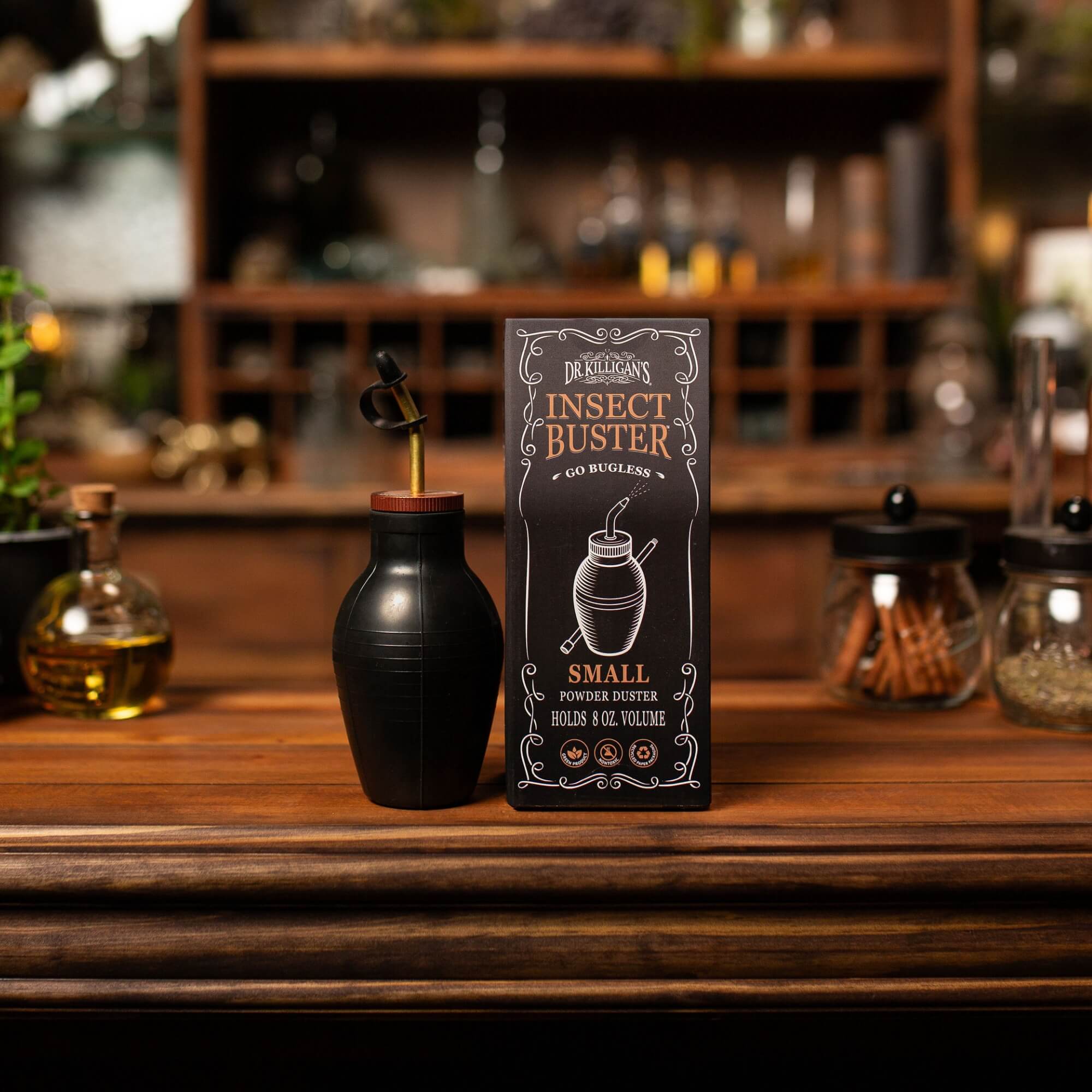
Treat the hiding places, not the open counter. Puff a thin, even layer of Dust to Dust into the cracks, gaps and voids where roaches travel, behind and under appliances, along baseboards and under the sink, using the Insect Buster to reach deep. Dust to Dust is a plant-powered insect powder that works like diatomaceous earth but kills up to three times faster. The fine powder scratches a roach’s waxy shell and dries it out from the outside. It also clogs the roach’s breathing, so a roach that walks through it cannot clean the dust off or recover. For the ones you catch in the open, a direct mist of Six Feet Under drops them on contact and dries clean. Then take away their food and water: wipe up grease, store food sealed, fix drips and empty the trash. (Thinking about a bug bomb? Are bug bombs safe?)

Kill cockroaches, then keep them gone

  • Dust the harborage: puff Dust to Dust in a thin layer into cracks, voids and the gaps behind appliances with the Insect Buster.
  • Hit the ones you see: mist Six Feet Under on roaches and the hard surfaces they cross, then wipe.
  • Starve them: store food sealed, wipe up grease and crumbs, fix leaks and empty the bin nightly.
  • Close the doors: seal cracks, gaps around pipes and entry points so new roaches cannot move in.

Related: How to get rid of German cockroaches and How to get rid of cockroaches in the kitchen.

Shop the full Cockroaches & Beetles collection.

Field Notes from the Doctor's Journal

The Blog

View all
Hand Offering Dog Food Bowl to Dog

Pantry moths in dog food: Why they’re there and what to do

Published September 10, 2026Reviewed by Julie Miller, BA in Language Arts, Editorial Lead, Dr. Killigan’s TL;DR: Pantry moths can infest dry dog food just as readily as flour, cereal, grains and ot...
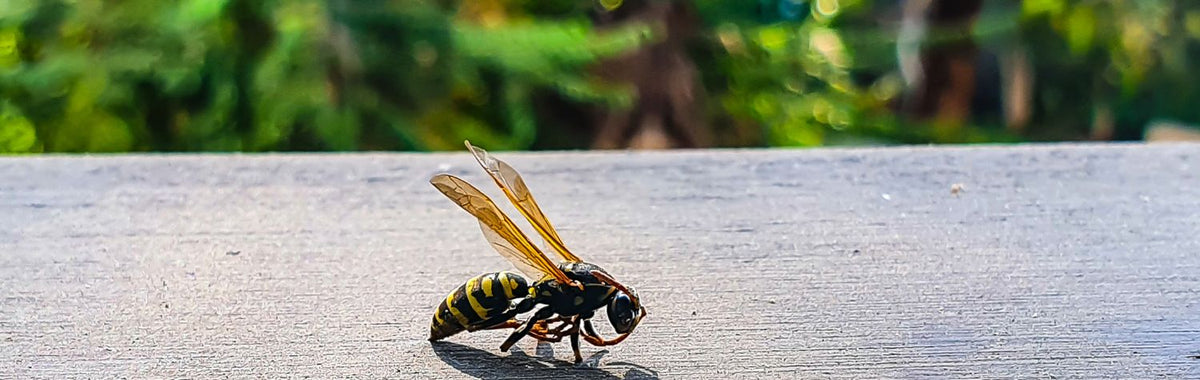
Yellowjaket on  a pavement

How to get rid of yellowjackets around your home

Learn how to get rid of yellowjackets by identifying where they’re nesting, knowing when treatment makes sense and choosing the right approach for ground nests, wall voids and other problem areas a...
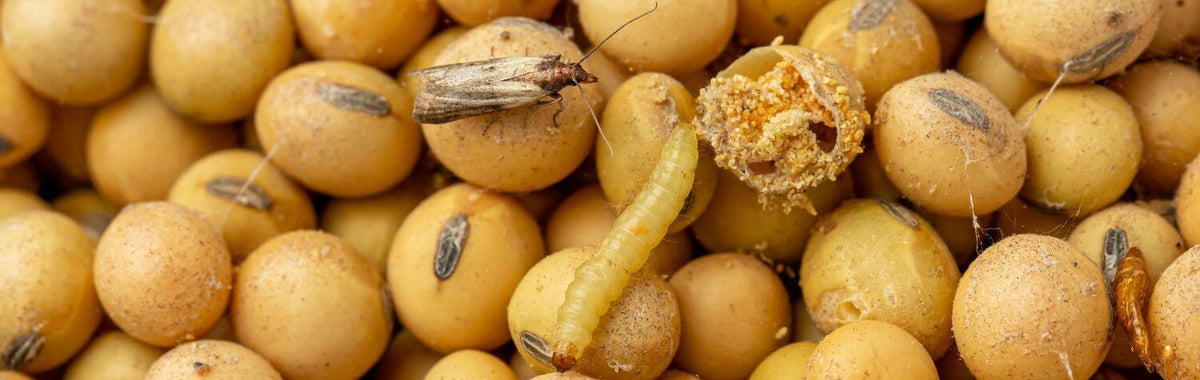
Pantry Moth

How to get rid of pantry moths naturally: What works and what doesn't

Natural pantry moth control works when each method has the right job. Learn what freezing, vinegar, cedar and essential oils can do—and what it still takes to stop an infestation.
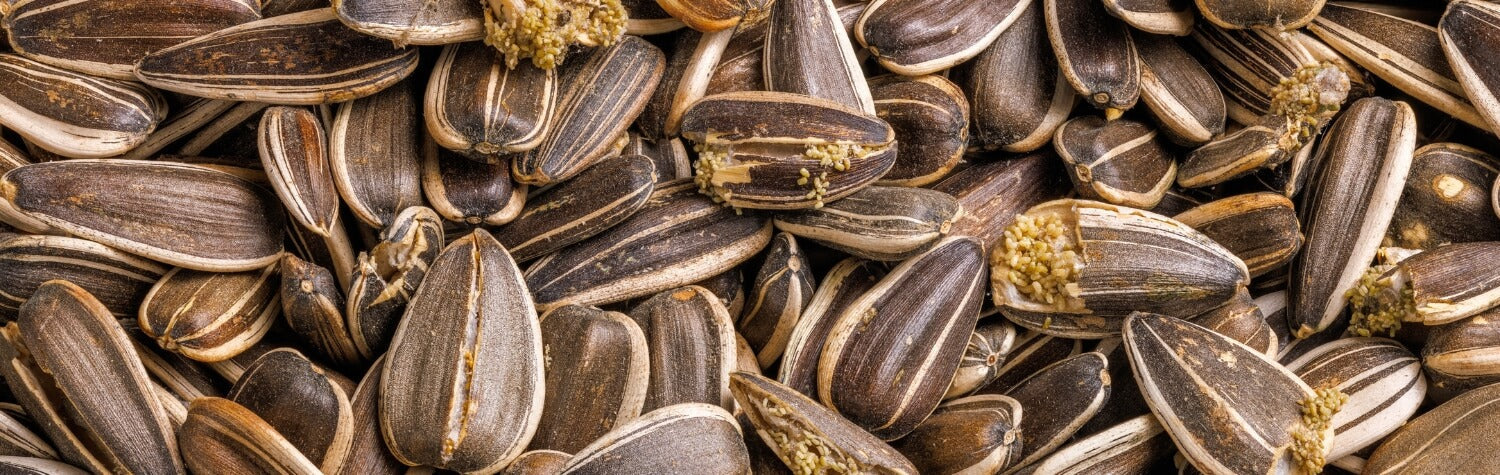
Pantry Moth Eggs

Pantry moth eggs: What they look like and what to do

Pantry moth eggs are difficult to see, so identification depends on the evidence around them. Learn how to inspect food, choose the right treatment and monitor what happens next.
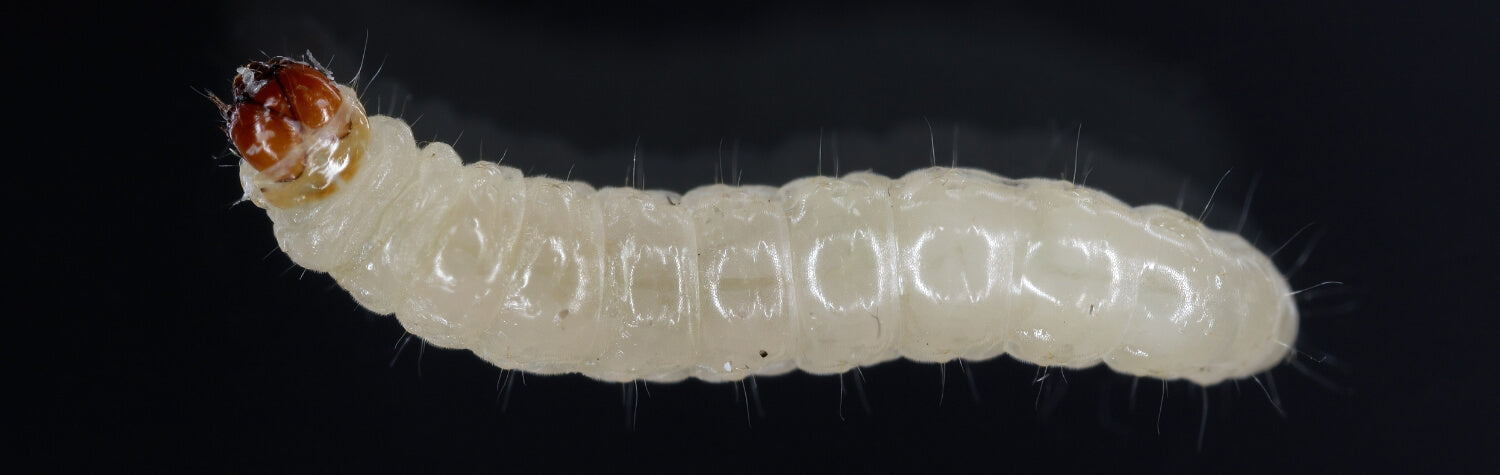
Pantry Moth Larvae

Pantry moth larvae: What they look like and how to get rid of them

Small white worms in your pantry, on a wall or even across the ceiling may be pantry moth larvae. Learn how to identify them, find their food source and break the infestation cycle.
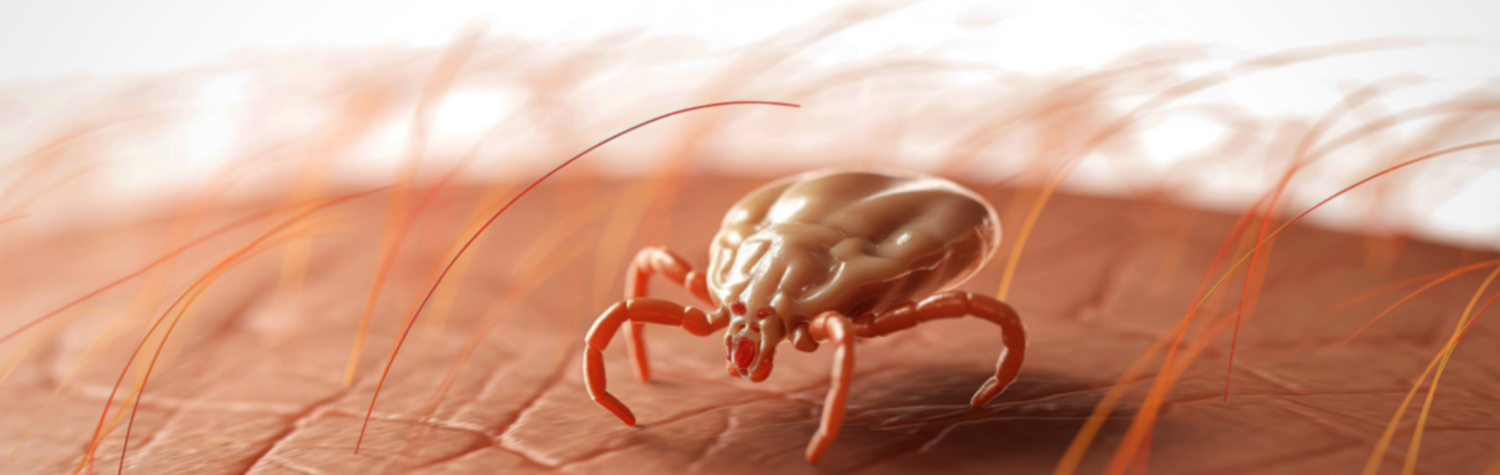
Tick on human skin

What animals get ticks?

Ticks feed on a wide range of animals, but certain behaviors make some hosts more vulnerable than others. Discover which wildlife, pets and livestock are most likely to carry ticks and how to prote...

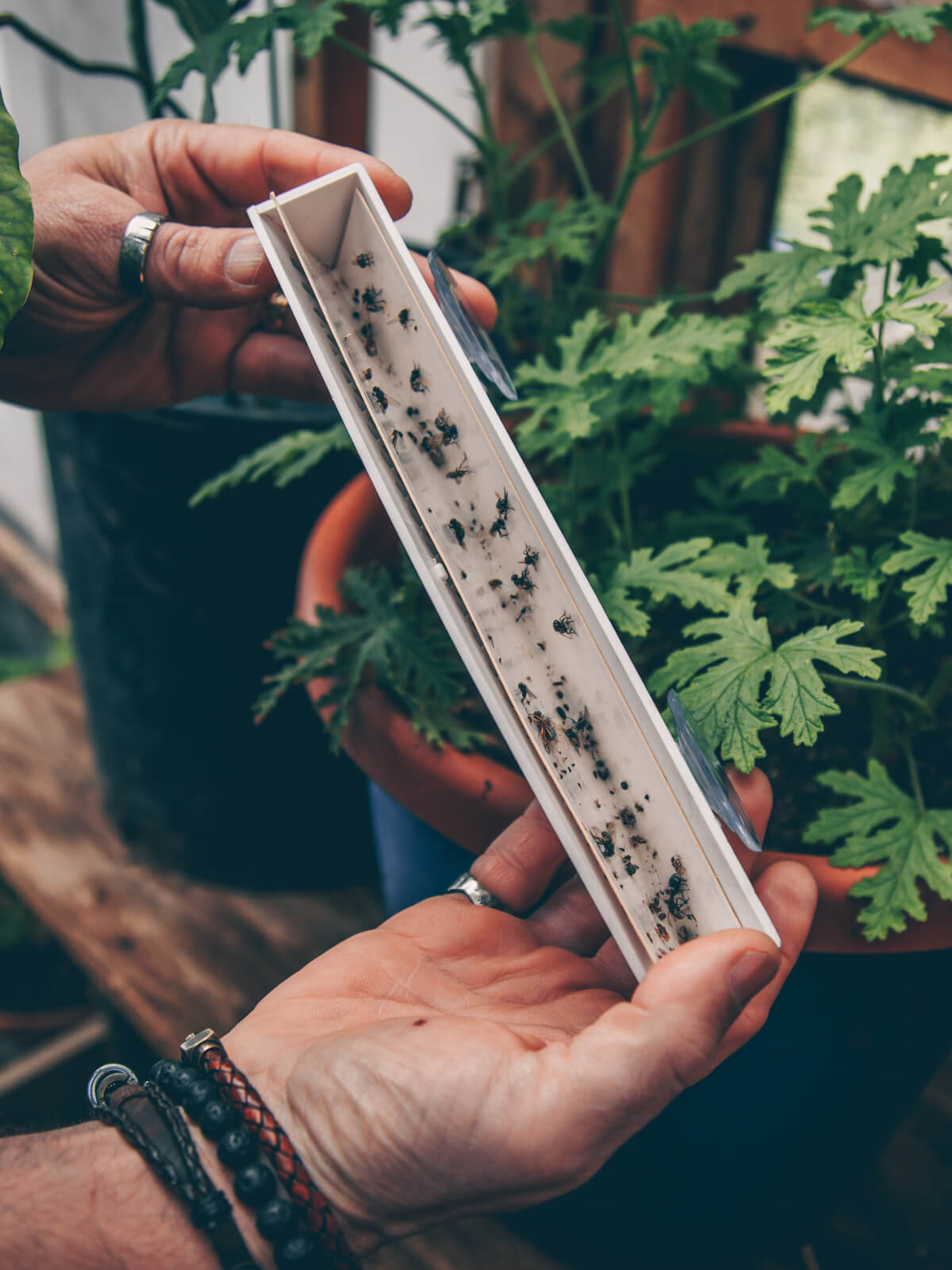
No harsh chemicals

All of Dr. Killigan’s products meet the EPA's criteria for "minimum risk" pest products, meaning they are safe when used as directed to use around people, pets and plants.


About Dr. Killigan

Dr. Killigan is the embodiment of our core values—Freedom, Spirit of Adventure, Excellence, Innovation, Joy and Honesty. He searches the world for the most effective pest solutions from nature, so you don't have to.


Satisfaction, guaranteed

Dr. Killigan's backs every pest solution with a 100% satisfaction guarantee: if you're not completely satisfied, we'll offer a refund or replacement, no strings attached.