

How to Get Rid of Silverfish in the Basement

Filters

Sort by:

The basement is often the dampest room in the house, which makes it a favorite spot for silverfish. You may see one dart across the concrete floor when you turn on the light or find a few in the laundry sink. Getting rid of them means drying out the room, protecting what they eat and treating the cracks they hide in. Here is how.

Why silverfish settle in the basement

A basement gives silverfish the two things they need most: damp air and starchy food.

They need humidity of roughly 75% to 95%, and a basement holds on to moisture. Cool foundation walls and cold water pipes collect condensation, a leaky washer hose leaves water on the floor, and a loose dryer vent can blow warm, damp air into the room.

Their food is starch and glue, which they find in paper, book bindings, cardboard and photographs. Cardboard boxes set on a concrete floor also soak up moisture from below, so a stack of stored boxes gives silverfish food and shelter in one place. During the day they stay out of sight in the cracks where the floor meets the walls, behind shelving and around pipes. (Related read: Does mold attract bugs?)

How to get rid of silverfish in the basement

Run a dehumidifier and keep the humidity below 50%. Wrap sweating cold water pipes with foam pipe insulation, replace a leaky washer hose and check that the dryer vent is attached and runs outdoors.

Then protect what silverfish eat. Move books, papers and photos out of cardboard boxes and into plastic bins with tight-fitting lids, which keep silverfish out and the contents dry. Keep the bins off the concrete: plastic pallets, wire shelving or a few lengths of lumber laid flat all work. Leave a few inches between the bins and the walls so air can move around them.

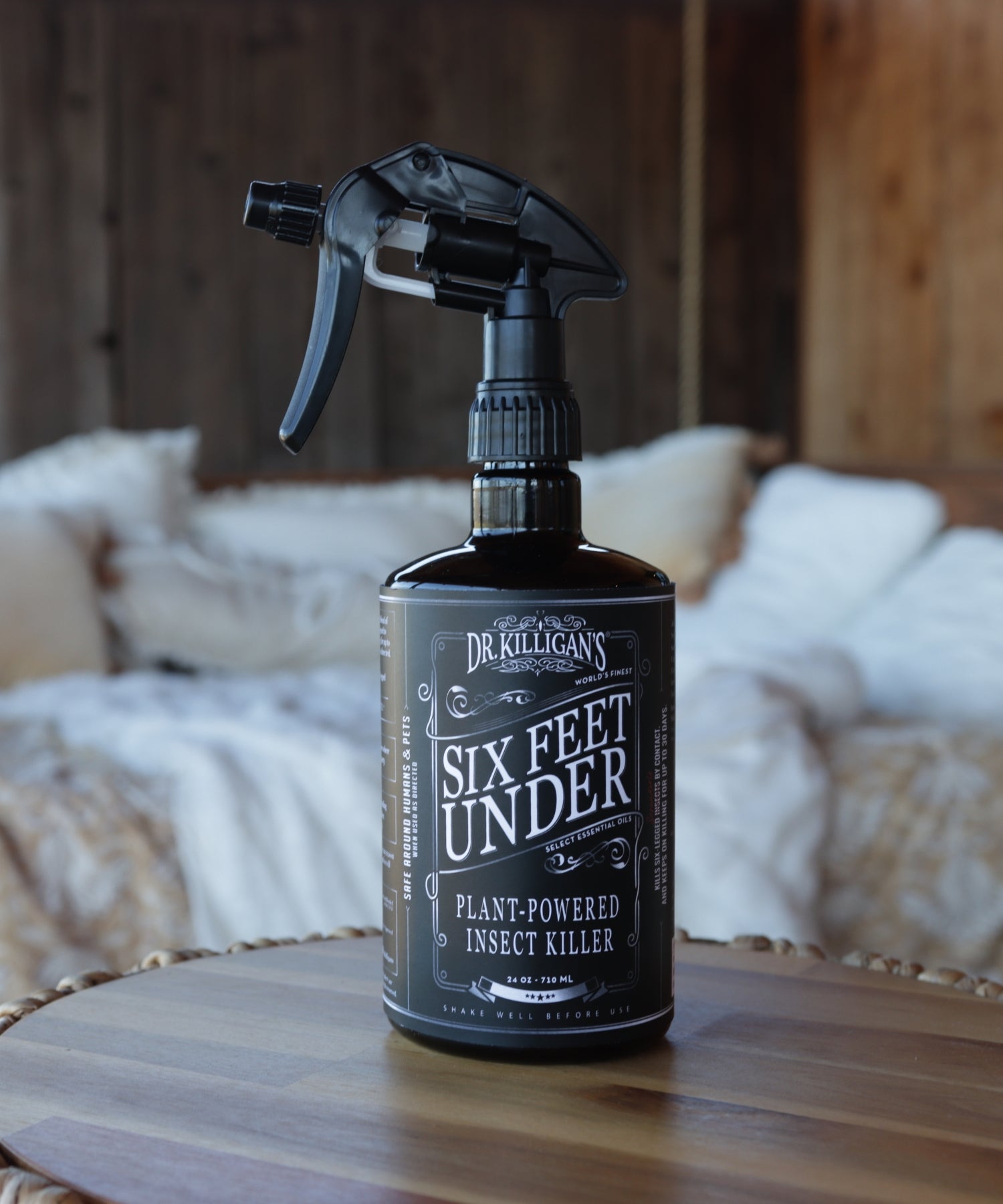
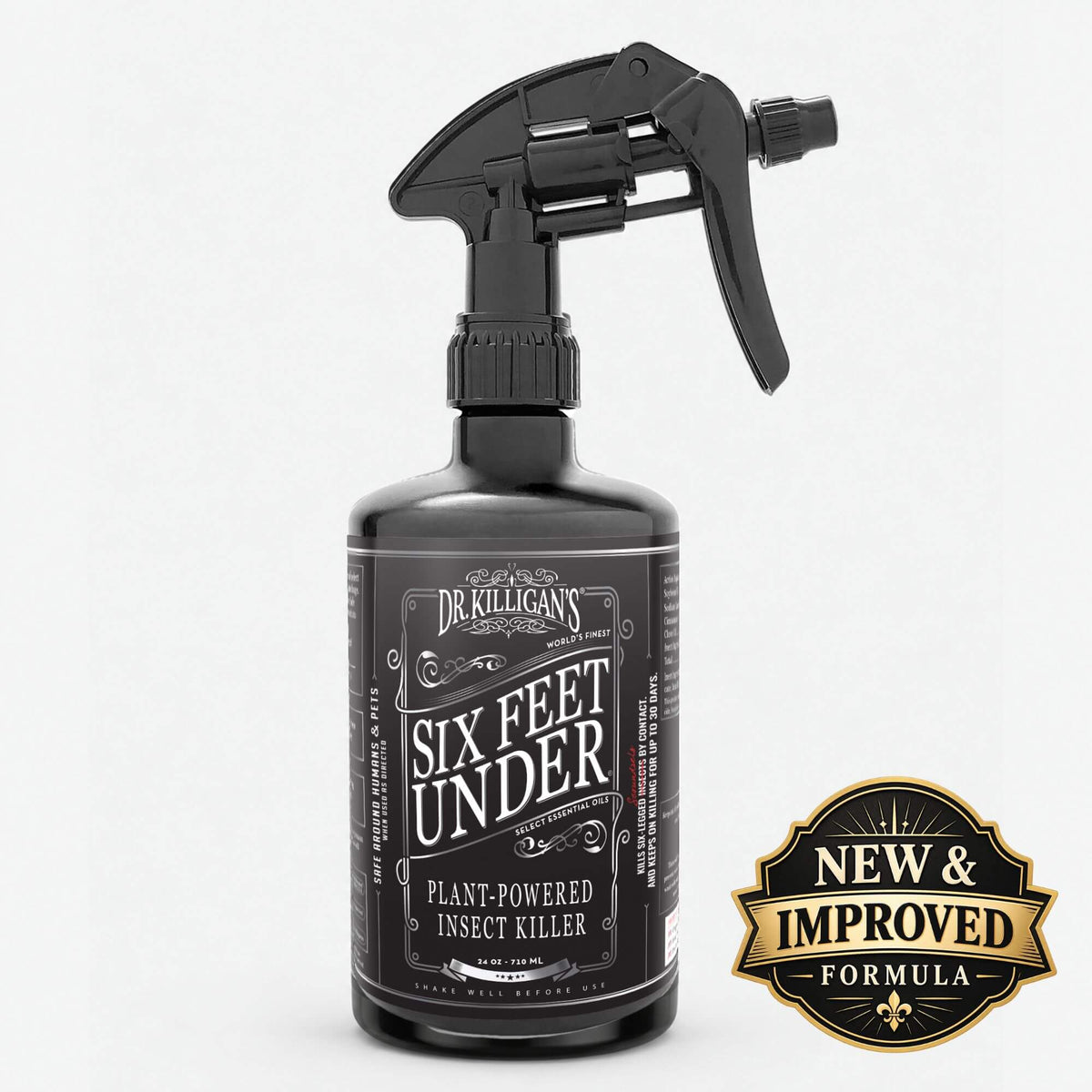
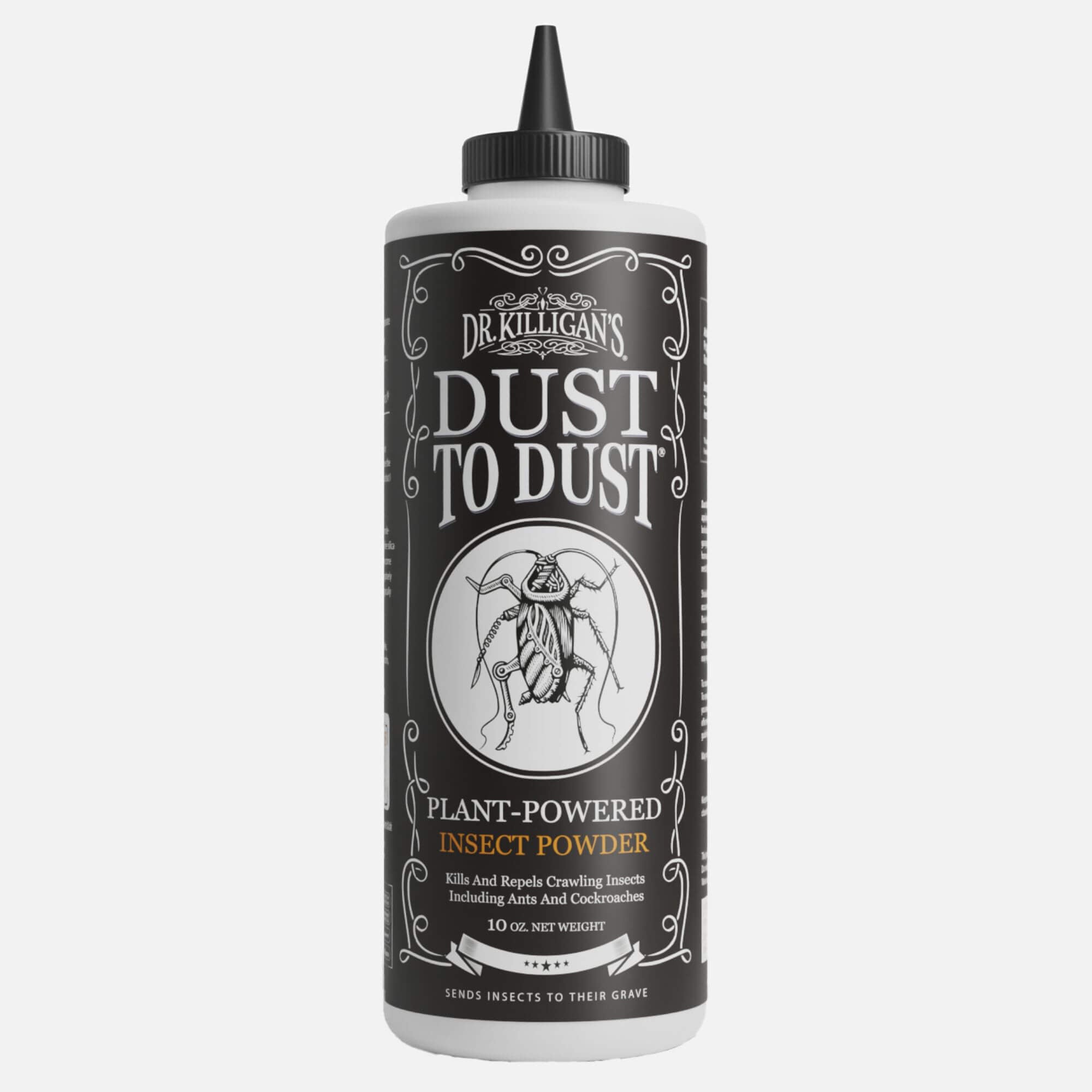
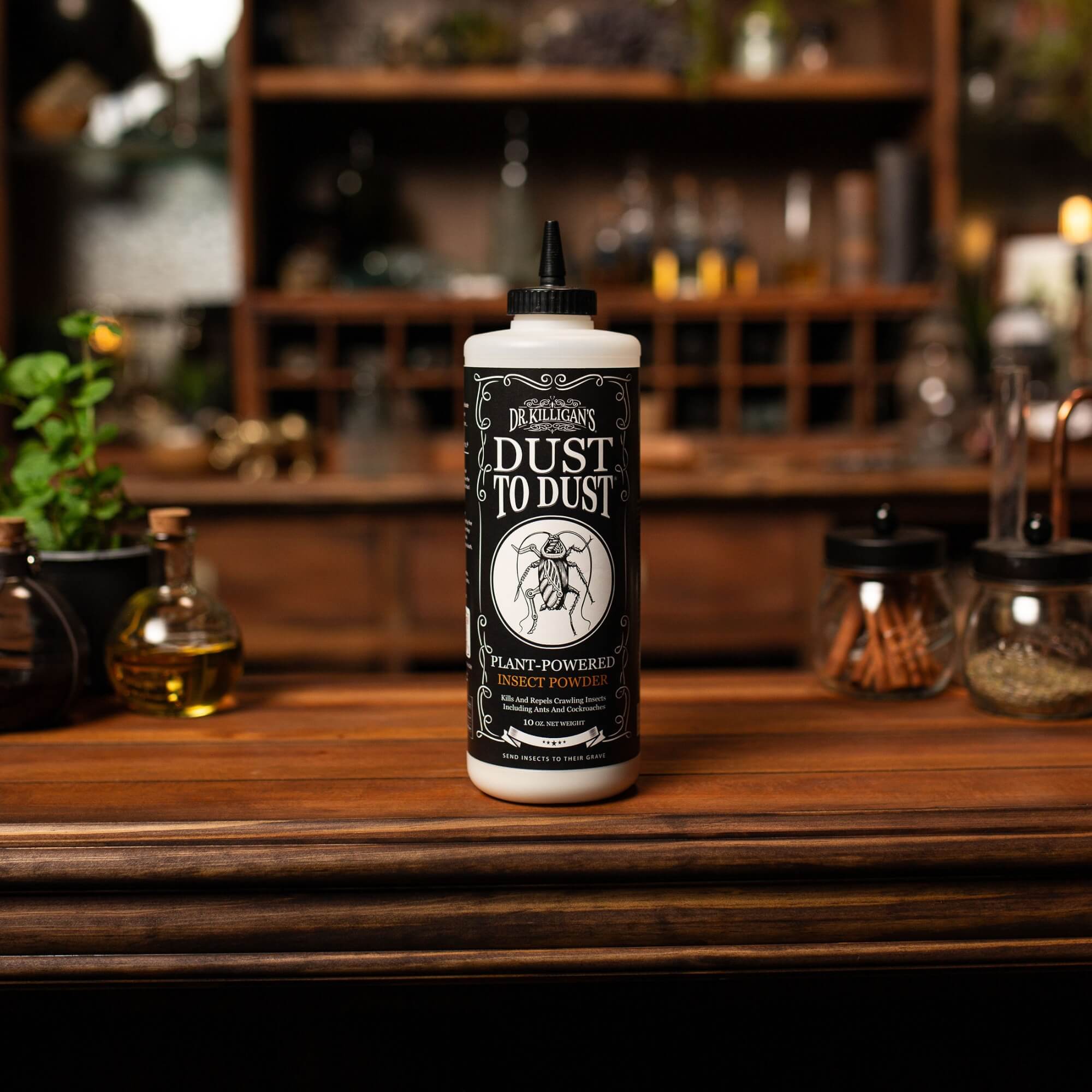
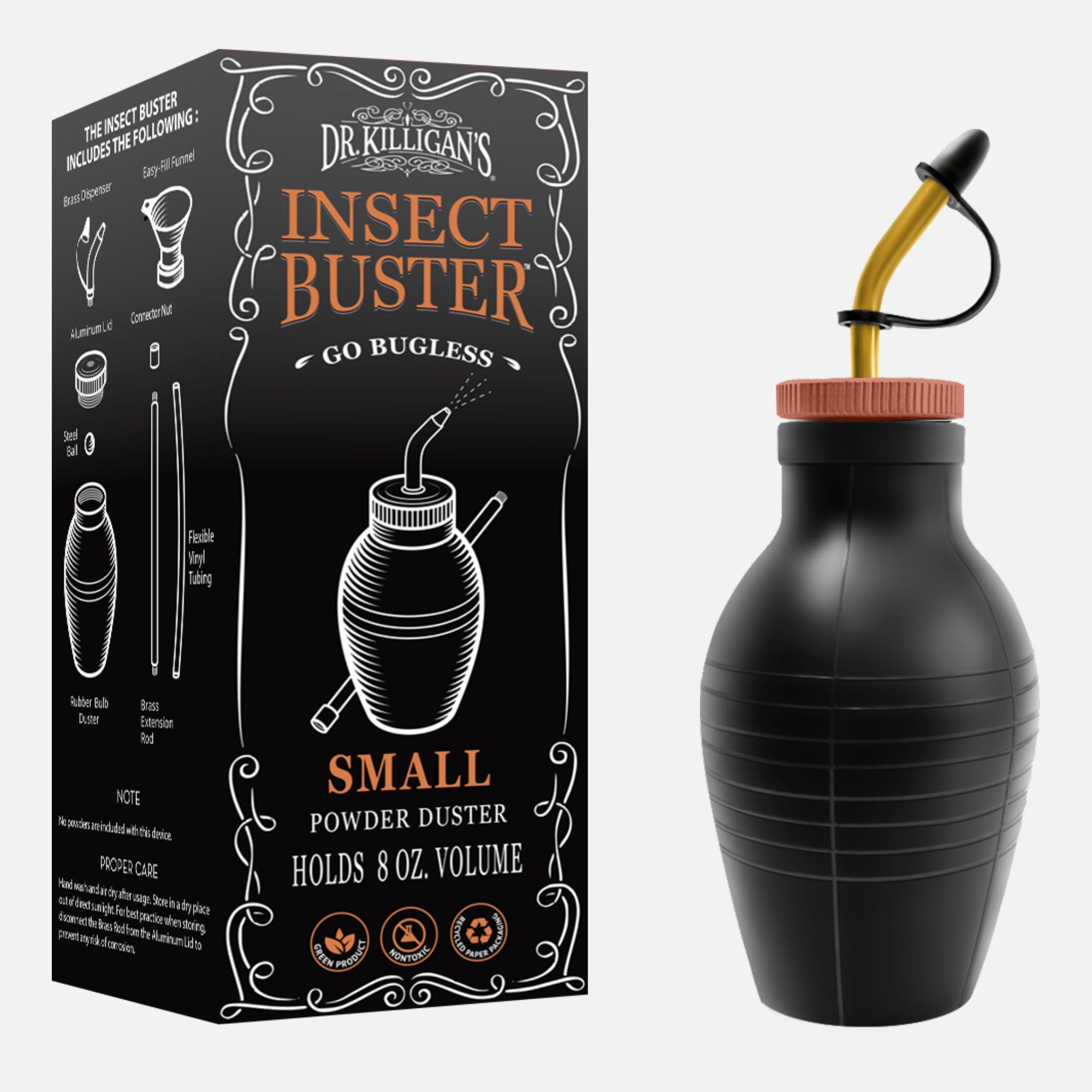
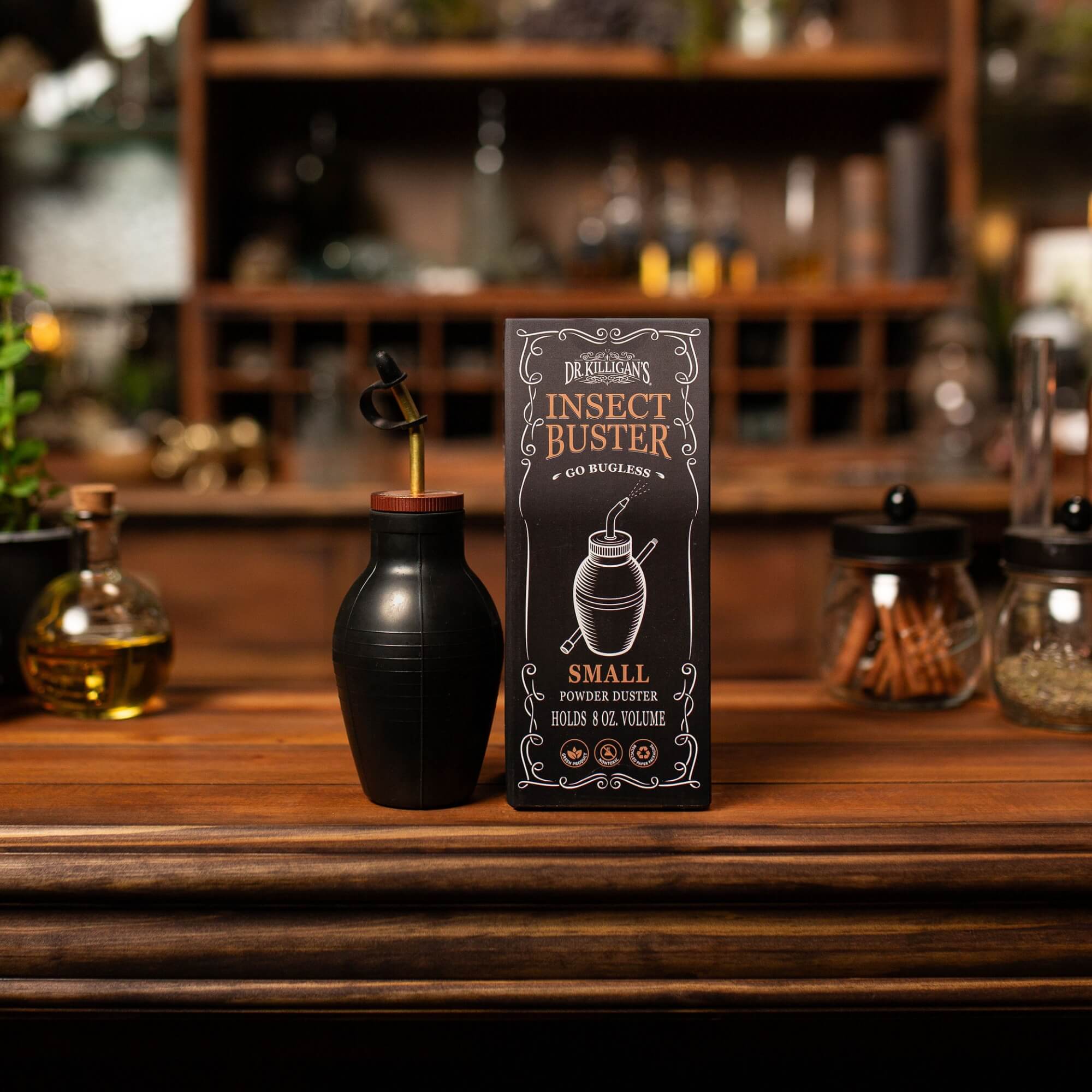
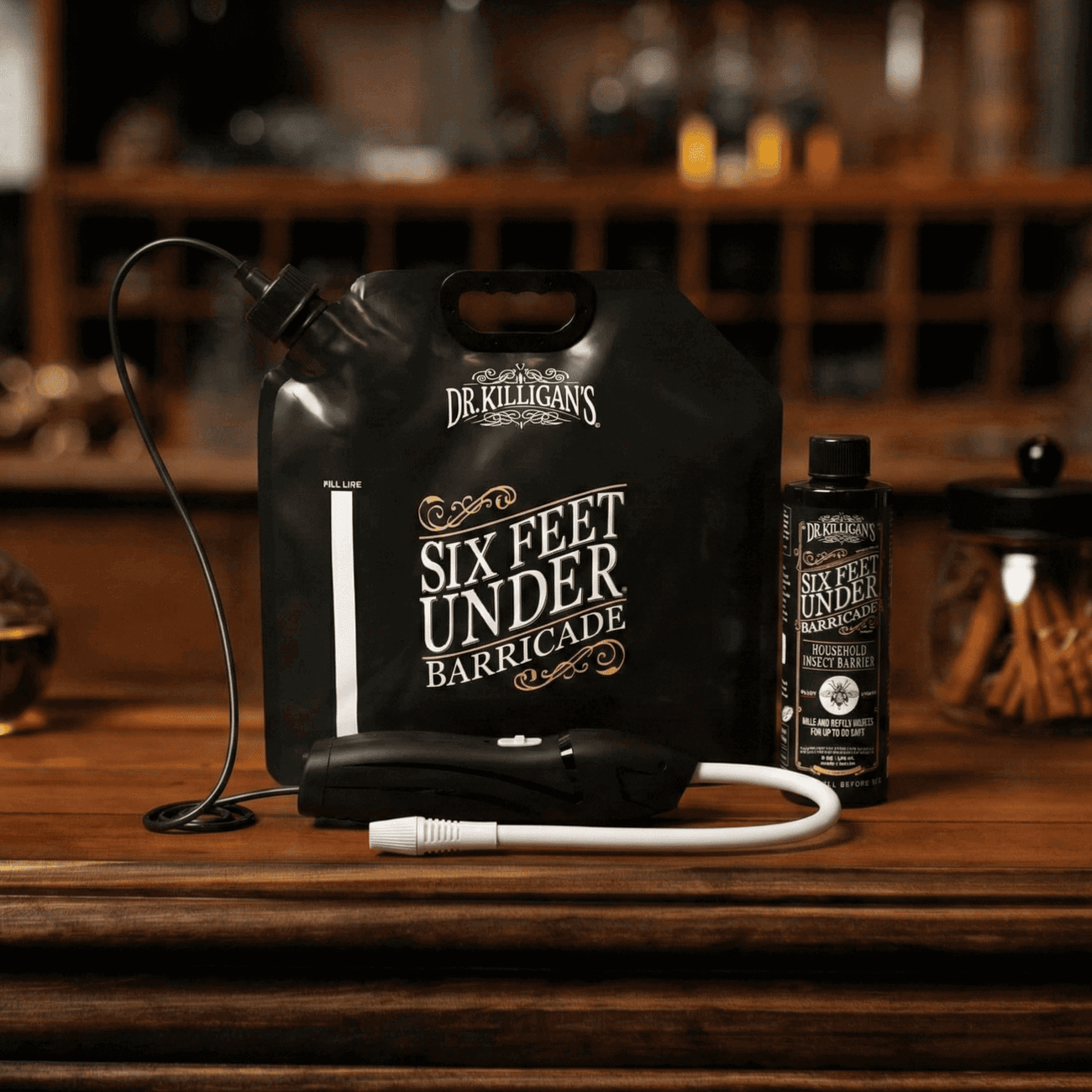
Next, treat the cracks where they hide. Fill the Insect Buster with Dust to Dust and puff a light layer where the floor meets the walls, behind the washer and dryer and around pipes. The powder stays in place and keeps working for weeks. When you see a silverfish on the floor or in the laundry sink, mist it with Six Feet Under and let it dry. Made with plant-derived ingredients, it kills on contact, and its residual effect keeps working for 30 days.

Outside, apply Barricade along the foundation and around basement windows to create a barrier against household pests that lasts up to 90 days.

Silverfish in the basement, step by step

  • Dry the air: run a dehumidifier below 50%, wrap the pipes and check the washer hose and dryer vent.
  • Bin the paper: pack papers and photos in lidded plastic bins and raise them off the concrete.
  • Powder the edges: puff Dust to Dust along the floor line and behind the laundry.
  • Mist strays: spray Six Feet Under on any silverfish you see, then let it dry.
  • Guard the foundation: apply Barricade outdoors every 90 days.

Related: How to get rid of silverfish in the attic and How to get rid of silverfish in the closet.

Shop the full Silverfish collection.

Field Notes from the Doctor's Journal

The Blog

View all
Hand Offering Dog Food Bowl to Dog

Pantry moths in dog food: Why they’re there and what to do

Published September 10, 2026Reviewed by Julie Miller, BA in Language Arts, Editorial Lead, Dr. Killigan’s TL;DR: Pantry moths can infest dry dog food just as readily as flour, cereal, grains and ot...

Yellowjacket on a pavement

How to get rid of yellowjackets around your home

Learn how to get rid of yellowjackets by identifying where they’re nesting, knowing when treatment makes sense and choosing the right approach for ground nests, wall voids and other problem areas a...

Pantry moth larva feeding on dried soybeans

How to get rid of pantry moths naturally: What works and what doesn't

Natural pantry moth control works when each method has the right job. Learn what freezing, vinegar, cedar and essential oils can do—and what it still takes to stop an infestation.
Sunflower seeds damaged by pantry moths

Pantry moth eggs: What they look like and what to do

Pantry moth eggs are difficult to see, so identification depends on the evidence around them. Learn how to inspect food, choose the right treatment and monitor what happens next.
Close-up of a pantry moth larva

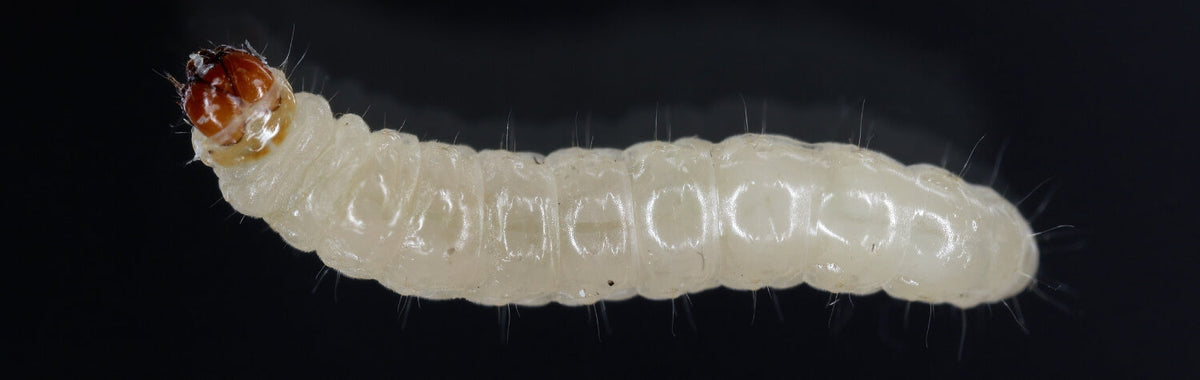
Pantry moth larvae: What they look like and how to get rid of them

Small white worms in your pantry, on a wall or even across the ceiling may be pantry moth larvae. Learn how to identify them, find their food source and break the infestation cycle.

Tick on human skin

What animals get ticks?

Ticks feed on a wide range of animals, but certain behaviors make some hosts more vulnerable than others. Discover which wildlife, pets and livestock are most likely to carry ticks and how to prote...


No harsh chemicals

All of Dr. Killigan’s products meet the EPA's criteria for "minimum risk" pest products, meaning they are safe when used as directed to use around people, pets and plants.


About Dr. Killigan

Dr. Killigan is the embodiment of our core values—Freedom, Spirit of Adventure, Excellence, Innovation, Joy and Honesty. He searches the world for the most effective pest solutions from nature, so you don't have to.


Satisfaction, guaranteed

Dr. Killigan's backs every pest solution with a 100% satisfaction guarantee: if you're not completely satisfied, we'll offer a refund or replacement, no strings attached.