
How to Get Rid of Pantry Moths in Rice

Filters

Sort by:

Pantry moths in one bag of rice can spread to the food stored around it. Getting rid of them takes a search of the nearby food, a clear-out of anything contaminated, a thorough clean and a few well-placed traps. Here is how.

Why pantry moths end up in your rice

Rice is a stored dry grain, exactly the kind of food pantry moth larvae feed on. The moths in your cupboard, typically Indian meal moths, most likely came home as eggs in that very bag. Rice can sit untouched in the cupboard for a long time, which gives the larvae a steady supply of food. (Related read: What do pantry moths eat?)

How to get rid of pantry moths in rice

Start with the rice. Pour each bag into a large bowl and look for grains stuck together in clumps or for silky webbing. Rice with either should be bagged tightly and discarded in your outdoor trash.

Then widen the search. Larvae wander away from their food to pupate and can turn up on neighboring shelves, in other products and along the walls. Look over the grains, pasta, baking mixes, cereal, nuts, seeds, dried fruit and spices stored nearby, and throw out anything that shows webbing or clumps.

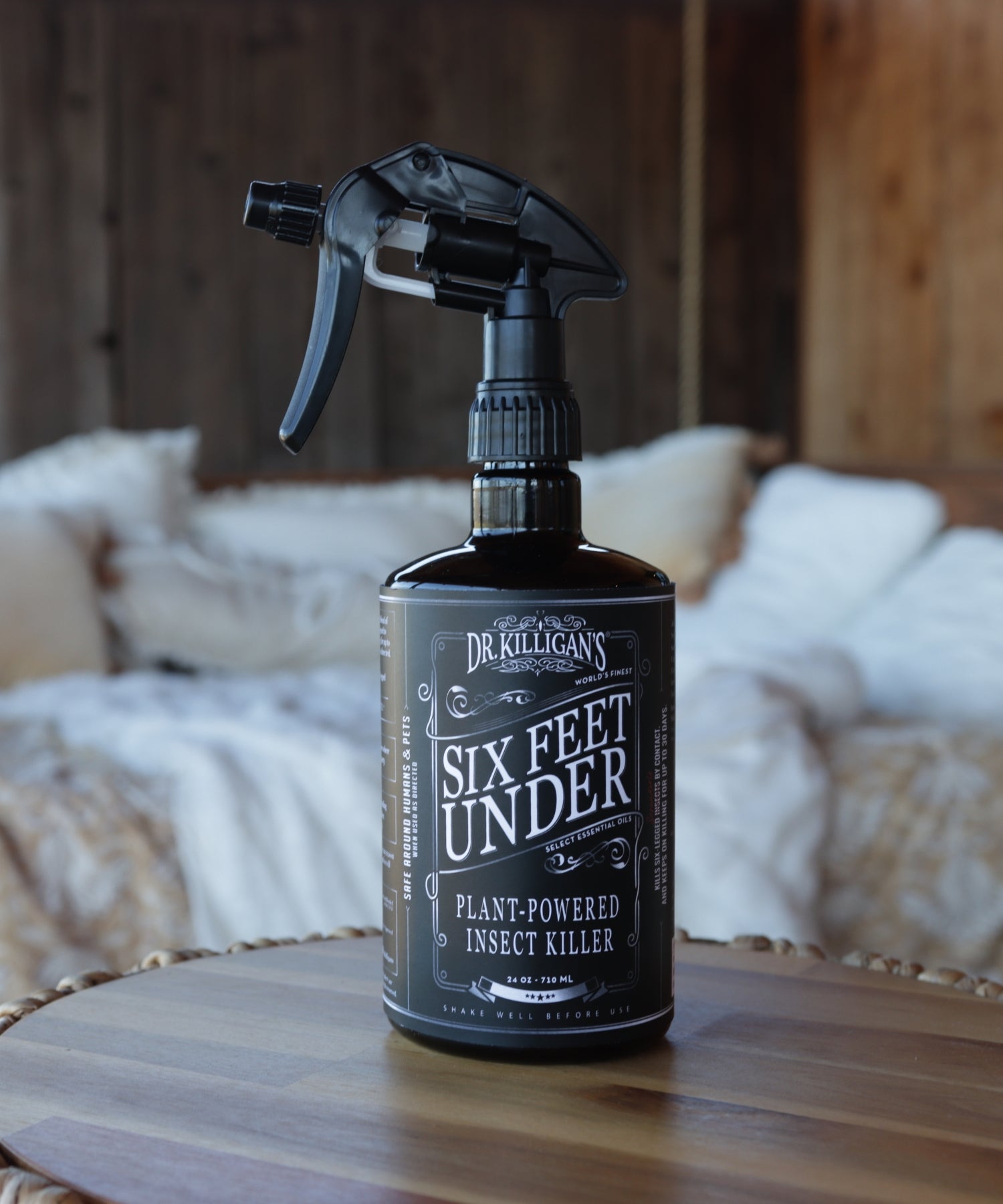
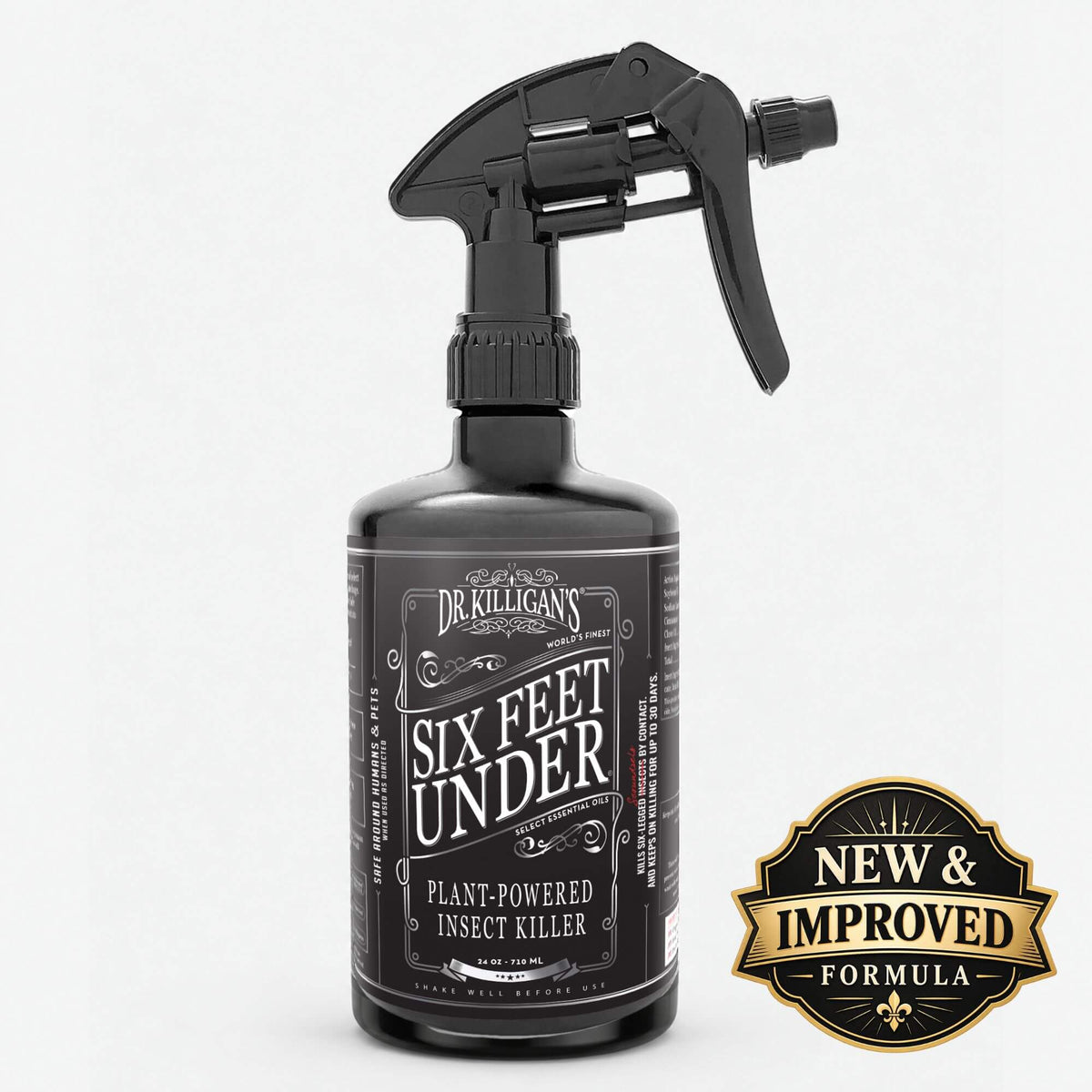
Vacuum the shelves and corners, wipe them with a vinegar-and-water solution and spray them with Six Feet Under, made with plant-derived ingredients, which kills any remaining moths or larvae on contact. Rice and other grains you are keeping move into glass or metal containers that close completely instead of returning to their bags.

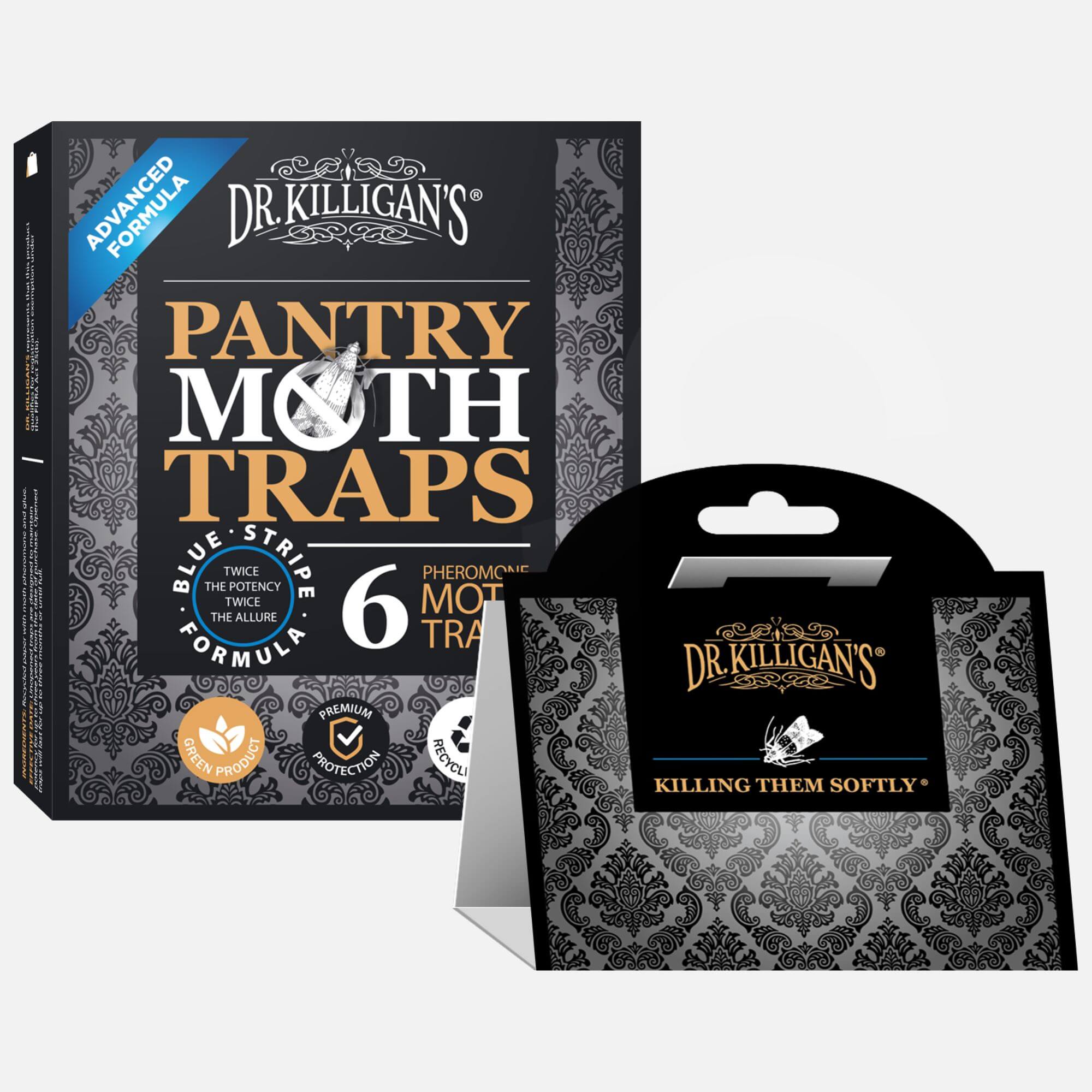
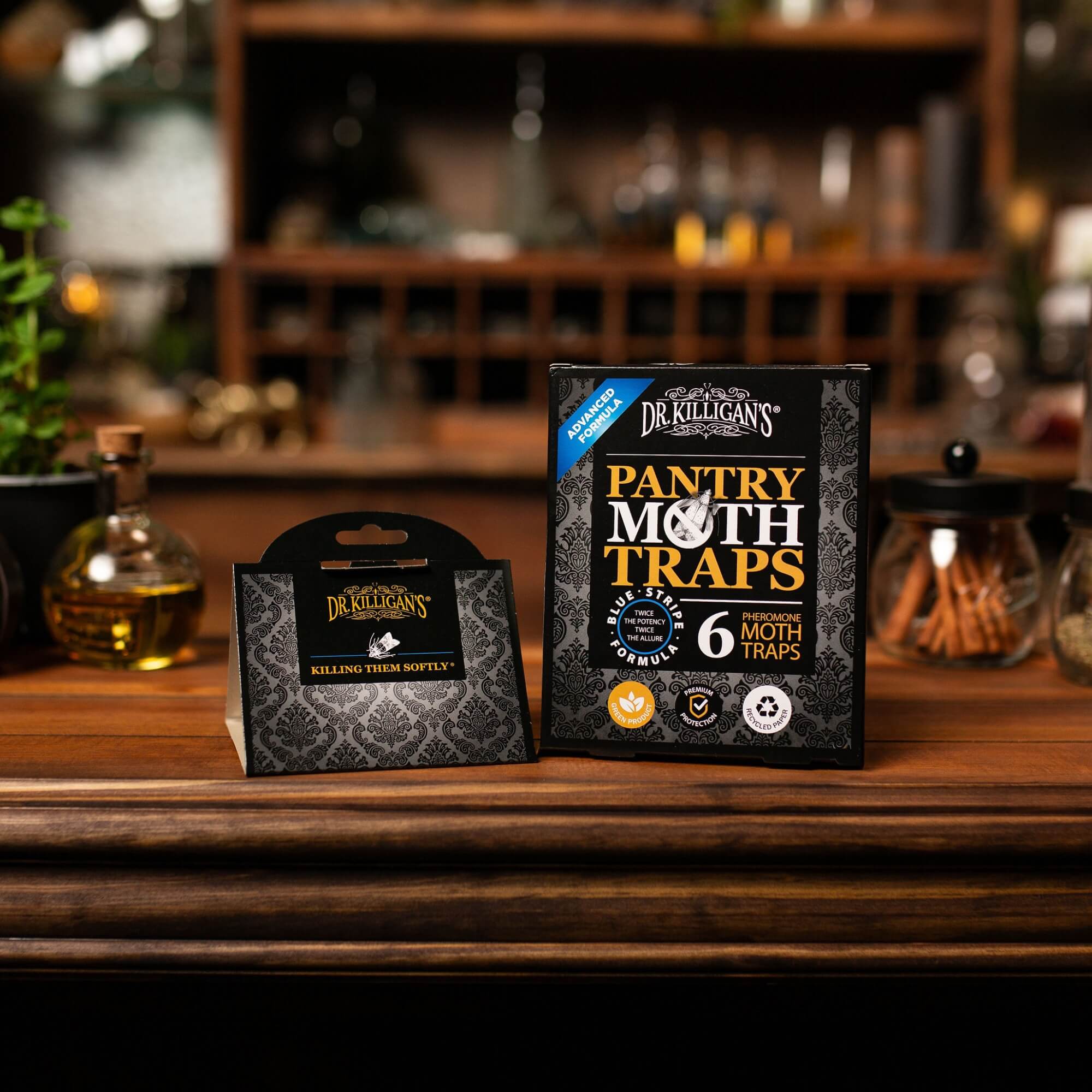
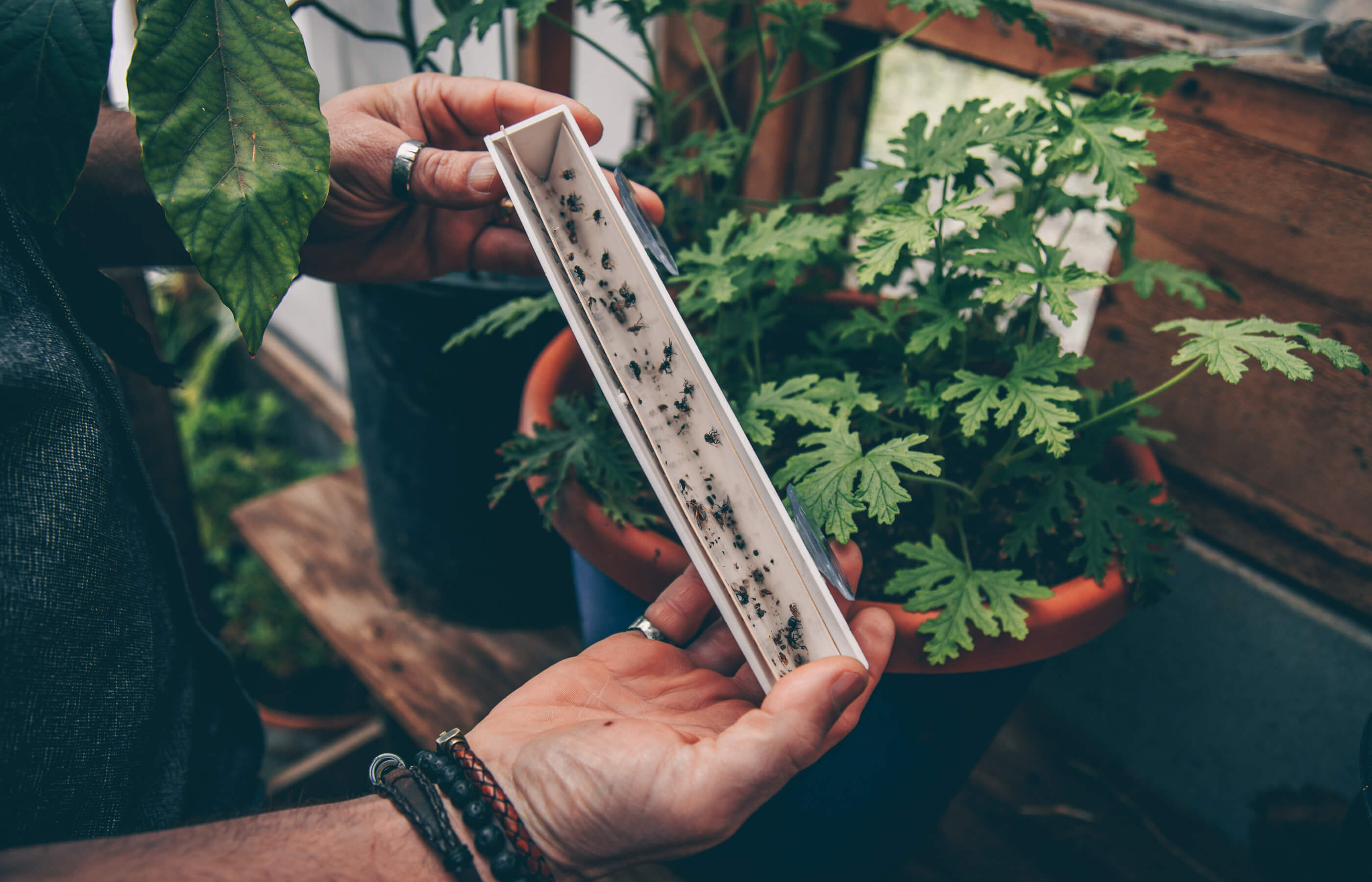
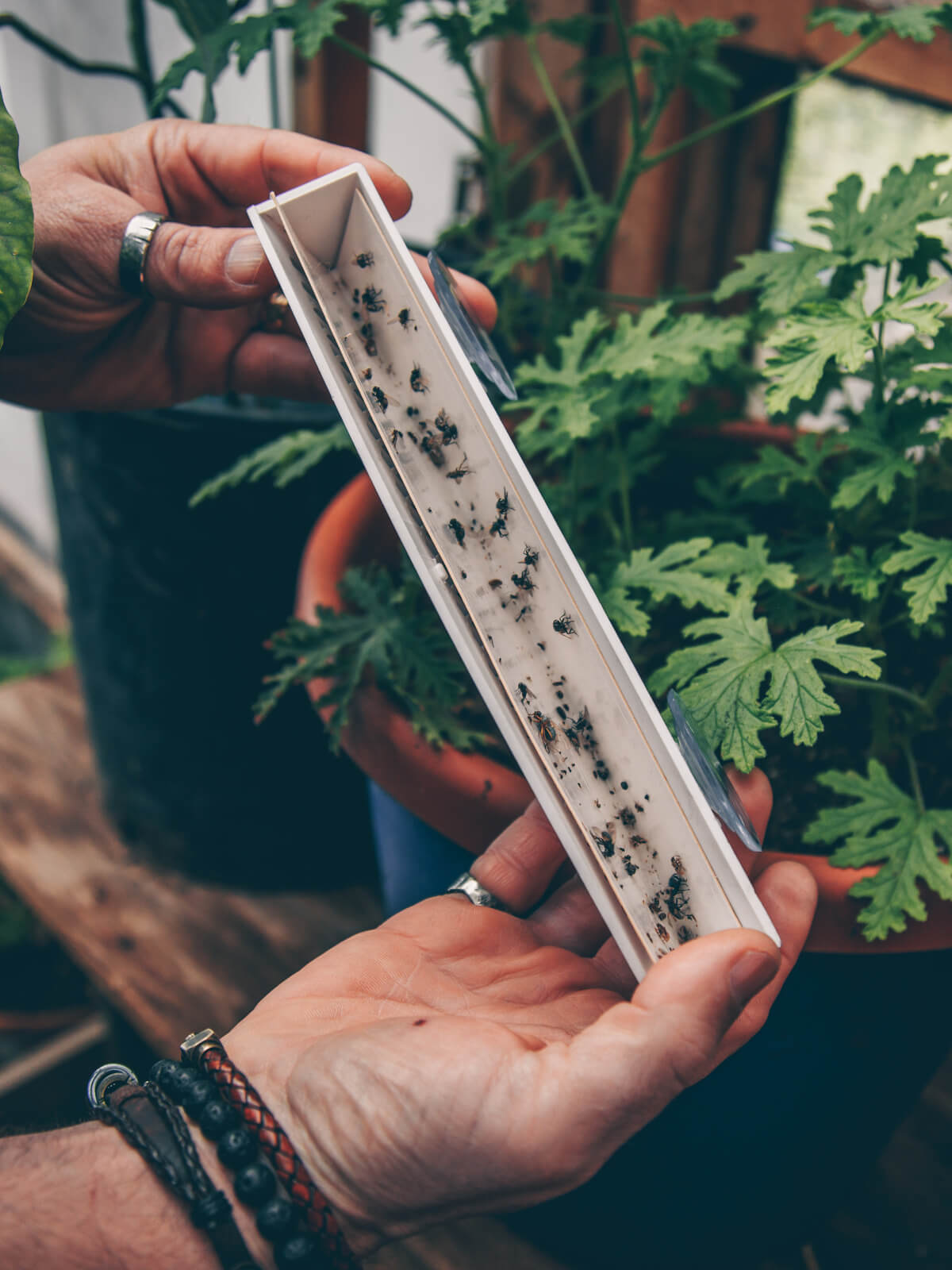
Traps are what stop the population from growing. Pantry Moth Traps lure in male moths, which ends the mating cycle. We recommend three: one on an open shelf in the rice cupboard, one on a kitchen counter and a third that completes a triangle, with a mix of high and low locations. Move a trap every few days until it starts catching. Mist any moths you see flying around with Six Feet Under.

Clear rice of pantry moths, step by step

  • Pour and look: clumps or webbing mean the rice goes.
  • Widen the check: grains, pasta, spices and other nearby foods.
  • Reset the shelves: vacuum, vinegar-and-water, then Six Feet Under.
  • Contain it: glass or metal containers that close completely.
  • Set the traps: Pantry Moth Traps in a triangle, high and low.

Related: How to get rid of pantry moths in flour and How to get rid of pantry moths in cereal.

Shop the full Pantry moth collection.

Field Notes from the Doctor's Journal

The Blog

View all
Hand Offering Dog Food Bowl to Dog

Pantry moths in dog food: Why they’re there and what to do

Published September 10, 2026Reviewed by Julie Miller, BA in Language Arts, Editorial Lead, Dr. Killigan’s TL;DR: Pantry moths can infest dry dog food just as readily as flour, cereal, grains and ot...
Yellowjacket on a pavement

How to get rid of yellowjackets around your home

Learn how to get rid of yellowjackets by identifying where they’re nesting, knowing when treatment makes sense and choosing the right approach for ground nests, wall voids and other problem areas a...
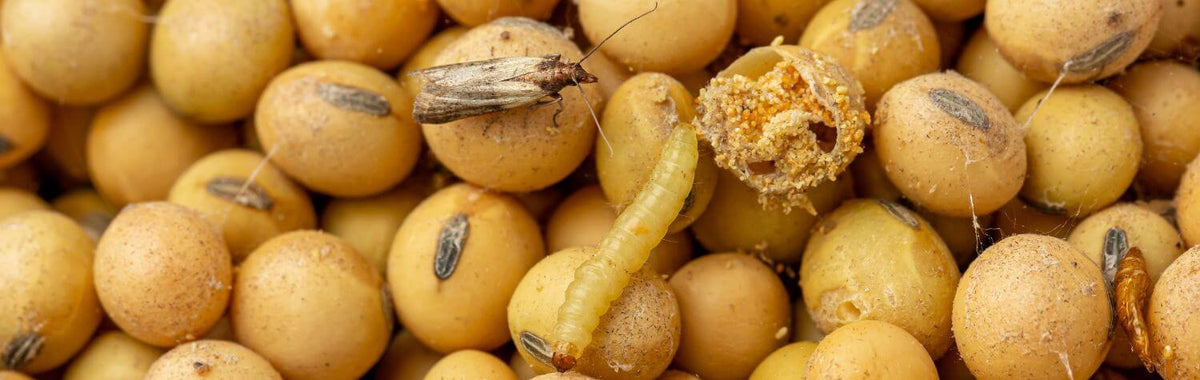
Pantry moth larva feeding on dried soybeans

How to get rid of pantry moths naturally: What works and what doesn't

Natural pantry moth control works when each method has the right job. Learn what freezing, vinegar, cedar and essential oils can do—and what it still takes to stop an infestation.
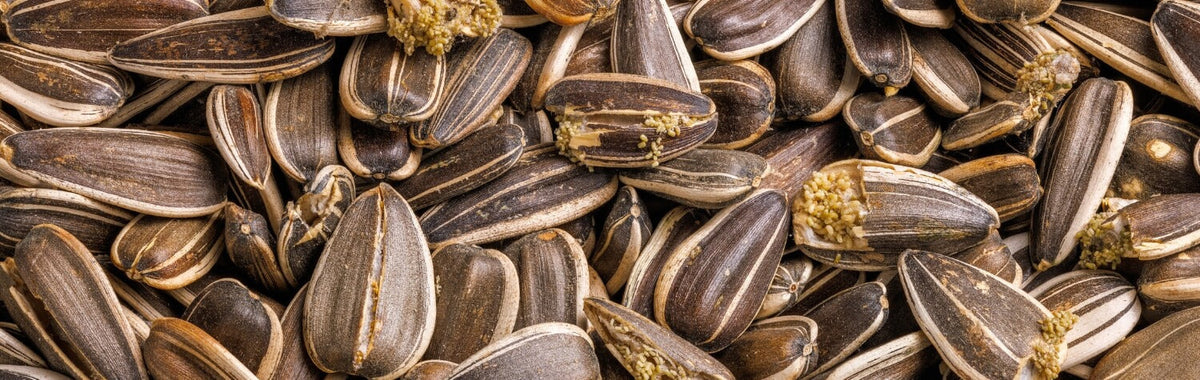
Sunflower seeds damaged by pantry moths

Pantry moth eggs: What they look like and what to do

Pantry moth eggs are difficult to see, so identification depends on the evidence around them. Learn how to inspect food, choose the right treatment and monitor what happens next.
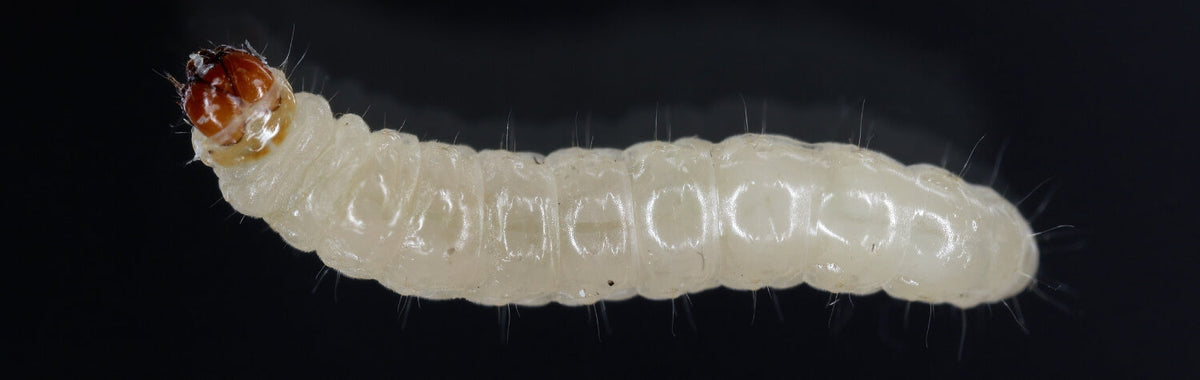
Close-up of a pantry moth larva

Pantry moth larvae: What they look like and how to get rid of them

Small white worms in your pantry, on a wall or even across the ceiling may be pantry moth larvae. Learn how to identify them, find their food source and break the infestation cycle.

Tick on human skin

What animals get ticks?

Ticks feed on a wide range of animals, but certain behaviors make some hosts more vulnerable than others. Discover which wildlife, pets and livestock are most likely to carry ticks and how to prote...
No harsh chemicals

All of Dr. Killigan’s products meet the EPA's criteria for "minimum risk" pest products, meaning they are safe when used as directed to use around people, pets and plants.


About Dr. Killigan

Dr. Killigan is the embodiment of our core values—Freedom, Spirit of Adventure, Excellence, Innovation, Joy and Honesty. He searches the world for the most effective pest solutions from nature, so you don't have to.


Satisfaction, guaranteed

Dr. Killigan's backs every pest solution with a 100% satisfaction guarantee: if you're not completely satisfied, we'll offer a refund or replacement, no strings attached.