
How to get rid of pantry moths in dog food | Non-toxic

Filters

Sort by:

How to get rid of pantry moths in dog food

A big bag of kibble is one of the most common and most overlooked ways pantry moths get into a home. Dog food is full of the grains and fats their larvae feed on. A bag left open or loosely closed lets moths pass in and out, spreading the problem. Here is how to clear them out and keep your pet's food protected, without any chemicals near what your dog eats.

Why dog food attracts pantry moths

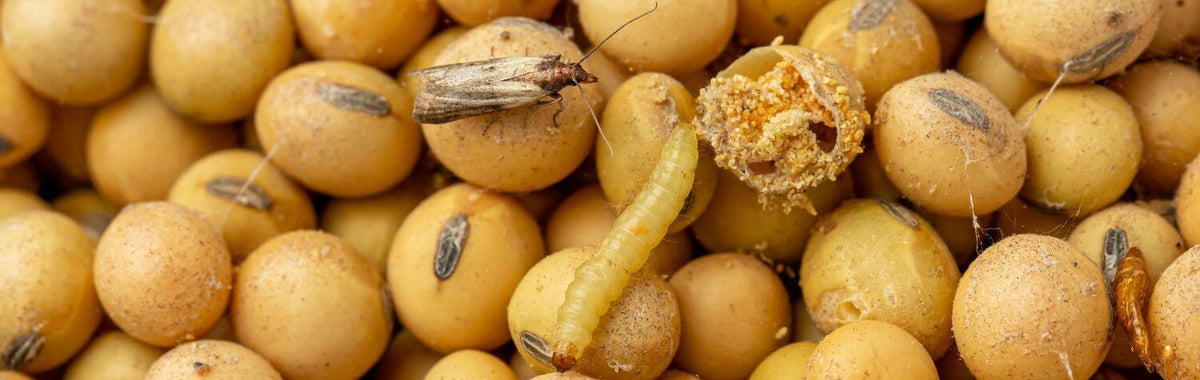
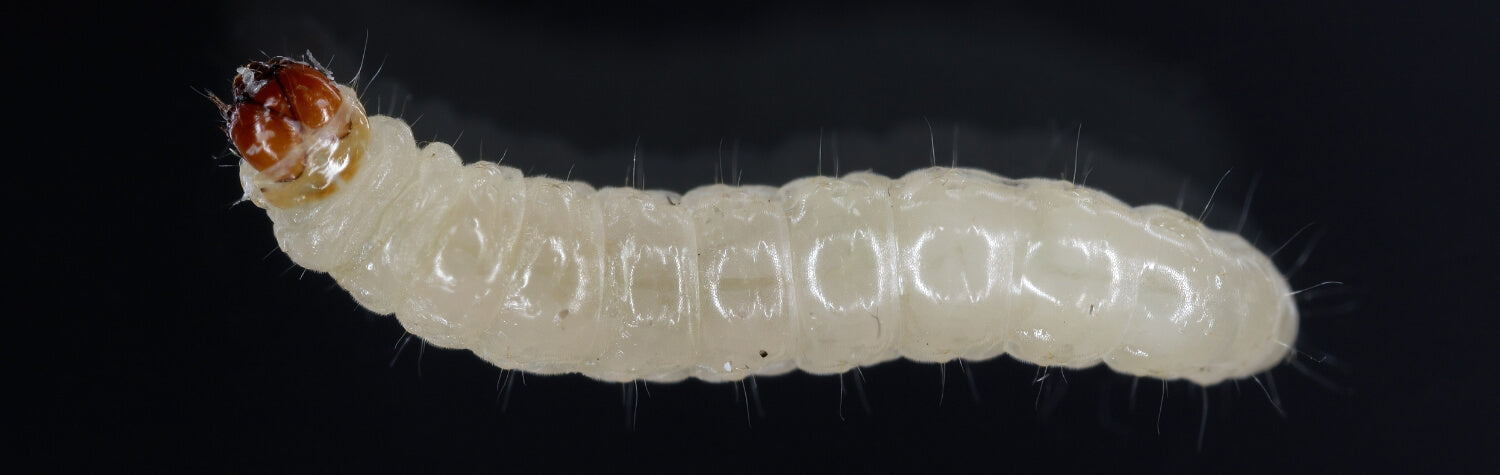
Pantry moths usually arrive as eggs already inside a new bag of dog food, hidden in the kibble from somewhere along the way to the store. Wherever the bag is kept, from a kitchen cupboard to a garage shelf, that warmth is all they need to hatch into larvae and multiply. Because a bag of dog food can sit around for weeks, an infestation has plenty of time to build before you notice the webbing. (More on the how and why: How to get rid of pantry moths in birdseed and Does pet food attract insects?)

The non-toxic fix for pet food

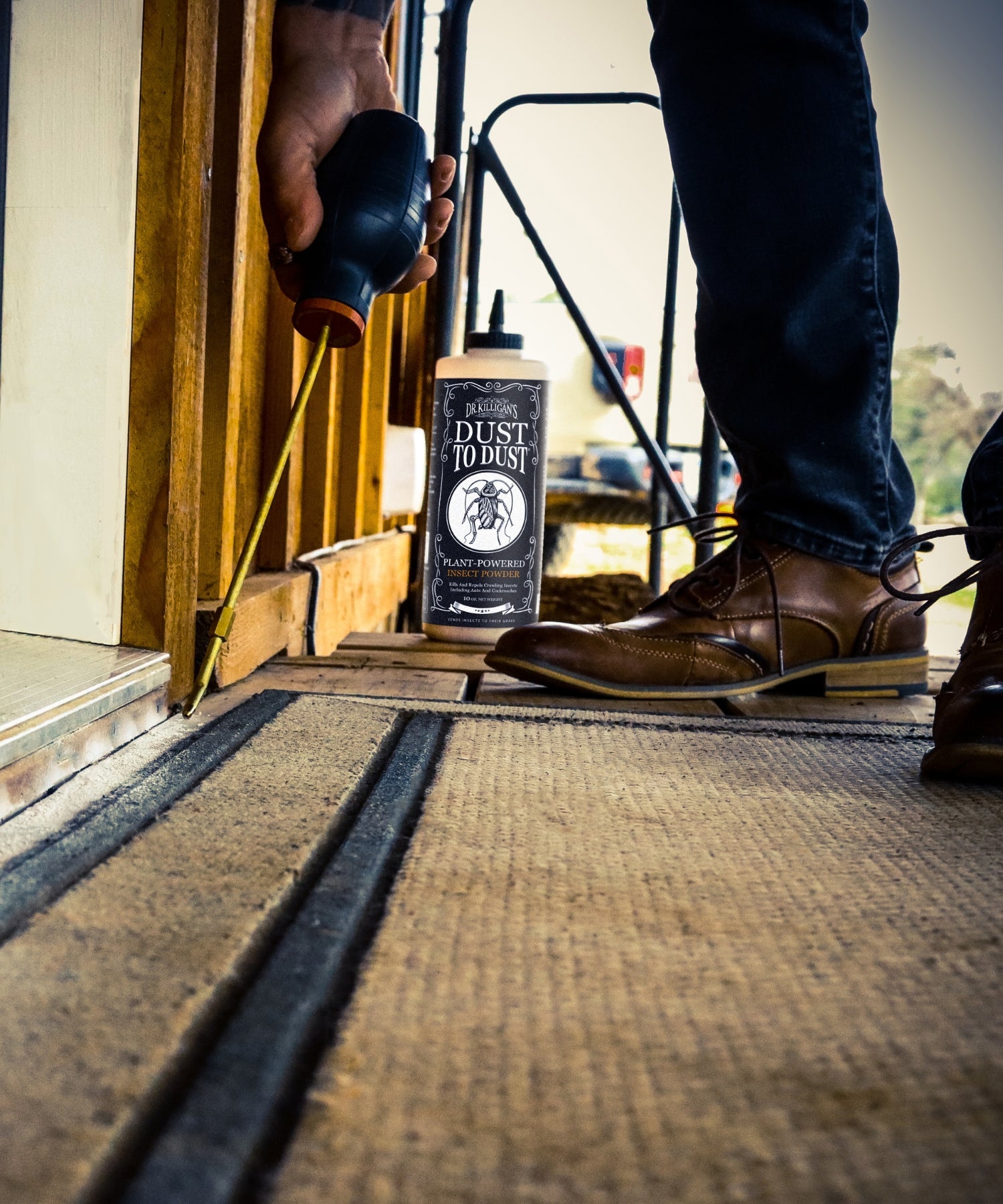
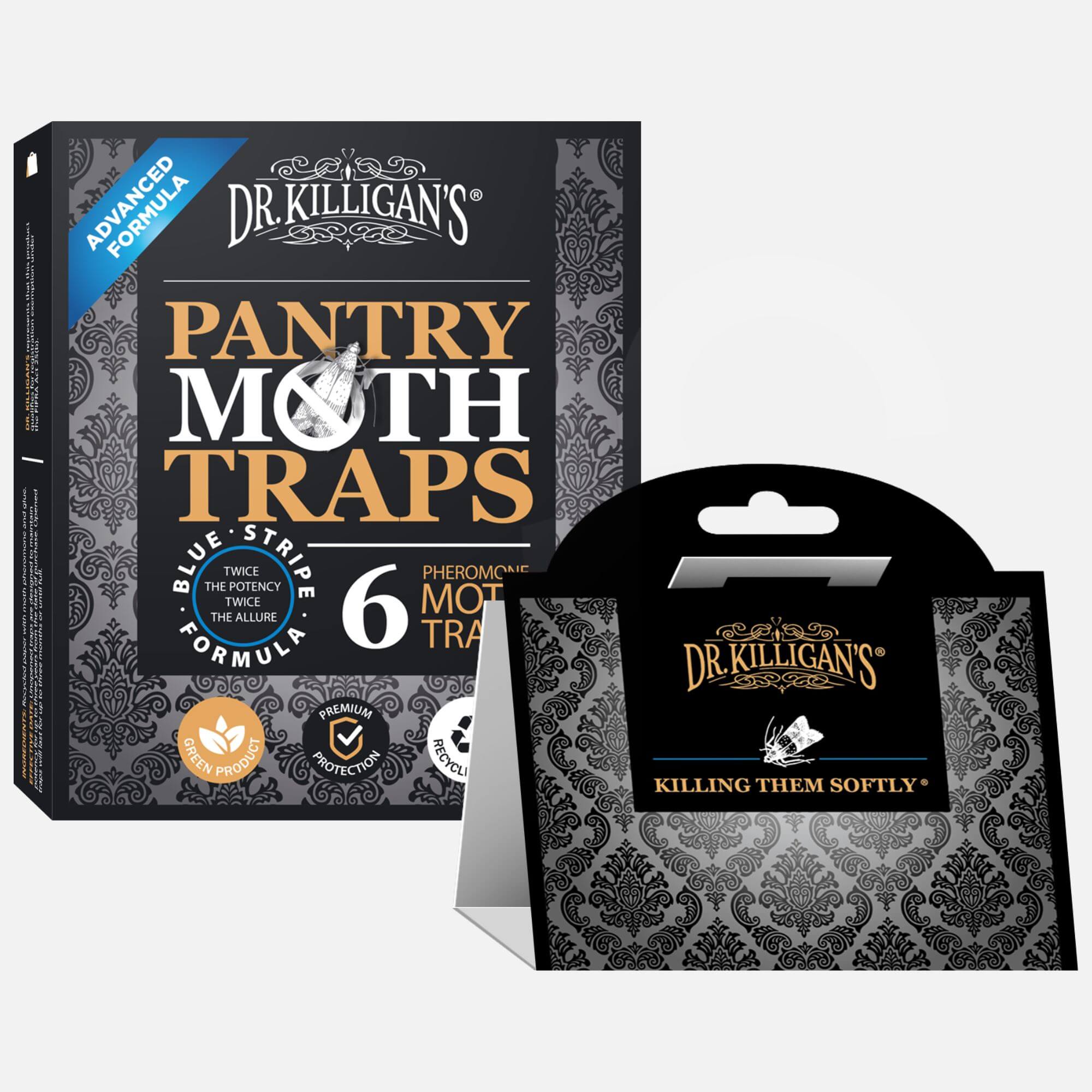
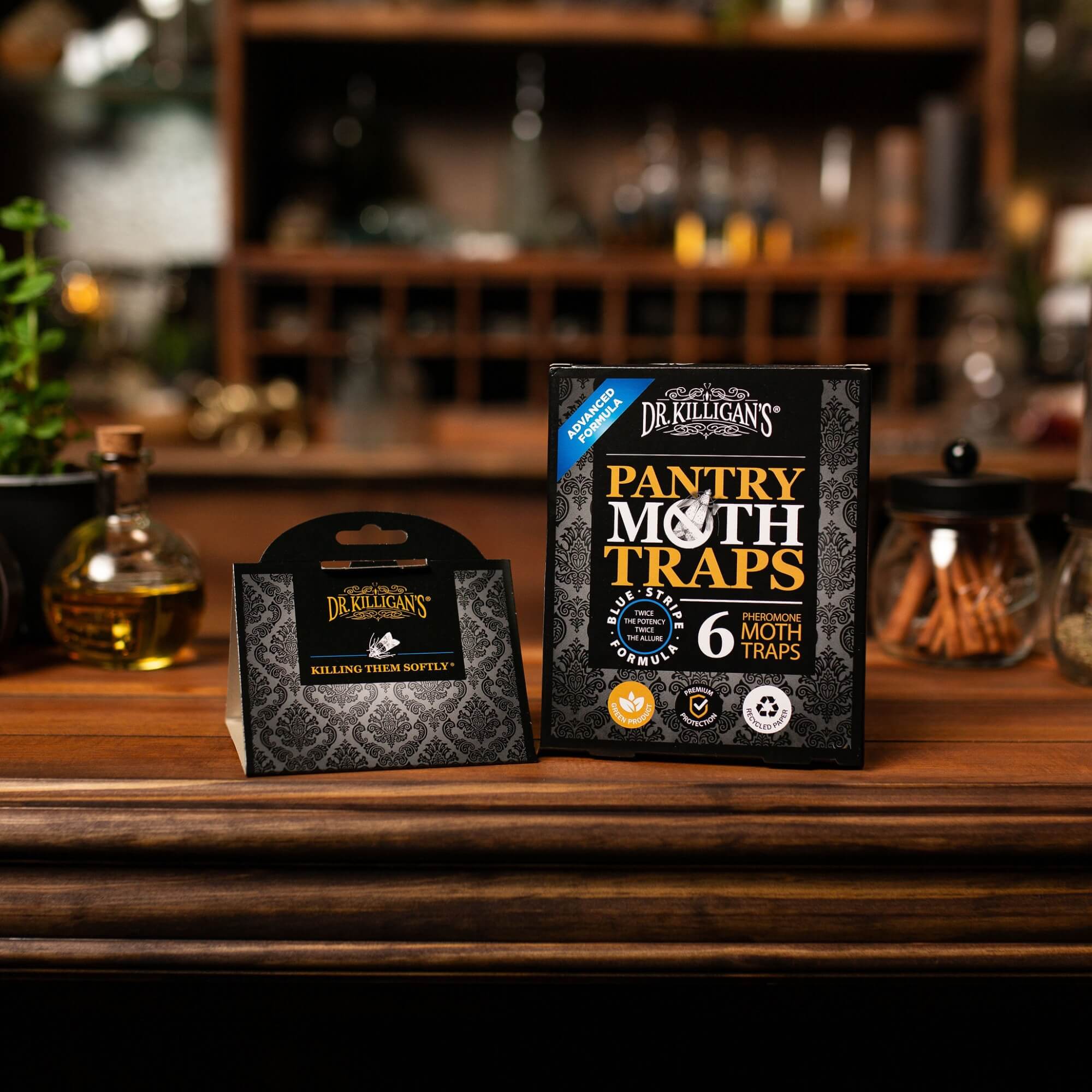
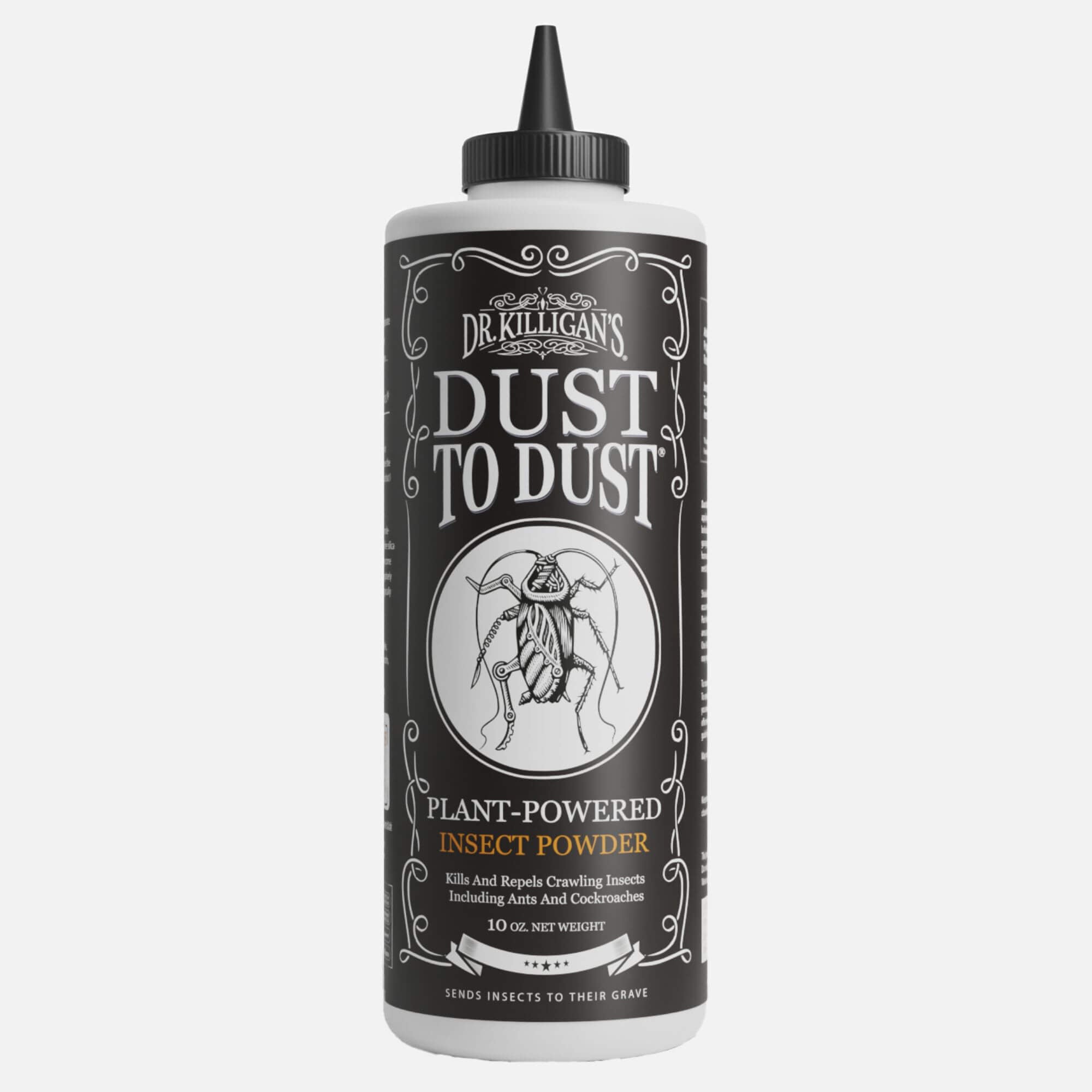
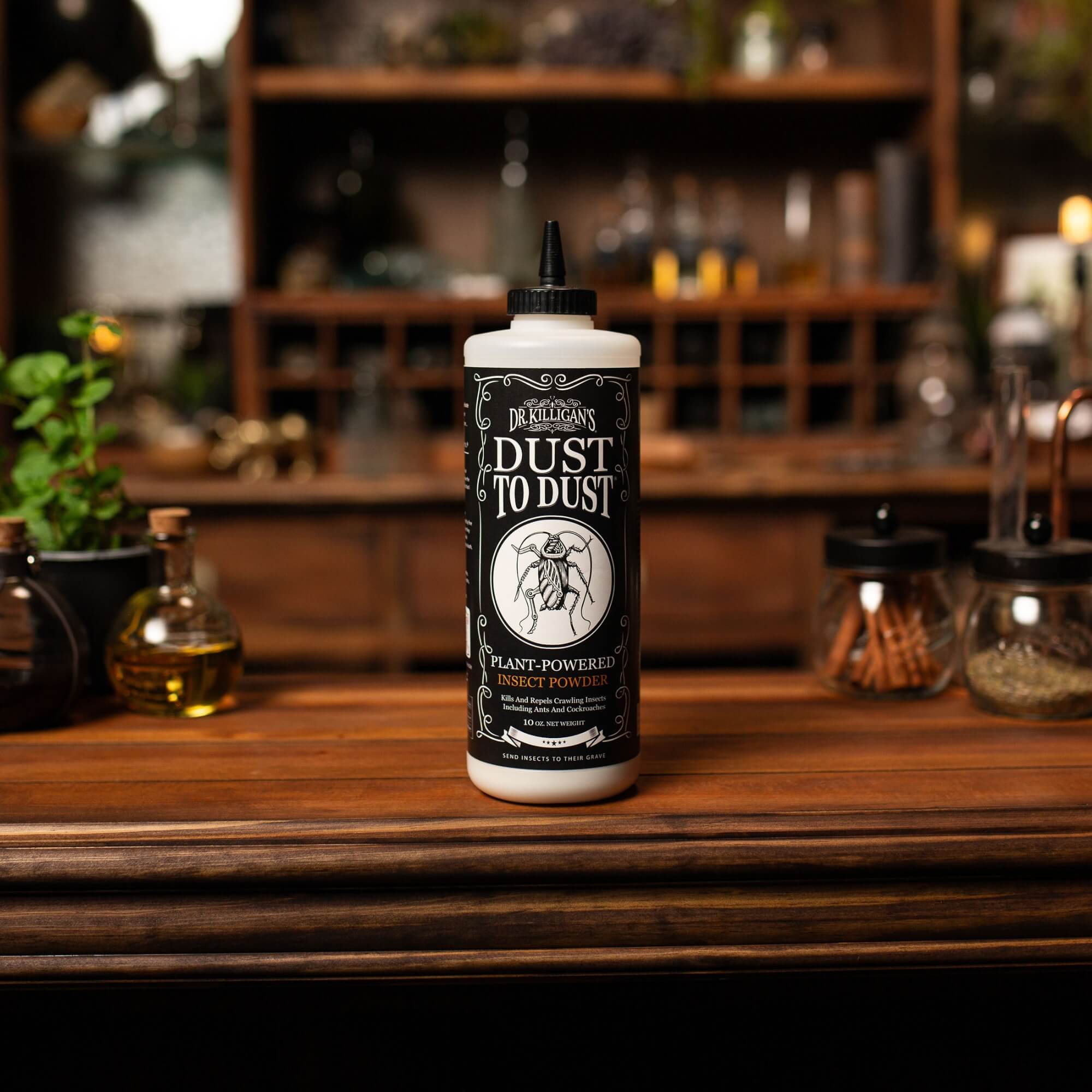
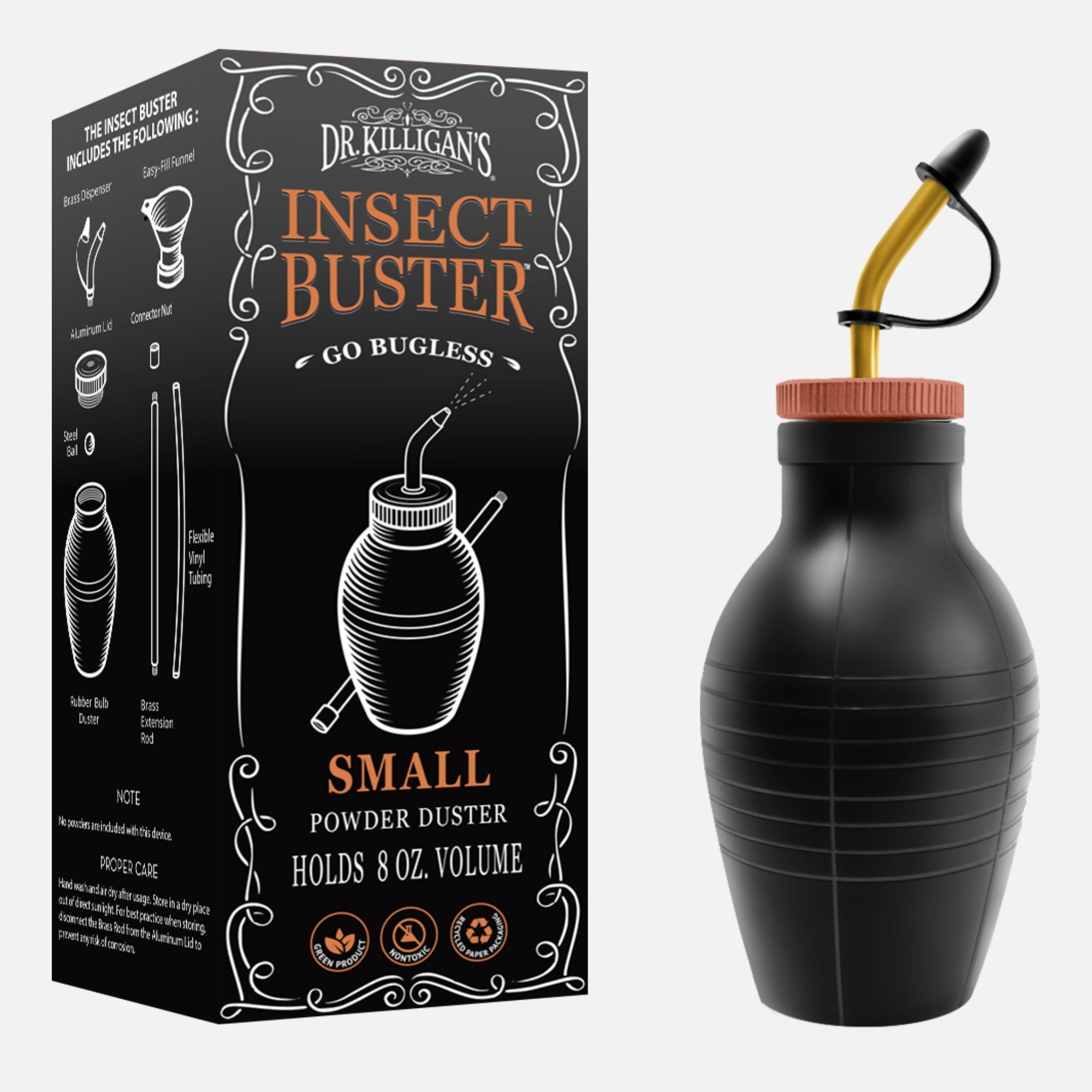
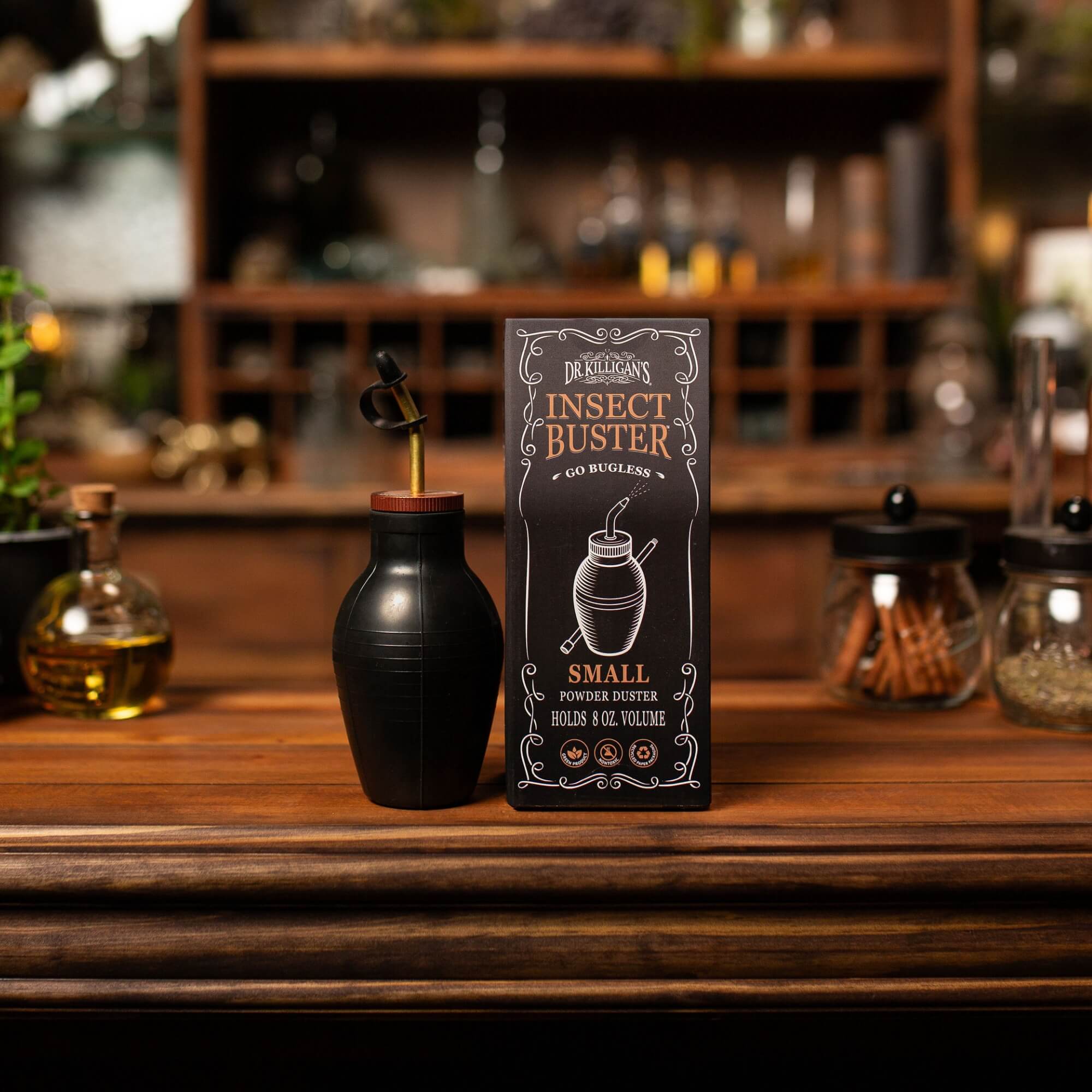
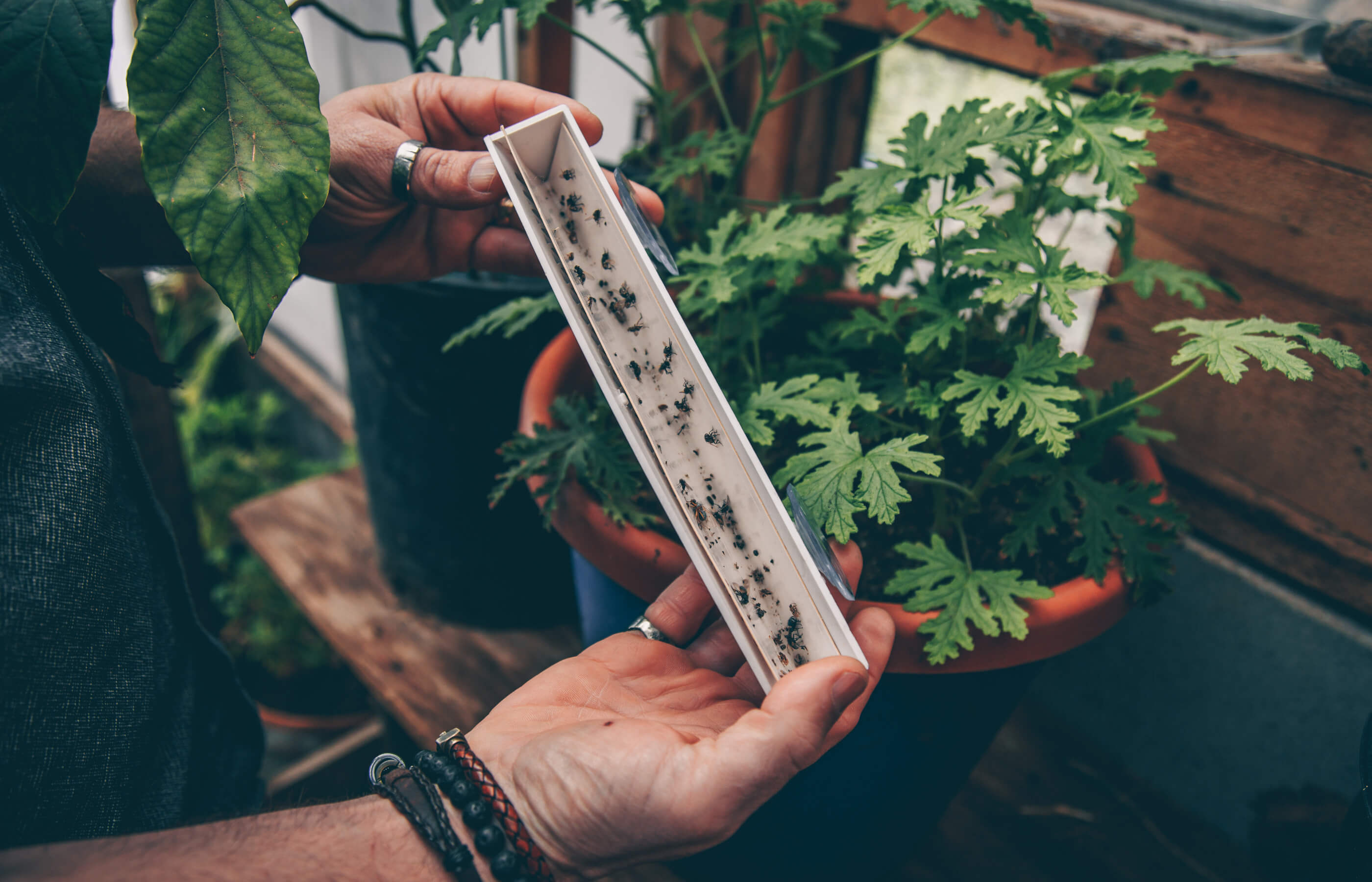
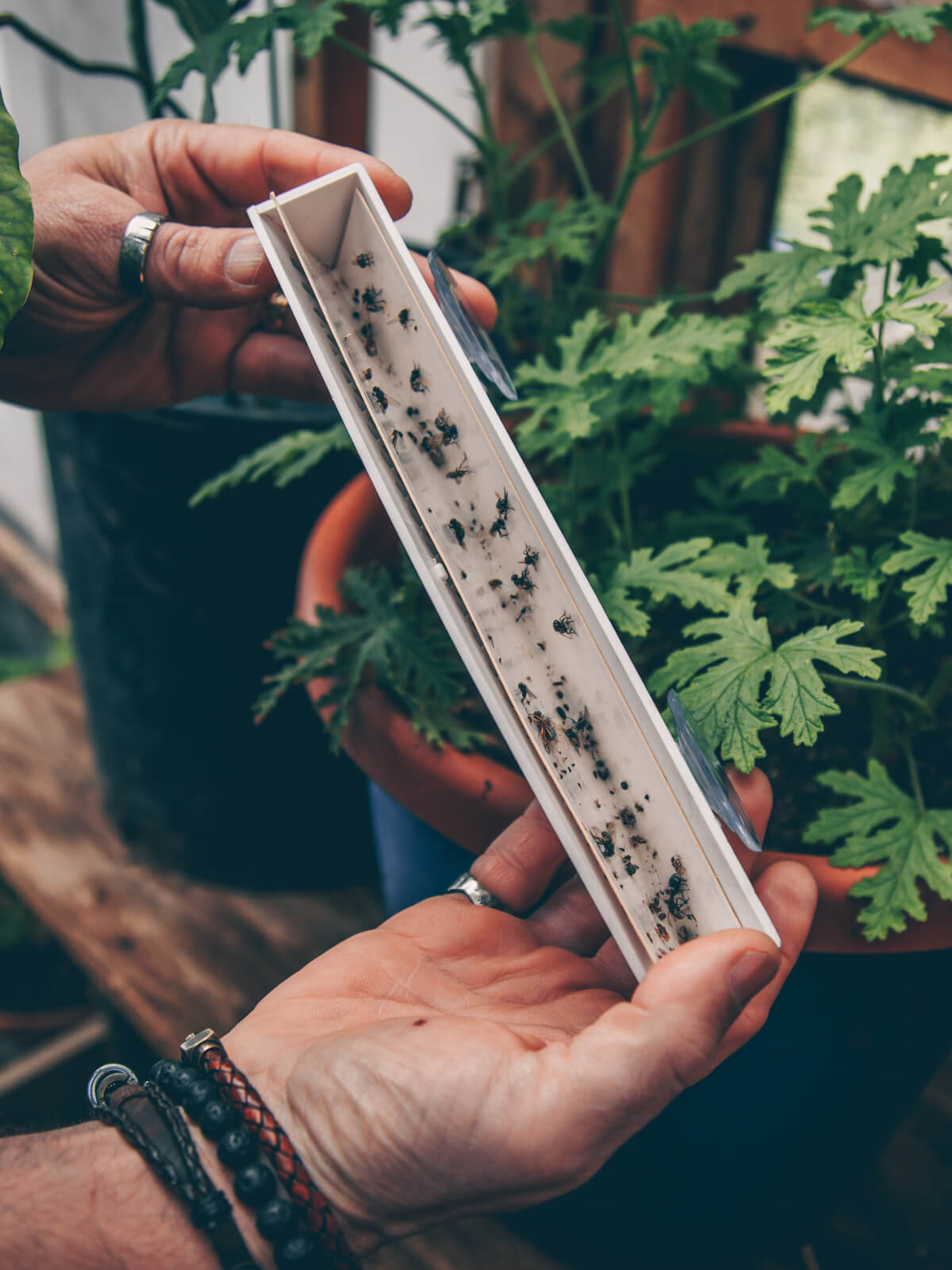
Throw out any dog food with webbing, clumping or larvae, since infested kibble is not worth keeping. If a bag looks clean but sat near the trouble, freeze it for a week to kill any hidden eggs before you trust it. Then move the kibble out of its bag and into a sealed metal or heavy plastic container, which both traps anything already inside and keeps new moths out. Hang a Pantry Moth Trap nearby to catch adult males and warn you early if the problem returns. If the food was kept in a cabinet, wipe it out and puff Dust to Dust in a thin, even layer into the cabinet cracks with the Insect Buster, keeping it off the food.

Protect your dog's food

  • Toss the infested kibble: discard any dog food with webbing, clumps or larvae.
  • Freeze if unsure: freeze a clean-looking bag for a week before you trust it.
  • Seal it up: move kibble into an airtight metal or heavy plastic container, out of the bag.
  • Monitor with a trap: hang a Pantry Moth Trap nearby to catch males and warn you early.
  • Treat the cabinet: if the food sat in a cabinet, puff Dust to Dust into its cracks, never on the food.

Related: How to get rid of Indian meal moths and How to get rid of pantry moths in the kitchen.

Shop non-toxic pantry moth control → browse the full Pantry moth collection.

Field Notes from the Doctor's Journal

The Blog

View all
Tick on human skin

What animals get ticks?

Ticks feed on a wide range of animals, but certain behaviors make some hosts more vulnerable than others. Discover which wildlife, pets and livestock are most likely to carry ticks and how to prote...
Spring Home

How to keep bugs out of the house

Bug problems start at the edge of your home. Learn how to stop them early, apply perimeter pest control with confidence and build a stronger barrier with Barricade.

Winter home

Where do earwigs go in winter (and why they show up indoors)

Wondering where earwigs go in winter? Here’s why they reappear indoors, what cold weather changes and what to do to prevent repeat sightings.

fliesThree flies on a stick branch

Why am I seeing flies in my house? (Cluster flies vs houseflies)

Big, slow “winter flies” are usually cluster flies or houseflies. Learn the difference fast, why they show up indoors and what to do when they keep gathering at your windows.

fliesBiting midge shown close up for identifying midge bites

Midge bites: What they look like and how to stop biting midges

Small, itchy red marks may point to biting midges. Learn how to identify midge bites, compare them to other bug bites and reduce biting midges around your home.

mitesHow to get rid of dust mites: A simple, science-based guide

How to get rid of dust mites: A simple, science-based guide

A simple, science-based routine to reduce dust mites and allergen buildup in your bed and home, including what kills dust mites instantly (and what doesn’t), plus how to clean dust mites from a mat...

No harsh chemicals

All of Dr. Killigan’s products meet the EPA's criteria for "minimum risk" pest products, meaning they are safe when used as directed to use around people, pets and plants.


About Dr. Killigan

Dr. Killigan is the embodiment of our core values—Freedom, Spirit of Adventure, Excellence, Innovation, Joy and Honesty. He searches the world for the most effective pest solutions from nature, so you don't have to.


Satisfaction, guaranteed

Dr. Killigan's backs every pest solution with a 100% satisfaction guarantee: if you're not completely satisfied, we'll offer a refund or replacement, no strings attached.