Little black ants tend to show up as a thin, slow-moving line of tiny, shiny ants across a kitchen floor or counter. To get rid of the ones you see indoors, clear the trail, remove what draws them in and close off the way in, then guard the outside of your home. Here is how.
Why little black ants leave their outdoor nests for your home
Little black ants (Monomorium minimum) nest outdoors, under stones, in logs and yard debris, in landscape mulch or in weathered wood such as tree stumps and fences. The ants you see inside are workers searching for food, water or shelter, and your home can offer all three.
Food is one of the main attractions. Little black ants eat both sugars and proteins, and a colony's needs change with the season. In spring, a colony needs protein to nourish its developing young, whereas later in the summer it needs sugars as a source of energy. Indoors, they go after:
- Sugars, such as candy and sugary spills
- Proteins and fats, such as meat, cooking oil and grease
A worker that finds either one lays down a scent trail, and others from the colony follow it in. (Related read: How do you get rid of ant trails?)
Ants look for water all summer, and a long, dry heat wave sends more of them indoors in search of it. A leaking fixture or a pipe that collects condensation gives them a supply that does not dry up.
Shelter plays a part. Heavy rain can push ants indoors, and wall voids and cabinet voids give some colonies a protected place to nest.
How to get rid of little black ants
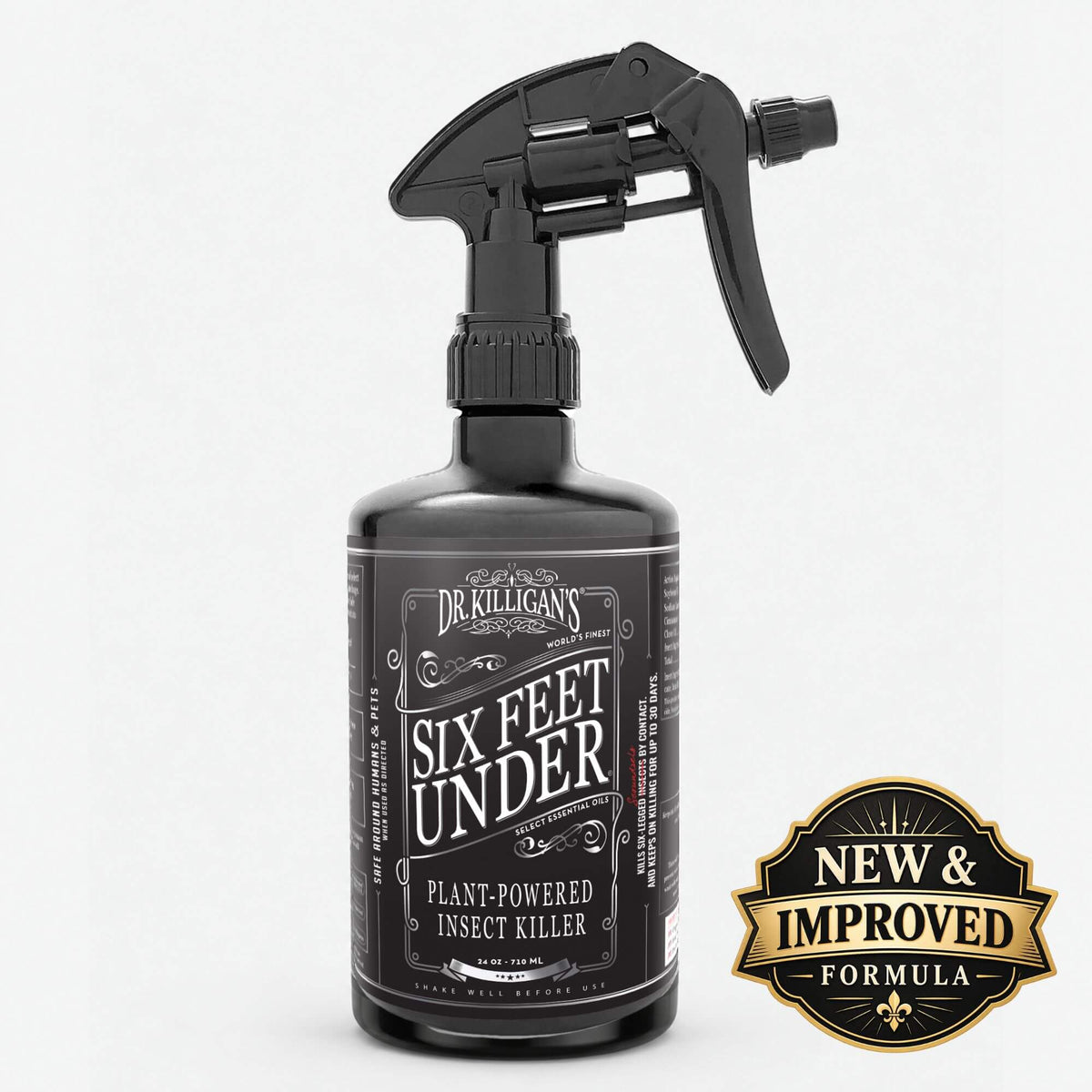
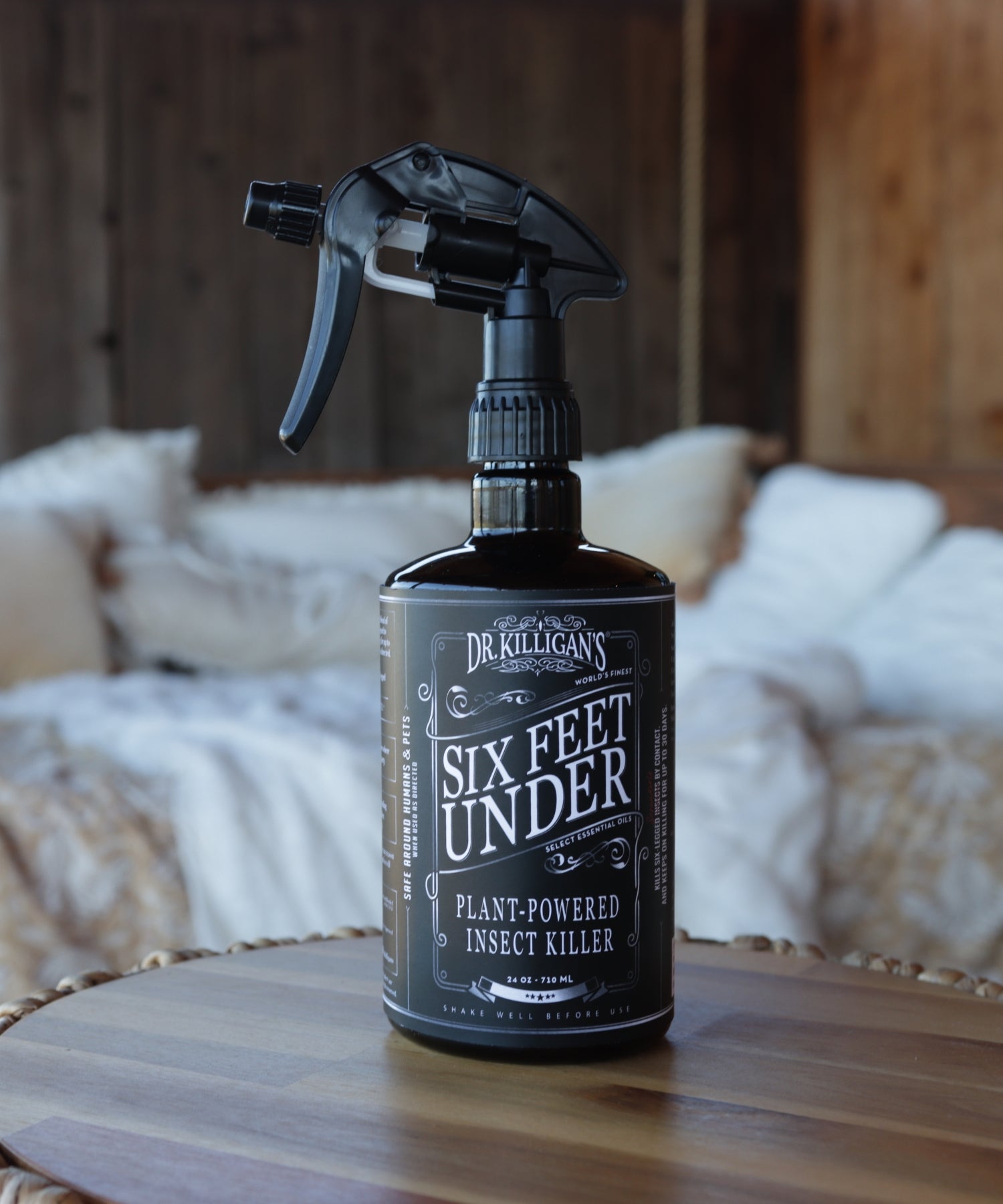
Begin with the trail. Spray the ants you can see, and the path they were following, with Six Feet Under, made with plant-derived ingredients, which kills on contact and disrupts the scent trail. Its residual effect keeps killing for 30 days, even after it dries.
Next, remove what drew them in. Keep candy and other opened sweets in containers that close securely, wipe up sugary spills and remove cooking grease and oil from the stovetop and the counters around it.
Then give them nothing to drink. Fix leaking pipes and spigots, and dry off any pipes that collect condensation.
With the food and water sources removed, work out where the nest is, because that tells you where to treat. The ants themselves give you the clue:
- Wingless workers are the slow-moving ants walking the trail. If they are the only ants you see, the nest is most likely outdoors, close to the house.
- Winged ants are the colony's future queens and males, which leave the nest in summer to mate. They come from the nest itself rather than from foraging, so winged ants indoors suggest a nest inside the home, in a wall void, a cabinet or a crack in the foundation.
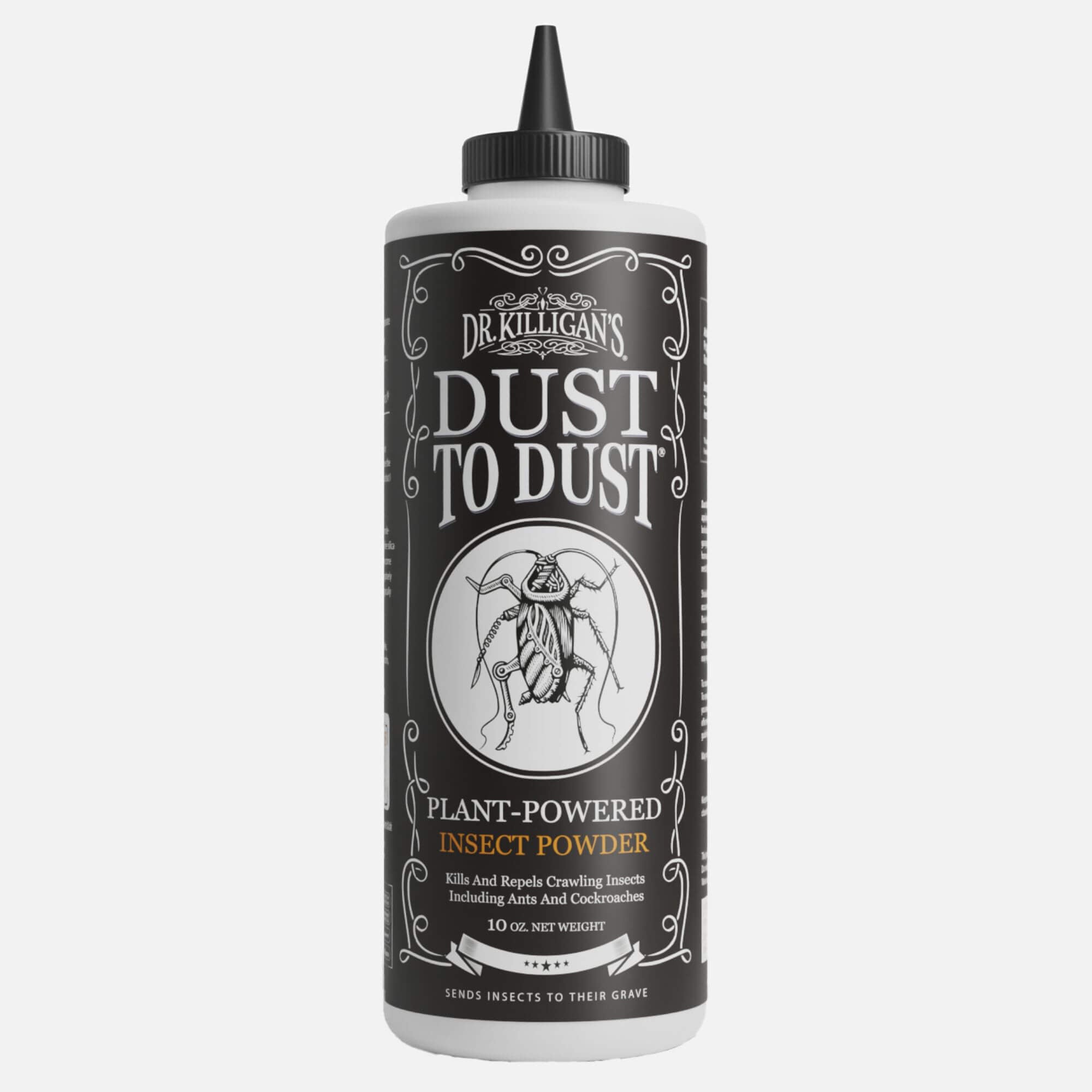
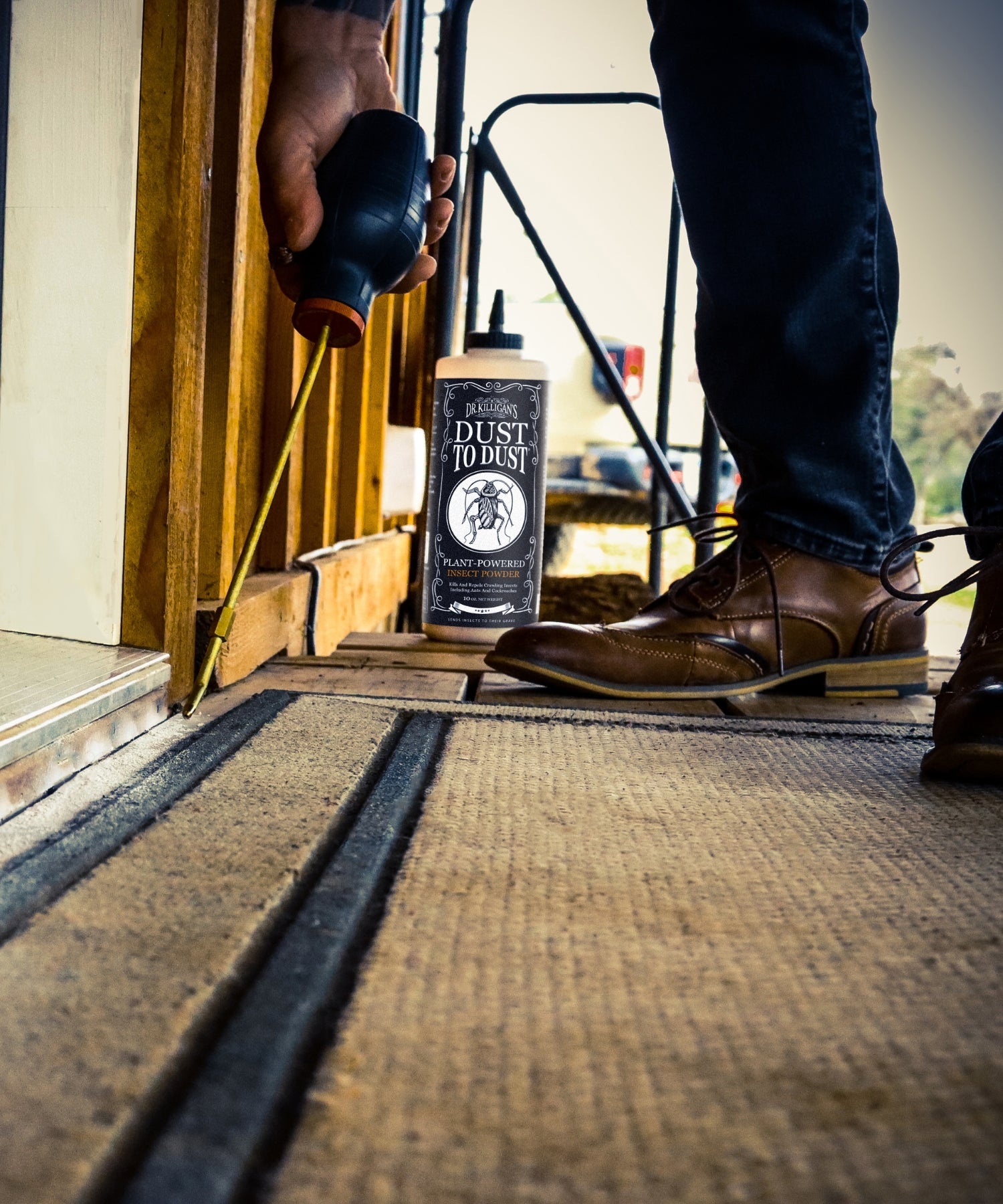
Either way, follow the path you sprayed back to where it enters the room, whether that is a gap around a window or door frame or an opening around a pipe at the back of a cabinet. Apply Dust to Dust, a plant-powered insect powder that kills and repels, into that opening, where it remains active against ants that walk through it. If the nest is inside a wall, treat each crack and gap along that wall where ants come and go.
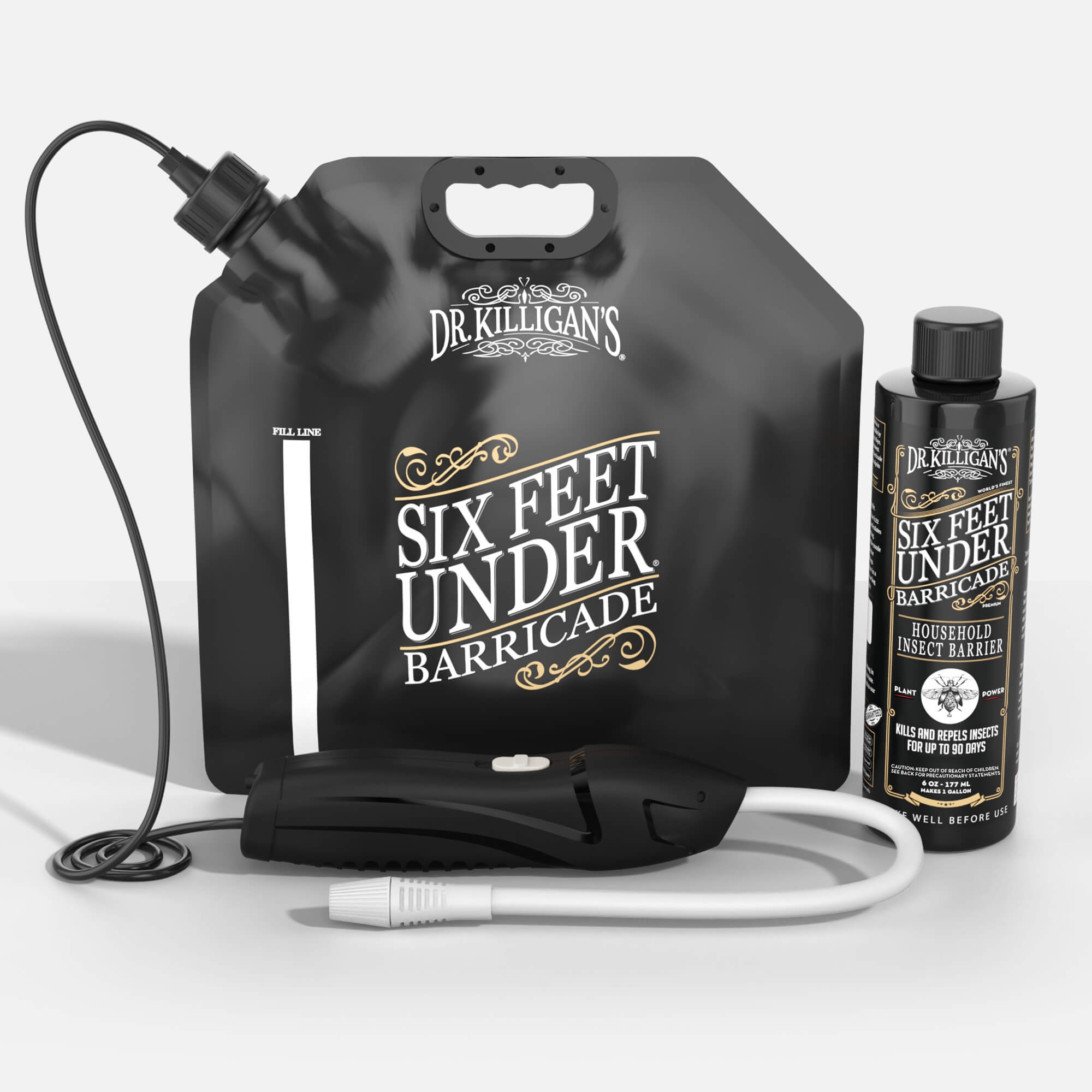
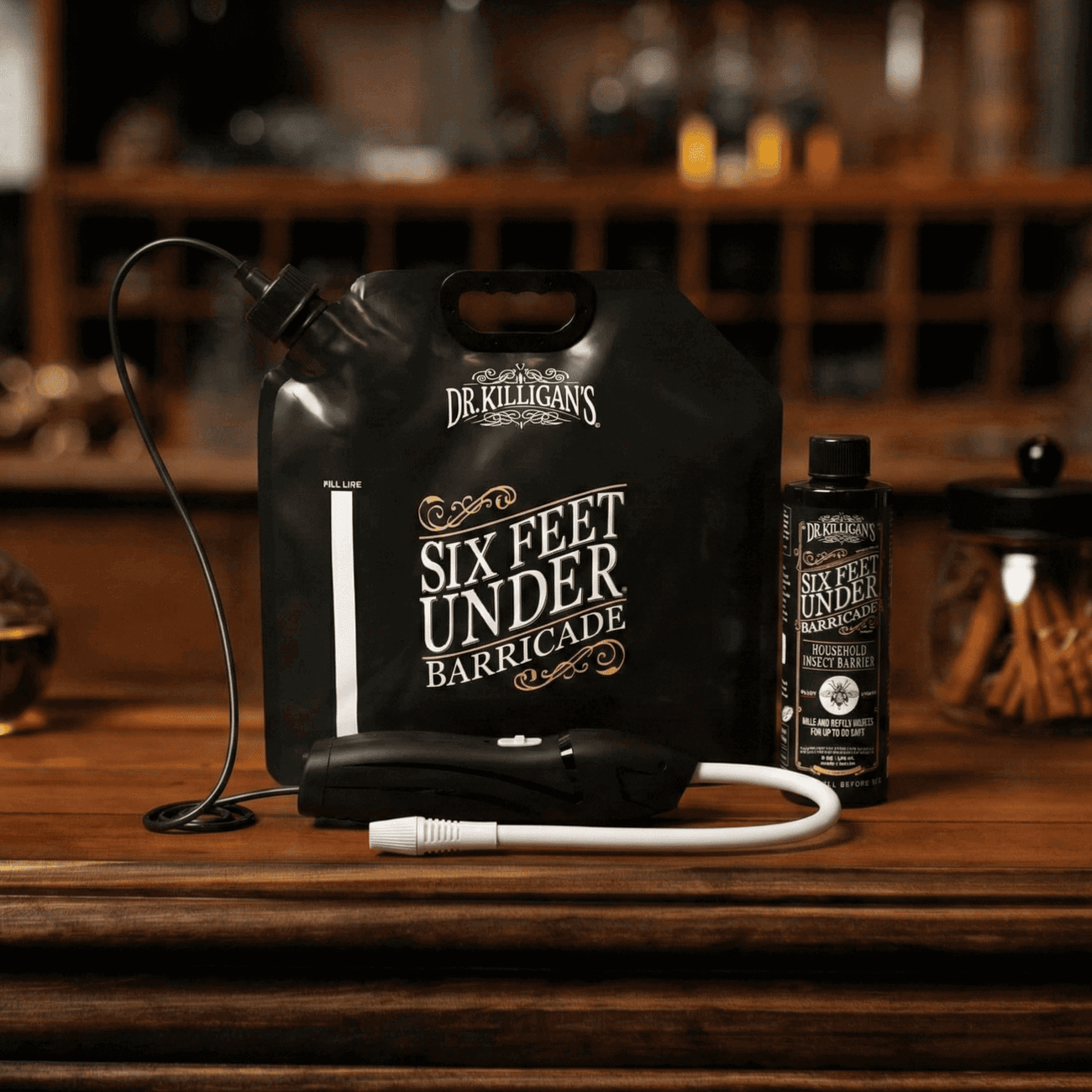
Next, protect the outside of your home. Apply Six Feet Under: Barricade around the perimeter of your home. One application creates a barrier that kills and prevents 50+ types of common household bugs, ants among them, for up to 90 days.
If the ants are coming from a nest outdoors, follow the trail back from the point where it leaves the house. Look along the foundation for cracks the ants use, lift the stones, boards and edging near the trail, then check mulch beds, woodpiles and old stumps nearby. A colony can hold thousands of workers and several queens, so the aim is to stop the ants that reach your home, not to remove every ant outdoors. Spray the ants you uncover with Six Feet Under, then apply Dust to Dust where they gather. Little black ants move their nest quickly when disturbed, so treat each spot as soon as you find it.
To keep them from returning, rake mulch and leaves back 10 to 12 inches from the foundation, trim any vegetation that touches the wall and move woodpiles away from the house. Once activity stops, seal the gaps you treated with caulk.
Leave both treatments in place. Ants that cross the sprayed path meet the residual effect of Six Feet Under, and those that reach the opening meet the Dust to Dust. After 30 days, spray the path again and refresh the powder. With the entry treated, the food put away and a barrier outside, there is nothing left to draw the colony indoors.
Stop little black ants, step by step
- Clear the trail: Six Feet Under on the ants and the path they follow.
- Put food away: sweets closed up, spills and grease removed.
- Remove the water: leaks fixed, pipes dried.
- Read the signs: wingless workers point outdoors, winged ants point indoors.
- Dust the opening: Dust to Dust where the trail enters.
- Guard the outside: Six Feet Under: Barricade around the perimeter.
- Follow the trail outdoors: spray and dust where the ants gather.
- Clear the foundation: mulch and leaves raked back 10 to 12 inches, vegetation trimmed, woodpiles moved.
- Seal the gaps: caulk where you treated, once activity stops.
Related: How to get rid of ghost ants and How to get rid of odorous house ants.
Shop the full Ants collection.