


How to Get Rid of Ants on the Patio

Filters

Sort by:

3 products

Up to 38% Off
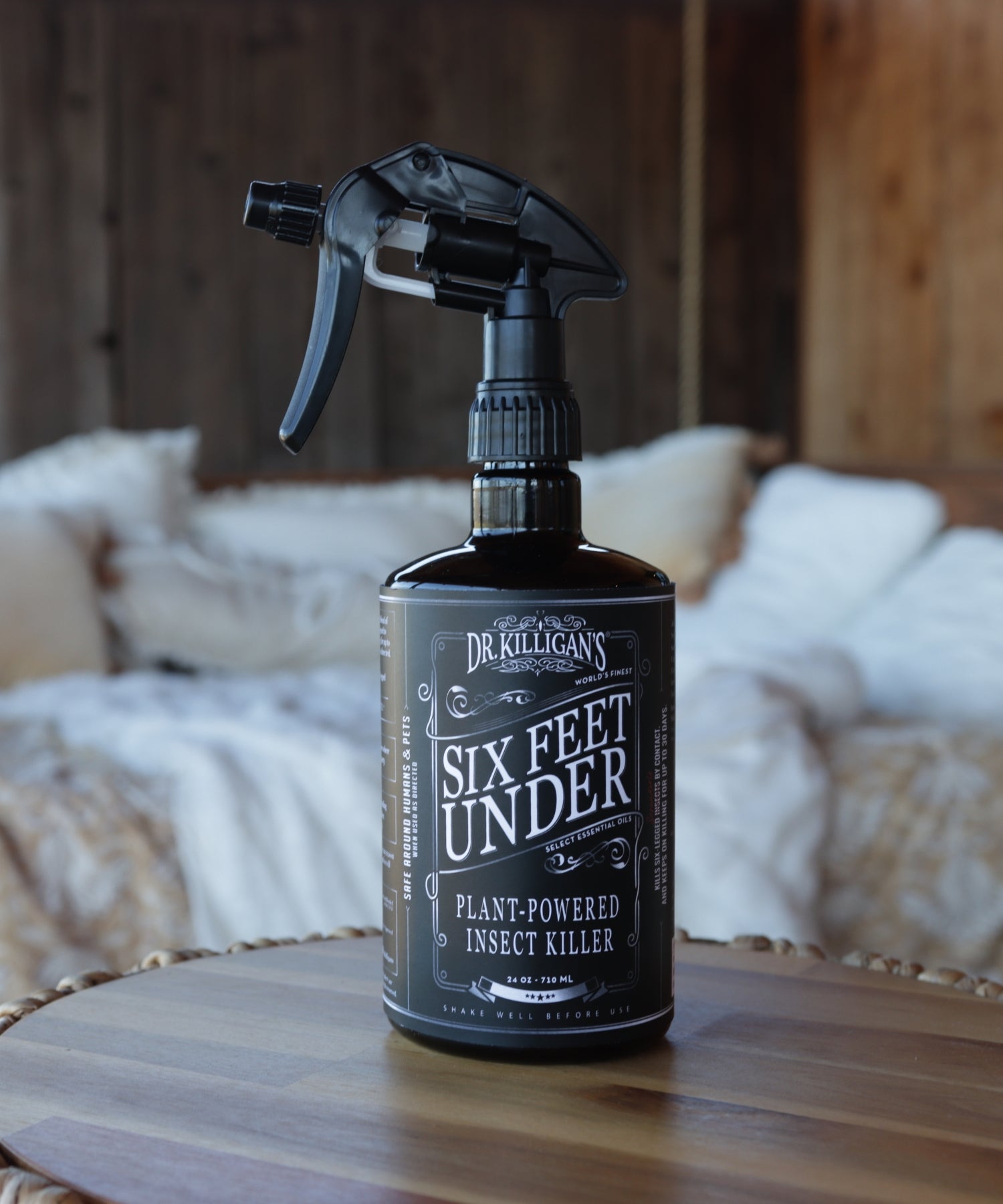
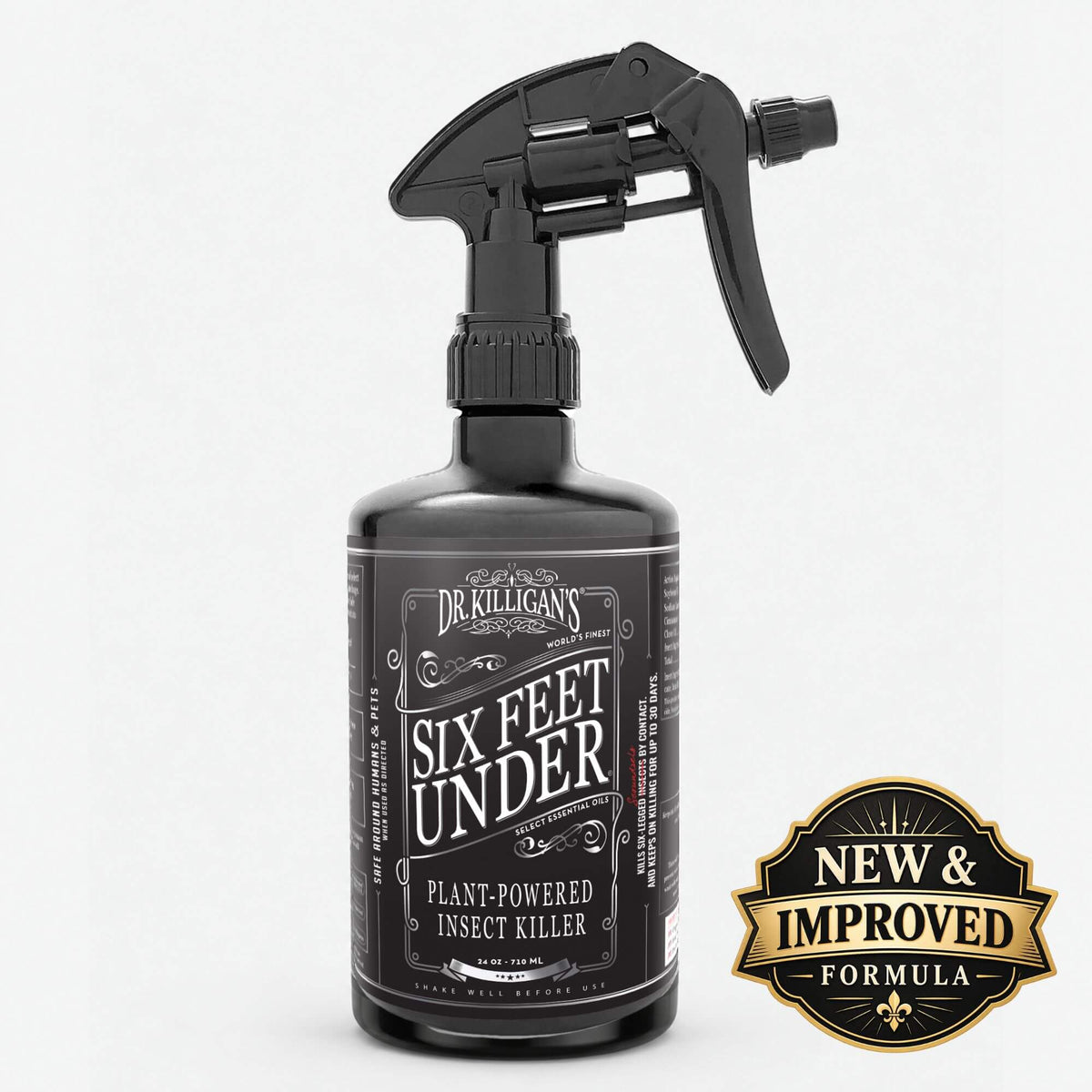
Dr. Killigan's six feet under 24oz bottle on grey background with a badge saying there is a new and improved formulaBlack spray bottle labeled 'Six Feet Under' on a wooden surface with a blurred background
Sale priceFrom $15.27 Regular price$17.97($0.64/oz)
4.7
Up to 23% Off
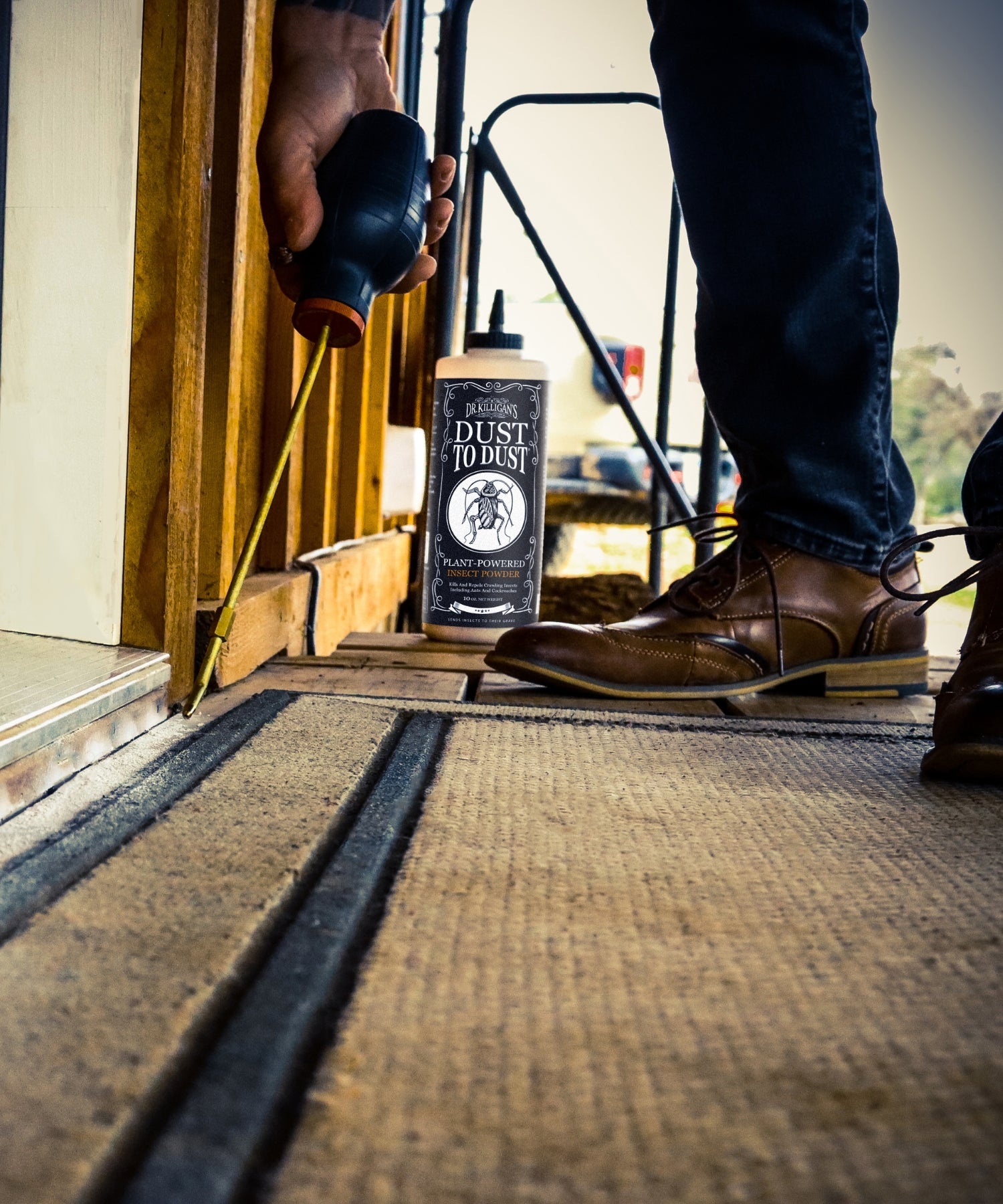
dust to dust insect powder 10oz #multipacks_10 oz. bottleBottle of 'Dust to Dust' insect powder on a wooden surface with a blurred background
Up to 60% Off
Dr. Killigan's Six Feet Under Barricade kit on grey background #household size_under 2500 sq ftSix Feet Under: Barricade – 90-Day Whole Home Insect Killer & Barrier (DIY Pest Control Kit)

Ants on a patio tend to show up as small mounds of sand between pavers and a trail heading for the table or the grill. The nest is usually right under the patio. Getting rid of them means taking away what feeds them, treating the joints and cracks they come up through and guarding the patio edges. Here is how.

Why ants nest under your patio

Pavement ants (Tetramorium immigrans) are named for the pavement they nest under: patio slabs, pavers, flagstone and the edges of concrete. The soil beneath the patio gives the colony shelter, and what happens on top of it gives the colony food.

Outdoor meals feed the colony. Pavement ants go after sweets, grease and crumbs, so spilled juice or soda, food dropped under the table and grease on and around the grill draw a trail across the patio. Pet food bowls left outside add more. (Related read: How do you get rid of ant trails?)

If the patio meets the house, it also gives ants a short path inside, through gaps under sliding doors and cracks in the foundation.

How to get rid of ants on the patio

Start after every outdoor meal. Wipe the table, sweep up crumbs under it, hose off sugary spills and wipe grease off the grill and the patio beneath it. Bring pet food bowls inside once your pet is done eating.

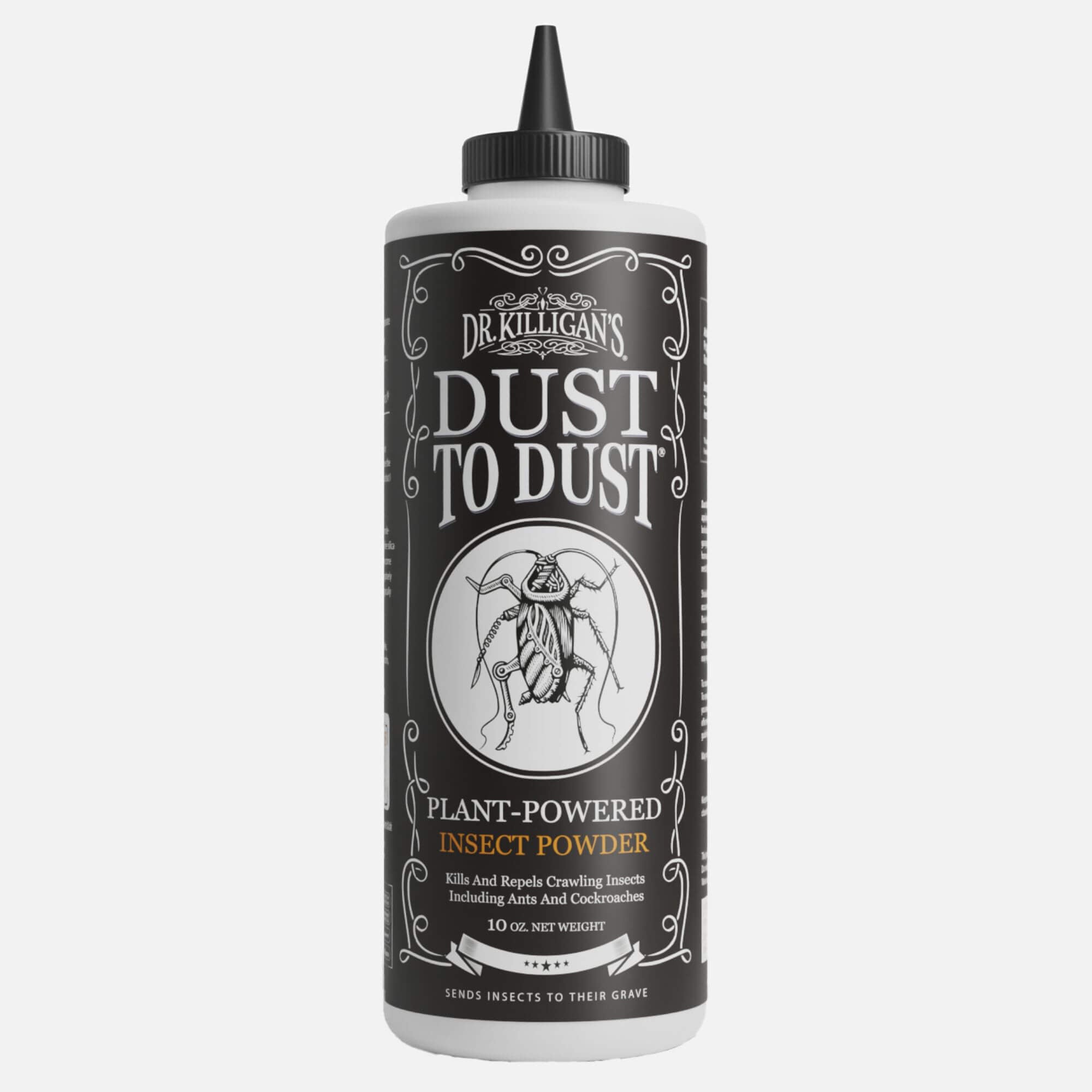
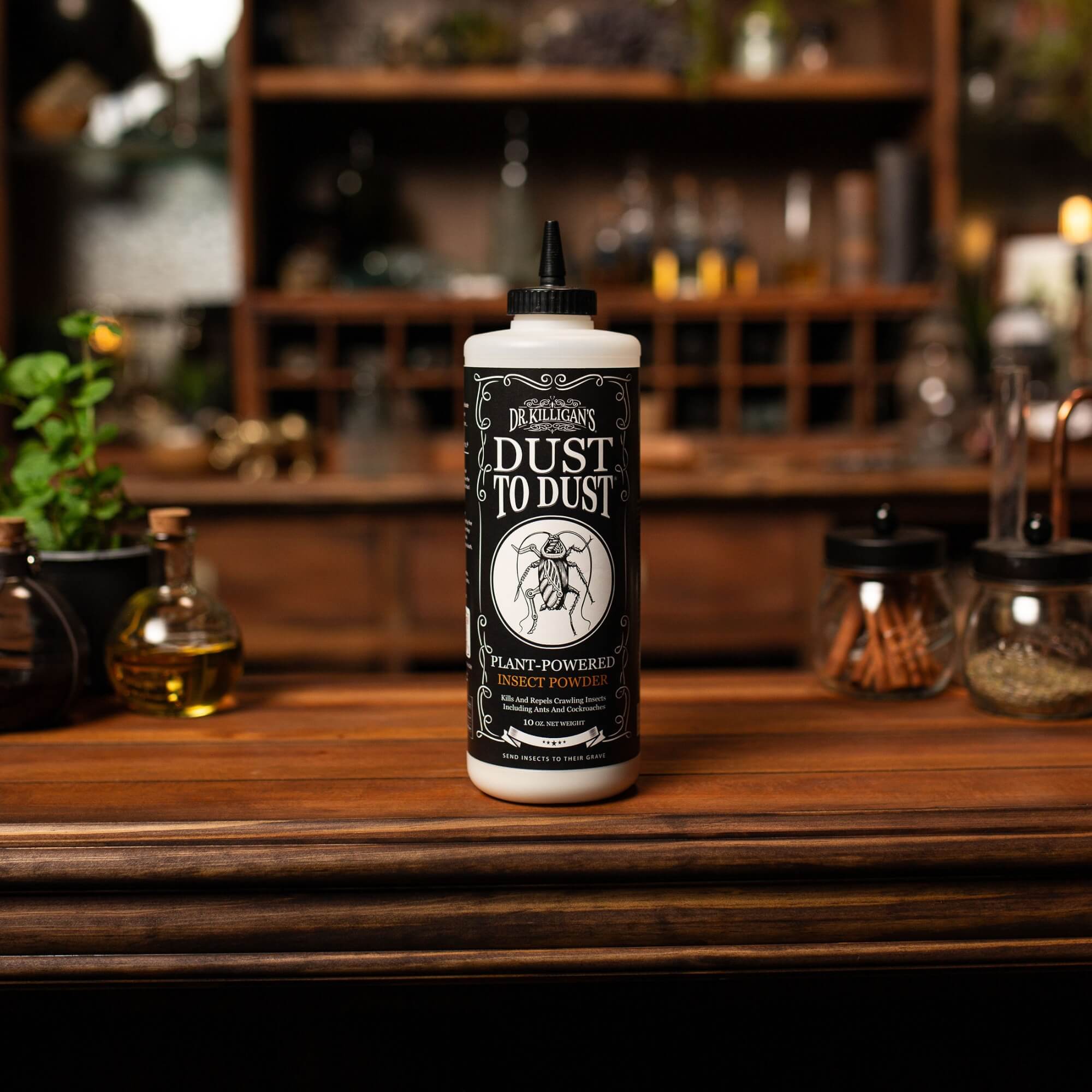
Next, find the nests by their small piles of sand or soil: in the joints between pavers, along cracks in a concrete patio and at the edges where the patio meets the lawn or a garden bed. Sweep each pile away so you can see the opening, then apply Dust to Dust, a plant-powered powder that kills and repels ants, into it, where it stays in place and continues working for weeks. After moderate to heavy rain, reapply it. Spray the ants and the trail they follow with Six Feet Under, made with plant-derived ingredients, which kills on contact and disrupts the scent trail. Its residual effect keeps killing for 30 days, even after it dries.

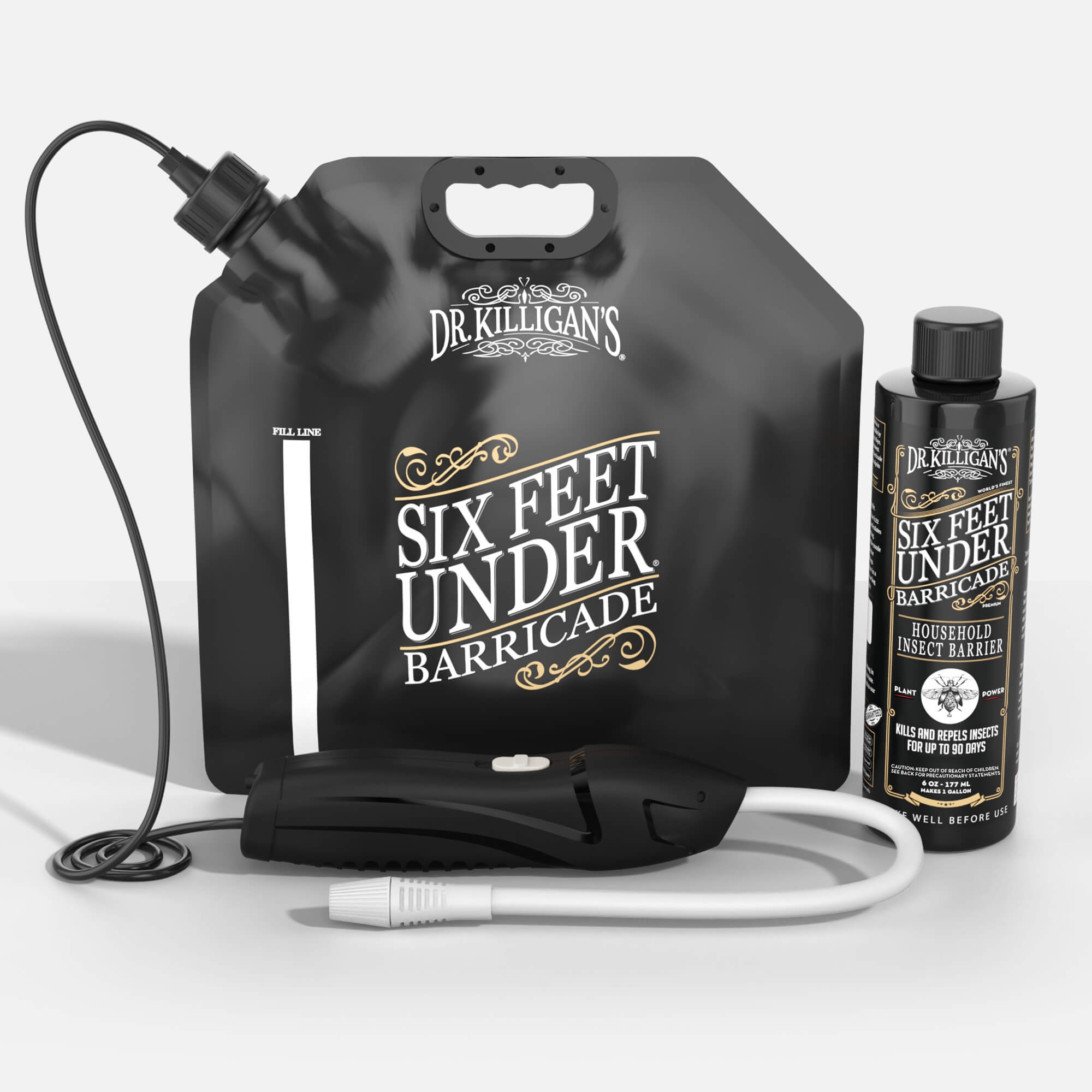
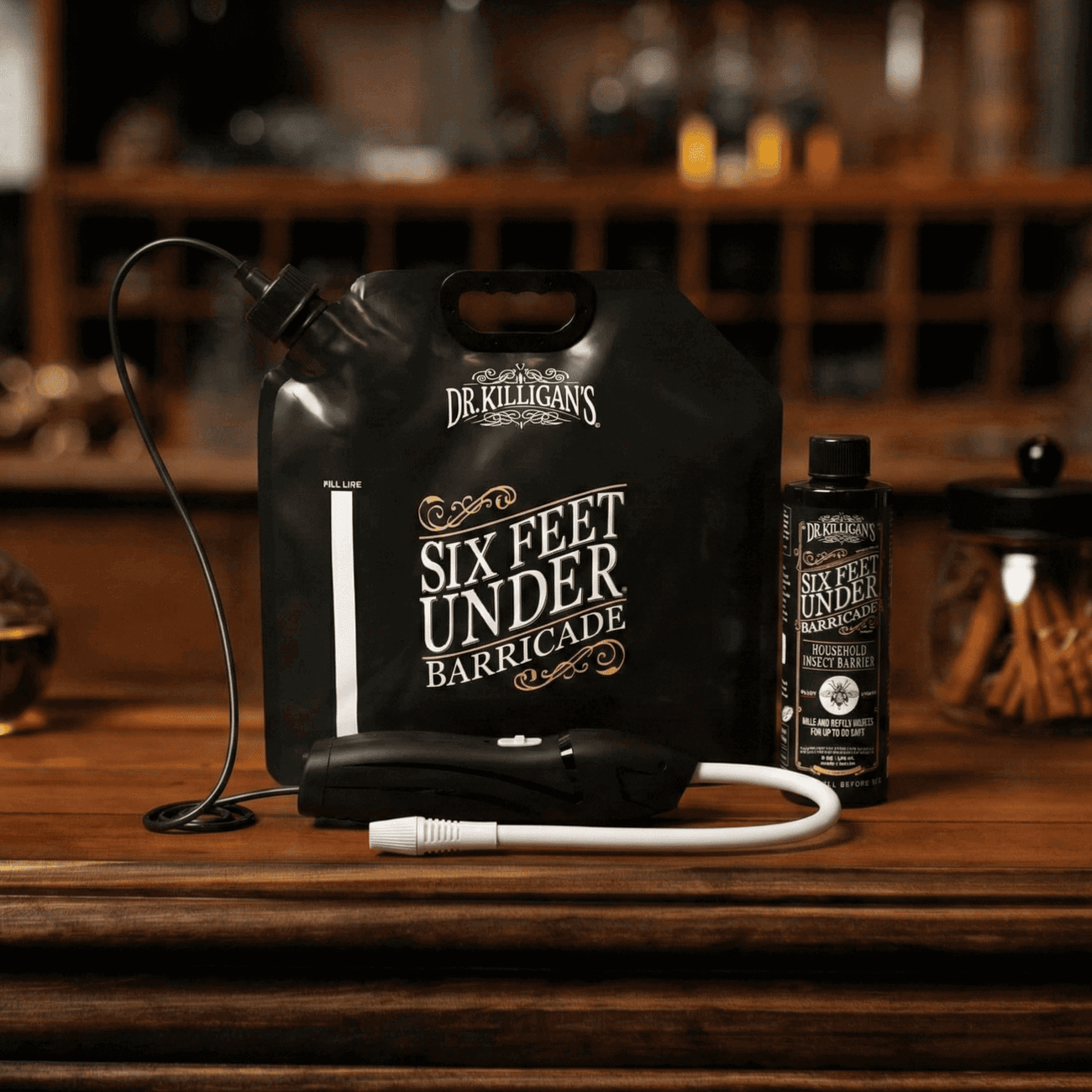
Then guard the patio with Six Feet Under: Barricade. Apply it on the patio surface and around it, including the outer edge, the foundation where the patio meets the house and the frames of sliding and patio doors, and let it all dry first. One application creates a barrier that kills and prevents 50+ types of common household bugs, ants among them, for up to 90 days.

Once activity stops, refill the joints between pavers with fresh joint sand and fill cracks in a concrete patio, so the ants have fewer openings to dig through.

What to expect: Dust to Dust and Six Feet Under kill the ants that cross the treated openings, Barricade guards the patio and cleaning up after outdoor meals takes away what draws ants in. A nest under the patio may be out of reach. Check the patio over the next few weeks, and if a new mound appears, treat it the same way. If ants keep coming up, contact our Customer Experience team for advice on next steps.

Clear ants from your patio, step by step

  • Wipe the table, sweep up crumbs and clean grease off the grill and patio.
  • Bring pet food bowls inside after feeding.
  • Look for sand piles in the joints, cracks and edges.
  • Dust each opening with Dust to Dust, and reapply it after moderate to heavy rain.
  • Spray the ants and the trail with Six Feet Under.
  • Guard the patio with Six Feet Under: Barricade, on the surface and around the edges, the foundation and the door frames.
  • Refill the paver joints and fill concrete cracks once activity stops.
  • Watch the patio for several weeks.
  • Contact our Customer Experience team if ants keep coming up.

Related: How to get rid of ants in walls and How to get rid of ants in the garage.

Shop the full Ants collection.

Field Notes from the Doctor's Journal

The Blog

View all
Hand Offering Dog Food Bowl to Dog

Pantry moths in dog food: Why they’re there and what to do

Published September 10, 2026Reviewed by Julie Miller, BA in Language Arts, Editorial Lead, Dr. Killigan’s TL;DR: Pantry moths can infest dry dog food just as readily as flour, cereal, grains and ot...
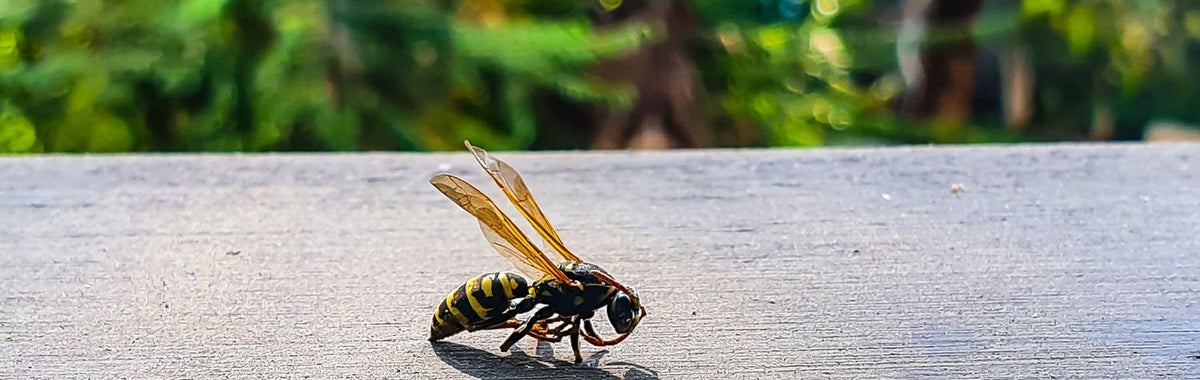
Yellowjacket on a pavement

How to get rid of yellowjackets around your home

Learn how to get rid of yellowjackets by identifying where they’re nesting, knowing when treatment makes sense and choosing the right approach for ground nests, wall voids and other problem areas a...
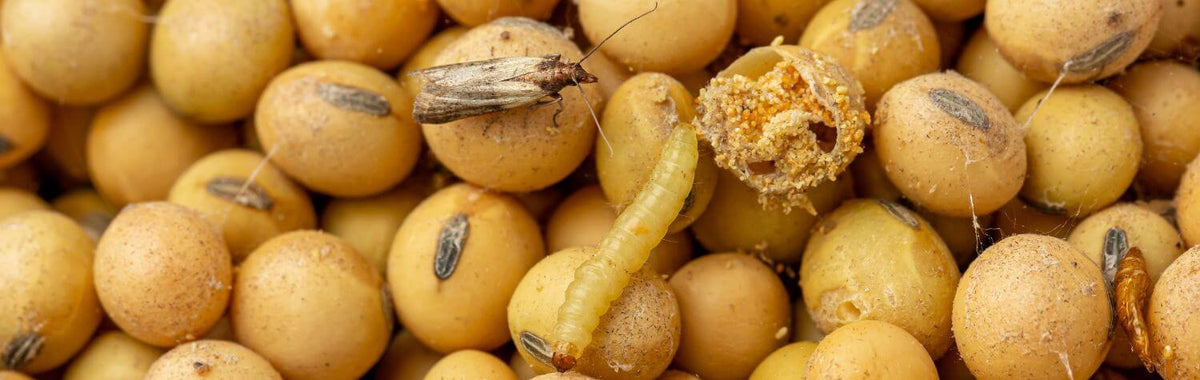
Pantry moth larva feeding on dried soybeans

How to get rid of pantry moths naturally: What works and what doesn't

Natural pantry moth control works when each method has the right job. Learn what freezing, vinegar, cedar and essential oils can do—and what it still takes to stop an infestation.
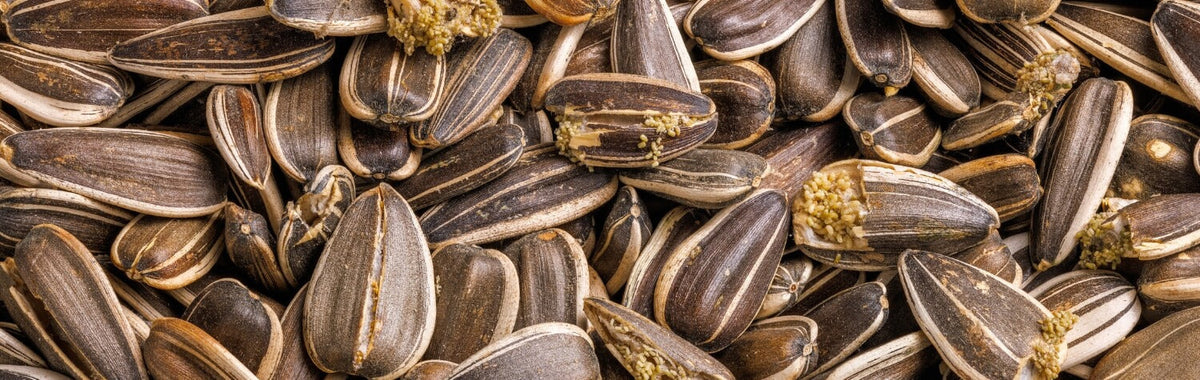
Sunflower seeds damaged by pantry moths

Pantry moth eggs: What they look like and what to do

Pantry moth eggs are difficult to see, so identification depends on the evidence around them. Learn how to inspect food, choose the right treatment and monitor what happens next.
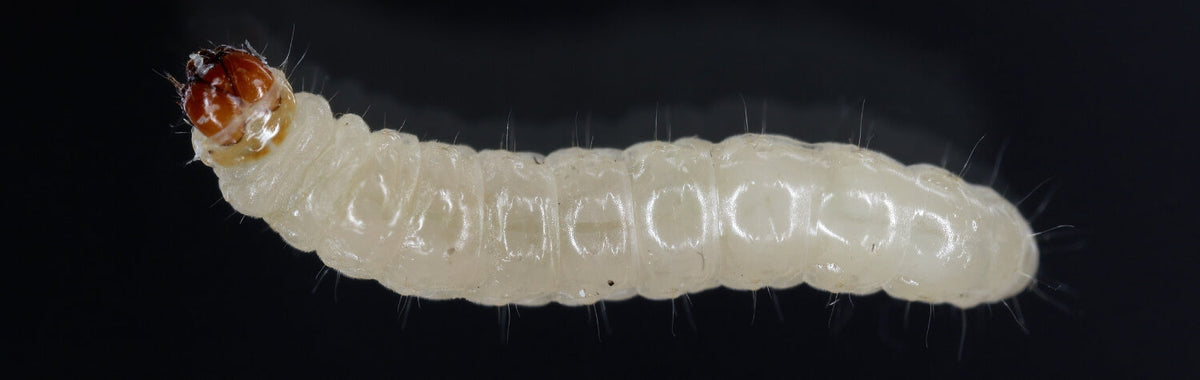
Close-up of a pantry moth larva

Pantry moth larvae: What they look like and how to get rid of them

Small white worms in your pantry, on a wall or even across the ceiling may be pantry moth larvae. Learn how to identify them, find their food source and break the infestation cycle.

Tick on human skin

What animals get ticks?

Ticks feed on a wide range of animals, but certain behaviors make some hosts more vulnerable than others. Discover which wildlife, pets and livestock are most likely to carry ticks and how to prote...
No harsh chemicals

All of Dr. Killigan’s products meet the EPA's criteria for "minimum risk" pest products, meaning they are safe when used as directed to use around people, pets and plants.


About Dr. Killigan

Dr. Killigan is the embodiment of our core values—Freedom, Spirit of Adventure, Excellence, Innovation, Joy and Honesty. He searches the world for the most effective pest solutions from nature, so you don't have to.


Satisfaction, guaranteed

Dr. Killigan's backs every pest solution with a 100% satisfaction guarantee: if you're not completely satisfied, we'll offer a refund or replacement, no strings attached.