

By Laura Kensington, Guest Author
TL;DR: As temperatures drop, spiders, cluster flies, and stink bugs seek warmth inside walls, attics, and quiet corners. The most effective winter pest-proofing plan relies on sealing entry points, reducing moisture, tidying storage zones, and using non-toxic tools to monitor and manage activity—without harsh chemical sprays.
Winter invites a certain refinement indoors. Windows close. Throws reappear. Pantry shelves grow fuller. The home becomes not merely a shelter, but a sanctuary. Unfortunately, spiders, cluster flies, and stink bugs also recognize a well-insulated opportunity when they see one.
These winter pests are not random invaders. They are seasonal opportunists responding to dropping temperatures and shortening daylight. Understanding why they enter—and how to interrupt that process without chemicals—allows homeowners to protect their space with calm competence rather than panic.
This winter pest-proofing checklist focuses on prevention first, mechanical solutions second, and plant-based support tools where appropriate. It is a method aligned with modern sensibility and old-world housekeeping alike.
Why Winter Pests Come Indoors
Each of these insects behaves slightly differently in cold weather.
- Cluster flies gather in wall voids and attics to overwinter. On warm winter days, they emerge toward windows, confused but persistent.
- Stink bugs slip into cracks in siding, trim, and window frames in autumn, remaining dormant until indoor warmth activates them.
- Spiders follow food sources indoors and settle in undisturbed areas where prey insects remain active.
None of them are breeding in December the way pantry pests might. They are sheltering. That distinction matters.
When prevention focuses on exclusion and habitat reduction, results are steady and long-lasting.
The Winter Pest-Proofing Checklist
1. Seal Entry Points Before the Deep Freeze
Cold-weather pest prevention begins outside. Small structural gaps become winter invitations.
- Inspect and replace worn door sweeps.
- Repair cracked weatherstripping around windows and doors.
- Seal gaps around utility lines and cable penetrations.
- Check attic vents and soffits for damaged screening.
Even openings the width of a pencil can admit stink bugs and cluster flies. Spiders require even less.
This step may lack glamour, but it delivers the greatest return. Winter pests are rarely bold; they are simply attentive to opportunity.
2. Reduce Exterior “Staging Areas”
Before pests enter, they gather.
- Move firewood away from the foundation.
- Clear leaf piles from exterior walls.
- Trim shrubs touching siding.
- Seal cracks in siding and around trim.
Exterior lighting can also attract insects that spiders follow indoors. Warmer-toned bulbs or reduced nighttime lighting near entry doors may decrease insect congregation.
It is less about sterility and more about boundaries.
Featured in this article
Shop Dr. Killigan's Essentials


3. Address Attics and Upper Floors for Cluster Flies
Cluster flies often overwinter in attics. They enter in fall and remain dormant until interior warmth or sunlight signals movement.
- Ensure attic vents are screened and intact.
- Seal gaps around attic access panels.
- Vacuum emerging flies promptly to reduce activity.
Swatting may leave stains. Vacuuming is more civilized. (And far less theatrical.)
For a broader overview of fly management indoors, readers may appreciate this guide on how to get rid of flies.
4. Manage Indoor Moisture
Humidity influences winter insect survival and spider activity. Bathrooms, basements, and laundry rooms are common problem areas.
- Run exhaust fans during showers.
- Use a dehumidifier in damp basements.
- Repair plumbing leaks promptly.
- Allow storage spaces airflow when possible.
Dry air discourages many insects—and the spiders that rely on them.
5. Reorganize Storage with Intention
Winter storage areas—garages, basements, mudrooms—often become quiet havens for overwintering insects.
- Replace cardboard storage with sealed bins.
- Keep items elevated from floors where possible.
- Vacuum corners and baseboards before seasonal storage.
- Shake out rarely used coats and boots.
Spiders prefer undisturbed corners. Regular inspection disrupts their plans politely but effectively.
For deeper spider-specific prevention techniques, this resource on protecting your home from spiders offers practical insights.
Why Many Homeowners Avoid Conventional Winter Sprays
When insects appear indoors during winter, chemical sprays can seem like the fastest solution. However, winter also means closed windows and recirculated indoor air.
Studies from the CDC indicate that pesticide exposures can occur in residential settings, particularly in enclosed environments. Some reports raise concerns about certain active ingredients when used improperly or too frequently. Research suggests a possible connection between higher indoor chemical load and irritation or sensitivity in some individuals, though outcomes vary widely depending on ventilation and dosage.
Potential risks may include unnecessary exposure in spaces where children play on floors or pets often lounge.
This is why many families prefer mechanical and plant-based solutions first—especially in colder months.
For a thoughtful examination of conventional insecticides, readers may find value in this discussion on permethrin use.
Non-Toxic Tools That Support Winter Pest Prevention
Mechanical exclusion does most of the work. Still, plant-powered tools can provide additional support when activity appears indoors.
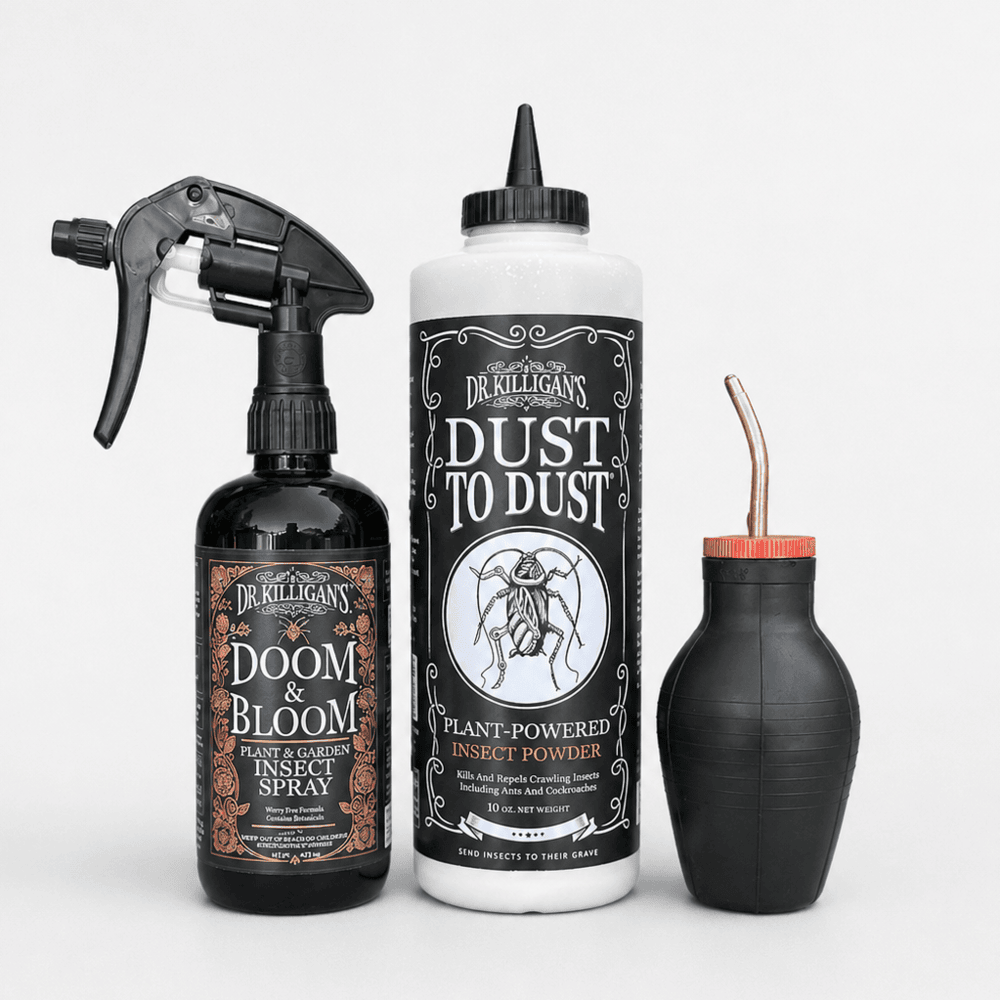
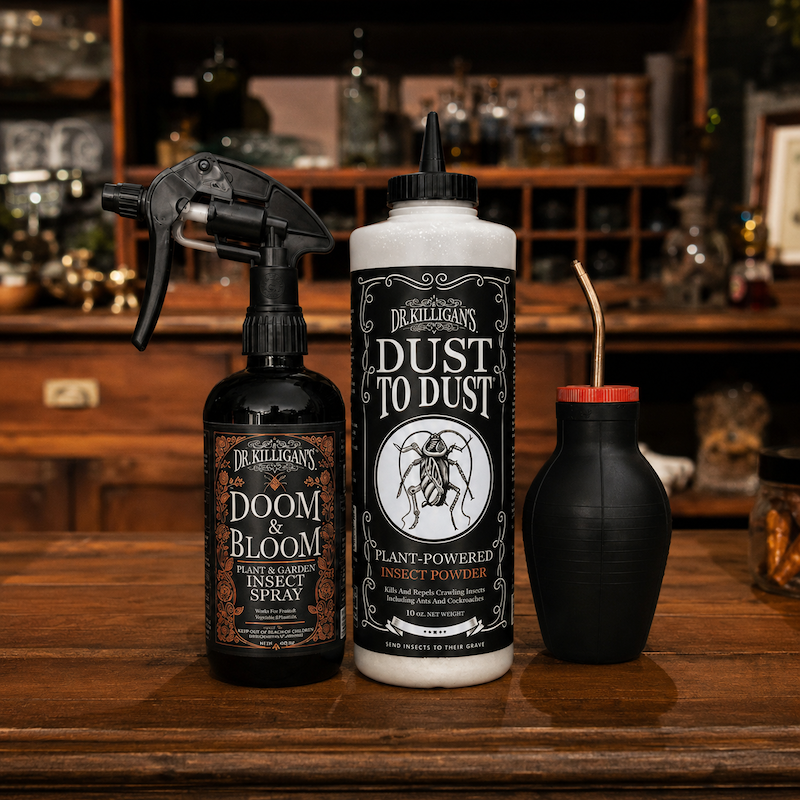
One option for targeted indoor use is Six Feet Under Plant-Powered Insect Spray, formulated for indoor application according to label instructions.
For households seeking broader plant-based options, browsing the complete collection can provide perspective on non-toxic pest control tools available for winter management.
Those interested in focused spray and powder options may explore the Sprays & Powders Collection for plant-powered solutions designed for interior use.
Non-toxic does not mean ineffective. It means thoughtful. It means addressing insects where they are without compromising indoor air comfort.
A Seasonal Mindset Shift
Winter pest-proofing is not reactive—it is preparatory. It is less about chasing individual insects and more about adjusting the environment so they cannot comfortably remain.
Homes that feel sealed, dry, and orderly tend to discourage overwintering pests naturally. When spiders find fewer insects, when stink bugs find fewer cracks, and when cluster flies encounter screened vents, the indoor season remains calm.
It may help to think of winter pest-proofing as similar to insulating a drafty window: the reward is quiet warmth.
And while spiders may have literary charm, most households prefer them in books rather than along crown molding.
Reclaim Your Winter Calm—Naturally
Winter pests may seek shelter, but a well-kept home does not have to host them. With sealed entry points, drier storage zones, and a plant-powered option for indoor touch-ups, spiders, cluster flies, and stink bugs can be managed with quiet confidence—without harsh chemical residue lingering indoors.
Exclusive Reader Perk: Use code BUGBLOG at checkout for 15% OFF your order.