

By Meredith Sloan, Guest Author
TL;DR: Earwigs often appear in vacation cabins because these homes sit empty, cool, and slightly damp for stretches of time—conditions that suit moisture-loving insects remarkably well. The most effective natural prevention focuses on drying the structure, sealing easy entry points, reducing outdoor harborage, and using targeted non-toxic support where needed. With a little preparation, cabins can feel restful again instead of unexpectedly six-legged.
Vacation cabins have a way of collecting the very things people crave in ordinary life: quiet, pine-scented air, heavy blankets, old wooden shelves, and a little distance from the noise of town. They also, unfortunately, collect the sorts of conditions earwigs appreciate—cool corners, hidden moisture, undisturbed entry points, and plenty of places to wait unnoticed until someone arrives for the weekend.
That first sighting often happens at an inconveniently intimate moment: a quick bathroom light switch at dusk, a folded towel lifted from a shelf, a shoe turned upright near the door. Earwigs inspire more alarm than they deserve, but they do have an unfortunate gift for appearing as if they have been rehearsing the timing.
The reassuring news is that earwigs are not a sign that a cabin is unclean or compromised. They are opportunists. They move indoors when outdoor conditions are too dry, too wet, or suddenly unstable, and seasonal cabins offer them shelter. Once their preferred conditions are removed, their presence typically drops off quickly.
Why Earwigs Like Vacation Cabins in the First Place
Earwigs are moisture-seeking insects that prefer dark, protected places. Outdoors, they shelter under mulch, stones, leaf litter, logs, and damp boards. Indoors, they look for spaces that mimic that same environment: cool, shaded, and slightly humid.
Vacation cabins often provide exactly that, especially when they sit empty between visits. During those quiet stretches, a cabin may develop:
- Lingering humidity from closed windows and low airflow
- Damp entry points around mudrooms, crawl spaces, or utility areas
- Undisturbed clutter in closets, corners, and storage benches
- Outdoor debris near the foundation such as mulch, stacked wood, or leaf litter
- Small cracks and gaps around doors, windows, and siding
Earwigs do not come indoors because they crave cabin life in the romantic sense. They come indoors because the conditions feel safe. Their goals are simple: moisture, cover, and a quiet place to wait out the weather.
What Earwigs Are Actually Looking For
Most homeowners assume earwigs are hunting food indoors, but food is not the primary issue in cabins. Moisture is. Earwigs are far more likely to show up near sinks, bathrooms, laundry areas, or damp baseboards than in the pantry itself.
They are particularly drawn to:
- Wet bath mats and damp towels left behind after a visit
- Condensation around windows and pipes
- Leaks beneath sinks or around water heaters
- Ground-level rooms with cool, shaded foundations
- Door thresholds where damp outdoor air drifts in
This is why earwig prevention is best treated as a moisture-control project first and an insect-control project second.
Do Earwigs Damage Cabins?
Not in the way pantry moths damage wool or carpenter ants damage wood. Earwigs do not bore into beams or consume trim. They are more nuisance than destroyer. That said, they can still make a cabin feel unsettled, especially when they appear in bathrooms, bedding areas, and entry corners where homeowners want calm, not surprises.
Their presence usually indicates that a cabin is holding more dampness than it should. In that sense, earwigs are often less a structural problem and more a useful little warning system—though admittedly one with dreadful public relations.
Step 1: Dry the Cabin Out Between Visits
The single most effective natural prevention step is moisture reduction. A dry cabin is simply less attractive.
- Run a dehumidifier in lower-level rooms, especially if the cabin sits near trees, water, or dense shade.
- Open windows briefly during visits to circulate air, weather permitting.
- Use bathroom exhaust fans during showers and leave them running afterward.
- Hang towels fully open rather than folded over a hook.
- Check under sinks before leaving the property to catch slow drips early.
Cabins often stay buttoned up for understandable reasons, but stale air and trapped humidity create ideal hiding conditions for insects. Dry air changes the tone of the entire structure.
Step 2: Seal Their Favorite Entry Points
Earwigs do not need much of an opening. Gaps beneath doors, torn screens, foundation cracks, and poorly sealed utility penetrations are all invitations.
- Install or replace door sweeps on exterior doors.
- Repair torn window screens before peak warm-weather months.
- Caulk cracks around windows, siding joints, and trim.
- Seal gaps where plumbing and electrical lines enter the cabin.
- Check crawl-space vents for damage or poor fit.
These same exclusion habits also help with other seasonal cabin pests. Homeowners thinking broadly about prevention may find this guide to non-toxic home essentials helpful for building a more complete prevention routine.
Step 3: Remove Outdoor Harborage Near the Cabin
Earwigs usually begin outside. If the immediate perimeter gives them everything they want, indoor sightings become much more likely.
- Pull mulch back from the foundation line.
- Move stacked firewood away from exterior walls.
- Clear leaf litter and pine needles from doorways and corners.
- Trim dense groundcover that touches siding.
- Avoid storing damp boards, mats, or bins against the structure.
This is particularly important for cabins tucked into wooded lots. Outdoor beauty is part of the appeal, of course, but no one needs the landscaping to become too hospitable. Nature can remain picturesque without becoming overfamiliar.
Step 4: Pay Special Attention to Mudrooms, Bathrooms, and Under-Sink Areas
Some cabin zones attract earwigs more than others. Mudrooms hold damp shoes. Bathrooms hold steam. Under-sink cabinets hold leaks that may be too slow to notice but not too slow for insects.
During each visit, it helps to do a quick walk-through:
- Lift mats and check underneath for trapped moisture.
- Inspect corners around tubs, toilets, and sinks.
- Open vanity cabinets and look for mustiness.
- Check around washer hookups, utility sinks, and water heaters.
- Vacuum baseboards where insects may collect unnoticed.
Earwigs prefer the edges of rooms and the hidden seams of the structure, not the center stage. They are discreet in the most irritating way.
Step 5: Use Targeted Non-Toxic Support Where It Makes Sense
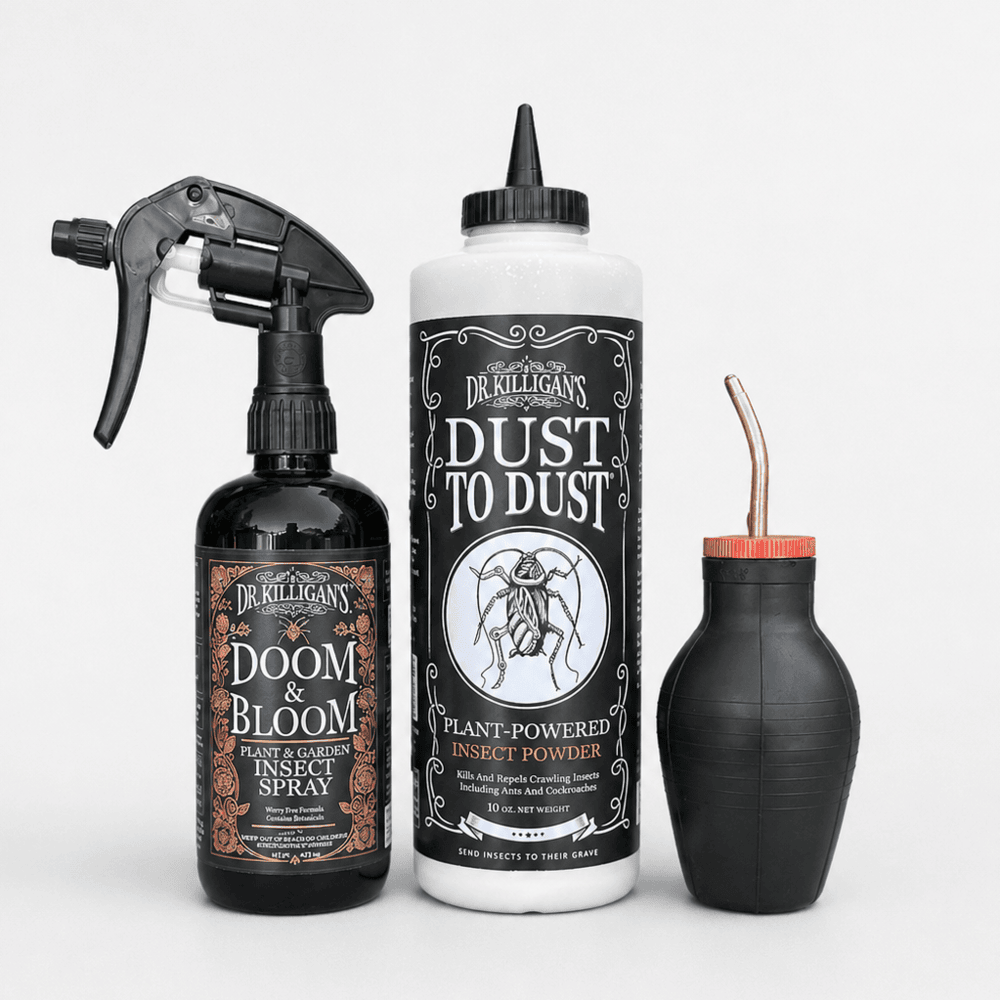
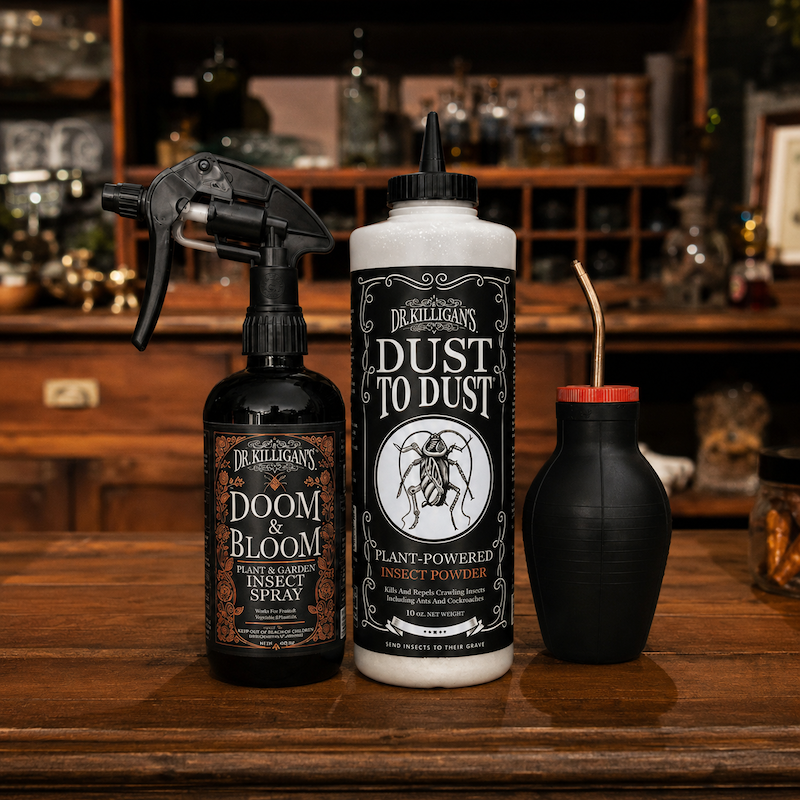
Once moisture and entry issues are being addressed, some homeowners prefer a plant-based product to support active management in cabin problem zones. This is particularly useful around thresholds, utility areas, and the lower perimeter of damp rooms.
One option is the Barricade Household Insect Kit, which can be used according to label directions as part of a larger prevention plan. In a seasonal cabin setting, that broader “barricade” idea makes sense: reduce moisture, close the gaps, then reinforce the areas where insects try to test the boundary.
For homeowners building a larger cabin-ready prevention system, the complete collection offers a useful overview of non-toxic household tools. Those looking more specifically at powders and sprays for common indoor pest situations may also want to browse the Sprays & Powders Collection.
A More Thoughtful Note on Indoor Chemical Sprays
Vacation cabins create a particular challenge when it comes to conventional sprays: they are often closed up for long stretches, then suddenly occupied by families, pets, overnight guests, and all the warmth and movement that make a second home feel inviting again. That pattern can make broad indoor chemical applications less appealing to homeowners who prefer a lighter touch.
Health agencies have noted that pesticide exposure can occur in residential spaces, particularly where ventilation is limited or products are used repeatedly in enclosed areas. Some research has explored how ongoing indoor chemical use may be associated with irritation or sensitivities in certain people, depending on application habits, airflow, and the surfaces involved.
Potential concerns may include residues lingering on floors, entry corners, bathroom surfaces, or sleeping areas that are frequently touched once the home is occupied again. For many cabin owners, that is reason enough to prioritize drying, sealing, and targeted non-toxic alternatives before reaching for room-wide sprays.
How to Keep Earwigs from Returning Next Season
Seasonal cabins respond especially well to routines. A few small habits at opening and closing can make a tremendous difference by next spring and summer.
- At opening: inspect under sinks, run ventilation, vacuum edges, and check thresholds.
- During visits: keep towels dry, clear damp entry clutter, and monitor bathrooms.
- At closing: remove soft damp items, empty trash, check leaks, and leave the cabin as dry as possible.
This is not glamorous work, but neither are earwigs. The aim is not perfection. It is calm predictability.
Keep Your Cabin Calm—Naturally
Earwigs prefer damp corners and easy entry points, but vacation cabins do not have to remain welcoming to them. With better drying habits, a tidier perimeter, and targeted non-toxic support, the space can stay peaceful, practical, and ready for the next visit.
Exclusive Reader Perk: Use code BUGBLOG at checkout for 15% OFF your order.
Get 15% OFF Barricade