
By Emily Hartwell, Guest Author
TLDR: Choosing the right moth trap dramatically improves prevention and early detection in wardrobes and pantries. Understanding pheromone-based traps, placement strategies, and non-chemical methods helps homeowners protect woolens and dry goods with elegance and confidence.
There are few household surprises as vexing—yet quietly insidious—as a moth flitting from the shadows of a wool sweater or a tiny larva discovered in a bag of flour. Moths in closets and pantries are not merely nuisances; they represent a breach in a home’s orderly sanctuary. Fortunately, the right trap, placed with intention and informed by how these insects behave, can safeguard beloved fabrics and culinary staples alike—without harsh chemicals.
Closet and pantry moth traps are most effective when understood as part of a broader strategy. They do not “catch all,” but they do reveal when a problem is emerging and help interrupt the reproductive cycle before damage proliferates. This refined guide will walk you through what works, what doesn’t, and the elegant logic behind each choice.
Why Moth Traps Matter
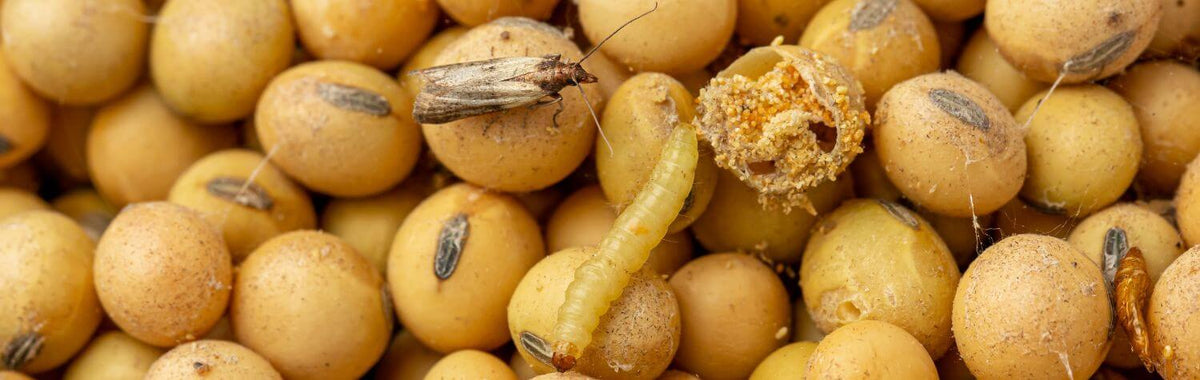
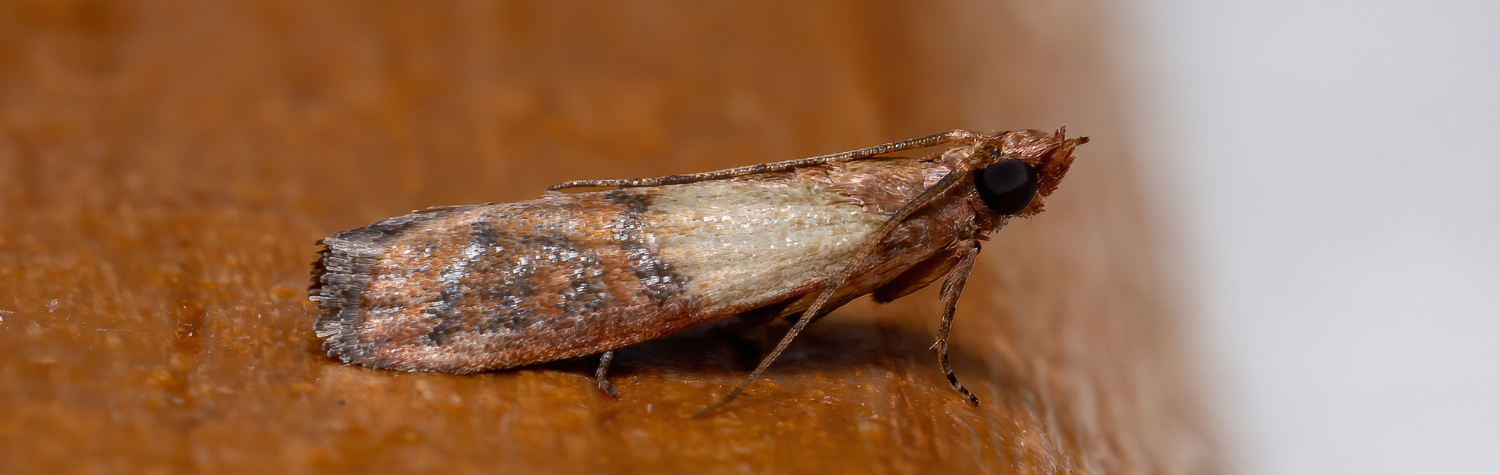
Moths go through distinct life stages: egg, larva, pupa, and adult. It is the larvae—the tiny caterpillars—that cause fabric holes or contaminate pantry goods. Adults are often the first sign of a deeper problem, fluttering near lights or in the back of a closet. Traps are most useful at this visible stage: they help monitor early activity and reduce the number of breeding adults.
Without traps, a homeowner may miss early warning signs until larvae have already laid claim to woolens or dry goods. The right trap becomes less a tool and more a sentry: subtle, purposeful, and elegantly effective.
Pheromone Traps: The Gold Standard for Detection
Pheromone-based traps are the most widely recommended tool for moth control in closets and pantries. These traps use species-specific pheromones—chemical cues that adult male moths follow—luring them into a sticky card where they remain captured.
- Closet moth pheromone traps attract adult clothes moths before larvae hatch in wool or cashmere.
- Pantry moth pheromone traps attract adult pantry moths before eggs are widely laid in flour, grains, and nuts.
Pheromone traps do not repel moths; they intercept them. Over time, this reduces mating opportunities and helps slow population growth without any toxic spray. For more on pantry moth biology and prevention, see How to get rid of and prevent pantry moths
Top Performing Non-Toxic Moth Traps
Here are tested, refined options that fit both wardrobes and pantry spaces:
- Premium Clothing Moth Traps — Designed specifically for closets and fabric storage; ideal for wool, silk, and cashmere.
- Premium Pantry Moth Traps — Formulated for dry goods like flour, rice, cereal, and grains.
Each trap uses targeted pheromones and a discreet, low-profile design that suits refined spaces. Traps are intended as early detection tools, not broad-spectrum insecticides. Their elegance lies in simplicity: lure, catch, and reveal hidden activity long before damage becomes obvious.
Where Traps Work Best—and Where They Don’t
Featured in this article
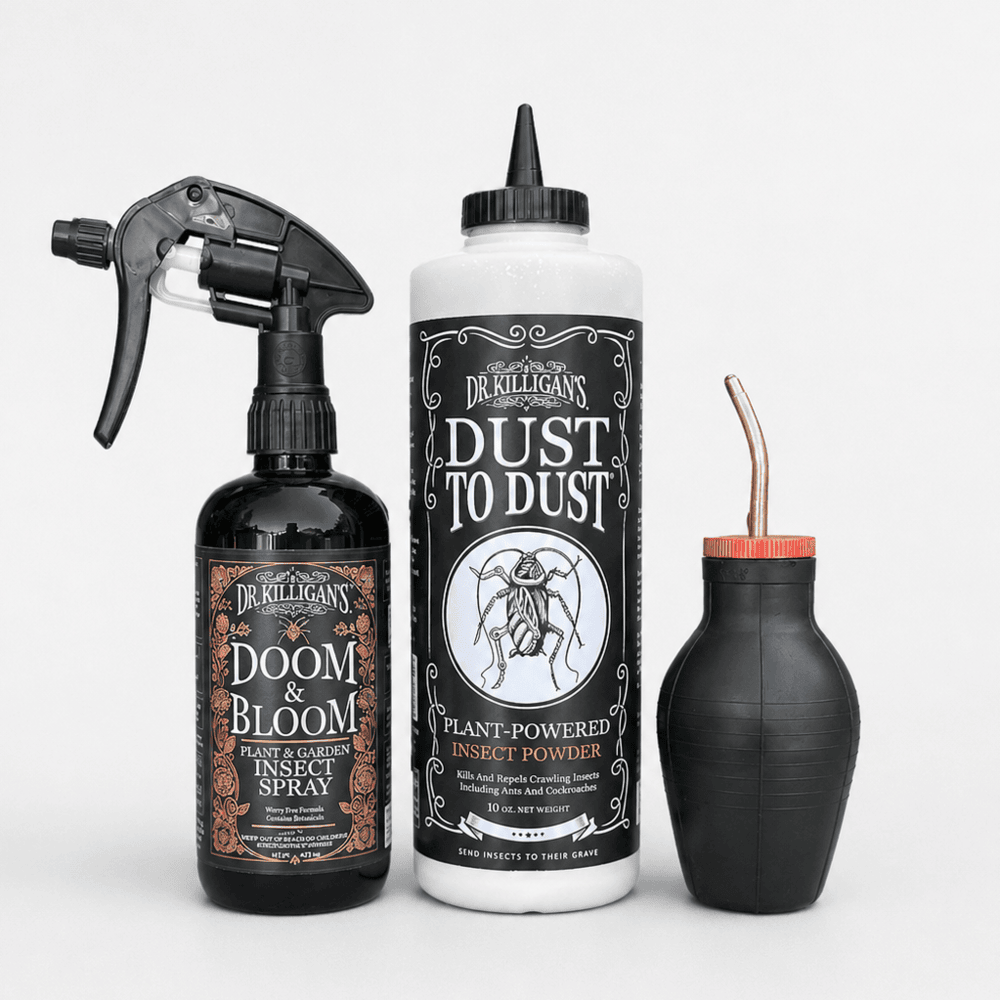
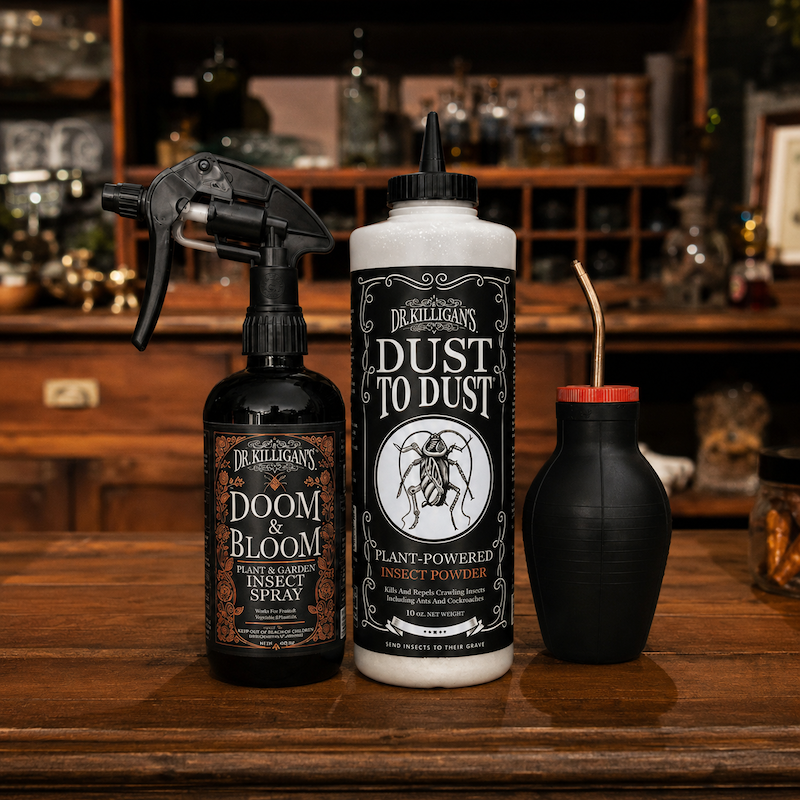
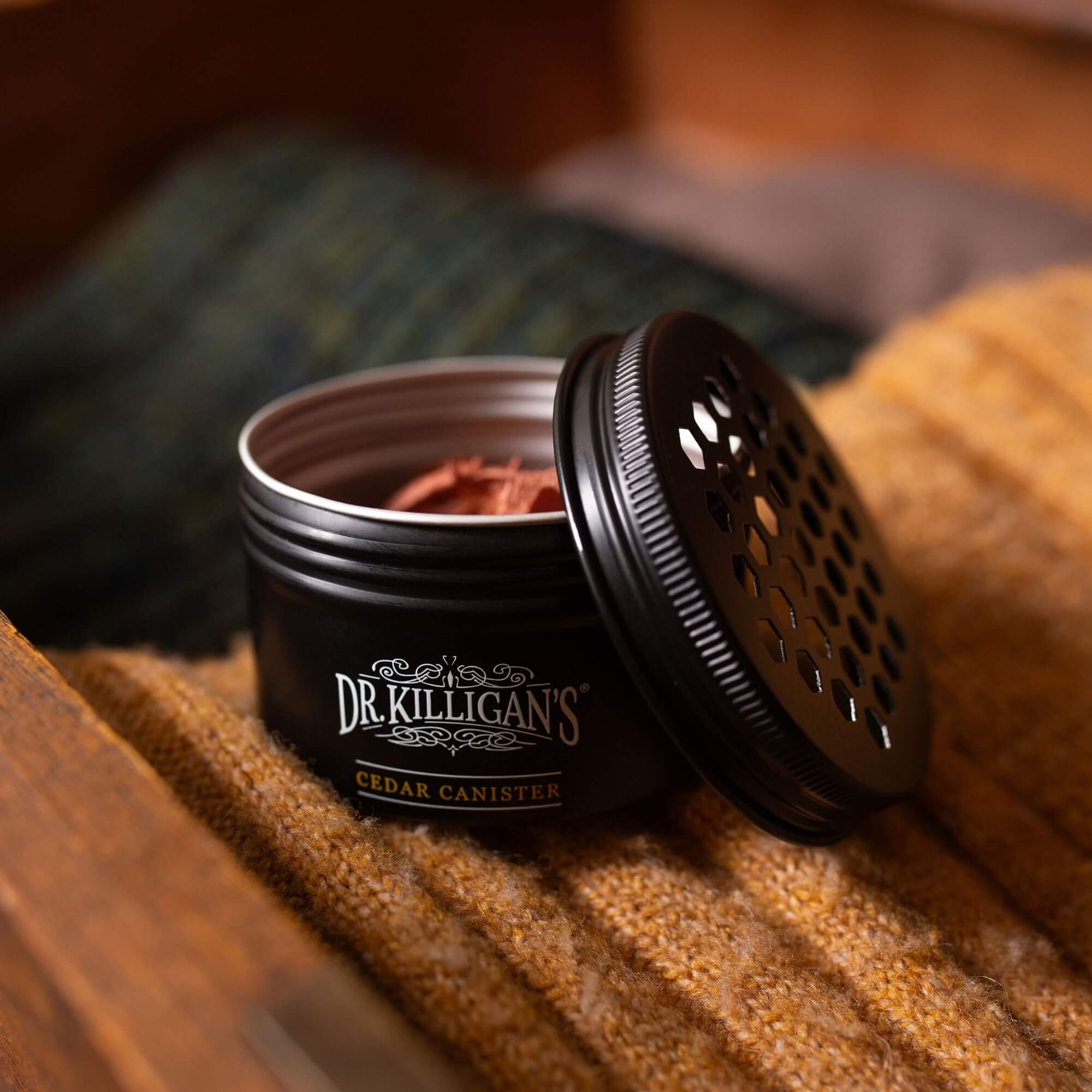
Shop Dr. Killigan's Essentials


Effective Trap Placement
For closets:
- Place traps near the rear of the wardrobe, behind sweaters or scarves where adults first emerge.
- Aim for eye-level placement to intercept flying males.
- Avoid crowded shelves where airflow is stagnant; traps work best in gentle circulation.
For pantries:
- Position traps near dry goods—flour, grains, nuts—without obstructing everyday access.
- Avoid near open windows or vents that can disperse pheromone cues.
- Replace traps according to package directions to maintain efficacy.
Where Traps Are Less Effective (and Why)
Traps do not replace airtight storage, cleaning, or inspection. They will not:
- Remove existing larvae deep inside a bag of flour.
- Prevent eggs already laid within fabric folds from hatching.
- Serve as the sole solution in high-humidity areas where eggs proliferate rapidly.
Rather than a cure-all, traps are best viewed as early warning systems. They tell a homeowner: “Something is starting here.” With that knowledge, deliberate action can follow.
Airtight Storage: The Invisible Partner to Every Trap
Whether protecting woolens or dry goods, moths need access. A partially sealed zipper bag or a loosely clipped cardboard bag is an open invitation. The first line of defense is airtight containers, which limit scent trails and deny moths entry.
For refined pantry solutions that pair beautifully with moth traps, explore the pantry moth control collection.
For delicate garments and heirloom fabrics, consider garment bags with sealed closures that allow breathable storage without moth access. The goal is not restriction; it is negotiation with biology.
Non-Chemical Alternatives That Support Trap Success
Closets and pantries benefit from environmental adjustments that make moths less inclined to linger.
- Routine inspection of seasonal clothing before storage.
- Freezing new dry goods from bulk purchases to eliminate any hitchhiking eggs.
- Regular shelf wiping with warm water to reduce attractants.
- Reducing humidity through ventilation and desiccants where appropriate.
Such measures augment trap performance—not by force, but by reducing breeding opportunities and making habitats less hospitable.
Why Non-Toxic Traps Often Outperform Sprays
Chemical sprays may appear to eliminate adult moths, but they do not address eggs or larvae hidden within fabric folds or dry goods. Moreover, many caregivers prefer to avoid routine indoor pesticide use—especially around children, pets, and food storage areas.
Studies from the CDC indicate that pesticide exposures can occur in residential settings, and some reports raise concerns about certain active ingredients when used improperly or too frequently. Research suggests a possible connection between higher household chemical load and irritation or sensitivity in some individuals, though outcomes vary widely and depend on ventilation and usage patterns.
Given this, pheromone traps represent a refined, non-toxic approach that complements mechanical and organizational control rather than replaces it.
Restore Order to Closets and Pantries—Naturally
Don’t let unseen larvae claim your woolens or baking staples. With thoughtfully designed pheromone traps, you can detect early activity, interrupt the cycle, and protect what you’ve carefully stored—without harsh chemicals.
Exclusive Reader Perk: Use code BUGBLOG at checkout for 15% OFF your order.