
By Natalie Whitcomb, Guest Author
TLDR: Roaches often show up under sinks and in laundry rooms because those spaces offer moisture, warmth, darkness, and easy access to residue and shelter. The most effective natural prevention strategy is to dry the area, remove food film, simplify storage, seal structural gaps, and reinforce entry points with targeted non-toxic protection.
Few household discoveries have the power to unsettle a room quite like a roach under the sink. A neatly stocked cabinet can feel instantly less civilized. A tidy laundry room can seem, suddenly, as though it has been keeping dubious company after hours.
Roaches inspire a particular kind of dread because they appear in the places people associate with care: the cupboard where dish soap lives, the room where clean towels are folded, the quiet corners meant to feel orderly and domestic. Yet their presence is rarely mysterious. Roaches gather where water, residue, shelter, and access overlap. Under-sink cabinets and laundry rooms simply provide those conditions with irritating generosity.
The encouraging news is that roach prevention does not begin with panic. It begins with identifying what is attracting them, removing the conditions they rely on, and using targeted non-toxic methods that make the space less hospitable over time.
Why Roaches Love Under-Sink Cabinets and Laundry Rooms
Roaches are moisture-seeking opportunists. While different species behave somewhat differently, the broad pattern is the same: they prefer warm, dark, protected places close to water and food residue.
Under-sink cabinets and laundry rooms are especially attractive because they often provide:
- Leaks and condensation from plumbing, pipes, or appliances
- Darkness and shelter behind baskets, detergent bottles, and stored items
- Food film or organic residue from spills, trash, pet bowls, or utility grime
- Quiet, low-traffic conditions that let populations build unnoticed
- Easy structural access around pipe penetrations, drain openings, and wall gaps
In other words, these are not rooms roaches stumble into by accident. They are rooms that often supply the exact practical conditions roaches are built to exploit.
What Attracts Roaches Under the Sink
Under-sink cabinets are nearly ideal for roaches. They are enclosed, often humid, and full of hidden edges. Even a very clean home can develop activity there if moisture and access remain unresolved.
The most common under-sink attractants include:
- Slow drips at pipe joints
- Wet cabinet floors from bottle leaks or plumbing condensation
- Crumbs or sticky splashes from adjacent kitchen prep areas
- Trash or recycling stored nearby
- Gaps where plumbing enters through the wall or floor
Once those conditions exist, the cabinet becomes more than storage. It becomes shelter.
Why Laundry Rooms Become Roach Hotspots
Laundry rooms often seem too clean to attract pests. That assumption gives roaches an unfair advantage.
Laundry spaces can quietly hold:
- Warmth from dryers and utility lines
- Condensation behind washers
- Lint mixed with dust and organic debris
- Floor drains or utility sinks
- Long periods of darkness and low disturbance
Roaches do not need a room to look messy. They need it to feel protected. Laundry rooms often do.
And because so many people close the door and move on with the day, those rooms can remain visually tidy while concealing exactly the sort of moisture and debris insects favor.
Featured in this article
Shop Dr. Killigan's Essentials


Step 1: Dry the Space First
Moisture is one of the strongest roach attractants in both under-sink cabinets and laundry rooms. Before doing anything else, address the water.
- Repair slow leaks under sinks and at supply lines
- Wipe condensation from pipes and cabinet walls
- Use a dehumidifier in damp laundry rooms or basements
- Check behind the washer for moisture accumulation
- Replace soaked shelf liners or water-damaged cabinet bottoms
A dry space is not an exciting space to a roach. That matters more than many homeowners realize.
Step 2: Remove the Residue They Are Feeding On
Roaches are famously unparticular. They do not require an obvious feast. A bit of food film, a forgotten pet treat, or the residue beneath a detergent cap can be enough to keep them interested.
- Wash cabinet floors with warm, soapy water
- Clean around garbage bins and recycling areas
- Wipe detergent spills and fabric softener drips in laundry rooms
- Vacuum lint and dust behind and under appliances
- Store pet food and treats in sealed containers
This is where roach prevention becomes less glamorous than people hope and more effective than they expect. A room can smell fresh and still be quietly feeding insects. The key is removing what the eye glides past.
Step 3: Clear the Quiet Hiding Places
Roaches love stillness, not simply dirt. Clutter creates protected micro-zones where they can rest, breed, and move unseen.
- Pull items away from cabinet walls so edges can be inspected
- Avoid overstuffing under-sink storage
- Use bins sparingly and keep them easy to lift and clean beneath
- Reduce cardboard storage in laundry rooms
- Keep the floor visible around washers, dryers, and utility sinks
Order matters here because it makes the room readable. A readable room is much easier to defend.
Step 4: Seal the Structural Gaps
Once roaches find a reliable route into a moist, sheltered room, they tend to use it repeatedly. Exclusion helps break that pattern.
- Seal gaps where plumbing enters walls
- Caulk cracks along baseboards and cabinet seams
- Repair worn weatherstripping on laundry room doors
- Check around floor drains and utility penetrations
- Inspect adjacent rooms if walls are shared with kitchens, garages, or basements
This is especially important in multi-unit housing, older homes, or any space where pipes and wall openings create convenient travel corridors.
Step 5: Reinforce Entry Points with a Plant-Based Barrier
When roaches are already showing up under sinks or around laundry room edges, many homeowners want more than cleanup alone. They want a way to make the room harder to enter again.
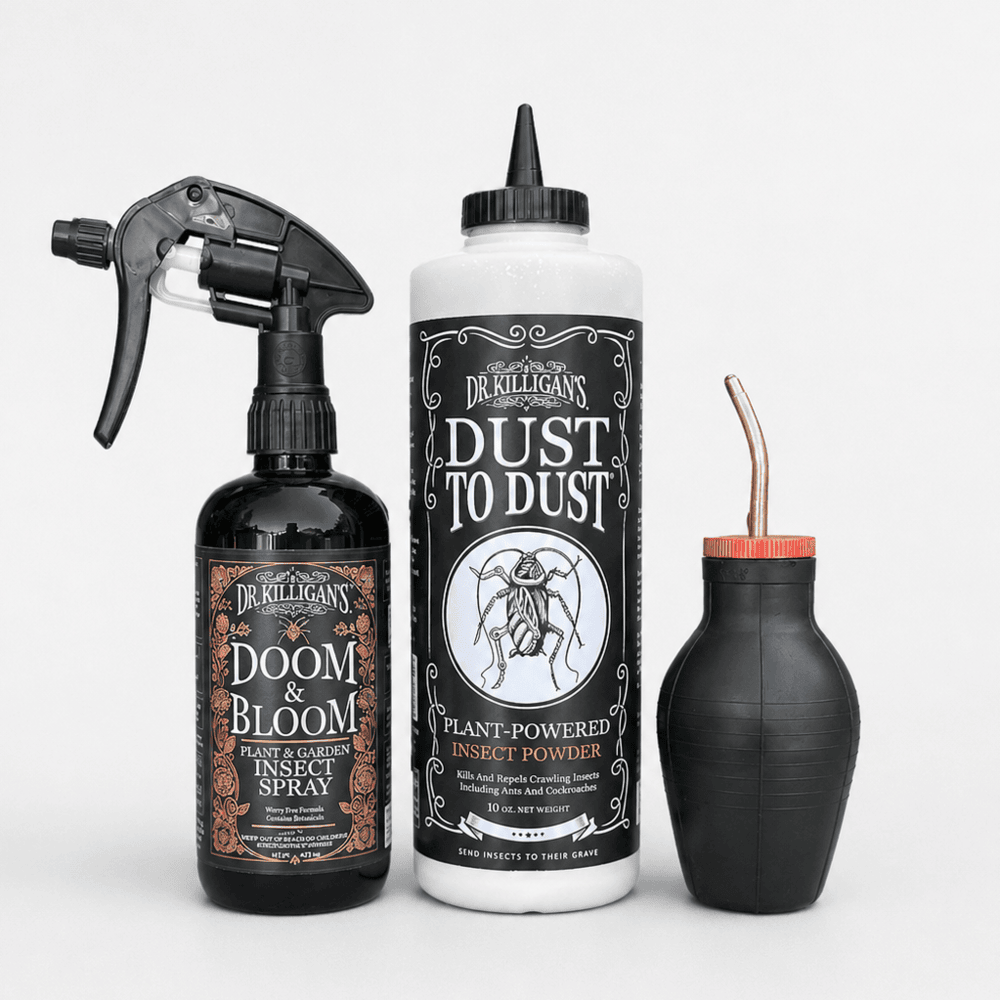
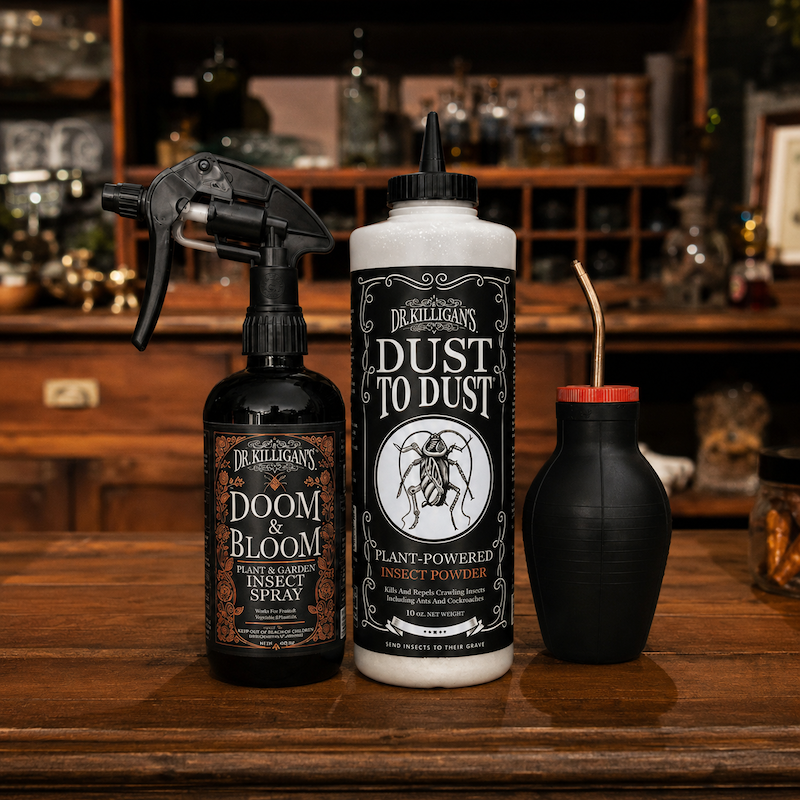
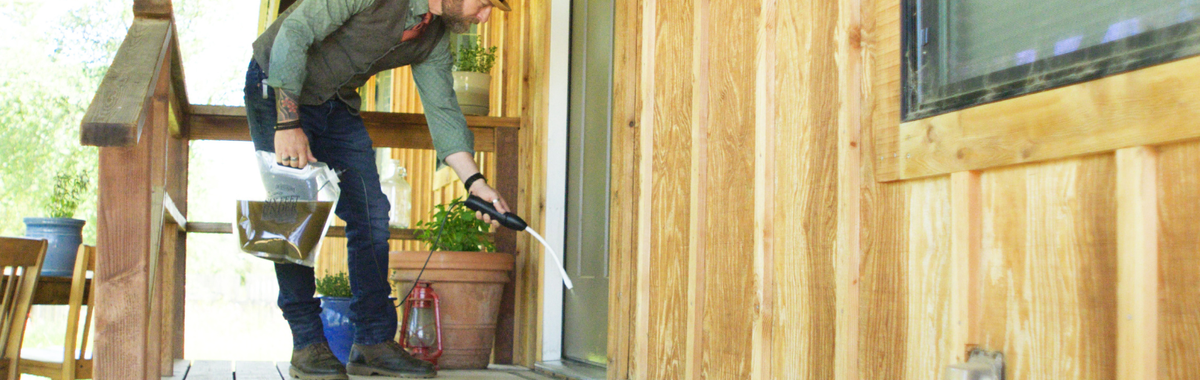
That is where Barricade Household Insect Kit makes especially good sense. Used according to label directions, it fits naturally into a prevention-first plan: dry the room, remove residue, simplify the storage, seal the gaps, and then reinforce the boundaries where roaches are most likely to test the space again.
Barricade works best when the goal is not simply to react to what was seen yesterday, but to reduce what tries to return tomorrow. Around utility penetrations, transition points, entry seams, and the broader perimeter of vulnerable household spaces, that kind of barrier-minded support is often far more useful than treating the room as though it needs to be drenched into submission.
That order matters. Roaches are rarely solved by any single product if the room still offers water and shelter. But once those conditions begin to change, a prevention-oriented barrier becomes a much smarter part of the response.
For a wider overview of household solutions, homeowners can browse the complete collection. Those comparing tools more specifically for recurring roach concerns may also want to look through the cockroaches collection.
A Better Roach Plan Starts with Friction, Not Fury
Roaches thrive in rooms that are easy on them: easy to enter, easy to hide in, easy to drink from, easy to feed in. The most effective natural strategy is not to overwhelm the space with drama. It is to add friction everywhere the roach expects convenience.
Dry the leak. Clean the film. Move the clutter. Seal the gap. Reinforce the edge. Suddenly the room becomes less generous, and the insects take the hint.
This is one reason a measured approach often works better indoors than a broad one. Utility spaces may be practical, but they are still woven into family life. Towels, pet items, pantry overflow, and laundry baskets all live there. A precise plan respects that reality in a way all-out saturation does not.
Why Many Families Prefer a More Measured Indoor Approach
Under-sink cabinets and laundry rooms may be utility spaces, but they are still intimate parts of the home. They hold towels, pet supplies, dishware, pantry overflow, and the quiet mechanics of daily life. It makes sense that many households hesitate before applying stronger chemical products broadly in those rooms.
Health agencies have long noted that residential pesticide exposure can happen when products are used indoors, especially in enclosed areas with repeated application or limited ventilation. Some published research has explored whether ongoing indoor chemical use may be associated with irritation or sensitivity in certain individuals, depending on the product, the frequency of use, and the surfaces affected.
Potential concerns may include residue on cabinet shelves, floors, nearby fabrics, and lower surfaces where children and pets spend time. For many homeowners, that makes a targeted, lower-residue approach feel far more sensible than treating the entire room as though it were beyond saving.
How to Keep Roaches from Returning
Once activity subsides, the next goal is to keep the room from becoming attractive again.
- Inspect under sinks monthly for leaks or dampness
- Wipe bottle bottoms and shelf liners regularly
- Vacuum behind the washer and dryer on a schedule
- Keep cardboard to a minimum in humid utility spaces
- Re-check sealed gaps seasonally, especially in older homes
This is not perfectionism. It is maintenance with self-respect.
Make Roaches Feel Unwelcome—Naturally
Roaches stay where they find moisture, darkness, residue, and easy shelter. With better drying, cleaner storage, tighter sealing, and a prevention-minded barrier approach, under-sink cabinets and laundry rooms can become far less inviting.
Exclusive Reader Perk: Use code BUGBLOG at checkout for 15% OFF your order.