
By Laura Kensington, Guest Author
TL;DR: Yellow jackets become more aggressive in late summer as colonies mature and food sources shift from protein to sugar. Keeping them away from patios, trash cans, and children’s play areas requires sanitation, sealing attractants, nest awareness, and strategic non-toxic deterrents—rather than indiscriminate chemical spraying.
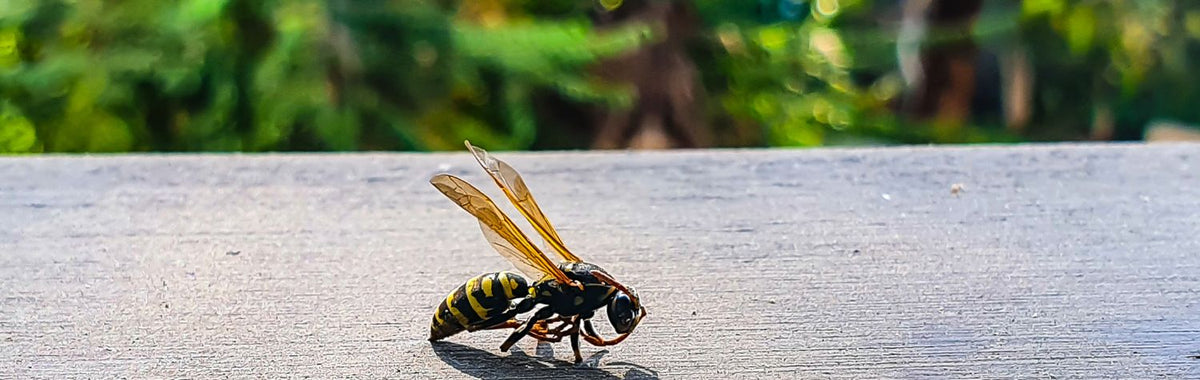
There is a particular sharpness to late summer. The light turns golden, outdoor dinners linger longer, and children resist coming inside. Unfortunately, yellow jackets also seem to arrive at precisely the wrong moment—hovering near lemonade glasses and circling picnic tables with unsettling confidence.
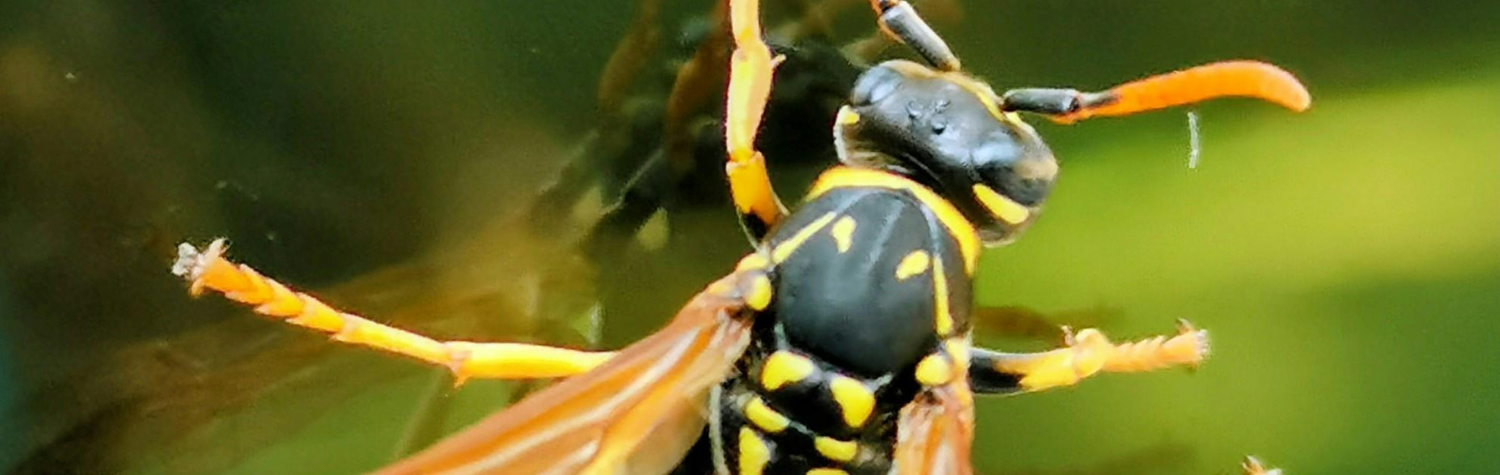
Unlike honeybees, yellow jackets are not gentle pollinators pausing politely among flowers. They are scavengers. And by August, their colonies are large, well-established, and intensely motivated.
The reassuring truth is this: yellow jackets are predictable. When their food sources and nesting access are reduced, their presence diminishes. Prevention is far more effective—and far more refined—than chasing them with sprays.
Why Yellow Jackets Become a Late-Summer Problem
In spring and early summer, yellow jackets focus on protein—caterpillars, flies, and other insects—to feed growing larvae. By late summer, the colony shifts. Workers begin seeking sugars to sustain themselves as the nest matures.
This dietary change explains why:
- They gather around soda cans and juice boxes.
- They patrol outdoor trash bins.
- They hover over fruit platters at backyard gatherings.
- They investigate sticky popsicle hands with alarming enthusiasm.
They are not aggressive without reason; they are opportunistic. Understanding this shift is the first step toward prevention.
Patios: Remove the Invitation
Outdoor dining spaces are prime territory for yellow jackets. The goal is not sterility—but swift cleanup.
- Wipe down tables immediately after meals.
- Rinse recyclable cans and bottles before placing them in bins.
- Keep drink containers covered when possible.
- Remove fallen fruit from nearby trees.
Yellow jackets can detect sugar quickly. A few drops of spilled juice are more persuasive than most decorative centerpieces.
For general outdoor insect considerations, homeowners may find perspective in how to protect beneficial insects, which explains the balance between prevention and ecological respect.
Featured in this article
Shop Dr. Killigan's Essentials
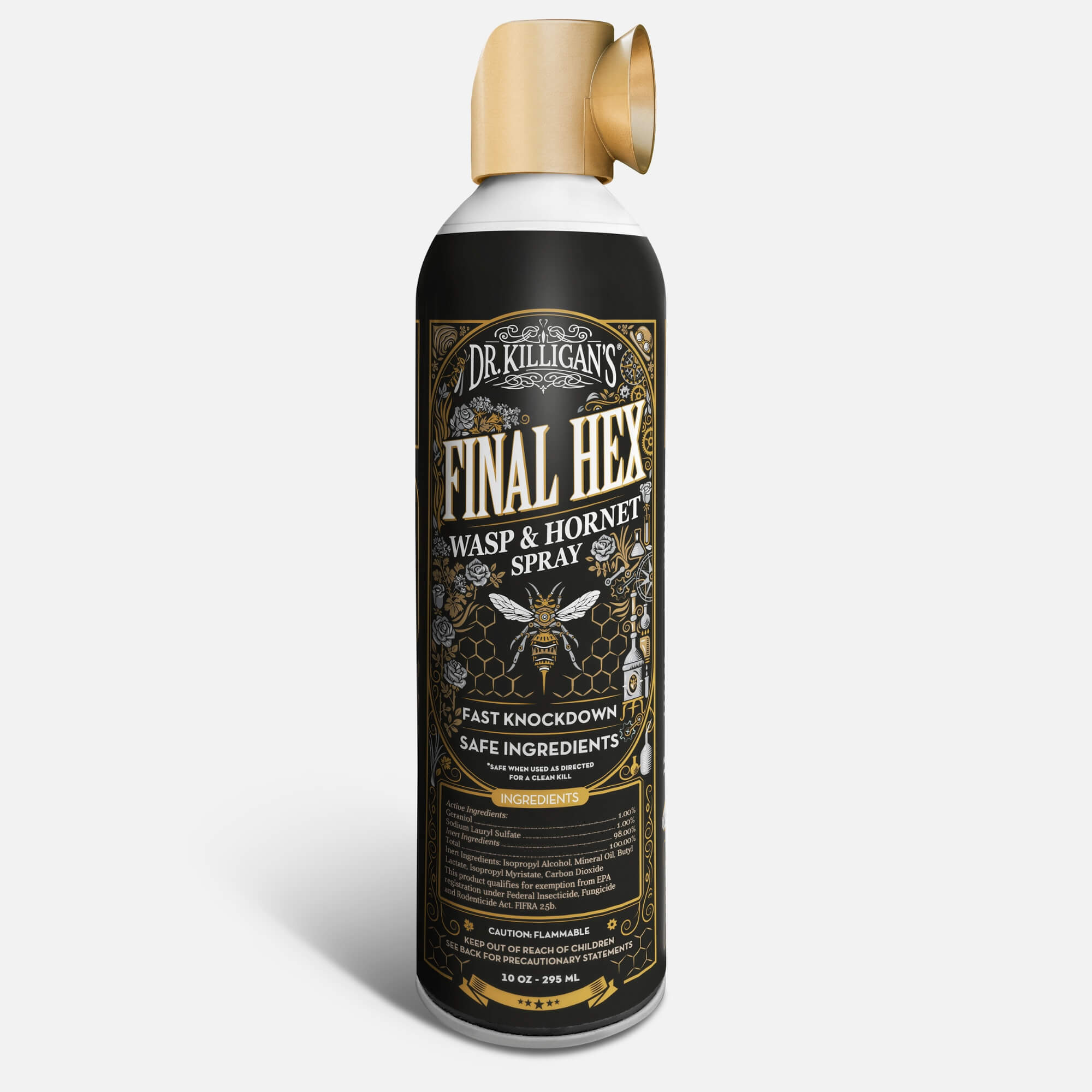
Final Hex: Wasp & Hornet Spray - Fast Knockdown - Reaches Up to 15 ft (10 oz)
Trash Cans: The Hidden Magnet
Garbage bins are one of the most consistent attractants in late summer.
- Use trash cans with tight-fitting lids.
- Rinse bins weekly with soapy water.
- Double-bag especially sugary waste.
- Store bins away from patio seating areas when possible.
Even sealed trash cans benefit from periodic washing. Residue along the lid rim is often enough to sustain repeated visits.
Yellow jackets are industrious, but they are not sentimental. Remove the food source, and they relocate.
Kids’ Play Areas: Thoughtful Protection
Play structures and sandbox areas deserve particular attention. Children move unpredictably, and swatting at a wasp can escalate a situation quickly.
- Inspect play equipment for ground nests nearby.
- Fill abandoned rodent burrows where yellow jackets may nest.
- Keep sugary drinks away from active play zones.
- Encourage closed cups instead of open containers outdoors.
Ground nests are especially common in late summer. Yellow jackets often establish colonies in soil cavities, under decks, or along fence lines.
Observation is critical. A steady stream of wasps entering and exiting the same ground opening suggests a nest that may require professional removal.
What Not to Do
Spraying widely or swatting aggressively can worsen activity. Disturbed yellow jackets release alarm pheromones, which may attract others to defend the nest.
Conventional aerosol insecticides are often used impulsively outdoors. However, some homeowners prefer to avoid routine pesticide application around areas where children and pets play.
Studies from the CDC indicate that pesticide exposures can occur in residential environments. Some reports raise concerns about certain active ingredients when used improperly or too frequently. Research suggests a possible connection between higher environmental chemical load and irritation or sensitivity in some individuals, though outcomes vary depending on dosage and ventilation.
Potential risks may include unnecessary exposure on outdoor surfaces where families gather.
This is why targeted, minimal intervention—paired with sanitation and habitat reduction—often proves more sustainable.
Prevention Is the Real Yellow Jacket “Product”
Yellow jackets are not a problem best solved by shopping for a single magic tool—because, in most homes, the true solution is structural. When the draw is removed (sugar, trash residue, fallen fruit, open cups, and easy nesting gaps), yellow jackets simply have less reason to loiter. That quiet shift—less reward, less traffic—is what changes a patio from tense to livable.
For households committed to non-toxic living, late-summer wasp prevention fits the broader philosophy: prioritize sanitation, exclusion, and calm routines first, then choose plant-based pest control options thoughtfully for the everyday insects that do respond well to them.
Homeowners building a refined, non-toxic toolkit for common household pests can explore options at drkilligans.com.
Protect Your Outdoor Moments—Naturally
Late summer should be about long evenings and relaxed laughter, not hovering distractions. With thoughtful sanitation, nest awareness, and targeted plant-powered support, patios and play areas can remain calm, comfortable, and confidently maintained—without relying on harsh chemical sprays.
Exclusive Reader Perk: Use code BUGBLOG at checkout for 15% OFF your order.