
By Eleanor Whitmore, Guest Author
TL;DR: House spiders usually show up in vents, corners, and closets because those spaces offer darkness, still air, and a steady supply of smaller insects. The most effective way to keep them out is to reduce prey, seal entry points, clear quiet hiding zones, and use targeted non-toxic support in cracks and crevices instead of broad chemical spraying.
House spiders have an almost literary instinct for choosing the least convenient places to appear. A ceiling corner just above eye level. A closet shelf no one has visited in days. A wall vent that suddenly feels less architectural and more inhabited.
They are unsettling in a way that exceeds their actual danger, which is perhaps part of their talent. For many homeowners, especially during seasonal changes, spiders seem to appear indoors all at once. Yet their arrival is rarely random. Spiders settle where food, shelter, and quiet overlap. Vents, corners, and closets offer all three with admirable efficiency.
The encouraging news is that spider prevention does not require turning a home into a chemical experiment. A calmer, more effective approach begins with understanding what spiders are following indoors and what makes certain rooms so appealing once they arrive.
Why House Spiders Gather in Vents, Corners, and Closets
Spiders are not usually coming indoors because they have developed a taste for domestic elegance. They are coming indoors because the home provides favorable conditions: warmth, protected edges, and smaller insects to eat. In most cases, spiders are following a food source more than seeking out fabrics or stored items themselves.
Vents, corners, and closets are especially attractive because they tend to be:
- Undisturbed for long stretches
- Dark or dimly lit, especially in closets and upper corners
- Still, with limited airflow in certain recesses
- Rich in prey, particularly if flies, gnats, or other small insects are present
- Easy to anchor webs to, thanks to trim, grille lines, shelf edges, and ceiling angles
Spiders are, in other words, practical decorators. If a space offers structure and supper, they see no reason to object.
What House Spiders Are Actually Looking For
Homeowners often assume spiders are the main problem, when in reality spiders are frequently a sign of an earlier one. A few drain flies in the laundry area, a trickle of gnats near houseplants, a moth slipping through a closet corner, a stray fly around a vent grille—these are invitations.
This is why spider control so often begins with broader household insect prevention. A home with fewer flying or crawling insects is simply less rewarding to a spider.
Spiders are especially likely to linger where they can find:
- Flying insects near vents or windows
- Quiet closet corners with little foot traffic
- Dusty upper trim where webs go unnoticed
- Laundry or utility spaces with lower lighting and more moisture
- Garage-adjacent or attic-adjacent rooms with seasonal insect movement
The spider itself may be the visible nuisance, but the room is usually telling a slightly larger story.
Step 1: Reduce the Insects Spiders Feed On
The cleanest spider strategy is often an indirect one: reduce their food supply. If vents, corners, and closets are no longer productive hunting grounds, spiders become much less interested in staying.
- Address flies and gnats promptly in kitchens, laundry rooms, and bathrooms
- Keep windows and screens in good repair so flying insects are less likely to enter
- Vacuum dead insects from windowsills, closet floors, and vent edges
- Watch for pantry pests in storage areas adjoining closets or utility spaces
This is one reason spider prevention often feels more effective when it starts with general housekeeping rather than dramatic confrontation. Eliminate the menu, and the restaurant closes.
For readers who want a broader look at this logic, this guide to protecting your home from spiders offers a useful companion perspective.
Featured in this article
Shop Dr. Killigan's Essentials


Step 2: Make Corners and Closets Less Appealing
Spiders love edges because edges are dependable. They provide anchor points, concealment, and just enough neglect to make a web worth the effort.
To change that equation:
- Vacuum ceiling corners regularly, especially in lesser-used rooms
- Pull stored shoes, bins, and boxes slightly away from closet walls
- Dust shelf brackets, trim, and closet rods where webbing can begin
- Avoid overpacking closets, which creates protected still zones
- Rotate stored textiles so corners do not remain untouched for months
Closets that are tidy but not crowded are far easier to monitor. A spider is much less impressive when it has nowhere theatrical to disappear.
Step 3: Pay Attention to Vents and Registers
Vents are especially interesting to spiders because they sit at the intersection of airflow, warmth, and insect movement. Even when a spider is not living inside the duct itself, the grille edges and surrounding trim can provide ideal web locations.
- Vacuum vent covers and the surrounding wall area
- Wipe grille slats where dust and insect debris can accumulate
- Check for gaps around vent trim where insects may enter from wall voids
- Inspect nearby ceiling or floor edges for recurring web anchors
If a vent repeatedly attracts webbing, that often means the surrounding area is serving up airflow and prey with a bit too much generosity.
Step 4: Seal the Home’s Easy Entry Points
Spiders may establish themselves indoors, but many begin outside or in transitional spaces like garages, crawl spaces, and attics. Sealing the home reduces both spider entry and the insect traffic they rely on.
- Caulk cracks around windows and door trim
- Replace worn weatherstripping
- Repair torn screens
- Seal gaps around utility penetrations
- Inspect baseboards and closet corners on exterior-facing walls
These fixes help on multiple fronts. They reduce not only spiders but the small insects that make a room feel worth webbing in the first place.
Step 5: Use a Targeted Non-Toxic Powder Where Activity Is Recurring
When spiders repeatedly appear around vent edges, closet trim, baseboards, or upper wall corners, many homeowners prefer a product they can use precisely rather than treating the entire room out of frustration.
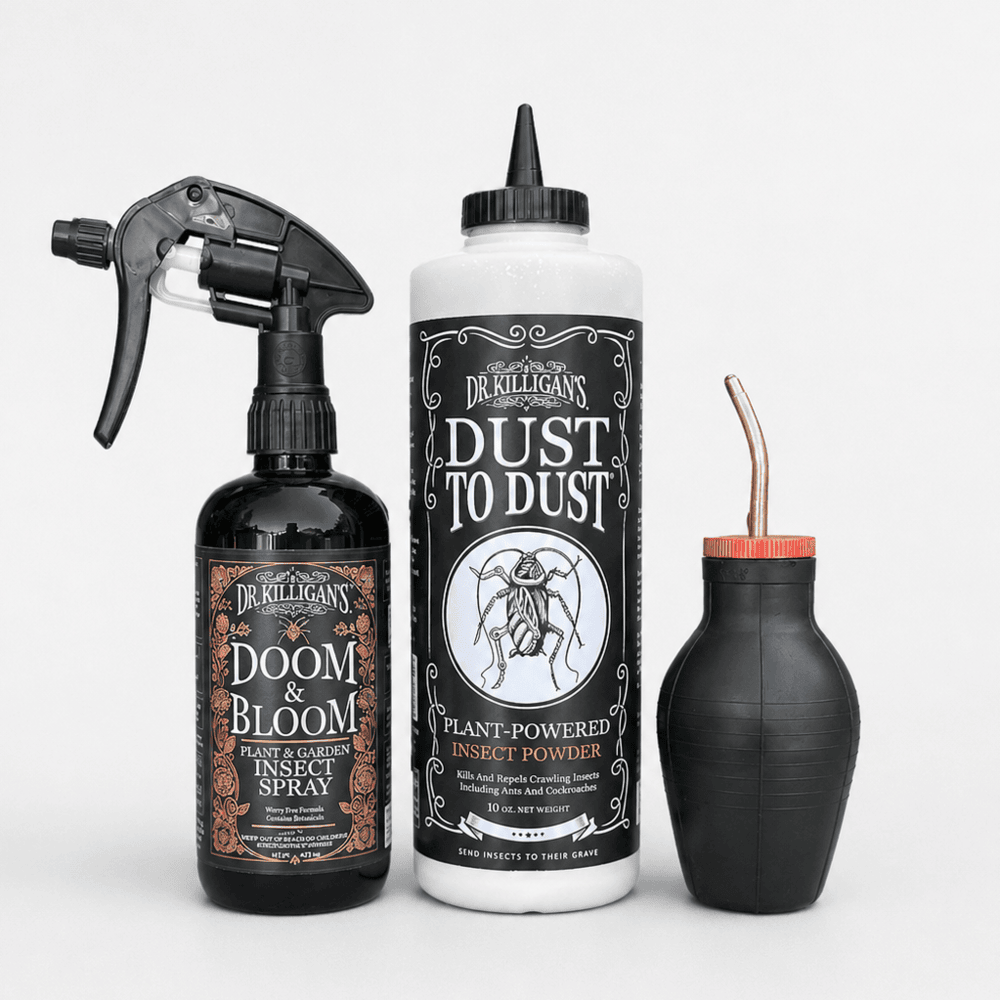
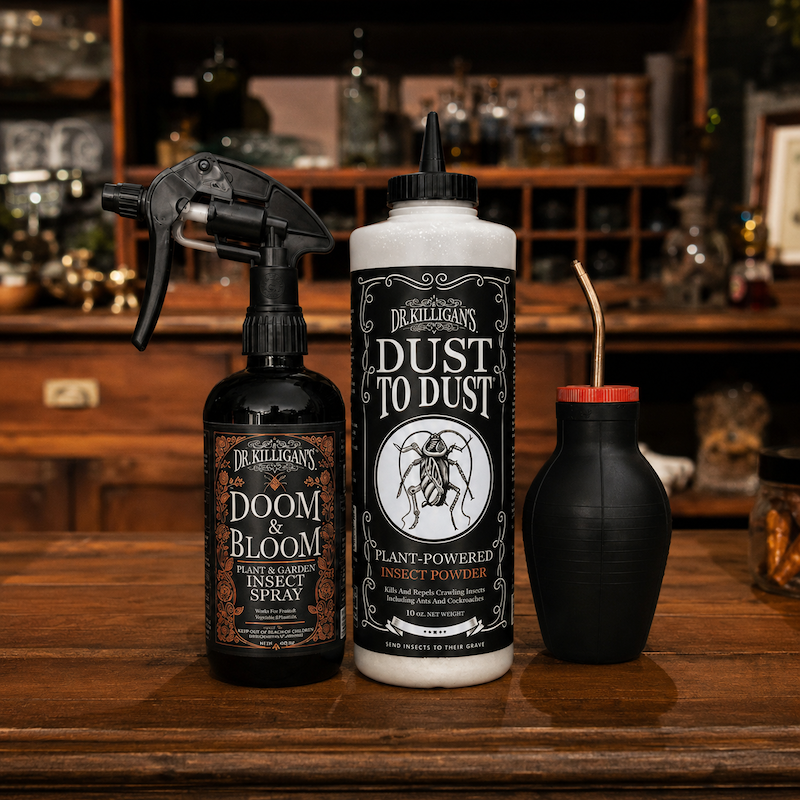
One option is Dust to Dust Plant-Powered Insect Powder, used according to label directions in the cracks, crevices, and hidden edges where spiders tend to travel or settle. This kind of targeted support works best when paired with the earlier steps—vacuuming webs, reducing prey, and correcting entry gaps—rather than treated as a substitute for them.
That distinction matters. Spiders are usually a room-pattern problem, not a single-surface problem. A targeted powder can support the solution, but the home still needs to become less appealing overall.
A Spider Problem Usually Calls for Precision, Not Saturation
When spiders appear indoors, the instinct to spray everything is understandable. But spiders are rarely the sort of pest that benefits from indiscriminate treatment. They are usually sitting at the end of a chain of conditions—entry gaps, quiet corners, and smaller insects already living comfortably in the room.
That makes a blanket chemical approach feel bigger than the problem often requires. Bedrooms, closets, and living areas contain fabrics, vents, shelves, and everyday surfaces that people touch constantly. In spaces like these, many homeowners prefer a narrower, more deliberate response.
Health and safety agencies have long noted that indoor pesticide use can create household exposure, especially when products are applied repeatedly or allowed to settle on common surfaces. Depending on the formulation, frequency of use, and level of ventilation, residues may linger longer than intended.
A more elegant approach is usually the more useful one: remove webs, reduce the insects spiders feed on, close the structural gaps, and apply targeted non-toxic support only where recurring activity justifies it. In most homes, that kind of precision is not only gentler—it is simply more intelligent.
How to Keep Closets from Becoming Spider-Friendly Again
Closets often relapse because they quietly return to perfect spider conditions: dark, still, overfilled, and rarely disturbed. Prevention is less about perfection and more about rhythm.
- Do a quick corner check when changing seasonal clothing
- Keep stored items in orderly rows, not layered piles
- Vacuum closet floors and edges regularly
- Shake out little-used garments and shoes before wearing
- Keep damp linens or laundry out of long-term closet storage
This is also where a broader non-toxic home routine helps. A home that is easy to read is easier to protect.
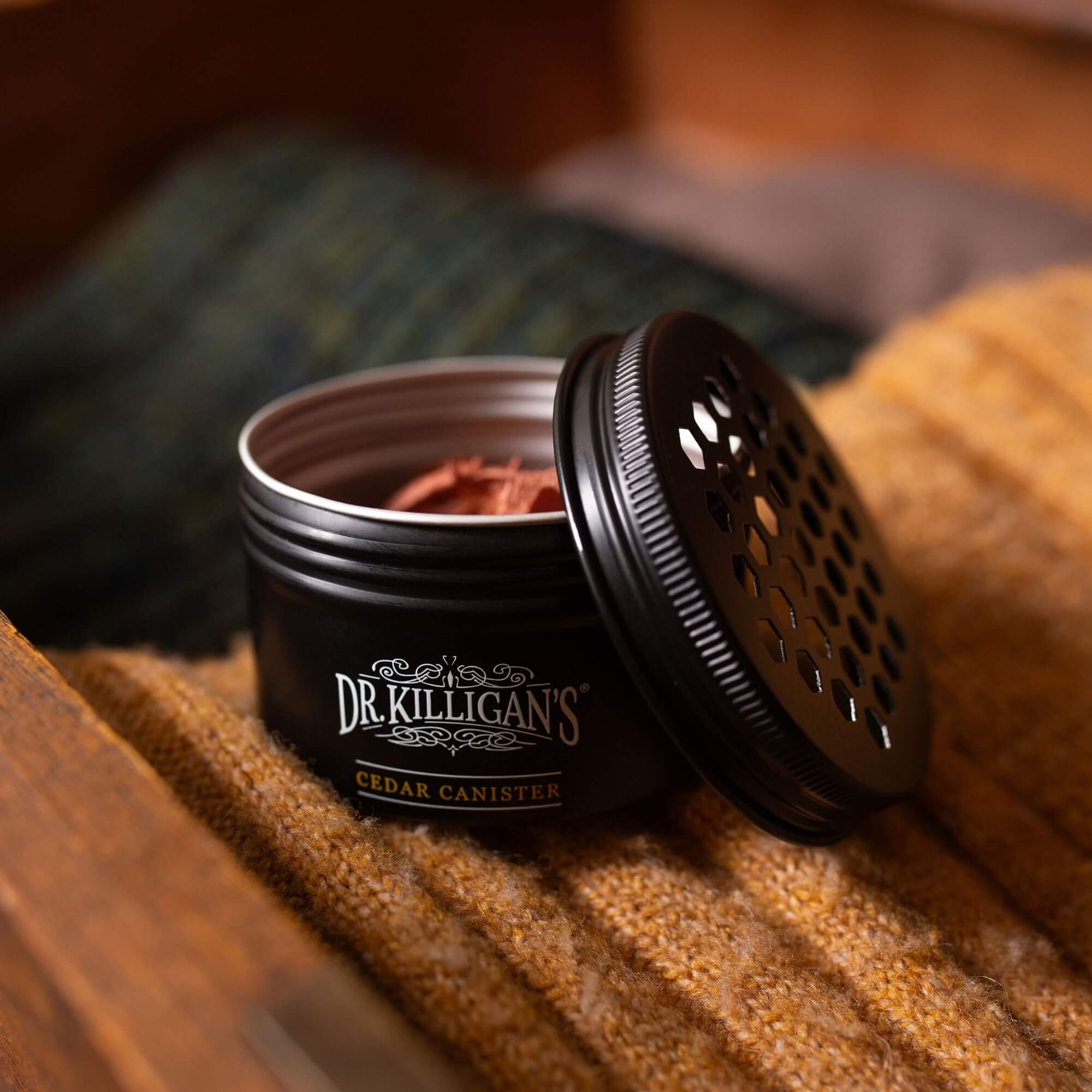
For households building a larger prevention plan, the complete collection provides a helpful overview of Dr. Killigan’s household options. Those specifically looking at targeted support tools can also browse the Sprays & Powders Collection.
What About the Spider in the Vent Right Now?
Sometimes, a homeowner does not need a philosophy of prevention so much as immediate emotional relief. Fair enough.
If a spider is actively present:
- Vacuum it and the surrounding webbing rather than crushing it on the wall
- Clean the surrounding surface so the same anchor points are less inviting
- Inspect for other insect activity nearby
- Check the room again in a few days to see whether it was an isolated visitor or part of a pattern
One spider does not always mean an infestation. It may simply mean the room briefly looked promising. The goal is to make it feel less so next time.
Keep Spiders Out the Gentler Way
House spiders stay where they find quiet corners, steady prey, and easy access. With cleaner edges, better exclusion, and targeted non-toxic support in the cracks and crevices where spiders linger, vents, closets, and room corners can go back to being merely architectural.
Exclusive Reader Perk: Use code BUGBLOG at checkout for 15% OFF your order.