
By Laura Kensington, Guest Author
TLDR: Fruit flies rarely come from nowhere—they breed in overlooked kitchen moisture zones like drains, garbage disposals, recycling bins, and overripe produce. Breaking the cycle requires scrubbing the hidden breeding sites, drying damp areas, and using non-toxic traps and gentle tools to bring a kitchen back to calm—without harsh chemicals.
There is a particular kind of frustration reserved for fruit flies. They appear suddenly, hover confidently over the fruit bowl, and behave as though they have signed a short-term lease in the kitchen.
For many households—especially during warm months or humid stretches—fruit flies seem impossible to eliminate. A bowl of vinegar may catch a few. A wiped counter offers brief satisfaction. Yet they persist.
The reason is simple and surprisingly reassuring: fruit flies do not thrive because a home is unclean. They thrive because kitchens are alive—with moisture, sugars, fermentation, and warmth. Understanding where fruit flies truly breed is the key to stopping them without resorting to harsh sprays.
Why Fruit Flies “Won’t Quit”
Fruit flies reproduce quickly. A single female can lay dozens of eggs at a time, often in moist organic material. Those eggs hatch into larvae within days. If breeding sources remain undisturbed, the cycle repeats before homeowners realize it has restarted.
Adults hovering near the fruit bowl are merely the visible stage. The real issue hides below the surface—in drains, disposal splash guards, recycling bins, and damp crevices that rarely see daylight.
In late summer and early fall, when kitchens are warmer and produce is abundant, fruit fly populations often surge. For a deeper seasonal perspective, readers may find this useful: Are fruit flies at their worst in the fall?
The Real Breeding Sites in Kitchens
1. Sink Drains and Garbage Disposals
Perhaps the most common—and most overlooked—breeding ground is the kitchen drain. Food particles cling to pipe walls and disposal components, creating a moist film where larvae can develop undisturbed.
Even spotless countertops cannot compensate for a drain interior that has not been scrubbed mechanically.
What to do:
- Use a long-handled drain brush to scrub inside the pipe.
- Flush with boiling water (if plumbing permits).
- Clean rubber splash guards underneath where residue accumulates.
- Keep drains dry overnight when possible.
Fruit flies are less romantic about drains than one might imagine—they are simply practical.
2. Recycling Bins and Compost Containers
Empty wine bottles, juice containers, and soda cans may look dry—but residual sugars remain. Indoor compost bins and under-sink compost drawers are equally attractive if not emptied and rinsed regularly.
What to do:
- Rinse recyclables before placing them in bins.
- Wash bins weekly with warm, soapy water.
- Use tightly sealed compost containers.
- Empty compost frequently during warm months.
For households committed to composting (and many are), the solution is not abandonment—it is maintenance.
Featured in this article
Shop Dr. Killigan's Essentials


3. Overripe or Forgotten Produce
Bananas ripening in a wire basket. Potatoes softening quietly in a cabinet. A single bruised tomato beneath the others. Fruit flies detect fermentation before humans notice anything amiss.
Refrigeration can reduce exposure for certain fruits. Others benefit from breathable but contained storage.
4. Dish Sponges, Mop Heads, and Damp Towels
Moist fabric infused with organic residue can support breeding. Sponges left perpetually damp become particularly attractive.
What to do:
- Replace sponges frequently.
- Allow cleaning cloths to dry fully between uses.
- Wash mop heads on a regular schedule.
5. Appliance Crevices
Coffee makers, blender gaskets, stand mixer attachments, and refrigerator drip trays can accumulate sweet residue. These areas are rarely cleaned deeply unless a problem forces attention.
It is not dramatic. It is simply maintenance that pays dividends.
Breaking the Fruit Fly Life Cycle—Without Harsh Chemicals
When fruit flies multiply, conventional sprays can be tempting. However, many families prefer to avoid routine indoor pesticide use—especially in kitchens where food is prepared.
Studies from the CDC indicate that pesticide exposures can occur in residential environments, and some reports raise concerns about certain active ingredients when used improperly or too frequently. Research suggests a possible connection between higher indoor chemical load and irritation or sensitivity in some individuals, though outcomes vary widely and depend on ventilation and usage patterns.
This is why non-toxic, mechanical methods remain the foundation of fruit fly control.
Step 1: Remove All Breeding Sources
This is non-negotiable. Traps alone will not solve the issue if larvae continue to hatch in hidden zones.
- Scrub drains and disposal components.
- Empty and wash recycling bins and compost containers.
- Discard compromised produce and wipe the bowl.
- Dry damp areas—especially overnight.
Step 2: Use Non-Toxic Traps as Monitoring (and a Polite Eviction Notice)
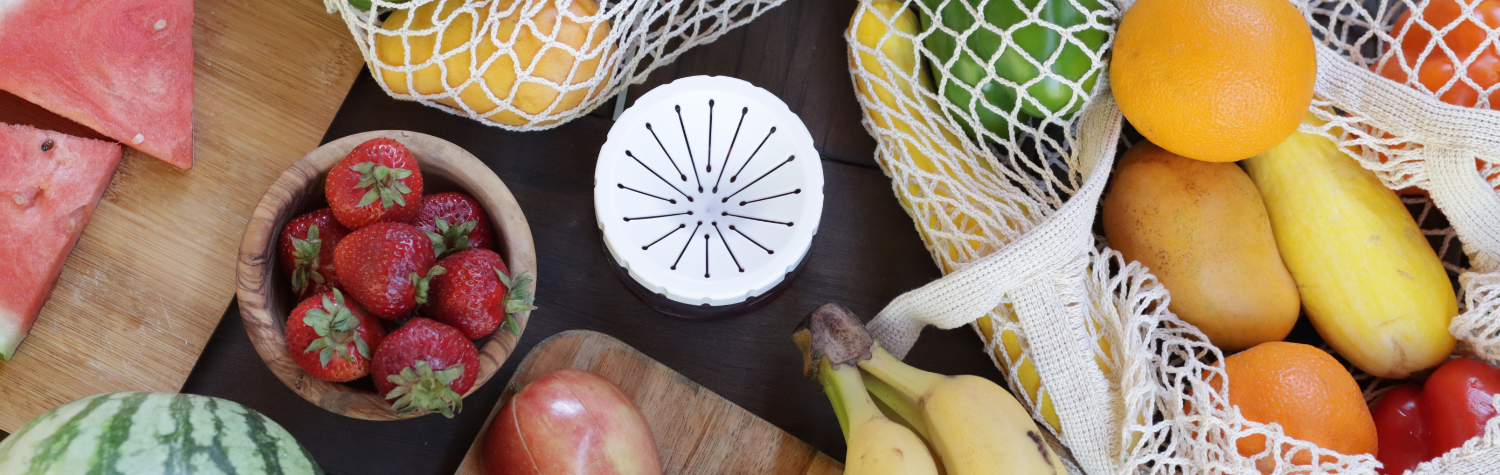
Once breeding sites are addressed, the next goal is to reduce the adult population while watching for any stubborn stragglers. This is where a well-designed, non-toxic trap earns its keep—quietly, neatly, and without turning the kitchen into a laboratory.
Dr. Killigan’s offers a fruit fly trap designed for exactly this purpose: Sweet Surrender Fruit Fly Traps.
Traps work best when placed where fruit flies actually gather:
- Near the fruit bowl or produce drawer, especially when fruit is ripening.
- Beside the sink if drain activity is suspected.
- Near recycling or compost areas during warm weather.
Used as part of a broader system, a trap helps confirm that the cycle is truly breaking. It is less “one-and-done miracle” and more “steady, sensible housekeeping”—which is, frankly, how most real problems get solved.
Step 3: Make Vinegar Work Smarter (Not Harder)
Homemade vinegar traps can catch adults, though results vary. A helpful breakdown of vinegar effectiveness can be found here: Vinegar vs. fruit flies: Unveiling the truth with Dr. Killigan's expertise.
If vinegar is used, it tends to perform better when paired with the earlier steps—especially drain scrubbing and drying. Otherwise, it becomes a small consolation prize while the real party continues under the sink.
Step 4: Adjust Moisture and Airflow
Humidity encourages rapid reproduction. Simple changes make a meaningful difference:
- Run kitchen ventilation during and after cooking.
- Fix slow leaks promptly.
- Avoid leaving standing water in sink basins overnight.
- Let sponges and cloths dry fully between uses.
Why Non-Toxic Control Is Often More Effective Long-Term
Chemical sprays may knock down visible adults quickly, but they do not address eggs or larvae embedded in drains and residue films. Non-toxic methods—mechanical cleaning, drying, and smart trapping—interrupt reproduction at its source.
Effective pest control need not feel aggressive. It can be deliberate and measured—more chess match than sword fight. And it has the added advantage of keeping kitchens comfortable for the smallest household members who touch everything, taste everything, and somehow find the one crumb no adult saw.
Take Back Your Kitchen—Naturally
Don’t let persistent fruit flies turn your sink and fruit bowl into their favorite gathering place. With thoughtful prevention and a well-placed trap, you can restore calm without harsh sprays or lingering chemical residue.
Exclusive Reader Perk: Use code BUGBLOG at checkout for 15% OFF your order.