
By Claire Hensley, Guest Author
TL;DR: Drain flies keep returning because the real problem is rarely the visible adult fly—it is the damp organic film breeding inside drains, floor drains, appliance lines, and hidden wet corners. Long-term control depends on scrubbing away that buildup, drying the room, and correcting leaks or residue that let the cycle continue.
Drain flies are small enough to look harmless and persistent enough to feel personal. One appears near the sink, then another in the laundry room, and before long the homeowner begins to suspect the house is keeping a minor, winged secret.
These fuzzy little flies are not especially dramatic, but they are excellent at returning after a quick cleanup. That repeat appearance is what makes them so frustrating. A drain may have been rinsed. The sink may smell fresh. The room may look perfectly respectable. And still, the flies reappear as if the matter was never settled.
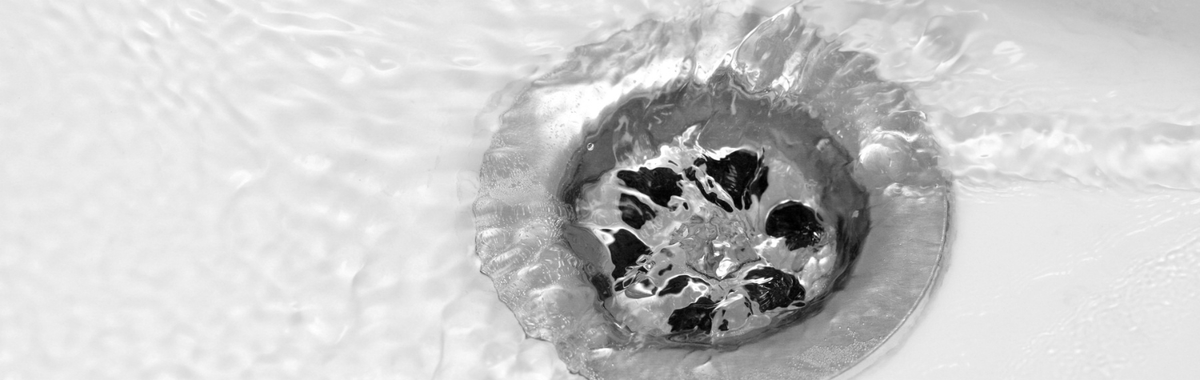
The reason is simple: drain flies are almost never solved at the level of the visible adult. They are solved at the level of breeding film—hidden sludge, organic residue, and damp buildup that clings to the inside of drains, floor grates, utility lines, and quiet corners where moisture lingers just a bit too long.
The encouraging truth is that drain flies are more predictable than they seem. Once the breeding source is removed, the problem usually collapses with surprising speed.
What Drain Flies Actually Are
Drain flies—sometimes called moth flies or sewer flies—are tiny, soft-bodied flies with fuzzy wings and a slightly heart-shaped silhouette when at rest. They are weak fliers and often appear hovering lazily near sinks, tubs, laundry drains, or utility-room walls.
They are not fruit flies, and they are not coming in for the bananas. They are drawn to the thin, gelatinous organic film that develops in moist plumbing environments. That film provides exactly what they need: food, shelter, and a nursery for eggs and larvae.
That is why drain flies are most often found in:
- Kitchen sink drains
- Laundry room floor drains
- Utility sinks
- Overflow openings
- Condensate lines
- Wet, grime-lined pipe edges
The room itself is not usually the problem. The film inside the infrastructure is.
Why They Keep Coming Back After Cleaning
This is the central frustration with drain flies: a homeowner wipes the sink, empties the trap cup, pours in something minty or citrusy, and the flies are still there two days later.
That happens because surface freshness is not the same as drain sanitation. Drain flies breed in the material that clings to the inside walls of a pipe, around splash guards, under drain lips, and in damp crevices where quick rinses never quite reach.
Common reasons they persist include:
- The drain was rinsed but not scrubbed
- Floor drains still contain sludge below the grate
- Laundry lines or utility drains remain damp and coated
- A hidden leak is keeping the area continuously moist
- Organic residue under an appliance is quietly feeding the cycle
Drain flies are not especially clever. They are simply loyal to a breeding site that still exists.
Kitchens and Laundry Rooms Are Perfect for Them
Kitchens and laundry rooms offer the two things drain flies love most: moisture and residue. In kitchens, the buildup is usually food-based—grease film, food particles, disposal residue, and sink sludge. In laundry rooms, the appeal is often lint, detergent film, floor drain buildup, and condensation around appliances.
These rooms also share another trait: they are cleaned often in visible areas and neglected in the invisible ones. The countertop gleams. The floor drain, less so.
That difference is where drain flies tend to win.
How to Confirm the Drain Is the Source
Before treating the room as though every pipe is guilty, it helps to confirm where the flies are breeding.
A simple method is the tape test:
- Place clear tape loosely over a suspect drain at night, sticky side down but not sealed completely.
- Leave enough space for air to move.
- Check it in the morning for trapped flies on the underside.
This can help identify which drain is active—kitchen sink, utility sink, floor drain, or another overlooked source.
It is not glamorous detective work, but neither are drain flies. The important thing is accuracy.
Featured in this article
Shop Dr. Killigan's Essentials


Step 1: Scrub, Don’t Just Pour
The most effective drain-fly removal begins with mechanical cleaning. This is the step people most want to skip, and it is the one that matters most.
- Use a stiff drain brush to scrub the inside of the pipe wall
- Clean under drain lips where slime collects
- Lift and scrub sink strainers and garbage disposal splash guards
- Remove floor drain grates and clean beneath them thoroughly
- Flush afterward with hot water if appropriate for the plumbing
A poured cleaner may loosen some residue, but brushing physically removes the breeding layer. That is the difference between discouraging flies and actually evicting them.
Step 2: Don’t Ignore the Laundry Room
Drain flies are often treated like a kitchen problem, but laundry rooms are frequent offenders—especially in older homes, basements, or houses where the floor drain is rarely inspected.
In laundry areas, check:
- Floor drains near washers or water heaters
- Utility sinks with slow-draining lines
- Lint buildup behind and under the washer
- Washer drain hoses and nearby pipe openings
- Any drain with intermittent use and stale standing water
Laundry rooms are particularly good at appearing tidy while hiding dampness. They have that unfortunate talent in common with many household nuisances.
Step 3: Correct the Moisture That Keeps the Film Alive
Drain flies need dampness to keep breeding material usable. If moisture remains constant, the cycle remains comfortable.
- Repair slow drips under sinks and utility lines
- Dry out cabinet floors beneath plumbing
- Use a dehumidifier in basement laundry spaces
- Wipe condensation from pipes and utility surfaces
- Do not leave wet cleaning tools sitting in enclosed rooms
In practical terms, a dry room is a less hospitable room. Drain flies do not need much, but they do need damp persistence.
Step 4: Check the Places Adjacent to the Drain
Sometimes the drain is not the only source. Hidden organic matter nearby can extend the problem.
- Pull out the trash bin and wash beneath it
- Inspect behind the refrigerator for sticky residue
- Clean beneath the washer where lint and moisture mix
- Check overflow holes in sinks and basins
- Look under shelf liners in damp sink cabinets
If the room still smells faintly sour, musty, or swampy after cleaning the main drain, there is likely more to remove.
What About Sprays?
Sprays can knock down the adults, but they do not address the larvae thriving in the breeding film. That is why a room can seem better for a day or two and then return to exactly the same problem.
Many homeowners also prefer to be cautious about broad spraying in kitchens and laundry areas, where surfaces are touched often and ventilation can be limited. Public health agencies have noted that pesticide exposure can occur in residential environments, especially when products are used repeatedly indoors or applied broadly rather than strategically. Some reports raise concerns about indoor residue and repeated exposure patterns, particularly in spaces that families use every day.
Potential concerns may include residues on lower cabinets, floors, utility-room surfaces, and sink-adjacent areas where children and pets naturally spend time. That is one reason many households prefer a less theatrical approach: remove the source, dry the area, and use targeted non-toxic support where it makes sense.
Where Dust to Dust Fits Best
Because drain flies are fundamentally a source-removal issue, no product should be treated as a substitute for scrubbing, drying, and correcting the moisture problem itself. Still, once the breeding film is being removed properly, many homeowners want a non-toxic product that can support treatment around the damp seams, drain edges, and hidden crevices where flies tend to linger.
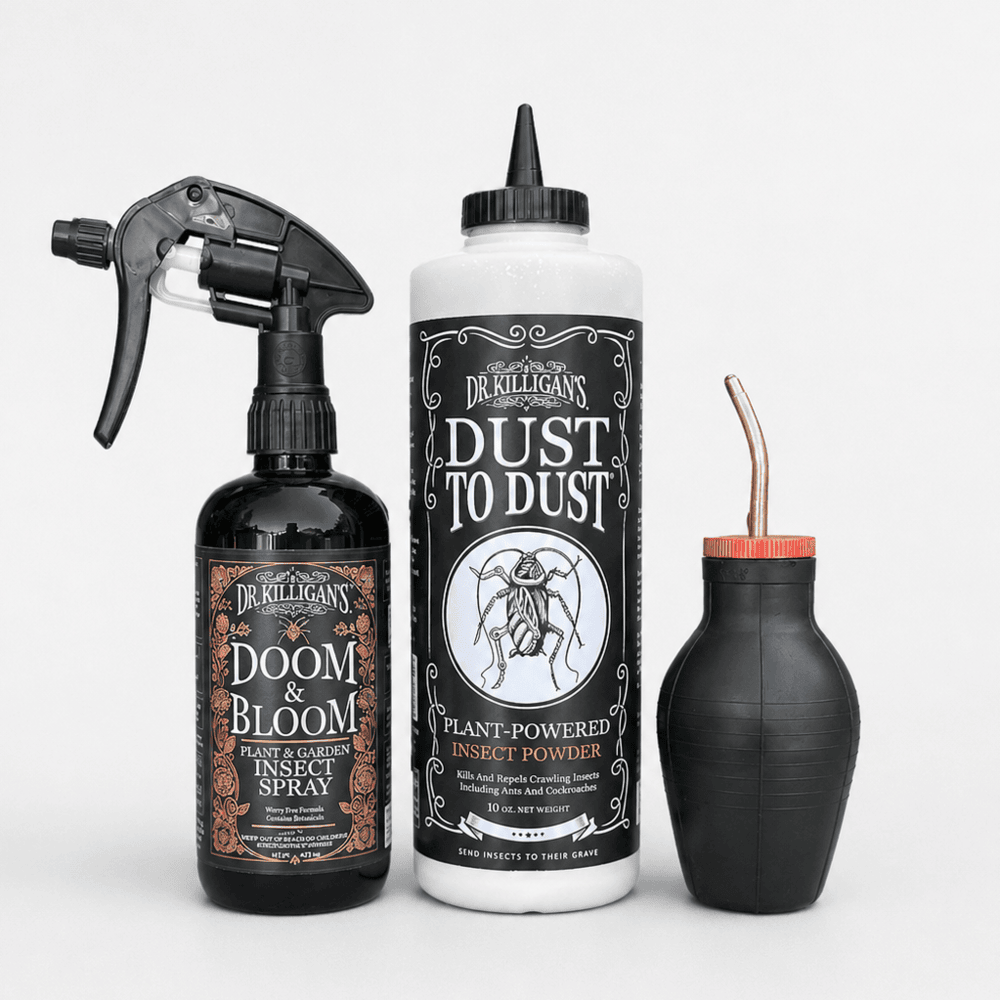
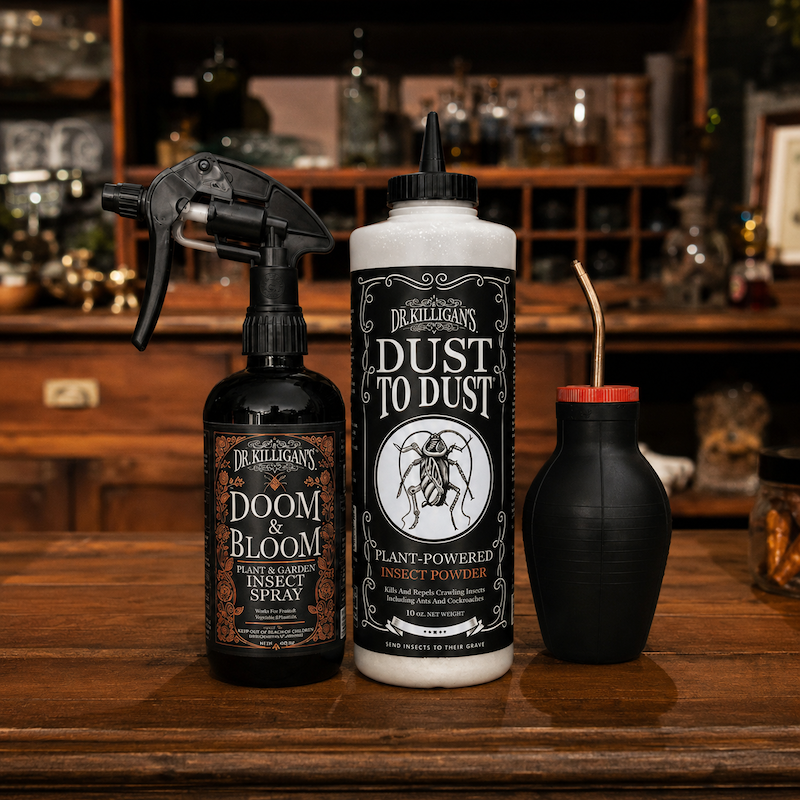
That is where Dust to Dust Plant-Powered Insect Powder can make sense. Applied according to label directions, it is well suited to the quiet structural edges around kitchens and laundry rooms—baseboards near utility hookups, gaps around sink cabinetry, and the tucked-away corners where moisture-loving insects tend to move once the room has begun to dry out.
It works best as part of a full correction plan: scrub the drain, remove the sludge, dry the room, then use a targeted powder in the surrounding crevices where drain flies may still be active. That order matters. Drain flies are not usually solved by product alone; they are solved by removing the breeding source and then supporting the room so the cycle does not quietly begin again.
For households building out a broader non-toxic routine, the complete collection offers an overview of general household options. Those focusing more specifically on insect categories related to flies may also want to browse the Flies Collection.
When the Problem May Be Bigger Than a Drain
If drain flies persist after thorough scrubbing and drying, something more hidden may be involved.
Possibilities include:
- A compromised drain line
- Standing water beneath flooring
- Organic buildup inside an inaccessible pipe section
- A utility room leak that has soaked into subfloor material
At that point, more product is rarely the best next step. Inspection is. A home sometimes needs a flashlight more than a formula.
How to Keep Them From Returning
Once the flies are gone, a few simple maintenance habits keep the breeding film from rebuilding.
- Brush kitchen and utility drains regularly
- Keep floor drains clean and periodically flushed
- Wash garbage bins inside and out
- Check under sinks for drips before they become habits
- Clean behind appliances on a schedule rather than a crisis
This is not fussy housekeeping. It is targeted housekeeping—the kind that protects the room without turning life into a sanitation opera.
Stop the Return Visit—Naturally
Drain flies keep coming back when wet buildup is left behind inside drains, floor grates, and utility lines. With better scrubbing, drier rooms, and targeted support around the hidden edges where moisture-loving insects linger, kitchens and laundry spaces can return to the calm, clean rhythm they were meant to have.
Exclusive Reader Perk: Use code BUGBLOG at checkout for 15% OFF your order.