

By Meredith Collins, Guest Author
TL;DR: Cluster flies gather inside attics and upper windows as temperatures drop, seeking quiet winter shelter—not food. The most effective prevention focuses on sealing entry points, reducing light attraction, and using non-toxic monitoring tools rather than harsh chemical sprays. With thoughtful exclusion and plant-based support, homes can remain calm and fly-free all season.
On the first bright winter afternoon, when sunlight spills across upper windows, a homeowner may notice them: slow, drowsy flies tapping gently against the glass. They are not house flies, nor are they evidence of poor housekeeping. They are cluster flies—seasonal squatters who simply prefer a warm attic to a frosted tree trunk.
Cluster flies enter homes in autumn, slipping through tiny exterior cracks to overwinter in wall voids and attic spaces. When interior heat and winter sunshine warm those surfaces, the flies awaken and drift toward light. It can feel sudden. It can feel personal. It is, in fact, predictable biology.
The good news is that cluster flies do not breed indoors. They are not feeding on pantry goods or laying eggs in insulation. They are waiting out the cold. Understanding that distinction is the first step toward handling them with precision rather than panic.
Why Cluster Flies Gather in Attics and Upper Windows
Cluster flies are drawn to sheltered voids in late summer and early fall. As temperatures drop, they seek protected cavities: attics, wall spaces, and the upper portions of homes where warm air rises. Unlike drain flies or fruit flies, they are not interested in moisture or food scraps.
During winter, they remain largely inactive. On mild days, especially when sunlight warms siding or window frames, they become temporarily active and move toward brightness. This is why upper-story windows often host a small congregation of slow-moving flies in January.
If there is any comfort to be found, it is this: cluster flies are more aristocratic than destructive. They prefer quiet corners and rarely cause structural damage. (They do, however, have a talent for dramatic window appearances.)
Step 1: Seal the Invitation Before Winter Begins
The most effective cluster fly control happens before snow ever falls. Exclusion—physically preventing entry—is the cornerstone of long-term success.
- Seal cracks around upper siding, fascia boards, and rooflines.
- Repair damaged window screens and attic vents.
- Use fine mesh vent covers where appropriate.
- Inspect soffits and gable vents for gaps.
Even narrow openings along trim can allow entry. Cluster flies are patient and persistent, but they are not magicians. A properly sealed home significantly reduces overwintering populations.
For broader strategies that apply to other seasonal invaders as well, homeowners may find helpful guidance in How to Get Rid of Spiders in Your Home, as many exclusion techniques overlap.
Featured in this article
Shop Dr. Killigan's Essentials


Step 2: Reduce Light Attraction During Winter Warm Spells
Once flies are inside wall cavities, winter management becomes a matter of minimizing visible activity.
Cluster flies move toward light when warmed. Closing curtains on bright winter afternoons in upper rooms can reduce congregation at windows. Keeping attic access doors sealed and insulated limits warmth transfer that triggers activity.
This step does not eliminate flies already present—but it reduces the spectacle. And sometimes, dignity matters.
Step 3: Remove Visible Flies Without Harsh Chemical Residue
When cluster flies appear indoors, mechanical removal is often sufficient.
- Vacuuming visible flies near windows provides immediate relief.
- Empty vacuum canisters promptly to prevent odor.
- Avoid crushing flies against light-colored walls, as they can leave marks.
For localized treatment in attic spaces or along upper window frames where insects are actively present, some homeowners prefer a plant-powered solution designed for indoor use. One option is Six Feet Under Non-Toxic Insect Spray, formulated for targeted application according to label directions.
Used thoughtfully, such products can assist with active individuals without leaving lingering synthetic residues throughout living areas. They are most effective when paired with sealing and exclusion rather than relied upon as a singular cure.
Why Many Homeowners Avoid Conventional Indoor Sprays
Cluster flies are often concentrated in upper living areas, near ceiling trim, attic hatches, and windows—spaces that are difficult to ventilate in winter. Some conventional insecticides are formulated for quick knockdown but may leave residues on interior surfaces.
Public health authorities have noted that indoor pesticide exposure can occur in residential environments, particularly in enclosed areas with limited airflow. Certain reports raise concerns about repeated or improper use of stronger formulations. Potential risks may include unnecessary exposure on walls, window frames, and air pathways where families spend time during colder months.
For readers exploring what “non-toxic” truly means in pest management, What Does Non-Toxic Insect Spray Really Mean? offers helpful perspective.
Step 4: Address Attic Conditions That Encourage Overwintering
Attics that are poorly sealed, overly warm, or riddled with exterior gaps are more attractive to cluster flies.
- Improve insulation to reduce warm air leaks.
- Seal attic hatch edges with weatherstripping.
- Inspect exterior siding annually.
- Keep rooflines maintained and sealed.
Cluster flies often enter high on structures, especially on sun-facing walls. A late-summer exterior inspection—before autumn cooling—can significantly reduce winter frustration.
Plant-Based Tools for Broader Household Prevention
While cluster flies themselves do not breed indoors, many homeowners use the winter season to refine a broader non-toxic pest strategy. A well-prepared home is less reactive and more deliberate.
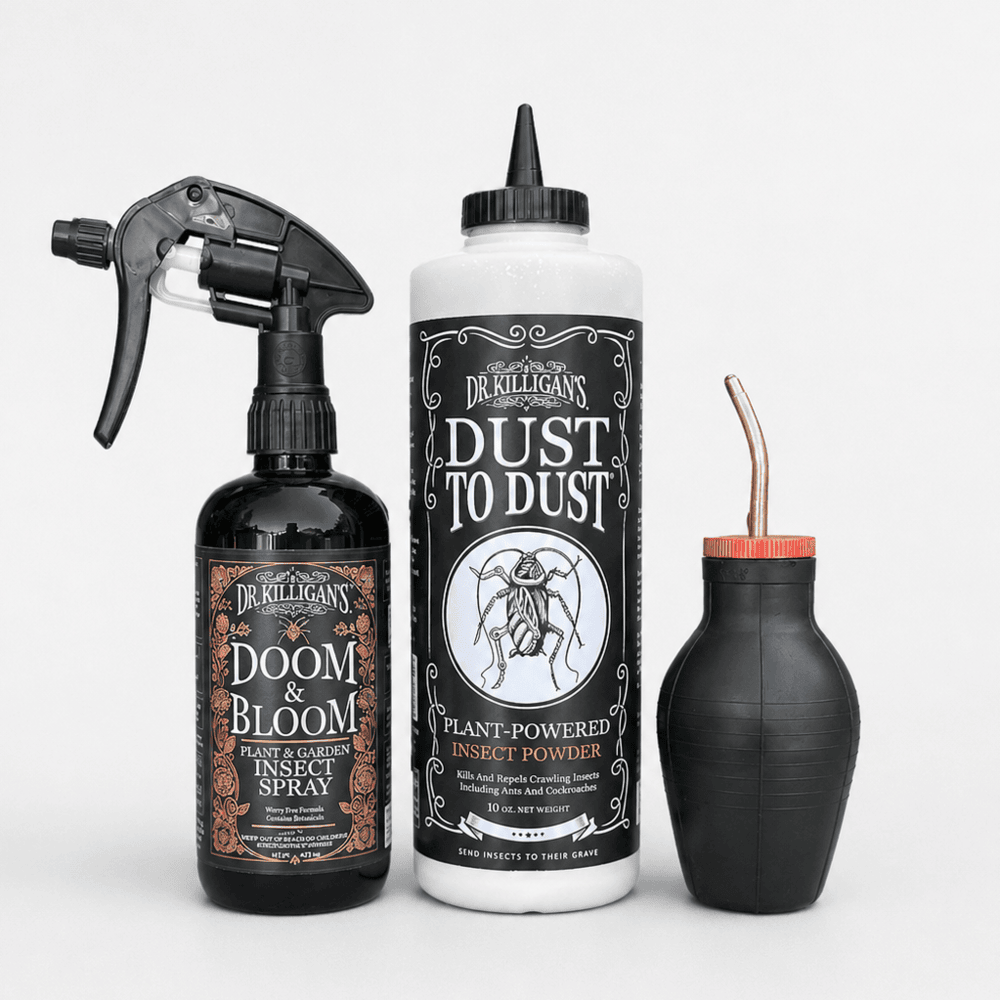
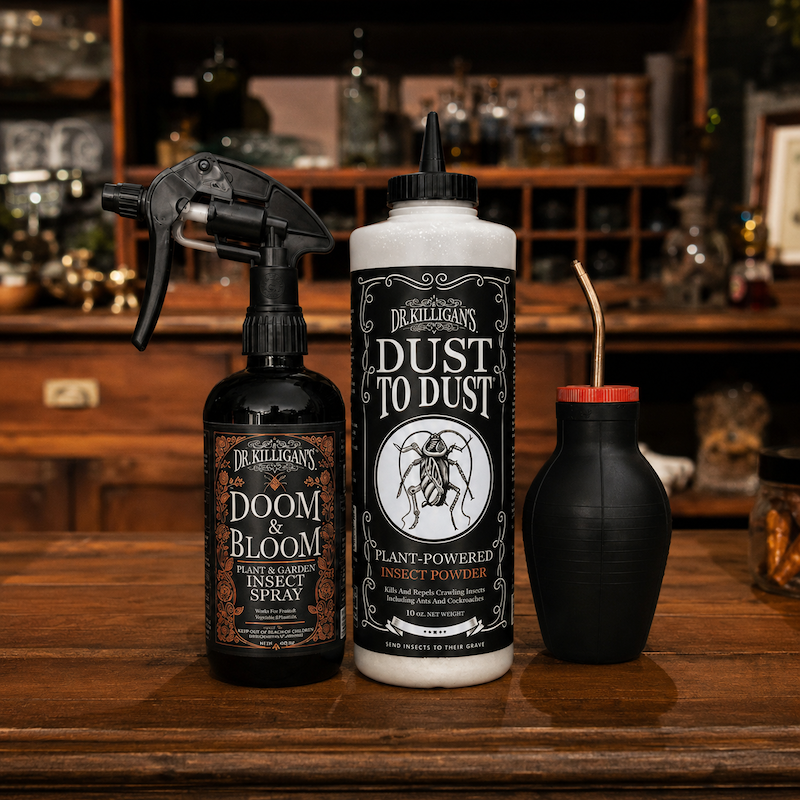
Exploring the complete product collection allows households to assemble a toolkit suited to their particular concerns, from seasonal flies to pantry pests.
For additional plant-based sprays and supportive options appropriate for common indoor insects, the Sprays & Powders Collection provides carefully designed tools aligned with non-toxic living principles.
Cluster flies may not require an elaborate arsenal—but a thoughtful system offers peace of mind.
How to Tell Cluster Flies from Other Winter Flies
Cluster flies are slightly larger than common house flies and move more slowly. They do not swarm drains or hover around food. They tend to gather quietly in upper windows.
If flies are appearing around sinks or trash bins, another species may be involved. In such cases, identifying the source is critical. For comparison, How to Get Rid of Flies outlines differences among common indoor fly species.
Keep Upper Windows Clear—Naturally
Cluster flies prefer the warmth of hidden spaces, but winter homes can remain composed and confidently maintained. With careful sealing, mechanical removal, and targeted non-toxic support, attics and upper rooms stay bright without unwanted company.
Exclusive Reader Perk: Use code BUGBLOG at checkout for 15% OFF your order.
Get 15% OFF Six Feet Under