
By Lydia Fairbourne, Guest Author
TL;DR: Carpenter ants often appear around window frames and inside walls where moisture has softened wood. Early signs include faint rustling sounds, fine sawdust-like debris, and ant activity near trim. Addressing moisture, sealing entry points, and using targeted non-toxic control methods can prevent long-term structural damage without resorting to harsh chemical sprays.
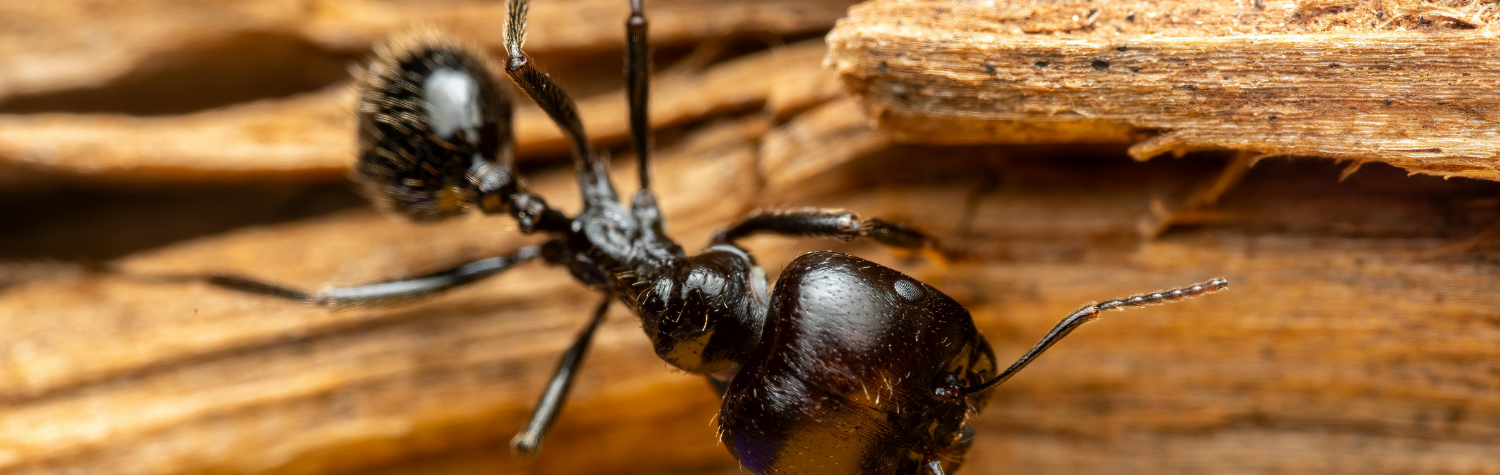
Carpenter ants are not subtle tenants. When they settle into a home’s wooden framework—particularly around window frames, door trim, and damp wall cavities—the signs tend to surface slowly but unmistakably. A faint scattering of fine wood shavings beneath a sill. A line of large black ants moving along a baseboard at dusk. Occasionally, the quietest clue of all: a soft, papery rustle inside the wall.
Unlike termites, carpenter ants do not eat wood. They excavate it. Their colonies hollow out galleries inside softened timber to create nesting chambers, often preferring wood that has already absorbed moisture from leaks, condensation, or seasonal humidity.
For homeowners, this distinction is important. Carpenter ant prevention is less about chemical eradication and more about correcting the environmental conditions that invited them in the first place.
Why Carpenter Ants Choose Window Frames and Walls
Carpenter ants are drawn to wood that is slightly softened by moisture. Window frames and wall cavities often provide the ideal combination of warmth, protection, and dampness.
Common contributing factors include:
- Condensation around poorly insulated window frames
- Small roof leaks traveling down interior walls
- Exterior trim exposed to persistent rain
- Wood siding touching soil or dense landscaping
- Gaps around window flashing or utility lines
Once ants locate a suitable entry point, worker ants begin expanding galleries inside the wood. Over time, the colony may grow large enough for foragers to appear inside kitchens, bathrooms, or window sills.
Fortunately, the ants themselves often reveal the location of their nesting area long before structural damage becomes significant.
Early Signs Carpenter Ants May Be Inside the Wall
Spotting carpenter ants early makes prevention far simpler. Several indicators commonly appear before a colony grows large:
- Sawdust-like debris (frass) beneath window frames or baseboards
- Large black or reddish ants emerging indoors, especially at night
- Faint rustling or tapping sounds within walls
- Winged ants indoors during spring swarming periods
- Small wood shavings pushed from seams in trim or siding
Carpenter ants keep their galleries clean, pushing debris outside the nest. That debris—often mistaken for sawdust—is one of the most reliable clues.
(If ants are meticulous housekeepers, it is only fair that homeowners become attentive inspectors.)
Step 1: Remove Moisture from Wood Structures
Moisture correction is the cornerstone of carpenter ant prevention. When wood dries, it becomes far less attractive for nesting.
- Repair roof leaks and flashing issues quickly
- Seal gaps around window frames and trim
- Ensure gutters and downspouts direct water away from siding
- Replace severely water-damaged wood trim
- Maintain adequate attic and wall ventilation
Homes that remain dry rarely sustain long-term carpenter ant colonies.
Featured in this article
Shop Dr. Killigan's Essentials


Step 2: Trim Landscaping Away from the Home
Exterior vegetation often functions as a quiet bridge between outdoor ant colonies and indoor structures.
- Keep shrubs trimmed several inches away from siding
- Avoid stacking firewood against exterior walls
- Remove decaying tree limbs or stumps near foundations
- Maintain a clear zone around window frames and vents
This buffer discourages ants from using plants and wood debris as access routes to the home’s structure.
Step 3: Seal Entry Points Around Windows and Trim
Carpenter ants typically enter through very small structural openings.
- Seal cracks along window frames and siding seams
- Repair damaged caulking around trim
- Install tight door sweeps
- Close gaps where plumbing or wiring enters walls
Even narrow openings along window frames can provide a convenient pathway.
For homeowners addressing broader seasonal insect entry points, this overview of ant control strategies offers additional guidance for identifying entry routes and preventing repeat invasions.
Step 4: Use a Targeted Powder Where Carpenter Ants Actually Travel
When carpenter ants are already moving through wall seams, window trim, or baseboard gaps, a loose, targeted powder can be one of the most practical non-toxic tools in the system. Unlike broad surface spraying, a powder is able to reach the narrow, protected spaces carpenter ants prefer—those quiet structural passages behind trim, inside cracks, and along hidden edges where moisture-softened wood has made settling in easier.
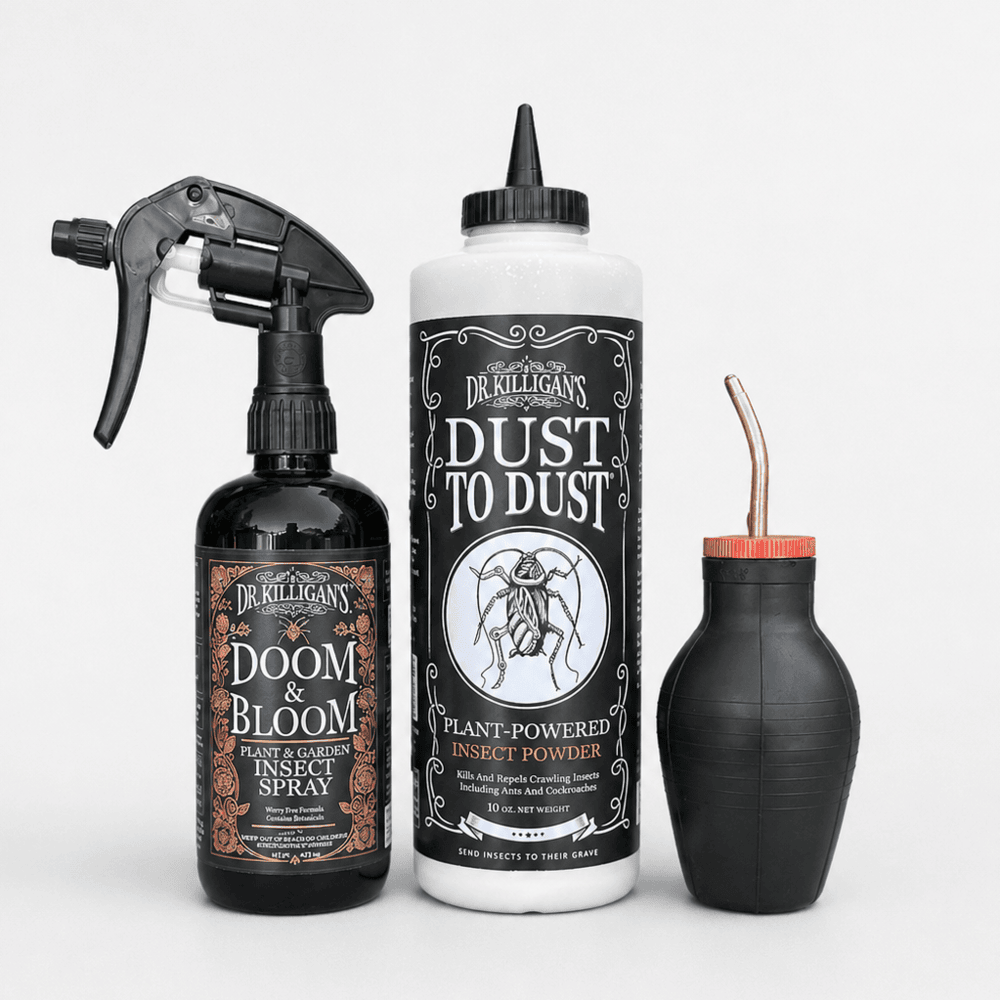
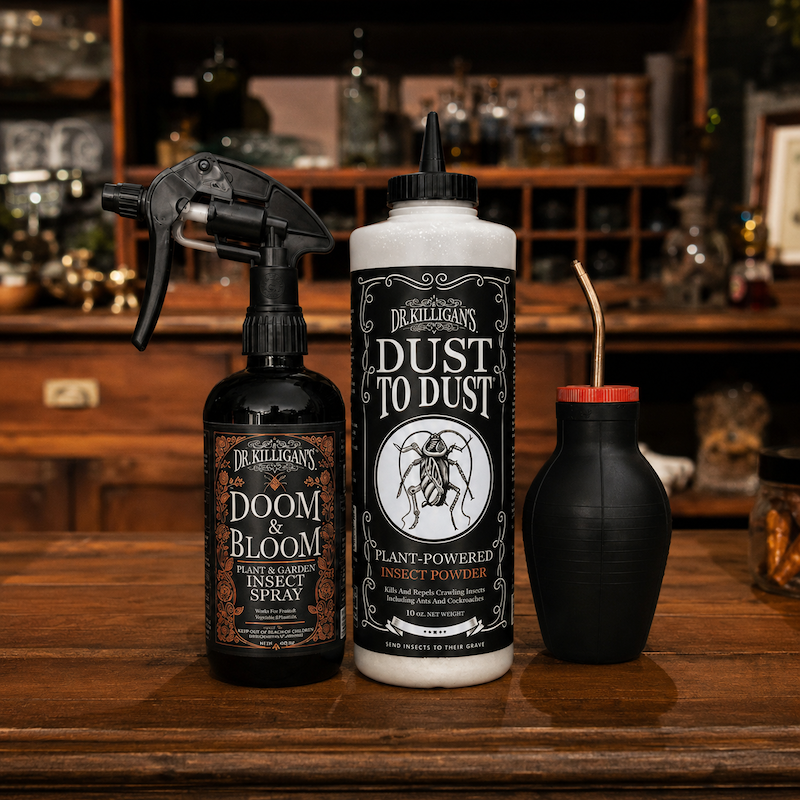
One option designed for this kind of targeted application is Dust to Dust Non-Toxic Insect Powder. Because carpenter ants are one of its target insects, it makes sense here not as a decorative add-on, but as a practical support tool for active ant movement in structural gaps.
Applied according to label instructions, Dust to Dust is especially well suited to:
- Cracks along window frames and sills
- Gaps behind baseboards and trim
- Voids around utility penetrations
- Seams where ants are entering softened or damaged wood
- Edges of wall voids where foraging activity is visible
This is where the product earns its keep. Carpenter ants rarely travel obligingly across the center of a room; they prefer concealed routes with a bit of architectural cover. A targeted powder treatment meets them in those routes, which makes it a stronger fit than broad, room-wide approaches that do little to address the actual travel pattern.
It is still most effective as part of the full prevention plan: dry the wood, correct the leak, seal the opening, and then treat the pathway. In other words, Dust to Dust works best when the house stops being welcoming and the ant highway stops being convenient.
Understanding the Tradeoffs of Broad Indoor Sprays
Large indoor spray treatments are sometimes marketed as quick solutions for carpenter ants. However, these insects often nest inside wall cavities where surface sprays have limited reach.
Public health guidance has noted that indoor pesticide exposure can occur in residential environments, particularly when products are applied repeatedly within enclosed spaces. Some research has examined how cumulative household chemical exposure may contribute to irritation or sensitivities in certain individuals depending on ventilation and application patterns.
Because carpenter ant nests are typically hidden within wood structures, targeted treatments and moisture correction often provide more practical results than repeated room-wide spraying.
Building a Prevention-First Home Strategy
Carpenter ants rarely appear in isolation. Homes vulnerable to moisture intrusion often experience multiple seasonal pests.
Developing a prevention toolkit can make responses calmer and more deliberate. The complete collection offers a range of solutions for households building a non-toxic pest management system.
Those focusing specifically on physical powders and targeted treatments can explore additional options within the Sprays & Powders Collection.
Need a Hand? Contact Dr. Killigan’s for Guidance
Sometimes carpenter ant activity is easy to trace. Other times, the source stays frustratingly hidden behind trim, inside wall voids, or around moisture-damaged wood that does not yet look especially suspicious.
If the signs continue—persistent ant traffic, recurring frass, winged ants indoors, or visible activity around window frames—it can help to get a second set of eyes on the situation. Homeowners can reach out directly through the Dr. Killigan’s contact page, where support is available via phone, email, or live chat.
A short conversation can often clarify next steps and help identify a practical, non-toxic solution suited to the home. When protecting a well-kept space, a bit of expert guidance can make the entire process calmer—and far more effective.
Protect Your Woodwork—Naturally
Carpenter ants thrive where moisture and hidden entry points intersect. With dry structural wood, careful sealing, and a targeted powder designed for carpenter ant activity, window frames and wall voids can be protected without leaning on heavy chemical sprays.
Exclusive Reader Perk: Use code BUGBLOG at checkout for 15% OFF your order.