
Published July 16, 2024 • Updated June 1, 2026
Reviewed by Julie Miller, BA in Language Arts, Editorial Lead, Dr. Killigan’s
TL;DR: Accidentally swallowing a pantry moth, larva or egg is unlikely to make most people sick. The better question is whether the food shows signs of infestation.
If you've ever found pantry moths fluttering around your kitchen, you might wonder what happens if one accidentally ends up in your meal—or worse, swallowed. While the thought might be unsettling, it's important to assess the real risks involved.
This article explores whether ingesting pantry moths can pose health risks and what you should know about these common kitchen invaders.
Will I get sick if I accidentally eat a pantry moth?

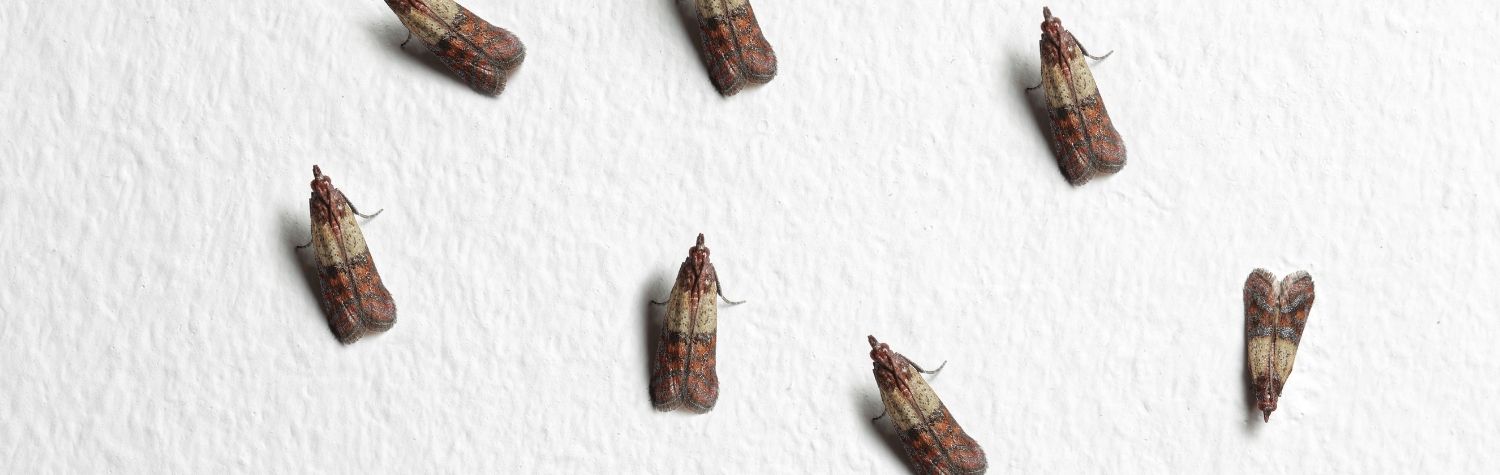
Accidentally swallowing a mature pantry moth is unlikely to make most people sick. Adult pantry moths are not venomous, and they are not known to be toxic or parasitic to humans. In most cases, your body will process the moth through normal digestion.
Swallowing a bug actually happens more often than most of us would like to admit. A laugh on a bike ride, a sharp inhale while running, a summer evening on the patio—sometimes a tiny flying insect is simply in the wrong place at the wrong time. Unpleasant? Certainly. Alarming? Not usually.
Note: If the food shows signs of pantry moth activity, it may also contain larvae, eggs, webbing or waste. For people with sensitive stomachs or allergies, questionable food may be more likely to cause discomfort than the moth itself.
What happens if you eat pantry moth larvae?
This eating experience may be unpleasant, but nothing concerning should happen. Eating pantry moth larvae is not typically considered a medical emergency, and these larvae are not known to cause infections or transmit disease to humans.
Note: The presence of larvae indicates the food has likely been exposed to more pest activity than a single adult moth passing through.
What happens if you eat pantry moth eggs?
Most likely, nothing. Eating pantry moth eggs may go unnoticed because the eggs are extremely small.
Is food with pantry moths safe to eat?

No. Food with visible pantry moth activity should not be eaten. If the food shows moths, larvae, eggs, webbing, droppings, clumping or damaged packaging, discard it.
This applies to flour, rice, cereal, pasta, oats, nuts, seeds, spices, dried fruit, chocolate, tea, pet food, birdseed and other dry goods pantry moths commonly eat.
If the package looks clean but sat next to an infested item, inspect it closely. Move it into an airtight container only after you are confident there are no signs of activity.
What should I do if I find pantry moths in flour, rice, cereal or pasta?
Once you decide a package is infested, act in this order: contain it, remove it, then clean the area it touched.
Seal the affected food in a bag before carrying it through the kitchen. Throw it away in an outdoor trash can, then vacuum the shelf, corners, cracks and cabinet seams where loose crumbs or larvae may remain.
After that initial cleanup, check the surrounding dry goods. For the full step-by-step process, follow our guide on how to get rid of pantry moths.
When should I call a doctor?
Seek medical guidance if symptoms are severe, persistent or unusual for you.
Watch for repeated vomiting, severe stomach pain, persistent diarrhea, trouble breathing, swelling, signs of an allergic reaction, fever or worsening symptoms.
The pantry moth may not be what caused the symptoms. Food can become unsafe for many reasons and symptoms after eating questionable food are worth taking seriously.
How to keep pantry moths out of your food
Once the affected food is gone, take one more look around. Because pantry moths can exist as eggs, larvae, pupae or adults, removing one infested package does not necessarily mean the problem is solved. To understand stage development, see our guide to the life cycle of a pantry moth.

As you identify, clean and monitor the pantry, traps can help reveal whether adult moths are still active. Dr. Killigan’s Pantry Moth Traps use pheromones to lure and capture adult male pantry moths, helping disrupt the mating cycle. They are designed for pantry moths, including Indian meal moths and other food moths, and are safe when used as directed.
Think of traps as your watchpost after the pantry reset. They help reveal whether moth activity is still present while you continue storing dry goods in sealed containers.
Restore order to your pantry with Pantry Moth Traps, designed to help monitor and disrupt adult pantry moth activity.
Explore more
- What do pantry moths eat? A guide to at-risk pantry foods
(A closer look at the dry goods pantry moths target most often, from flour and rice to birdseed and pet food.) -
Pantry moth life cycle: Eggs, larvae, pupae and adults
(Understand how pantry moths develop, and why removing one infested package may not end the problem.) -
How long does it take to get rid of pantry moths?
(A practical timeline for cleanup, monitoring and knowing when pantry moth activity is truly slowing down.)