
Published February 11, 2022 • Updated May 29, 2026
Reviewed by Julie Miller, BA in Language Arts, Editorial Lead, Dr. Killigan’s
TL;DR: Pantry moths are not known to carry or spread diseases to humans. The concern is not disease transmission; it is food contamination. Pantry moth larvae, eggs, webbing, shed skins and droppings can make stored food unpleasant and unsuitable to keep.
If you searched “do moths carry diseases?” after seeing one in your kitchen, the short answer is reassuring: most household moths are not considered disease-spreading pests. Pantry moths still deserve attention because they live and develop in stored food.
Do pantry moths carry disease?
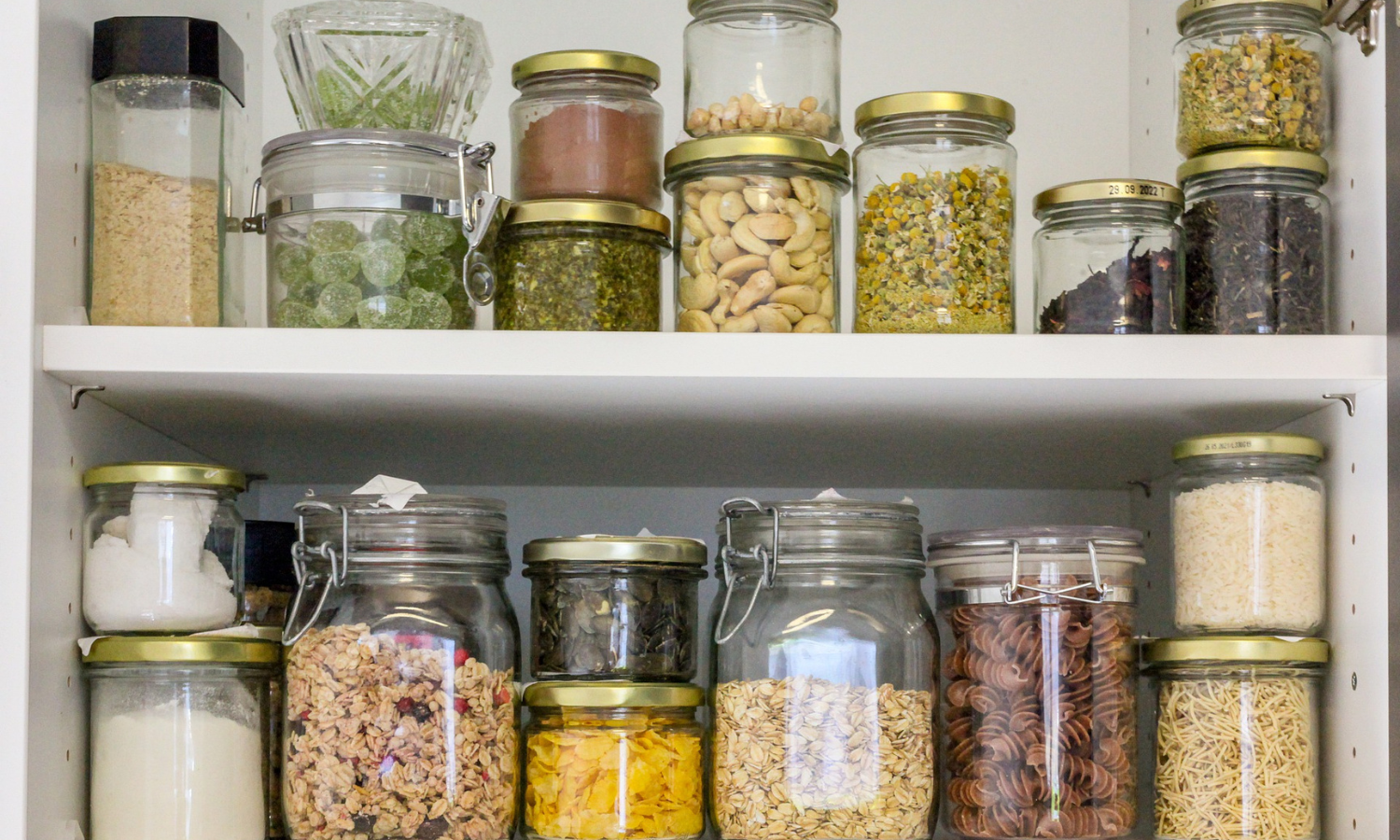
Pantry moths are not known disease vectors. In other words, they are not pests that typically pick up, carry and transmit human illness the way some flies, cockroaches or mosquitoes can.
They also do not spread disease through bites. Pantry moths do not bite people, sting or feed on blood. Rabies is not a pantry moth concern either; rabies affects mammals, not insects, so pantry moths are not a rabies risk.
Their life cycle is tied to stored food, which is why the concern shifts from “Will this moth infect me?” to “Has it been developing inside something I planned to eat?”
Can eating food with pantry moths make you sick?
For most people, accidentally eating a small amount of food that contains pantry moth eggs, larvae, webbing or droppings is unlikely to cause illness.
If you already ate something and want to know what to watch for, read: Will eating a pantry moth make you sick?
Are pantry moths harmful or dangerous?
Pantry moths are not considered dangerous to people or pets. They are not venomous, aggressive or likely to cause harm from brief contact. Their impact is mostly practical: wasted groceries, extra cleanup and the chance that nearby packages need inspection too.
Do moths carry germs or leave droppings?

Moths are not sterile, but pantry moths are not considered major carriers of germs or bacteria. Like any insect moving through a home, they may pick up dust, crumbs or other particles from the surfaces they touch.
Pantry moths can leave behind droppings, sometimes called frass. In stored food, this may look like fine, gritty specks or dust-like debris rather than anything obvious. These traces are not always easy to separate from the food itself, which is why visual inspection matters more than trying to pick through the package.
Signs pantry moths have contaminated food
The clearest clues are usually visual. Inside dry goods, look for movement, silky strands, stuck-together clumps or fine specks that do not belong.
Packaging can offer clues too. Small holes in bags or boxes may point to larvae moving in or out, especially around items that sit undisturbed for long periods. Pet food and birdseed are also worth checking, since pantry moths often develop in stored foods beyond the kitchen cabinet.
For a fuller list of at-risk items, see what pantry moths eat.
What should you throw away after pantry moths?
Use a simple rule: if an open package shows visible evidence, toss it. Start with dry goods that have been sitting the longest, especially grains, flour, cereal, rice, nuts, dried fruit, pet food and birdseed.
Smell is not a reliable test; pantry moth activity may be present even if the food does not smell unusual.
What to do next if you find pantry moths

Once infested items have been removed, clean the area where pantry moths were active. Vacuum shelves, corners, cracks and cabinet seams, then wipe the pantry clean before adding fresh food back in.
Store replacement dry goods in tight-sealing containers, especially items that tend to sit for a while. Traps can help confirm whether adults are still present after cleanup.
For the full cleanup and prevention plan, read how to get rid of and prevent pantry moths. Once the pantry is clean, Pantry Moth Traps® can help capture adult male pantry moths as part of your follow-up monitoring.
Explore more
- Will eating a pantry moth make you sick?
(What to know if you accidentally ate pantry moth larvae, webbing or debris.) -
What do pantry moths eat?
(A guide to the dry goods, pantry staples, pet food and birdseed most likely to attract pantry moths.) - How to get rid of and prevent pantry moths
(The full cleanup and prevention plan for removing pantry moths and reducing the chance they return.) -
Pantry moth life cycle: Eggs, larvae, pupae and adults
(How pantry moths develop and why larvae, webbing and adult moths may appear at different stages.)