

Published February 8, 2022 • Updated May 28, 2026
Reviewed by Julie Miller, BA in Language Arts, Editorial Lead, Dr. Killigan’s
TL;DR: Pantry moths do not usually eat clothes. They are food moths, not fabric moths, so a moth near your sweater drawer does not automatically mean your clothing is being eaten.
A moth in the house rarely introduces itself properly. Before you choose a trap or empty a closet, follow the trail back to where the moths are coming from.
Do pantry moths eat clothes?
Not by design. Pantry moth larvae are built for stored foods, not fabric. They develop where they can feed, which is why the source is usually near a pantry shelf, cabinet, bag of birdseed, pet food container or forgotten dry good.
Adult pantry moths, though, may travel beyond the pantry. But seeing one near a hallway, bedroom or closet does not automatically mean your clothing is at risk. It usually means the adult moth has wandered from the food source.
Why pantry moths and clothes moths get confused
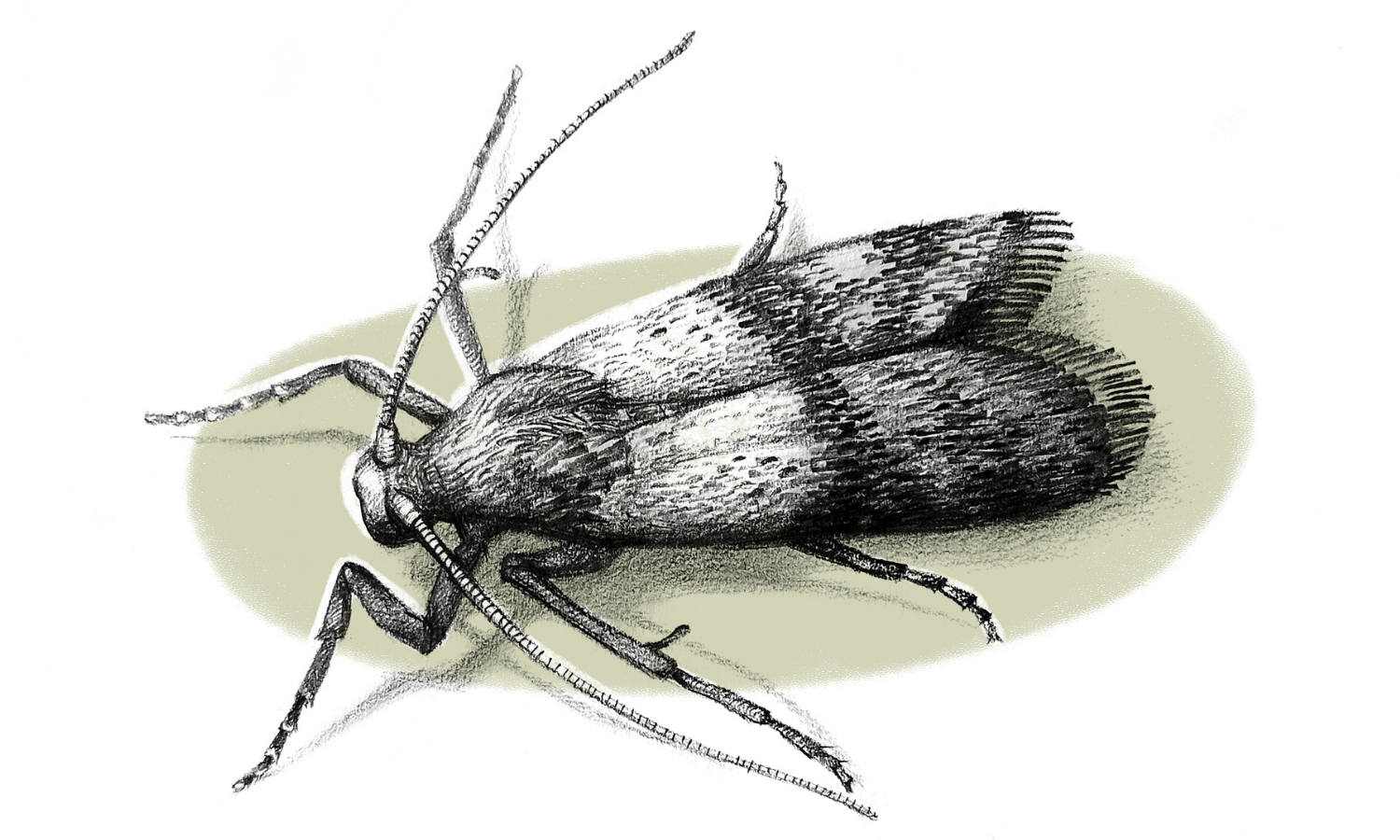
Pantry moths and clothes moths are easy to mistake for one another. They are small, quiet household moths that often appear near stored things: food in cabinets, garments in closets and boxes tucked into undisturbed corners.
For a deeper comparison, see pantry moths vs clothes moths.
Pantry moths vs clothes moths: How to tell the difference fast
Look for the evidence they leave behind.
Pantry moth clues:
moths near food packages, webbing in dry goods, larvae in pantry staples or signs around birdseed and pet food
Clothes moth clues:
small holes, thinning fabric, shed larval cases, webbing near garments or activity in quiet closets and drawers
Use the clues as a sorting step, not a final verdict. One moth in the wrong room can mislead you. A pattern of activity tells the better story.
What do pantry moths eat?
Pantry moth larvae feed on stored dry goods. Their usual targets include grains, flour, rice, cereal, pasta, nuts, seeds, spices, dried fruit, pet food, birdseed and some packaged snacks.
They are not especially choosy once they find a suitable food source. Thin packaging is not always enough protection; in some cases, pantry moth larvae can chew through light bags or boxes to reach what is inside.
Pantry moth adults do not eat.
Do pantry moths eat cotton, wool or other fabrics?

No. Cotton, wool and other clothing fabrics are not the pantry moth’s target. If a pantry moth appears near clothing, it is usually a wandering adult rather than a fabric-feeding larva.
For fabric damage, skip pantry moth assumptions and move to the clothing moth section below.
Which moth do I have? Start here
Begin where the moth appeared most often.
If it is in the kitchen, open the quiet places first: the back of pantry shelves, cabinet corners, bags of dry goods, pet food bins and birdseed storage. Pantry moths often reveal themselves where food has been sitting undisturbed.
If it is in a closet or drawer, inspect the items that have been stored the longest. Pay close attention to folded garments, rarely worn pieces, natural-fiber items and the seams or folds where larvae can stay hidden.
If it is near a window, do not choose a trap yet. Pantry moths are more likely to move toward light, while clothes moths tend to avoid it and stay closer to their source.
How to get rid of pantry moths
If the signs point to pantry moths, start with the source. Remove affected dry goods, then vacuum pantry shelves, corners, cracks and cabinet joints before wiping the area clean.
After the pantry is reset, store new dry goods in tight-sealing containers and place pantry moth traps near the affected area. Pantry Moth Traps® lure and capture adult male pantry moths, helping interrupt the reproductive cycle when used as directed.
For the full cleanup and prevention plan, follow our guide on how to get rid of pantry moths.
What if the moths are eating your clothes?
If the trail leads to fabric, stop treating it like a pantry issue. A food-moth trap will not resolve a closet-based infestation.
At this point, inspect the affected closet, drawer or storage box, then separate damaged or at-risk garments. Clothing Moth Traps®are designed for webbing and casemaking clothes moths and help capture adult males when used as directed.
For the full fabric-care and treatment plan, follow our guide on how to get rid of clothing moths.
Explore more
-
How to get rid of and prevent pantry moths
(Follow the full cleanup and prevention plan if the trail leads to stored food.) -
Pantry moths vs clothes moths: how to tell the difference
(Compare the two household moths side by side before choosing your next step.) -
How to get rid of clothing moths
(Use this guide if the evidence leads to closets, drawers or stored garments.)