
Published June 11, 2026
Reviewed by Julie Miller, BA in Language Arts, Editorial Lead, Dr. Killigan’s
TL;DR: To get rid of aphids without harsh sprays, inspect tender new growth, rinse away visible clusters, prune badly affected stems and treat the full plant with a plant-powered solution when needed. Then recheck stems, buds and leaf undersides every few days to help stop the colony from rebuilding.
Aphids rarely arrive as a crisis.
They begin as small signs: a curled new leaf, a sticky sheen, a few ants on the stem or tiny insects appearing where the plant looks most tender. The good news is that you don’t have to reach first for harsh conventional sprays.
What do aphids look like?

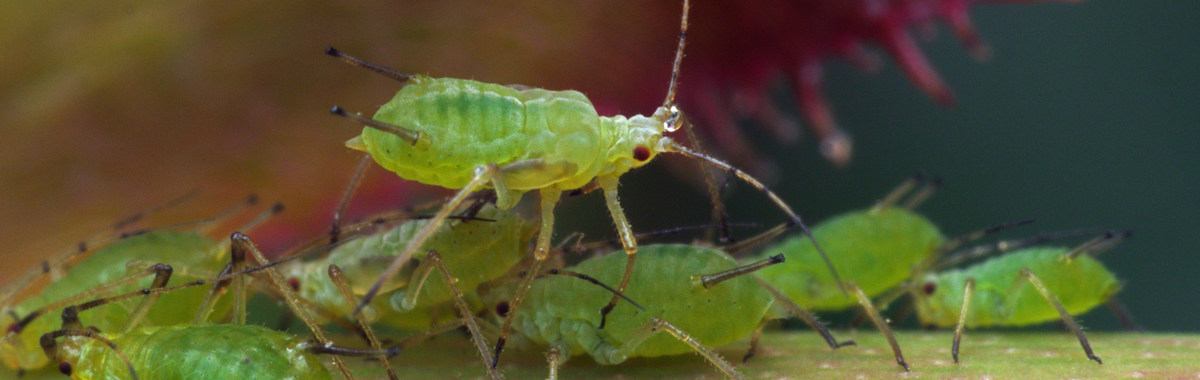
Aphids are small, soft-bodied insects that often gather in clusters. Most are about 1/16 to 1/8 inch long. They are commonly green, but they can also be black, yellow, brown, gray, white or pink.
They are usually pear-shaped and slow-moving. Unlike spider mites, which can look like dust or tiny moving specks, aphids are often easier to spot because they sit in visible groups.
Signs of aphids on plants
Visible aphids confirm the pest. Plant symptoms tell you how long they may have been feeding.
The clearest sign is honeydew, the sticky residue aphids leave as they feed on plant sap. Repeated ant activity can be another clue, since ants are drawn to honeydew.
Look for damage patterns that show where feeding has affected growth:
- Curled leaves, especially on new growth
- Yellowing or weakened leaf tissue
- Buds that look distorted before opening
- New shoots that appear stunted
- Dark residue where honeydew has collected
Where do aphids come from?

Aphids often arrive on new plants, move in from nearby vegetation or spread from one plant to another when leaves and stems touch. They are especially drawn to tender new growth, which is easier for them to feed on.
If you are dealing with edible garden plants, see our guide to aphids on tomato plants for tomato-specific treatment steps. For houseplant-specific help, start with aphids on indoor plants.
How to get rid of aphids without harsh sprays
Once you’ve confirmed aphids, work through the following steps: contain the spread, remove visible clusters, treat the full plant and reassess. Each step helps lower pest pressure without reaching for harsh conventional sprays.
Featured in this article
Shop Dr. Killigan's Essentials


1. Inspect the full plant
Check the known activity zones first, then rotate the plant and look from every angle. The goal is to understand how far the colony has spread before you disturb it.
Check nearby plants for early spillover, without repeating the full inspection on every plant.
2. Separate affected potted plants
If the plant is in a pot or container, move it away from nearby plants while you treat it. This step limits movement and gives you room to work.

3. Rinse off visible aphids
For sturdy plants, use a steady stream of water to knock off visible aphids. This removes many active feeders at once and helps reveal what is still clinging to the plant.
For delicate plants, use a gentler flow and support the stem with your hand.
4. Prune overwhelmed growth
If a shoot is heavily covered, badly curled or already distorted, remove it. Pruning cuts away the densest pest pressure and leaves the rest of the plant easier to treat.
Dispose of cuttings away from your plants.

5. Treat what remains
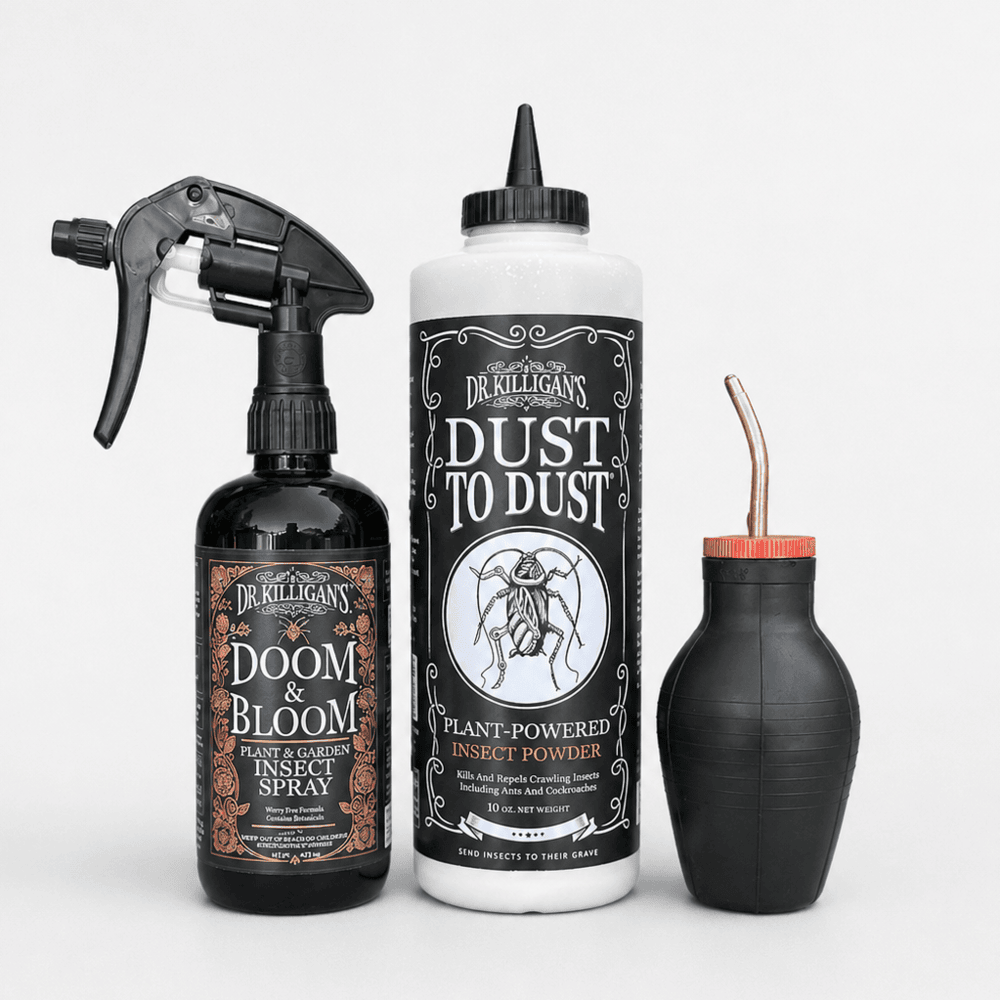
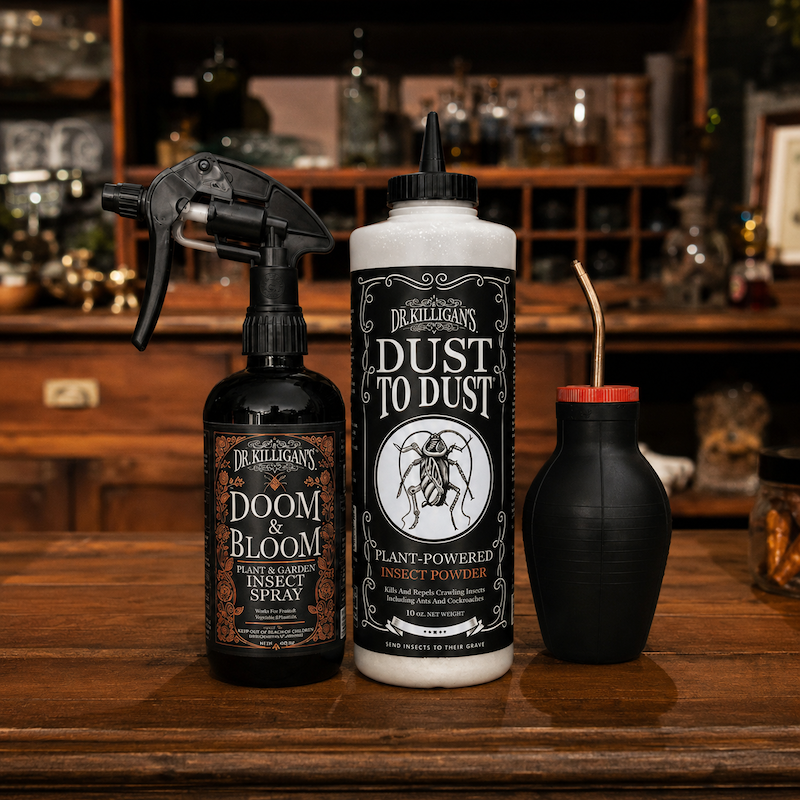
After rinsing and pruning, lightly mist the entire plant with Doom & Bloom, including the tops and undersides of leaves and stems, to target aphids that may be left behind.
This step helps reduce remaining pest pressure and helps keep the colony from rebuilding.
When to use Doom & Bloom: Plant and Garden Insect Spray
Use Doom & Bloom: Plant and Garden Insect Spray when rinsing and pruning are no longer enough to reduce aphids—especially if honeydew continues to appear, new growth keeps curling or aphids return after physical removal.

Doom & Bloom is made for indoor and outdoor plants, including edible plants. Its FIFRA 25(b) minimum-risk formula is biodegradable, free of harsh chemicals and safe around pets and family when used as directed.
The formula works through a mechanical mode of action, using soybean oil to act on the surface of soft-bodied pests rather than targeting the insect nervous system. On aphids, that physical action helps break down the pest’s waxy outer layer and disrupt respiration.
To use this plant insect spray for aphids, spot test first, then apply for even coverage rather than soaking. Follow the Product User Guide for full directions.
Give your plants a cleaner path forward
Once you understand the pattern, aphids become easier to manage: they feed where growth is tender, rebuild when conditions stay favorable and respond best to early, targeted action.
With a steady routine and the right plant insect spray, you can move from reacting to aphids to managing them with more Confidence, Peace and Control.
Explore more
-
How to get rid of spider mites on plants
How to tell spider mites from aphids, spot early leaf damage and treat tiny plant pests before they spread. -
How to get rid of aphids on indoor plants
A houseplant-specific guide for spotting aphids indoors, isolating affected plants and protecting the rest of your collection. -
How to get rid of aphids on tomato plants
Tomato-specific guidance for identifying aphid damage, treating affected plants and protecting tender garden growth.