
Published March 29, 2024 • Updated November 15, 2025
Reviewed by Julie Miller, BA in Language Arts, Editorial Lead, Dr. Killigan’s
TL;DR: “Bog spiders” or “cranberry bog spiders” are not a single species but a mix of spiders that live in wet cranberry marshes. They are helpful predators that reduce insect pressure on cranberry plants and are not considered pests by growers. For people, bog spiders are generally harmless and bites are rare. Their presence is a normal and beneficial part of the bog’s ecosystem.
Cranberry bogs have a way of inviting the imagination. Mist settles low over the water. The plants float in quiet clusters. The marsh seems still, yet something always moves through it. People who search for “bog spiders” or “cranberry bog spiders” usually want to know one thing: what are these spiders and are they good or bad?
The answer is far less frightening than the myths suggest. The term “bog spiders” simply refers to the spiders that make their home in cranberry marshes, including active ground hunters like wolf spiders. They are part of the natural balance of the bog and spend their nights feeding on insects that might otherwise threaten cranberry plants.
So they are not the horrors of campfire stories. They are part of what keeps a cranberry field healthy.
Cranberry bogs remain unusual places, though. Their quiet, their depth and their shifting shadows can make even helpful creatures feel mysterious. Let’s take a closer look at the spiders that live in these marshes, the role they play and why cranberry bogs seem to be full of them.
What is a bog spider in cranberry bogs?
“Bog spider” or “cranberry bog spider” is a broad name people use for the spiders that live in the wet, peaty landscape of cranberry marshes. These spiders are adapted to the cool, waterlogged ground where cranberries grow and they hunt among the vines, moss and floating mats of vegetation that make up the bog.
There is no single species called the “bog spider.” Instead, cranberry bogs support several kinds of ground-dwelling and water-skimming spiders, including agile hunters like wolf spiders. These spiders thrive in the bog’s mix of shallow water, dense plant cover and abundant insect life.
Growers sometimes refer to them as “spiders in cranberry bogs” or “cranberry field spiders,” not as a scientific label but as a simple way to describe the spiders that share the fields with the plants. Their presence is one sign that the marsh is active and supporting a range of small predators and prey.
What about wolf spiders in cranberry bogs? (Do farmers use them?)
One of the most common questions people ask is whether cranberry farmers intentionally release wolf spiders into the bogs. The answer is no—wolf spiders occur naturally in cranberry marshes and are not added, released or “used” by growers.
Wolf spiders thrive in these environments because cranberry bogs offer:
- Moist soil and dense ground cover, ideal for hunting
- Abundant insect prey, especially during warm months
- Stable temperatures created by the surrounding water
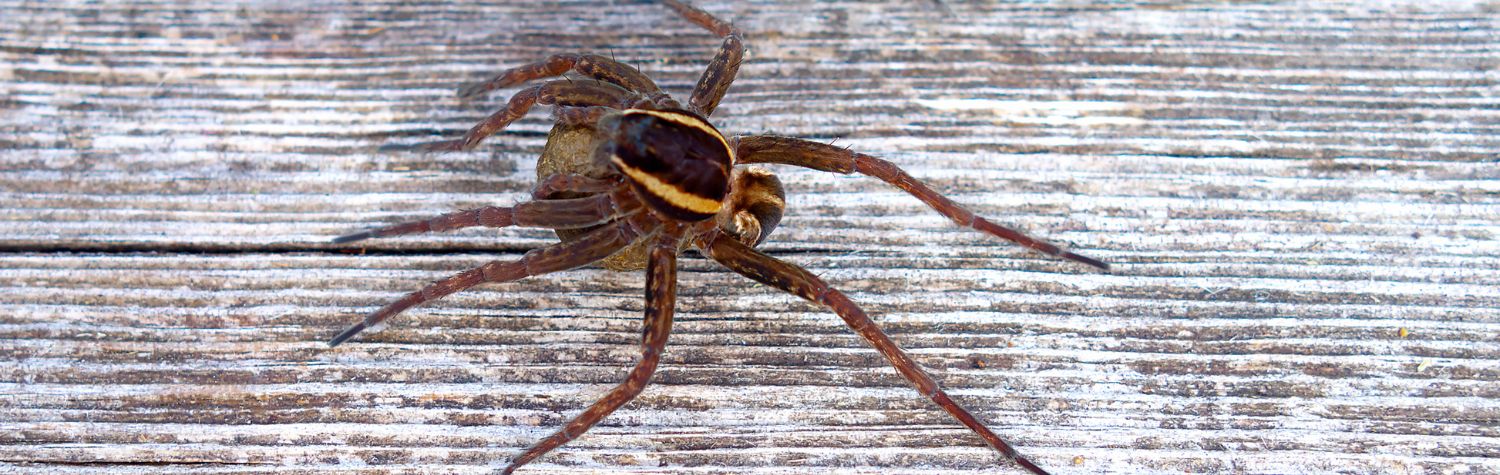
Despite their intimidating reputation, wolf spiders are generally harmless to people and rarely interact with workers. They do not build webs. Instead, they roam the vines and moss as fast, agile hunters.
What makes them especially important in cranberry agriculture is their role as natural pest suppressors. By hunting ground-dwelling insects like flies, beetles and caterpillars, wolf spiders act as a built-in layer of pest control—no extra sprays or human intervention required.
Wolf spiders are not introduced by farmers—they simply thrive in bog environments and naturally help control insect pests.
The role of bog spiders in cranberry fields
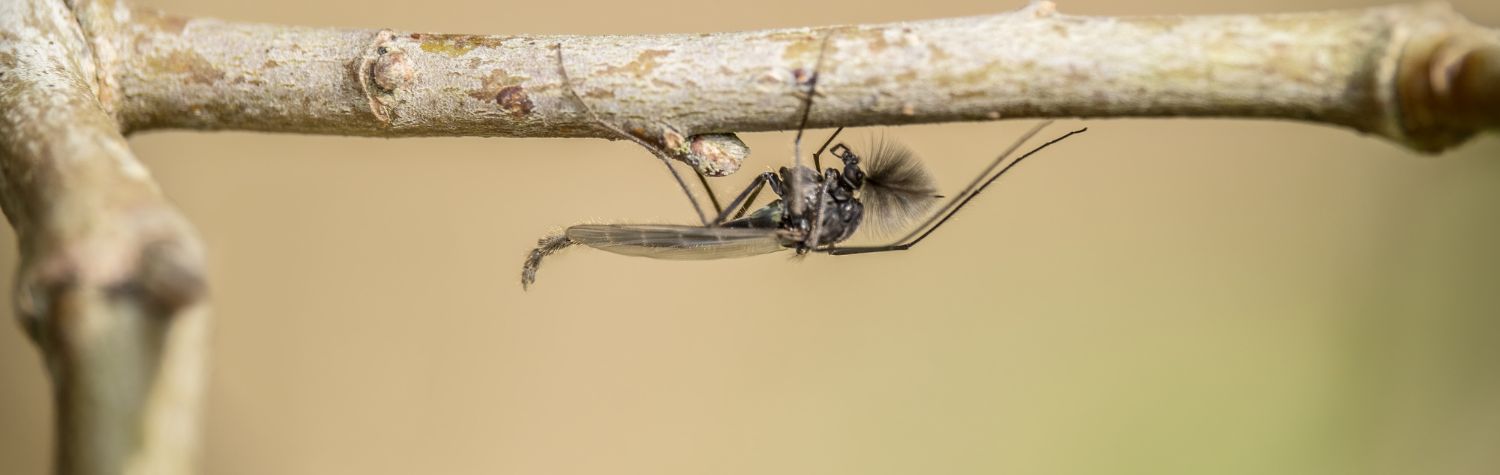
 Bog spider (Heliophanus dampfi)
Spiders in cranberry bogs do more than blend into the landscape. They serve as quiet, reliable hunters that help keep insect populations in check. Cranberry fields attract a variety of insects that feed on tender shoots and developing berries. Bog spiders reduce this pressure by preying on mosquitoes, flies, beetles and other small insects that move through the vines.
Unlike web-building spiders, many of the species found in cranberry marshes are active ground hunters. They move quickly across wet moss and plant mats, searching for prey rather than waiting for it to come to them. This makes them well suited to a crop that grows close to the ground and sits in shallow water during harvest.
Over the course of a season, their hunting activity can lower the number of insects that reach the plants. For growers, these natural predators are part of the built-in pest management that supports a productive bog year after year.
Are bog spiders good or bad?
When people first hear about spiders living among cranberry vines, they often wonder whether these creatures help or harm the crop. In practice, bog spiders are almost always considered beneficial. They do not feed on cranberries and they avoid people, but their presence often says more about the health of the marsh than anything else.
Spiders tend to thrive in fields where moisture levels, plant cover and insect activity are all in balance. Their presence can signal that the bog is functioning as a stable, well-supported ecosystem rather than one overwhelmed by a single type of pest.
For people, bog spiders are not considered dangerous. Most species remain low to the ground, move away when disturbed and rarely interact with workers. A spider might bite if it is trapped or handled directly, but these encounters are uncommon and typically result in nothing more than mild, short-lived irritation.
A bog's eerie atmosphere

Cranberry bogs have a natural stillness that can feel otherworldly. Low fog gathers before sunrise. Water sits dark and reflective between the vines. The ground shifts underfoot in a way that feels neither solid nor unstable, just different from the dry land most of us know.
It is the kind of place where small movements stand out. A ripple across the surface. A shadow sliding through the moss. The quick dart of something hunting across the plants. These moments add to the bog’s reputation as a place of mystery, even though most of what stirs within it is simply wildlife going about its routine.
Spiders fit easily into this scene. They move quietly, blend with the dark greens and reds of the vines and slip across the surface without drawing attention. Their presence is part of what gives cranberry marshes their distinctive mood, a blend of calm, depth and quiet activity beneath the surface.
Embracing the eerie and the essential
Cranberry bogs inspire stories because they feel different from ordinary landscapes, and spiders often become the focus of those stories when people do not fully understand why they are there. Myths grow easily in settings like this, where imagination fills the quiet spaces.

Myth 1: Cranberry bogs are “full of giant spiders.”
In reality, most bog spiders are small ground hunters like wolf spiders. They move quickly, but they are not large, dangerous or aggressive.
Myth 2: Spiders are added to bogs on purpose.
Growers do not introduce spiders into the fields. These spiders occur naturally and thrive because the bog provides steady moisture, shelter and insect prey.
Myth 3: Bog spiders are harmful to people.
They are not venomous to humans and prefer avoiding us entirely. Their role is to hunt insects, not interact with people.
Myth 4: Spiders signal a problem in the field.
Actually, the opposite is true — their presence suggests the bog is healthy, balanced and supporting a functioning ecosystem.
Understanding what is myth and what is reality shifts the perspective. Instead of eerie creatures lurking beneath the vines, bog spiders become part of the natural machinery that keeps the marsh thriving.
The mystery of the bog remains—but the fear doesn’t have to.
Harnessing nature’s balance: Dr. Killigan’s plant-powered approach
The quiet work of spiders in a cranberry bog is a reminder that nature often manages pests through balance, not brute force. At Dr. Killigan’s, we take a similar view inside the home. Outdoors, creatures like bog spiders play an important role in maintaining healthy ecosystems. Indoors, you may still want help managing the insects that cross your threshold.
Our solutions are designed for household insects, not for wildlife or spiders in cranberry bogs. Bog spiders should be left to do their work in the marsh.
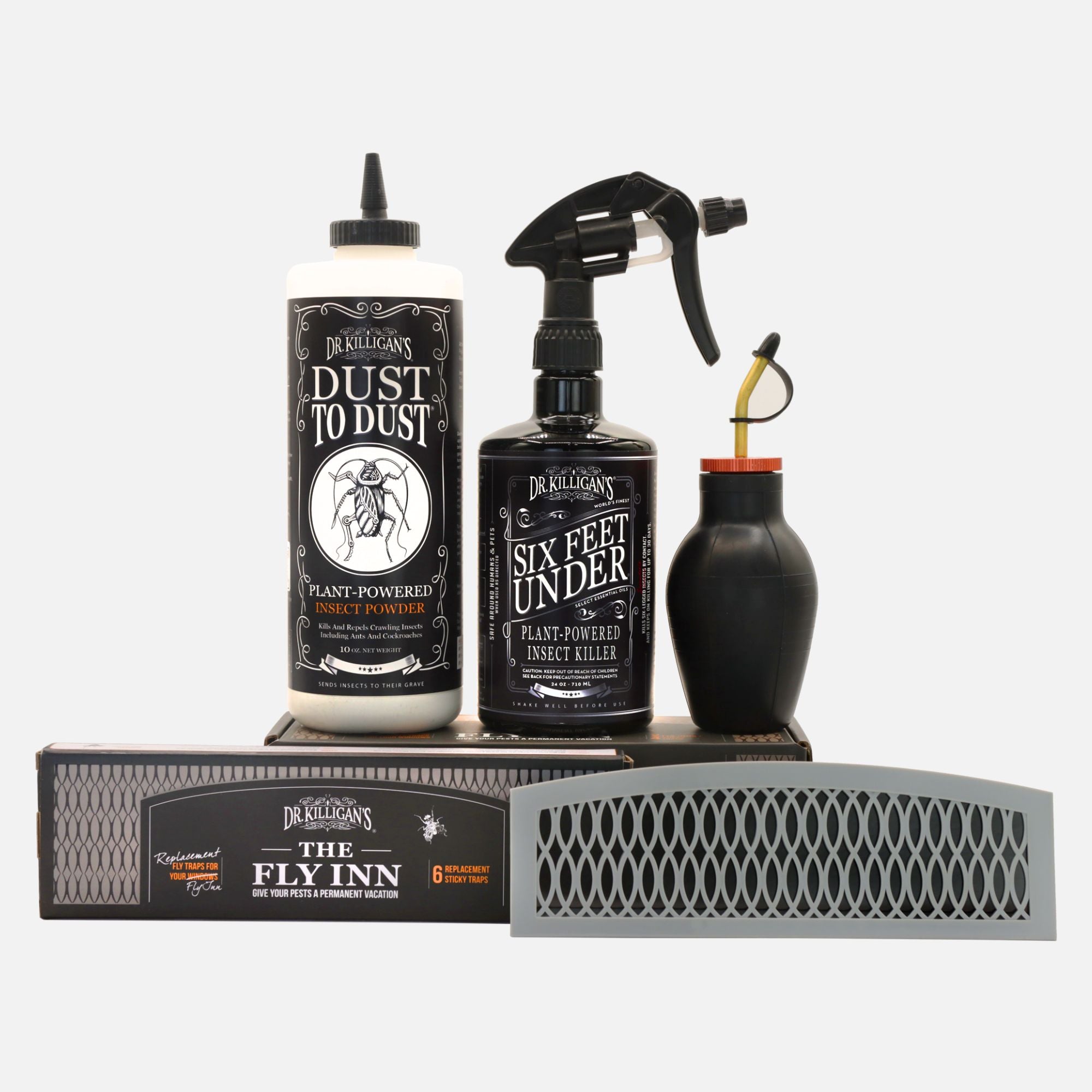
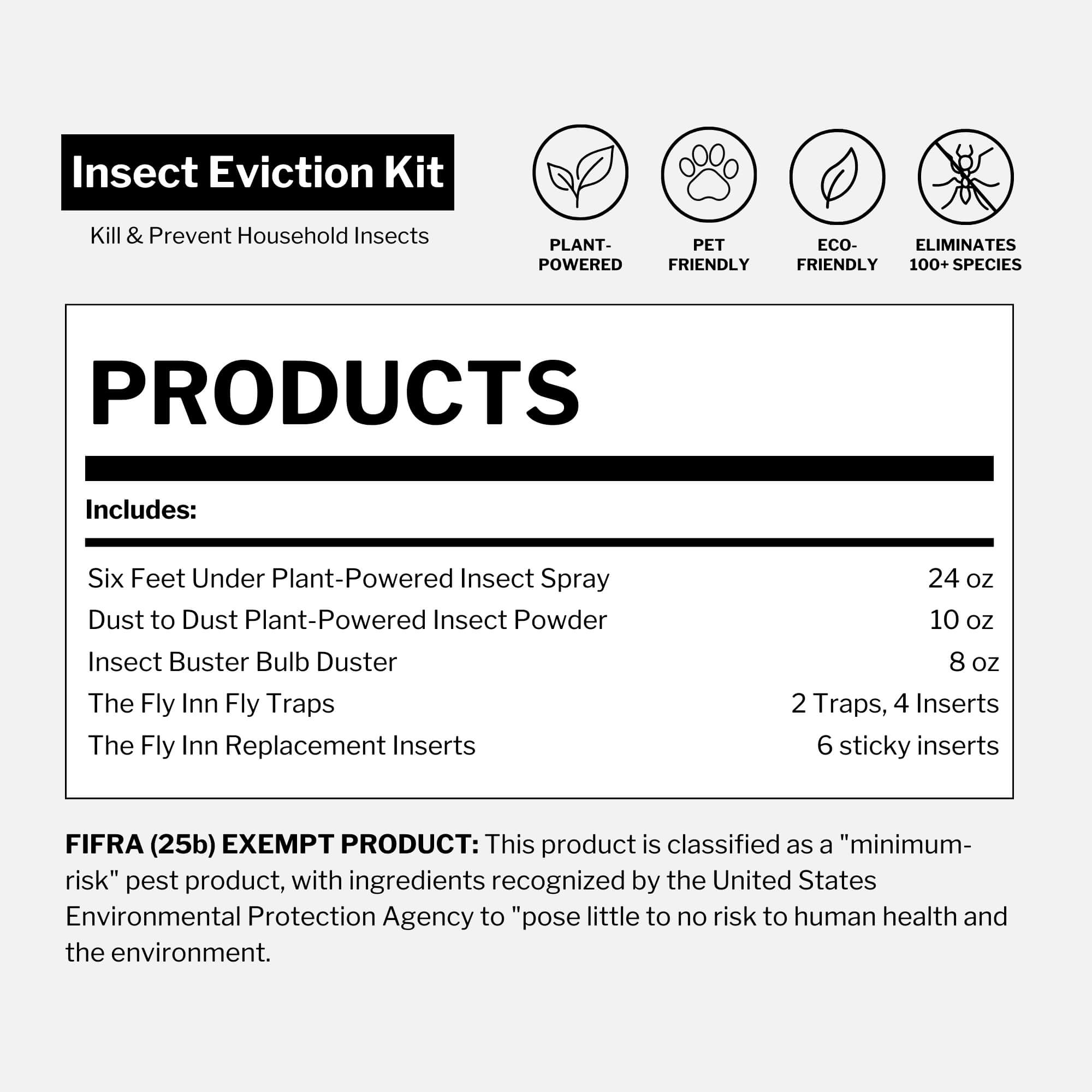
Six Feet Under Plant-Powered Insect Spray
This clove and cinnamon oil–based spray is made to help you deal with common household insects when used as directed. It works well as a spot treatment for ants, roaches or other crawling insects that move along baseboards, thresholds or utility openings. It is not intended for use on spiders in cranberry bogs or other outdoor wildlife.
Dust to Dust Plant-Powered Insect Powder
This fine, plant-powered powder is designed for cracks and crevices where crawling insects travel. Applied thoughtfully around door frames, wall gaps and other structural openings, it supports a prevention-focused approach to pest management inside and around the home. It should not be applied directly to spiders or to outdoor habitats like cranberry marshes.
Every home deserves to feel comfortable and in control. By taking cues from how nature maintains balance, and by using plant-powered tools only where they are needed, you can manage indoor pests while still respecting the important work that creatures like bog spiders do in their own environment.
A final word on bog spiders and the marshes they call home
Cranberry bogs are unusual places, shaped by water, weather and patience. The spiders that live within them are part of that rhythm, moving in ways that rarely draw attention but still influence how the marsh functions. When you understand what they do and why they are there, the bog feels less mysterious and more like a community of small, steady workers keeping the landscape in motion.
It is easy to look at a spider and feel a moment of surprise. It is just as easy to look again and recognize a creature that fits perfectly into its surroundings. In a field built on balance and timing, even the smallest hunter has a place.
At Dr. Killigan’s, we believe awareness brings confidence. Whether you are exploring the details of an ecosystem or learning how to manage pests at home, understanding what you see is often the first step toward feeling in control. And sometimes, knowing the truth behind a creature’s reputation makes the real story far more interesting than the myth.
To learn more about bog spiders and other creepy crawlers, follow Dr. Killigan on TikTok, Instagram and Facebook