

Published December 19, 2023 • Updated November 10, 2025
Reviewed by Julie Miller, BA in Language Arts, Editorial Lead, Dr. Killigan’s
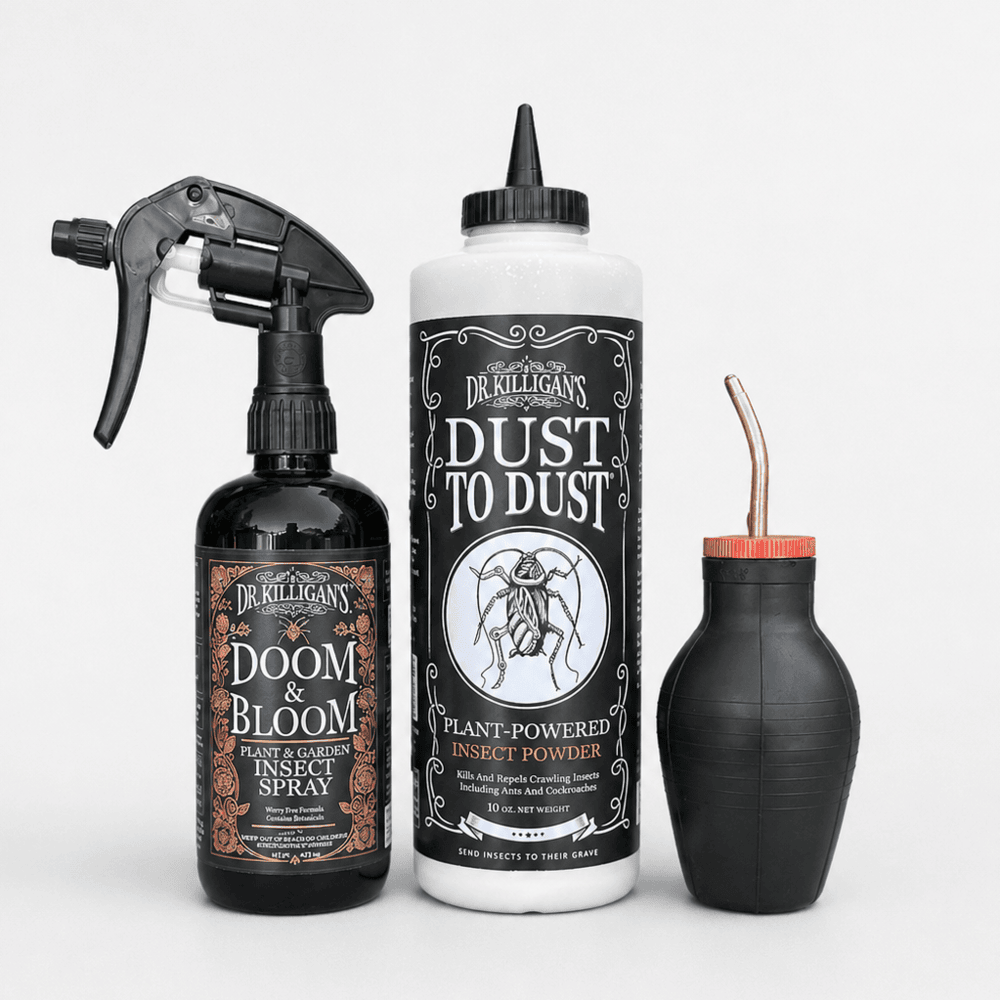
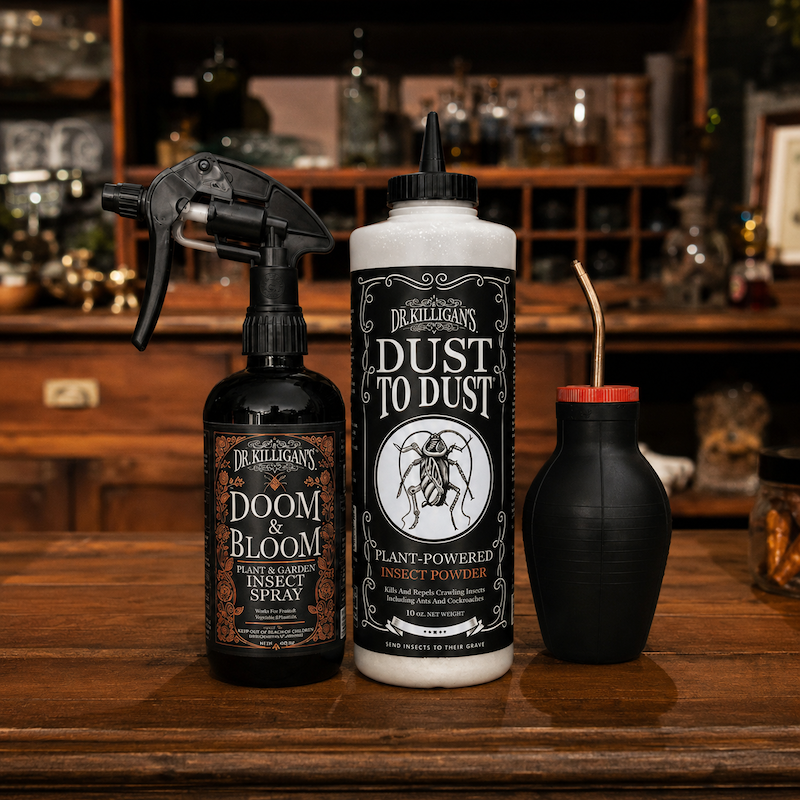
TL;DR: See how Dr. Killigan’s plant-based pest control solutions use nature’s medicine for pest control—active ingredients that power our control solutions like soybean, clove, cinnamon, peppermint and rosemary oils—to repel, deter and eliminate pests. We break down the pest control spray ingredients behind Six Feet Under, Dust to Dust, Sweet Surrender and Cedar Planks to show how natural oil insect repellents deliver effective, non-toxic results.
Have you ever paused to consider what’s really in the pest control products you use around your home? If you’re concerned about the safety of your family and pets, you’re not alone. At Dr. Killigan’s, we believe nature offers the best solutions and we’re devoted to using its gifts in our fight against pests.
In this guide, we’ll open nature’s medicine cabinet and explore ten potent, plant-based ingredients that form the backbone of our family-safe solutions. From the fields where these ingredients begin to their powerful effects against household pests, you’ll see how we harness these natural warriors to keep your living spaces safe, pest-free and kinder to the earth. You’ll also learn how to tell if a bug spray is truly non-toxic by looking at the active ingredients inside plant-based pest control solutions.
If you’ve ever wondered which natural ingredients repel mosquitoes best, you’ll see how peppermint, rosemary and other essential oils in our formulas provide strong mosquito deterrence without synthetic chemicals.
Jump to: Soybean oil • Cinnamon oil • Clove oil • Peppermint oil • Rosemary oil • Silica • Eastern red cedar • Vinegar • Citric acid • Sucrose
1. Soybean oil: A robust, natural insecticide
Found in: Six Feet Under Plant-Powered Insect Spray
Role: Active ingredient that physically smothers insects without synthetic toxins.

Soybean oil turns a simple kitchen staple into one of the most effective active ingredients in natural pest control sprays. In Six Feet Under, its 3.13% concentration delivers fast results.
How it works:
- Clogs insects' spiracles (breathing openings).
- Blocks respiration and causes asphyxiation.
- Disrupts egg metabolism and feeding behavior.
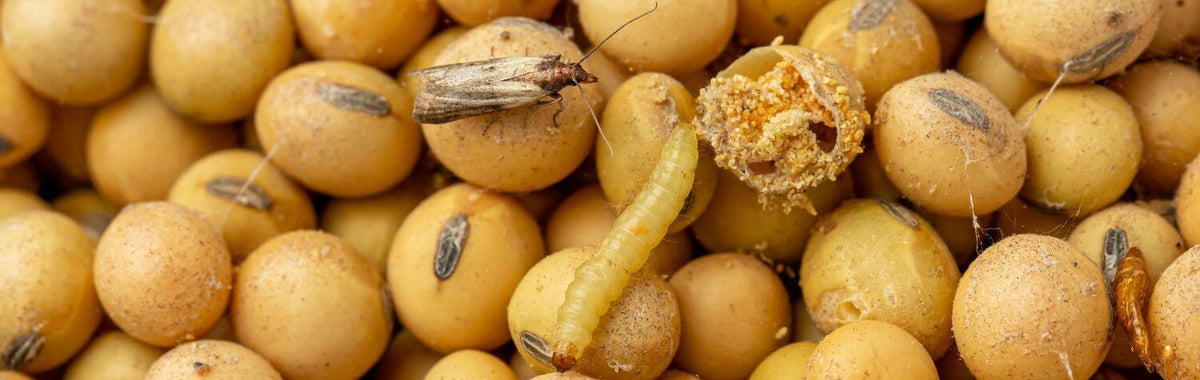
This process leads to quick elimination across a wide range of pests—from ants and beetles to cockroaches and pantry moths—without leaving toxic residues.
Because soybean oil acts mechanically rather than chemically, pests can’t develop resistance. It’s a safe, eco-friendly ingredient that keeps your home safe while protecting beneficial insects and pollinators.
Soybean oil is classified by the U.S. Environmental Protection Agency (EPA) as a minimum-risk ingredient, meaning it’s safe when used as directed for people, pets and the environment.
2. Cinnamon oil: The aromatic defender
Found in: Six Feet Under Plant-Powered Insect Spray
Role: Natural repellent that deters and disrupts household pests through scent and contact.

Cinnamon oil brings warmth to the kitchen—and power to our plant-based formulas. In Six Feet Under, this fragrant essential oil works at just 0.03% concentration to repel and immobilize pests such as ants, moths and cockroaches.
How it works:
- Masks pheromone trails with a strong aroma, deterring insects from approaching.
- Enhances absorption and speeds knockdown when blended with other natural oil insect repellents like clove and soybean.
- Weakens the insect cuticle through cinnamaldehyde, aiding faster elimination.
Beyond its pleasant scent, cinnamon oil’s natural chemistry helps stop infestations at the source while leaving no toxic residue—a clean, sustainable way to keep pests at bay.
Did you know? Ancient cultures used cinnamon oil to protect stored grain from insects — a tradition now refined in Dr. Killigan’s modern formulas.
3. Clove oil: The fast-acting botanical repellent
Found in: Six Feet Under Plant-Powered Insect Spray
Role: Quick-knockdown ingredient that incapacitates pests through eugenol’s neurological effects.
At 0.05% concentration, clove oil is one of nature’s most potent active ingredients in natural pest control. Its primary compound, eugenol, interferes with insects’ neurotransmitters—including mosquitoes, ants, wasps, moths and flies—halting their movement almost instantly.
How it works:
- Disrupts motor and metabolic functions via nervous-system interference.
- Acts as a contact killer while leaving a strong repellent aroma.
- Works synergistically with soybean and cinnamon oils for broader coverage.
Clove oil’s dual action—repelling and disabling pests—makes it indispensable to Dr. Killigan’s plant-based pest control sprays. It performs without synthetic poisons or fumes, delivering household protection that’s safe when used as directed.
Did you know? Eugenol, the active compound in clove oil, is listed by the EPA as a “minimum-risk” biopesticide ingredient.
Featured in this article
Shop Dr. Killigan's Essentials


4. Peppermint oil: A cool, refreshing powerhouse
Found in: Dust to Dust Plant-Powered Insect Powder
Role: Strong-scented repellent that drives away ants, beetles, and roaches while refreshing indoor air.

Peppermint oil is central to Dr. Killigan’s eco-friendly approach. Its natural compounds—menthol and terpenes—overwhelm insects’ sensory receptors, prompting them to flee treated areas.
Known for its potent ability to repel a variety of pests—including aphids, beetles and mosquitoes—peppermint oil is a cornerstone of our safe and effective Dust to Dust formula. Its major chemical compounds—terpene, alcohol and menthol—act as natural fumigants, deterring pests through their strong aromas.
How it works:
- Creates a scent barrier pests avoid through menthol vapors.
- Disrupts the respiratory and digestive systems on contact through natural alcohols.
- Functions as a deterrent for common household insects, especially ants and cockroaches.
Beyond pest control, peppermint oil offers a clean, invigorating aroma that complements its mechanical action. It’s a non-toxic pest control ingredient that balances performance and safety, proving that fresh air and effective defense can coexist.
Studies from the National Library of Medicine show peppermint oil achieving up to 97% mortality in cockroach nymphs — rivaling synthetic sprays without harmful chemicals.
5. Rosemary oil: A potent, natural insecticide
Found in: Dust to Dust Plant-Powered Insect Powder
Role: Multi-action essential oil that repels, disrupts and defends against a variety of pests.

Rosemary oil brings both fragrance and force to plant-based pest control solutions. In Dust to Dust, compounds such as camphor, cineol and borneol deliver potent insecticidal power through nervous-system interference and scent-based deterrence.
How it works:
- Overstimulates insect nerve receptors, leading to rapid knockdown.
- Disrupts pheromone signaling, breaking communication within colonies.
- Acts as a repellent barrier for mosquitoes, mites and beetles.
Scientific studies underscore rosemary oil’s wide-ranging efficacy. Research from the National Library of Medicine reports complete mortality in spider mites without harming host plants, while additional studies on ResearchGate demonstrate total eradication of adult rice weevils.
Because rosemary oil targets sensory and neurological systems, it’s effective across multiple pest species while remaining safe when used as directed. It exemplifies Dr. Killigan’s philosophy: plant-powered protection that’s potent yet toxin-free.
Research from Cornell University found that rosemary oil demonstrated prolonged mosquito repellency, highlighting its potential as a natural alternative to synthetic repellents.
[Rosemary oil is also a strong example of how plant-based bug spray can match the efficacy of conventional insect repellents while remaining family-safe when used as directed.]
6. Silica: A dual benefit for plants and pest control
Found in: Dust to Dust Plant-Powered Insect Powder

Role: Dual-purpose mineral that strengthens plants while physically eliminating crawling insects.
Silica adds science-backed muscle to Dr. Killigan’s non-toxic pest control line. It works mechanically, not chemically, scratching and dehydrating insects’ exoskeletons on contact—while also enriching plant health when applied outdoors.
How it works:
- Pierces waxy cuticles with microscopic edges, causing dehydration.
- Forms a dry barrier that deters ants, roaches and fleas.
- Delivers non-chemical, mechanical action that pests can’t resist.
Note for gardeners:
In soils, bioavailable silicon is known to strengthen plant tissues and improve stress tolerance.
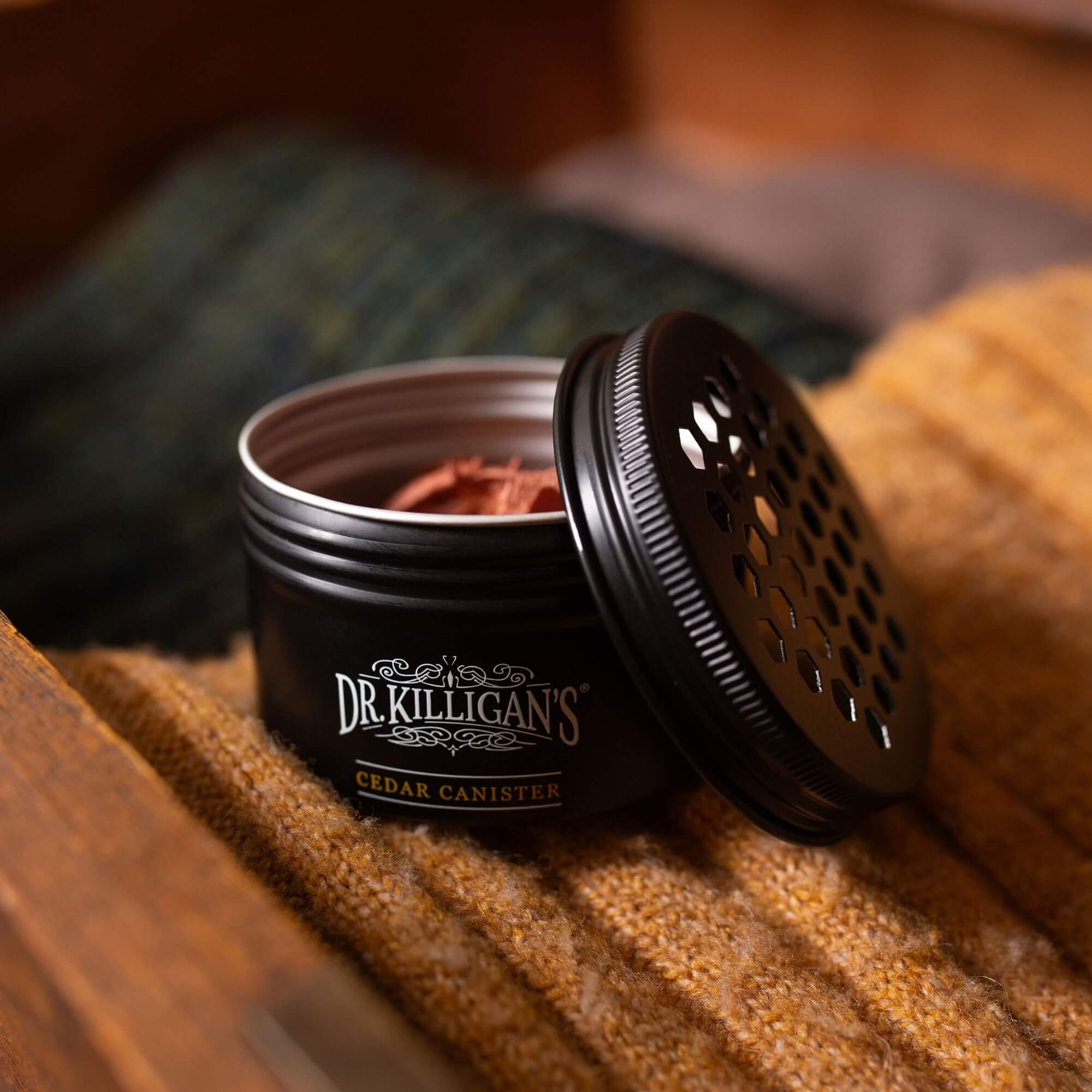
7. Eastern red cedar: Nature's aromatic shield
Found in: Cedar Planks Clothes Moth Repellent
Role: Naturally aromatic wood that repels moths and fabric pests while refreshing storage spaces.
Eastern red cedar embodies nature’s medicine for pest control. Its rich aroma, driven by cedrol and thujone compounds, naturally repels clothing moths and other fiber-feeding insects without synthetic fragrances or harmful fumes.
How it works:

- Emits essential oils that disrupt moth pheromone attraction.
- Acts as a long-term, non-toxic deterrent inside closets and drawers.
- Provides a calming, earthy scent—natural aromatherapy for your home.
Unlike chemical mothballs, cedar-based pest control solutions protect garments and linens safely, enhancing your home with the scent of natural wood.
Did you know? Eastern red cedar wood has been used for centuries in storage chests and closets as a natural moth deterrent—proof that old-world wisdom still works today.
8. Vinegar: The natural lure
Found in: Sweet Surrender Fruit Fly Trap
Role: Organic acid that attracts and traps fruit flies through scent and fermentation cues.
Vinegar plays a starring role in Dr. Killigan’s plant-based lineup, particularly for fruit fly management. Sourced from premium red wine vinegar made from California grapes, it undergoes fermentation to heighten its aroma and acidity—irresistible to fruit flies.
How it works:
- Mimics the scent of fermenting fruit, drawing flies into the liquid trap.
- Acts as a chemical cue that confuses their natural reproductive instincts.
- Prevents breeding cycles by capturing adults before eggs are laid.
Because it’s an organic acid, vinegar works safely and effectively without synthetic attractants or pesticides. It offers a safe, simple and sustainable way to manage fruit flies.
Did you know? Fruit flies are naturally drawn to the aroma of acetic acid—the same compound responsible for vinegar’s tangy scent—making it one of nature’s most effective fly lures.
9. Citric acid: The citrus-powered enhancer

Found in: Sweet Surrender Fruit Fly Trap
Role: Organic compound that enhances scent attraction and preservation for effective fruit fly trapping.
Citric acid, derived from lemon juice, adds a bright, citrus note to Dr. Killigan’s natural oil insect repellents. Rich in terpenes like limonene, it mimics the aroma of ripe fruit—the fruit fly’s favorite meal—and strengthens the lure of the vinegar base.
How it works:
- Amplifies the fruit-like scent that fruit flies can't resist.
- Works synergistically with vinegar to maintain an optimal pH balance for attraction.
- Functions as a natural preservative, extending the trap's lifespan.
This plant-based compound ensures Sweet Surrender remains effective for months while staying free from harsh chemicals. It’s a prime example of how nature’s medicine for pest control can work as powerfully as synthetic alternatives.
10. Sucrose: The sweet bait
Found in: Sweet Surrender Fruit Fly Trap
Role: Natural sugar that acts as both attractant and energy source for fruit flies.
Sucrose, or natural cane sugar, rounds out the trio of attractants in Dr. Killigan’s fruit fly control solutions. Fruit flies are hardwired to seek quick energy from simple sugars, making sucrose a perfect bait ingredient for reliable trap performance.
How it works:
- Releases a subtle sweetness that attracts adult fruit flies.
- Encourages ingestion and keeps flies near the trap's surface.
- Complements vinegar and citric acid for a complete lure system.
As part of our plant-powered philosophy, sucrose is safe, biodegradable and effective when used as directed. It offers a clean, chemical-free solution for anyone seeking eco-friendly pest control that works naturally.
Fruit flies can detect sugar molecules from several feet away—making sucrose one of the simplest yet most effective natural attractants in pest control.