

Published December 22, 2023 • Updated May 6, 2026
Reviewed by Julie Miller, BA in Language Arts, Editorial Lead, Dr. Killigan’s
TL;DR: Fruit flies usually signal fermenting food, while phorid flies often indicate damp, decaying matter. If the flies are near fruit, wine or vinegar, they’re likely fruit flies. If they’re near drains, trash, compost or hidden moisture, they're probably phorid flies.
Phorid flies and fruit flies are easy to confuse because they are both tiny, persistent and often found indoors. The mistake matters because choosing the wrong solution can leave the real source untouched.
Use this guide to identify what you’re seeing, confirm where the flies are coming from and choose the next step that fits the pest.
Phorid fly vs fruit fly: Quick identification chart
Use these visible clues to narrow down which fly you’re seeing.
|
Feature |
Phorid flies |
Fruit flies |
|---|---|---|
|
Also called |
Scuttle flies, coffin flies |
Vinegar flies |
|
Size and shape |
Tiny, humpbacked body |
Tiny, rounder body |
|
Movement |
Short, erratic flights; may run or “scuttle” across surfaces |
Smooth, hovering flight |
|
Main source clue |
Damp buildup or decay |
Fermenting food or drink |
|
Common locations |
Drains, bathrooms, damp cabinets, trash areas, under appliances |
Fruit bowls, counters, garbage disposals, recycling bins |
|
Best first step |
Search for the hidden source |
Remove food residue and overripe produce |
Phorid flies vs fruit flies: How to tell them apart


Watch the movement
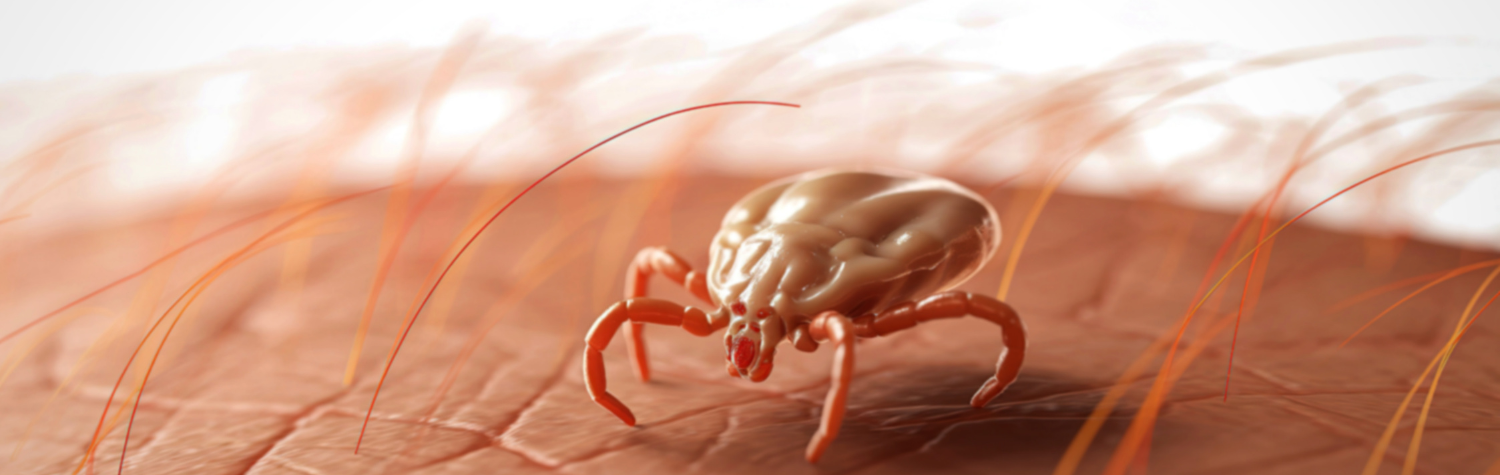
Phorid flies often move in quick bursts. They may run across a counter, wall or drain area before lifting off suddenly, then landing again nearby. That stop-and-start movement is one reason they are called scuttle flies.
Fruit flies are steadier in the air. They tend to hover and circle around the same food or drink source instead of darting from surface to surface.
Check where larvae could develop
The adult flies are the clue, but the breeding site is the answer. To confirm what you’re dealing with, inspect the places where eggs and larvae are most likely to develop.
Check these phorid fly breeding sites:
- Drains with organic buildup
- Compost piles or compost bins
- Trash bins with food residue
- Sewage-related buildup
- Rotting food
- Decaying animal matter
- Hidden debris under appliances or cabinets
Check these fruit fly breeding sites:
- Fruit bowls with overripe produce
- Garbage disposals with food residue
- Recycling bins with unwashed juice bottles, cans or containers
- Kitchen drains with fermenting organic buildup
- Trash cans with food scraps
Hidden damp buildup points toward phorid flies. Exposed food or drink residue points toward fruit flies.
Why are phorid flies called coffin flies?
Phorid flies have earned one of the more unsettling nicknames in pest control: coffin flies. Some species are so closely associated with decomposition that forensic investigators have used them to help estimate a person’s time of death or determine when a burial occurred.
Phorid flies vs gnats, fungus gnats and drain flies
Still unsure? You may be dealing with another tiny fly that looks similar at first glance.
Phorid flies vs fungus gnats
Fungus gnats are most common around overwatered houseplants. If tiny flies lift from the soil when you move or water a plant, check the potting mix first.
Phorid flies vs drain flies
Drain flies usually have a fuzzy, moth-like appearance and tend to rest near sinks, tubs or floor drains. Phorid flies look smoother and move more like runners than moths.
Phorid flies vs gnats
“Gnat” is a catchall word people use for several small flying insects. Instead of relying on the name, use the location clue: soil suggests fungus gnats, drains suggest drain flies or phorid flies and produce suggests fruit flies.
How to get rid of phorid flies
Once you suspect phorid flies, work in this order: locate the source, remove the buildup, dry the area and treat visible flies. If you skip the source, phorid flies often come back.
1. Start where activity is highest
Watch where the flies land, run or reappear after cleaning. That area is your first inspection zone. Focus on the most active drain, trash area, compost container, damp cabinet or appliance gap instead of treating the whole room at once.
2. Clean drains thoroughly
Phorid flies can breed in the slimy, gelatinous biofilm that builds up inside drain lines. Use a stiff drain brush to physically scrub the inside of the drain and remove the buildup where larvae may develop.
After scrubbing, use a simple baking soda and vinegar rinse to help clean and deodorize the drain. Pour baking soda into the drain, follow with vinegar, let it fizz and sit for several minutes, then flush with hot water. Avoid boiling water if your plumbing or sink materials are sensitive to high heat.

3. Remove nearby organic residue
Clean the areas around the suspected source. Empty and wash trash cans, compost bins and recycling containers with hot, soapy water. Check beneath appliances and inside cabinets for spills, damp debris, food residue or rotting material.
Overripe fruits and vegetables should be eaten, refrigerated or discarded promptly. If you compost indoors, empty the container often and wash it regularly so residue does not build up.
4. Dry the area
Repair leaky pipes or faucets, dry the area under sinks and improve airflow in damp cabinets or utility spaces. Once the moisture is reduced, the area becomes less suitable for larvae to develop.
5. Close easy entry points
Seal gaps around doors, windows, utility lines and plumbing penetrations. This helps reduce the chance of outdoor flies entering and finding a suitable indoor breeding site.
6. Finish with Six Feet Under®
After cleaning and removing the source, use Six Feet Under® to target visible flies and active areas. It kills on contact and can leave residual protection on porous surfaces for up to 30 days, when used as directed.
Think of it as the final step in the plan: clean out the breeding source, dry the area, then use the spray to help reclaim the spaces where flies are still appearing.
How to get rid of fruit flies
Once you’ve confirmed fruit flies, focus on removing the fermenting residue they return to, then place Sweet Surrender® Fruit Fly Trap where activity is highest.
1. Remove overripe produce
Eat, refrigerate or discard overripe fruits and vegetables. Even one forgotten peach, tomato or banana can keep fruit fly activity going.
2. Clean sticky residue
Wipe counters, rinse bottles and cans before recycling, empty trash regularly and clean spills near fruit bowls, wine glasses or juice containers. Use a vinegar-based cleaner or warm, soapy water to remove residue.
Pay close attention to hidden collection points, including under appliances, inside cabinets, around trash cans and near recycling bins.

3. Check garbage disposals and kitchen drains
Scrub and flush garbage disposals and kitchen drains where food residue may collect. This step is especially useful if flies keep appearing after produce and trash have been removed.
4. Use Sweet Surrender® for confirmed fruit flies
After cleanup, place the trap near fruit bowls, counters, windows or other areas where fruit flies are active. Its plant-based attractant mimics the natural cues fruit flies seek out, while the reusable trap keeps the setup tidy on your counter.
Sweet Surrender® is designed for fruit flies only—not phorid flies, drain flies or gnats. In side-by-side tests, it caught up to 10× more fruit flies than apple cider vinegar, with each dose lasting about 6 weeks and each refill offering 8 uses. Use as directed.
Which trap or product should you use?
Once you’ve identified the pest, choose the solution that matches where the flies are gathering.
|
Situation |
Best next step |
|
Flies around fruit, wine, vinegar or food residue |
Remove the source, then use Sweet Surrender® for confirmed fruit flies. |
|
Flies near drains, trash, compost or damp areas |
Find and remove the breeding source first, then use Six Feet Under® for visible flies. |
|
Visible flies after cleaning |
Use Six Feet Under® to target active areas and contact kill. |
|
Flies gathering at windows or glass doors |
Use The Fly Inn® where flying insects follow the light. |
Quick rule: Sweet Surrender® is for fruit flies. Six Feet Under® helps target visible flies after cleanup. The Fly Inn® is for flying insects that collect on windows or glass doors.
Will bleach kill phorid flies?
Bleach is often thought to eliminate phorid flies, but it usually does not solve the problem. It may kill some flies or larvae on contact, yet it does not reliably remove the hidden buildup where phorid flies develop.
Bleach can also be a harsh choice for everyday pest control. It may irritate skin, eyes and lungs and damage certain surfaces.
For phorid flies, the better first move is not to pour and hope. It is to scrub out the buildup, remove decaying material and dry the area.

Choose the next right step
The right solution starts with the right identification. Once you know which fly you’re dealing with, you can stop guessing and take the next clear step.
Restore Confidence, Peace, and Control—one clear step at a time.