
Updated on September 26th, 2024
If you're focused on maintaining a home that's both safe and free of pests, the term "minimum risk pesticides" may be familiar to you. Defined by the U.S. Environmental Protection Agency (EPA), these pesticides are exempt from federal registration under the Federal Insecticide, Fungicide and Rodenticide Act (FIFRA). This exemption isn’t a loophole; it’s a confirmation from the EPA that these products pose little to no risk to human health or the environment. Products earning this exemption are held to strict safety standards, making them a trusted and safe choice for families.
The meaning behind the EPA exemption

At Dr. Killigan’s, "little to no risk" isn’t just a label—it’s a reflection of our commitment to safety. We carefully design our pest control solutions to meet EPA standards, using natural ingredients that effectively target pests while being safe for people, pets and the environment. Our goal is to offer practical, safe products that give you peace of mind.
You might be wondering, "If it's non-toxic to humans, how can it be effective against pests?"
It's a fair question. The science behind our non-toxic pest control solutions lies in the targeting of specific biological markers unique to common household pests. Insects have unique biological structures, and our products target those differences to eliminate pests safely.
Here's how our products work:
These natural ingredients specifically target insect biology—as noted above—without affecting humans, pets or other organisms.

- Disrupting their nervous systems: Insects have simpler nervous systems than mammals. Natural ingredients in our products—such as clove oil or cinnamon—target neurotransmitters that are crucial for the insect’s motor functions and sensory responses. By disrupting these neurotransmitter pathways, the pest's ability to move, feed or respond to its environment is compromised, ultimately leading to its incapacitation.
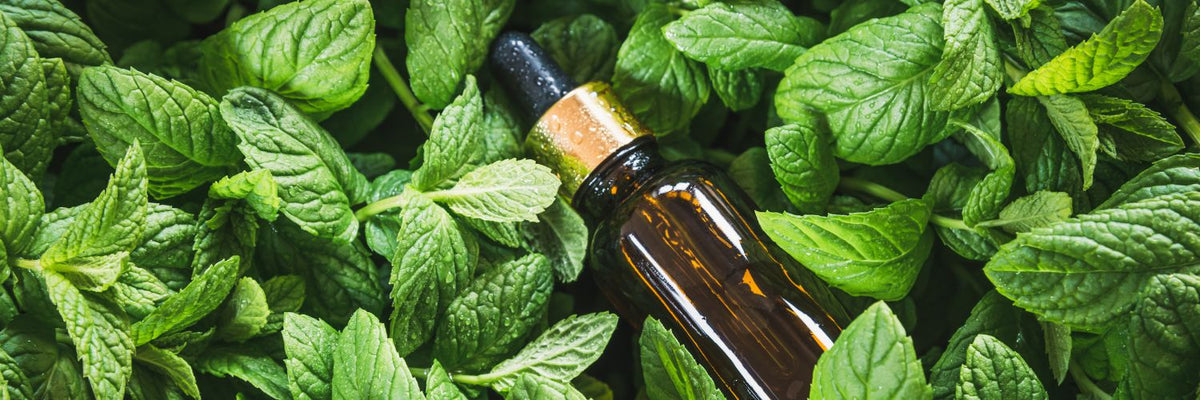
- Affecting their ability to feed: Our products—using ingredients like peppermint oil and rosemary oil—disrupt the pest’s chemoreceptors—sensors they use to detect food. By interfering with these biological processes, the pests are unable to locate or consume food, ultimately starving them.
- Inhibiting reproduction: Certain ingredients in our solutions—such as soybean oil—disrupt the reproductive cycles of pests by interfering with their metabolism, thus reducing their ability to reproduce and lay eggs. This creates an inhospitable environment, ensuring pests can’t multiply.
- Interfering with their ability to breathe: Insects breathe through tiny tubes in their bodies called tracheae. A natural, non-toxic substance in our products—such as silica—can block these tubes, effectively suffocating the insect.
- Dehydrating their exoskeleton: Many insects rely on their exoskeleton to maintain moisture levels. Natural substances—like soybean oil and silica—absorb the waxy coating on their exoskeletons, leading to dehydration and death.
Featured in this article
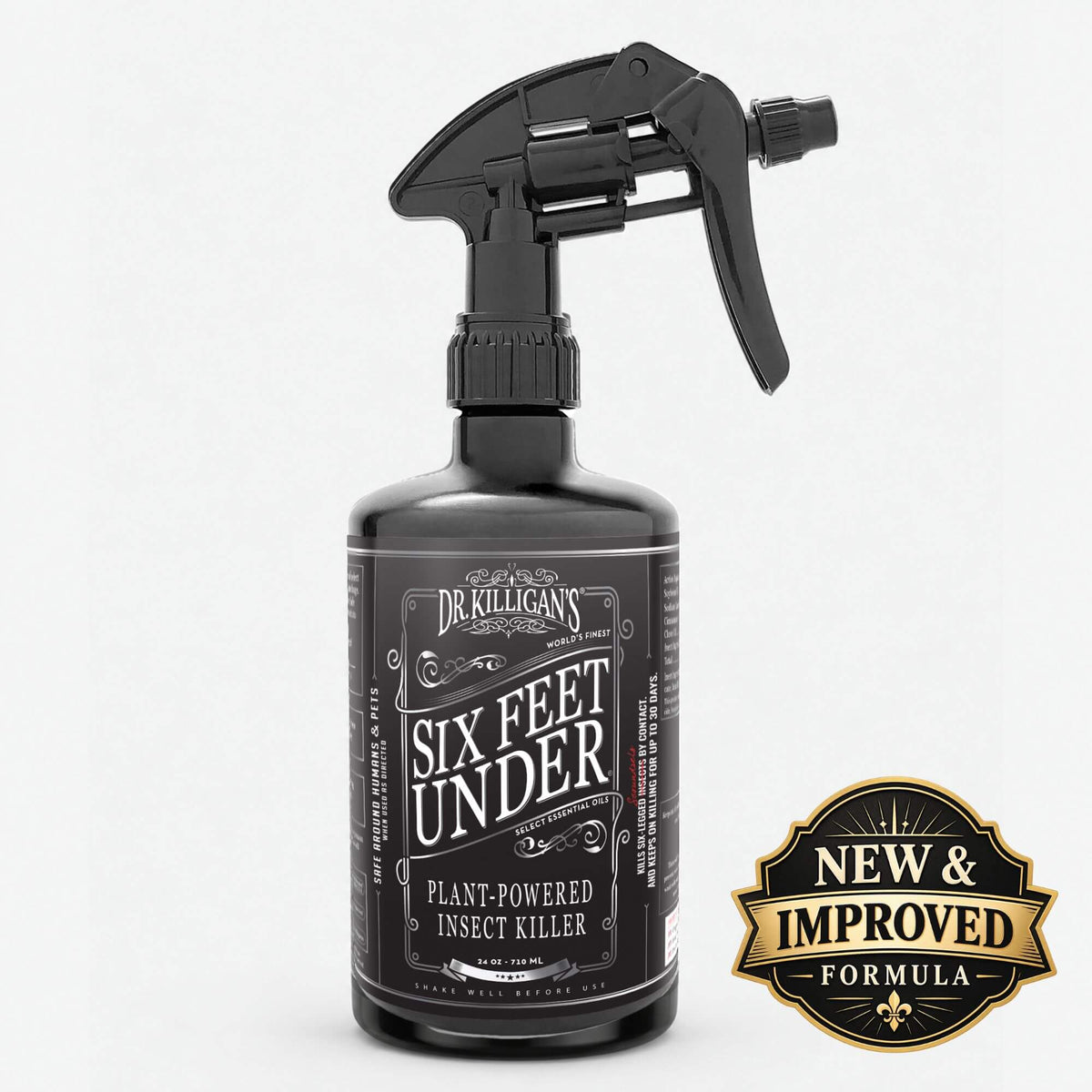
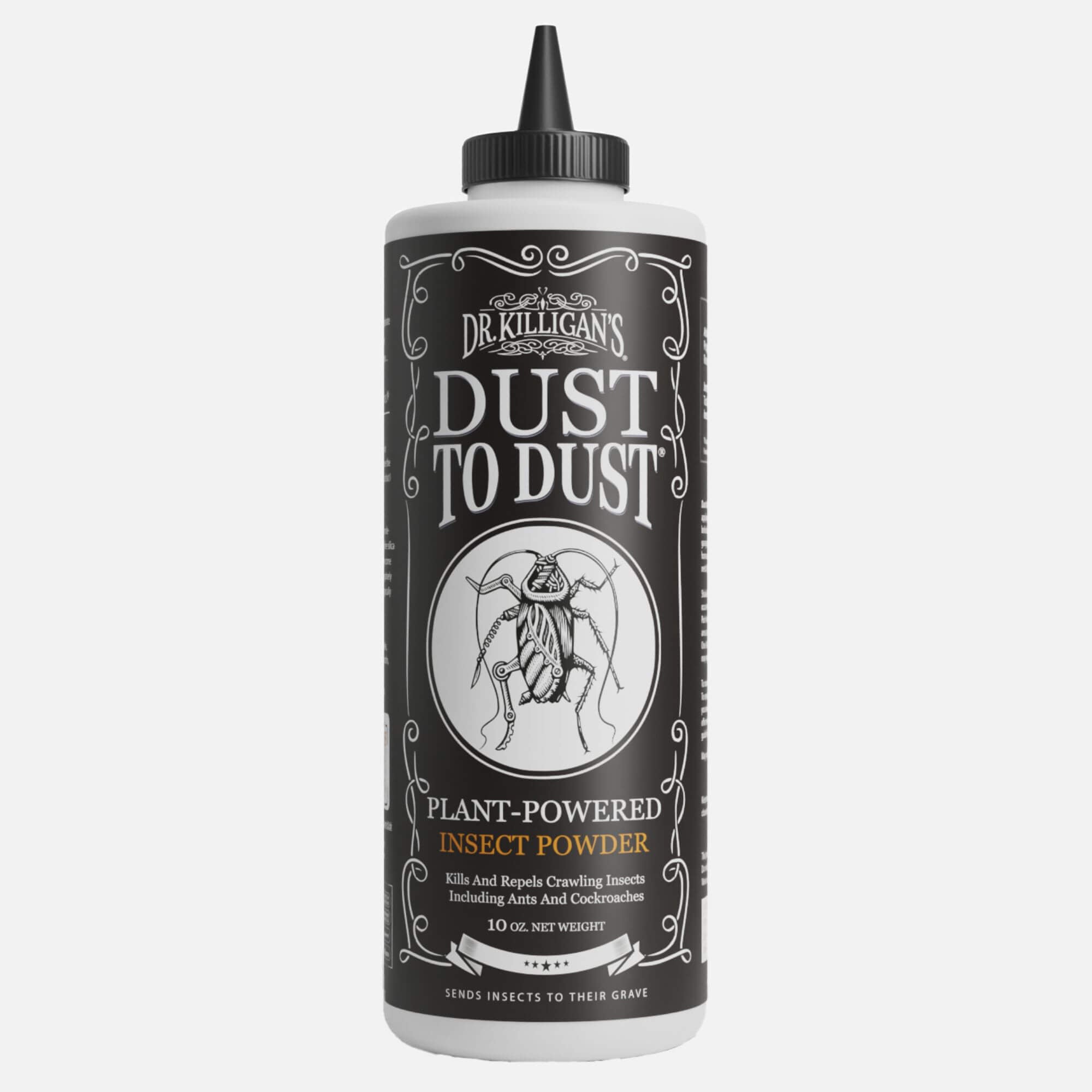
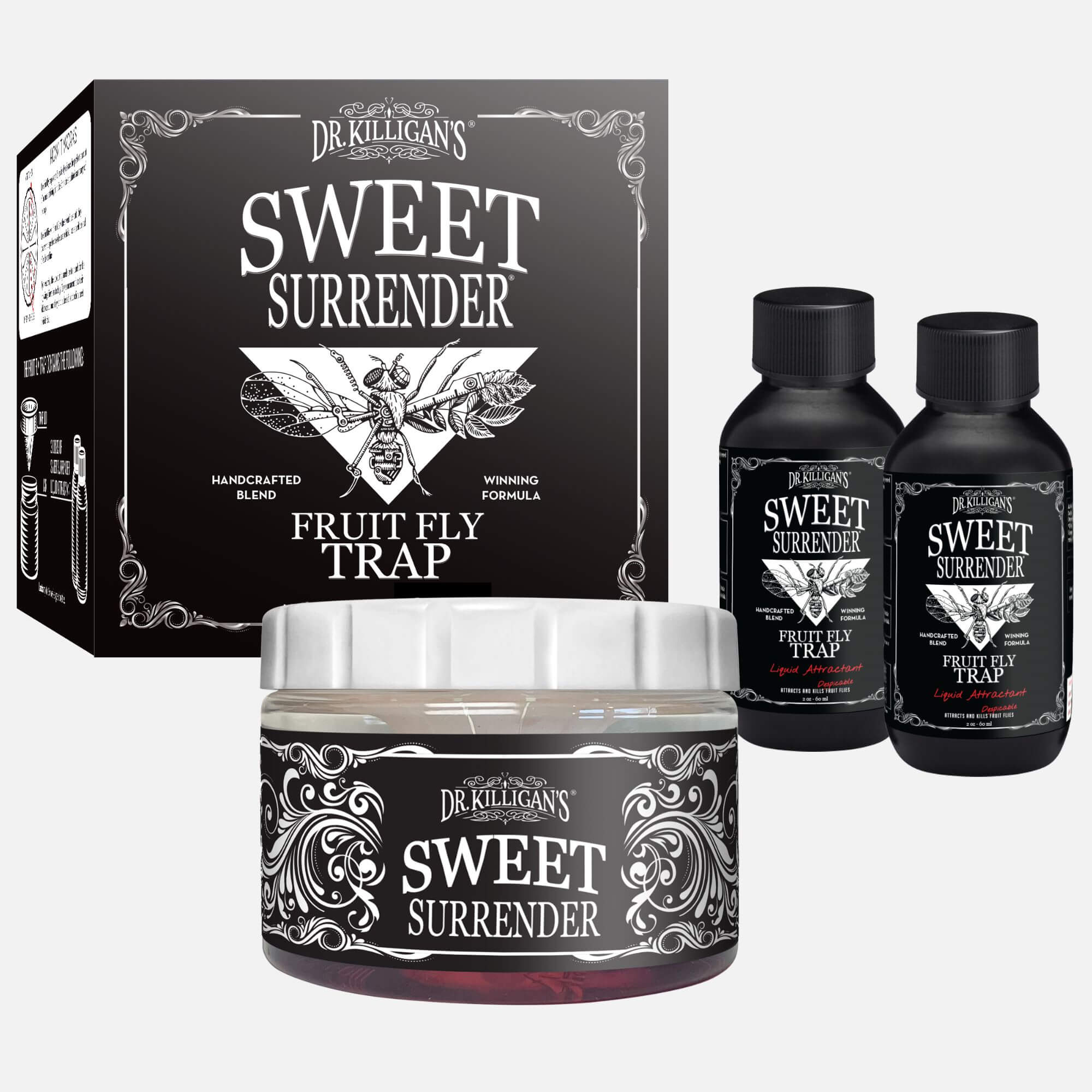
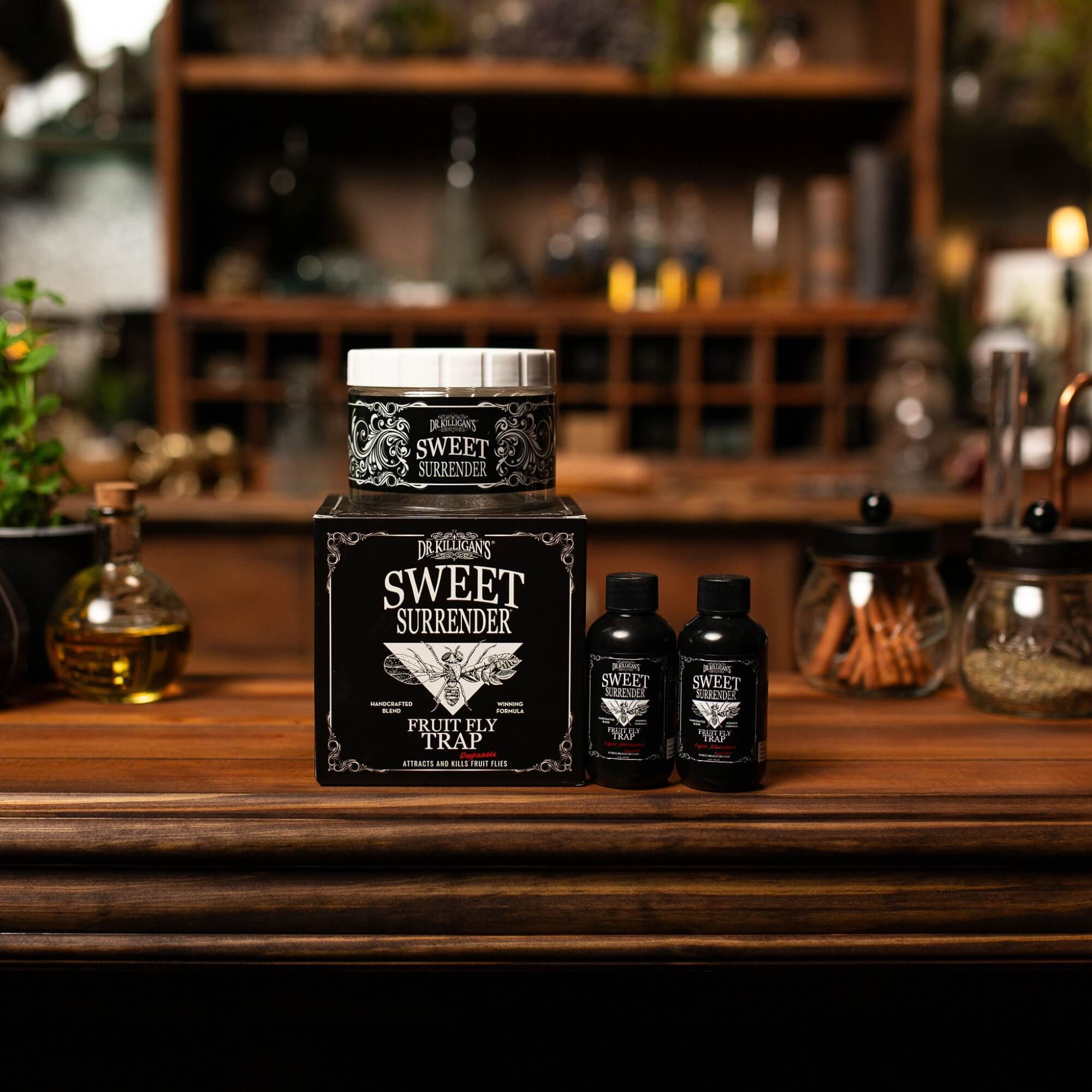
Shop Dr. Killigan's Essentials


Practical implications for consumers
What does this mean for you? You now have the awareness of products that are both effective and aligned with a responsible, health-conscious lifestyle. By choosing minimum risk pesticides, you're making a decision that positively impacts your home and the world at large. With Dr. Killigan’s products, there’s no need to compromise between safety and effectiveness.
In addition, these non-toxic alternatives provide long-term benefits by preventing pesticide resistance, offering a sustainable solution for years to come. Unlike traditional chemical pesticides, these non-toxic alternatives don't contribute to the increasing issue of pesticide resistance among pests. This means that you are making a healthier choice today and investing in a solution that is likely to remain effective for years to come. Dr. Killigan's range of products offers a sustainable, responsible way to keep your home pest-free.
Dr. Killigan’s commitment to safety

Our commitment goes beyond merely creating safe products. We are dedicated to ongoing research and development to continually improve the effectiveness of our non-toxic solutions. Transparency is key for us; that's why we are always ready to answer any questions about the ingredients and the science behind our products. When you choose Dr. Killigan's, you're not just buying a product; you're becoming part of a community that values safety, integrity and environmental responsibility. It's more than just a purchase; it's a long-term investment in a healthier, safer home.