

Published July 28, 2022 • Updated December 11, 2025
Reviewed by Julie Miller, BA in Language Arts, Editorial Lead, Dr. Killigan’s
TL;DR: Cockroaches thrive where there’s moisture, food residue and hidden access points. To get rid of them, start by reducing humidity, sealing cracks and gaps and removing food sources like crumbs, cardboard and open packaging. Then use targeted, plant-powered cockroach control—including sprays for spot treatment and fine insect powders in cracks and crevices—to intercept roaches where they travel rather than relying on broad, chemical foggers.
If you spot a cockroach in your home, you’re not alone—and it doesn’t automatically mean your space is dirty. Cockroaches are expert hitchhikers and opportunists.
The good news is that effective cockroach control doesn’t require filling your home with harsh sprays. By understanding why roaches show up, where they hide and how they move through a space, you can take a more precise, lower-impact approach that focuses on environment first, then targeted control. This guide walks you through how to identify cockroach activity, eliminate the conditions that attract them, and keep them from coming back.
What is a cockroach?
Cockroaches are fast-moving insects with flattened bodies, long antennae and a habit of hiding (and hiding well). There are thousands of roach species worldwide, but in U.S. homes the most common indoor culprit is the German cockroach, which tends to cluster in kitchens, bathrooms and other warm, humid spaces.
How to tell if you have cockroaches (signs and early clues)
Cockroaches are—as you know—experts at staying hidden, especially in the early stages. Most infestations are discovered indirectly—through subtle signs—long before people start seeing roaches out in the open during the day.
Seeing cockroaches at night
Cockroaches are nocturnal. If you turn on a light late at night and see roaches scatter across countertops, floors or walls, it’s often a sign that there are more hiding nearby. Daytime sightings usually indicate a heavier infestation or crowded hiding spaces.
Droppings that look like pepper or coffee grounds
Small roach droppings often look like black pepper or coffee grounds and are usually about 1 mm or smaller. You’ll commonly find them along baseboards, inside cabinets, near food storage areas or under sinks. Larger roaches may leave longer, cylindrical droppings with blunt ends.
A musty or oily odor
Cockroaches can leave behind a lingering, unpleasant smell from their droppings and the chemicals they use to communicate. In heavier infestations, the odor may smell musty, damp or slightly urine-like and it’s often most noticeable in enclosed spaces like cabinets.
Egg cases (oothecae)
Roach egg cases are small, brown, bean-shaped capsules called an ootheca (plural: oothecae). Depending on the species, they may be tucked into cracks and crevices, behind appliances, inside cardboard boxes, near trash areas or along baseboards and furniture edges. If you find an ootheca, it’s a strong sign of recent or active roach activity nearby.
Shed skins
As cockroaches grow, they shed their outer skin multiple times. These shed skins look like thin, papery, light-brown “shells” shaped like a roach and are often found near hiding spots. Over time, they can dry out and become brittle or flaky. Finding shed skins is a strong sign of ongoing activity, even if you aren’t seeing live roaches.
Smear marks along walls and edges
In damp or high-traffic areas, roaches may leave dark streaks where their bodies brush against walls, baseboards or cabinet edges as they travel the same paths repeatedly.
If you notice one or more of these signs, it’s best to act early. Addressing the issue at this stage is far easier than waiting until cockroaches are regularly visible or spreading throughout the home.
Why cockroaches show up in your home?
Cockroaches don’t appear at random. If they’re inside, your home is offering at least one of the things they need to survive: food, water, shelter or easy access points. Understanding why they’re there makes it much easier to stop the problem at its source.

Food sources (even tiny ones)
Roaches aren’t picky. Crumbs, grease residue, pet food, cardboard packaging and even food dust inside cabinets can sustain them. Kitchens, pantries, trash areas and places where food is stored or prepared are the most common hotspots.
Moisture and humidity
Cockroaches need water more than food. Leaky pipes, condensation under sinks, damp basements, overflowing drip pans behind refrigerators and high-humidity bathrooms create ideal conditions. Even small, ongoing moisture issues can support long-term activity.
Shelter and hiding spaces
Roaches prefer tight, dark spaces where they can stay hidden. Cracks, crevices, wall voids, cardboard boxes, cluttered cabinets and gaps behind appliances give them protection and warmth.
Entry points from outside or neighboring units
Cockroaches often enter through gaps around doors, windows, utility lines, drains and vents. In apartments or multi-unit buildings, they may travel through shared walls, plumbing lines or electrical chases from neighboring units.
Recent changes
Moving boxes, grocery bags, used furniture or appliances can unintentionally bring cockroaches inside. Even clean homes can see activity after renovations, moves or deliveries.
Where cockroaches hide (and where to check first)
Cockroaches are experts at staying out of sight. They usually cluster in dark, tight, low-traffic spaces, especially near moisture and nearby food sources. If you know where to look, you can often confirm activity before you ever spot one out in the open.
Tip: The most common indoor cockroach sightings happen in kitchens and bathrooms.
Kitchen and food-prep areas
This is often where roach activity shows up first, even in clean homes, because roaches are drawn to grease residue and condensation that builds up in low-airflow areas behind appliances. Check:
- Behind and underneath refrigerators, stoves and dishwashers
- Inside cabinet corners, especially near hinges and shelf supports
- Under sinks where plumbing creates moisture
- Around trash cans, recycling bins and pet food bowls
Bathrooms and laundry rooms
Moisture is a major driver of roach activity, and even small leaks or condensation can be enough. Check:
- Under bathroom sinks and behind toilets
- Inside vanity cabinets and linen storage
- Around washing machines, floor drains and utility sinks
Cracks, crevices and wall gaps
Cockroaches like tight spaces—as their bodies touch surfaces on all sides—and these gaps act as travel routes between feeding areas and nesting sites. Check:
- Baseboards and wall-floor junctions
- Gaps around pipes, wiring and outlets
- Cracks behind trim, cabinets and backsplash seams.
Cardboard, clutter and storage zones
Roaches don’t just eat food—they also shelter in materials that trap warmth and moisture. Check:
- Cardboard boxes, paper bags and stored packaging
- Closets, pantries and storage rooms
- Areas with stacked paper, packaging or unused items
Warm, undisturbed spaces
Heat sources and low-traffic areas are especially attractive, so it’s worth checking warm, quiet zones like:
- Boiler rooms, utility closets and water heater areas
- Behind wall-mounted appliances
- Inside rarely opened cabinets or drawers
Knowing where cockroaches hide helps you focus inspection, cleaning and treatment instead of guessing. Once you’ve identified their hiding spots and travel routes, you’re in a much better position to control them effectively.
Why sprays alone don’t work on cockroaches
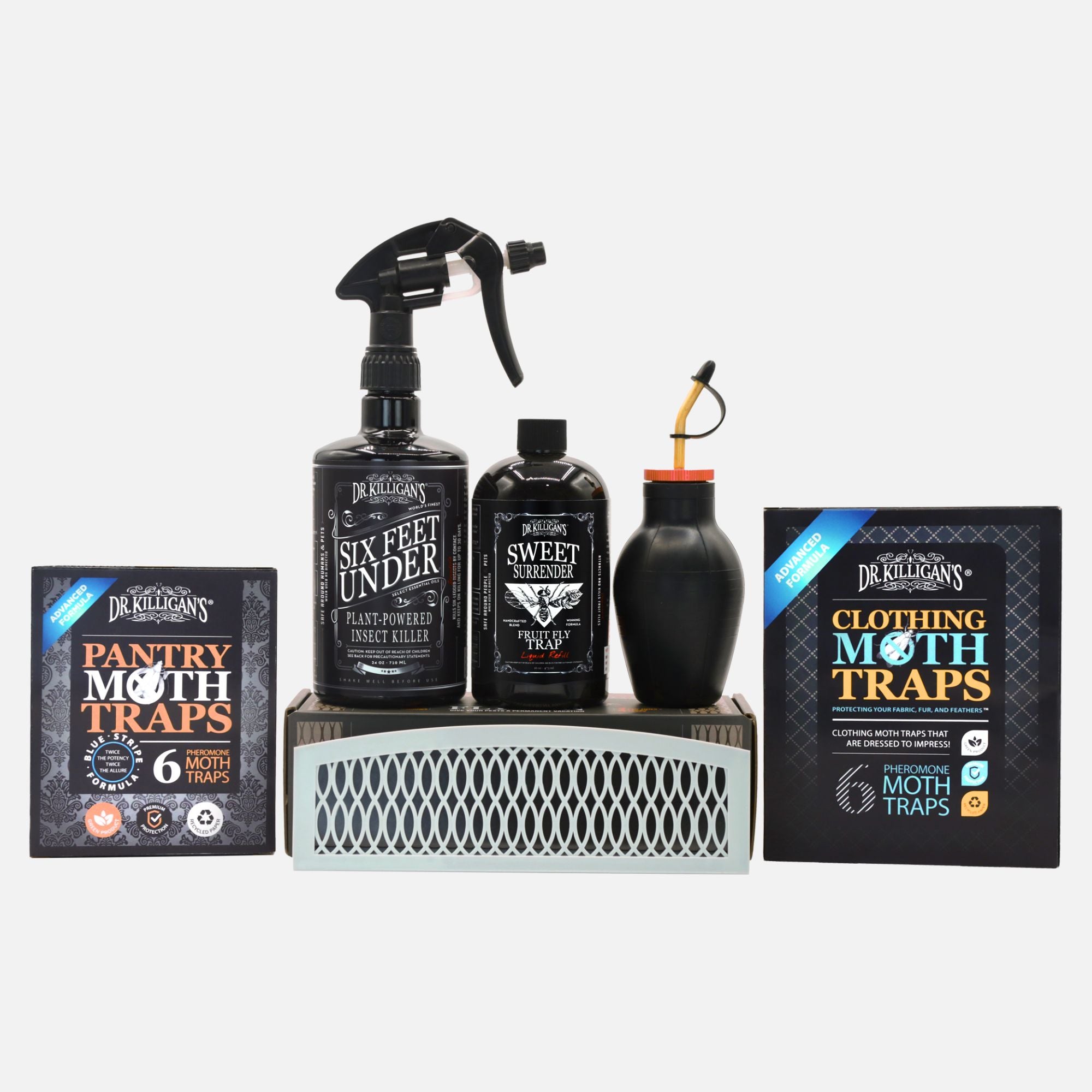
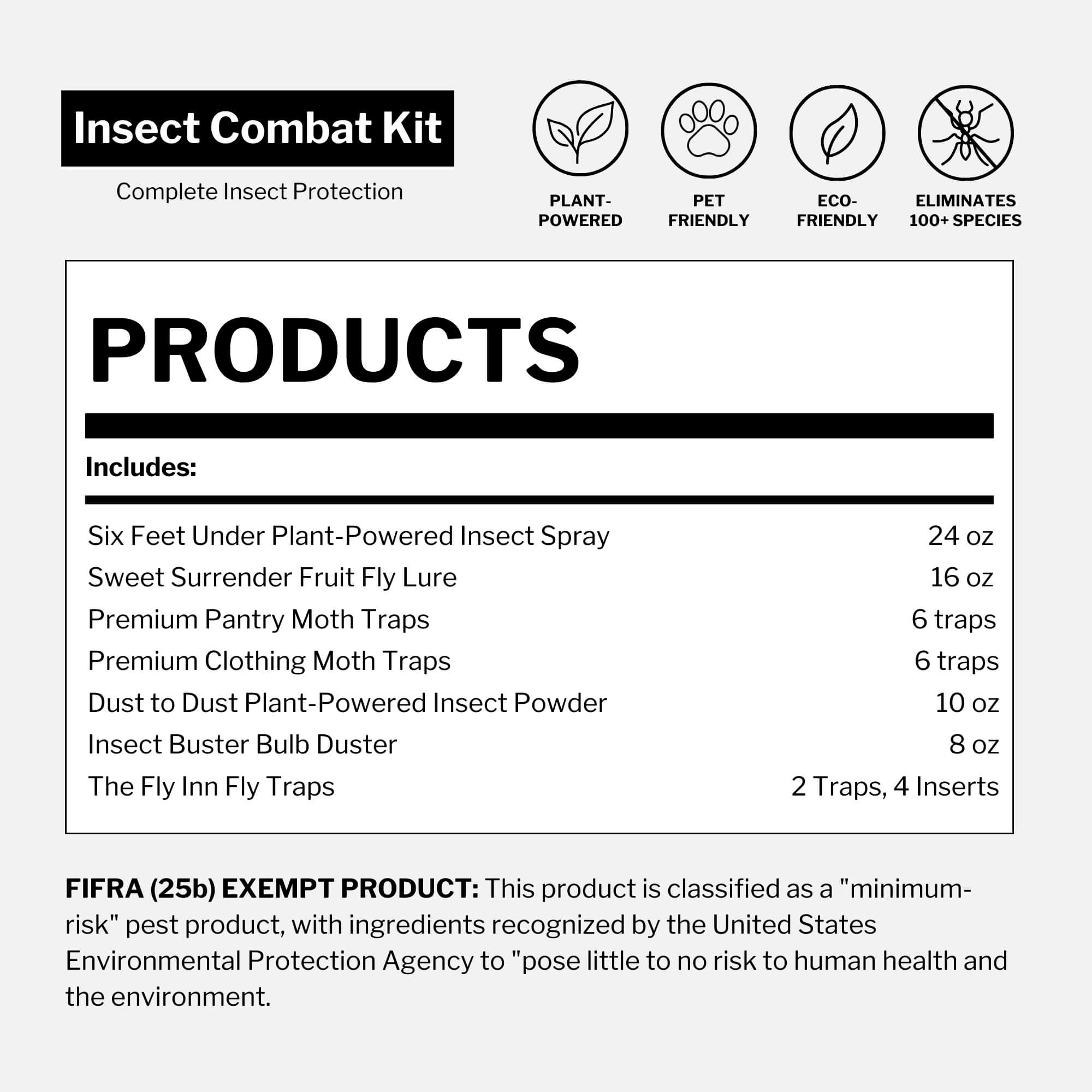
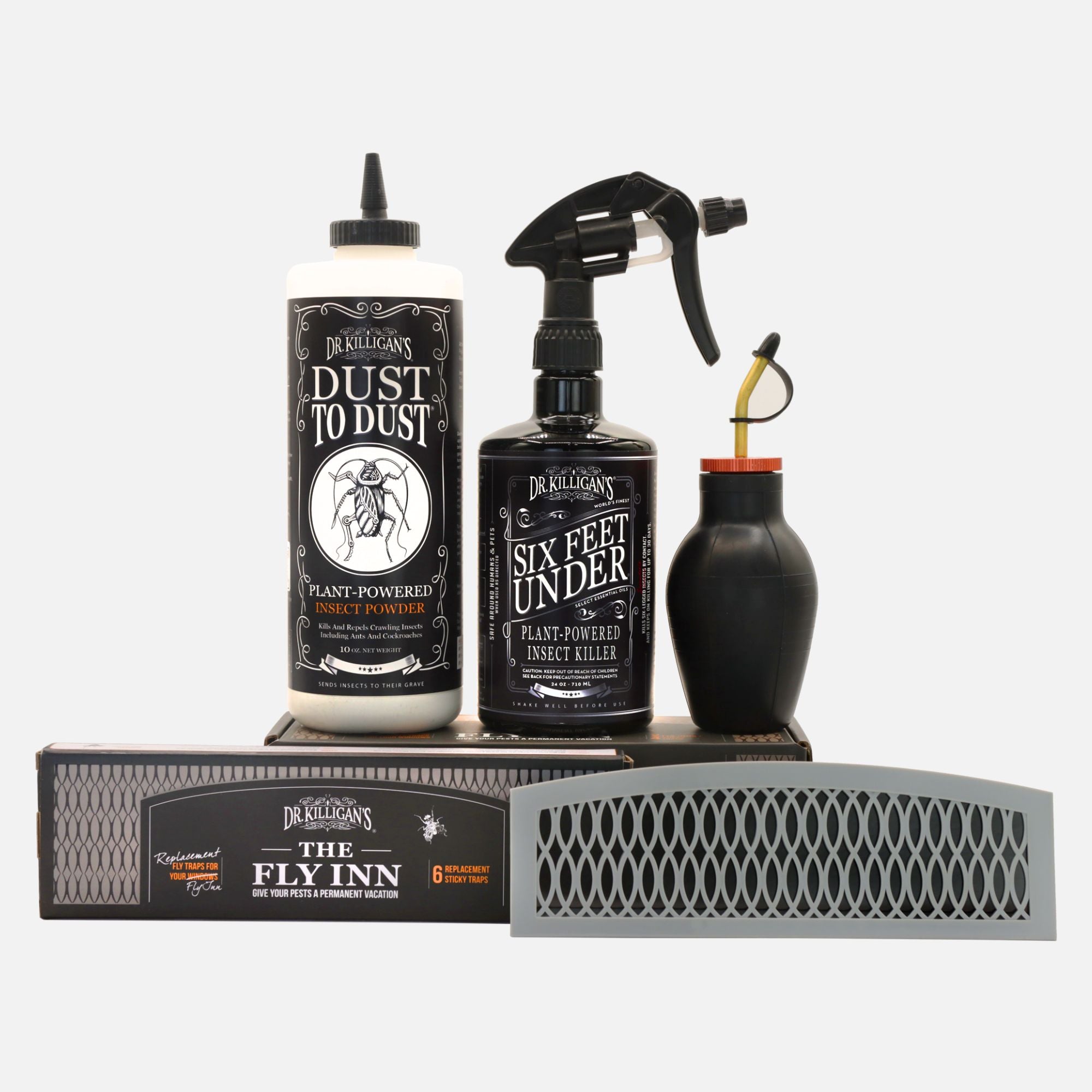
Cockroaches don’t live out in the open, so spray-only approaches often miss the places that matter most. Surface sprays and foggers rarely reach the gaps, seams and wall edges where roaches hide, and broad spraying can push them deeper into hidden areas instead of solving the core problem. Research summarized from Purdue University notes that German cockroaches can develop cross-resistance to multiple insecticides, which can make chemical-only strategies less reliable over time. That’s why long-term control works best when you pair targeted spot treatment for visible activity with a fine insect powder applied in hidden pathways roaches use night after night, like Six Feet Under and Dust to Dust, when used as directed.
How to get rid of cockroaches safely and effectively (step-by-step)

Getting rid of cockroaches works best when you take a layered approach: fix the conditions that attract them first, then target the places they hide and travel. Skipping steps or relying on foggers and harsh sprays often leads to temporary relief—but not long-term control.
Step 1: Remove food and moisture sources
Goal: Make your home less supportive of daily roach survival.
Do this: Wipe counters, stovetops and cabinet interiors to remove grease residue; store pantry items, pet food and snacks in airtight containers; take trash out regularly and rinse recycling bins; fix leaks under sinks, behind toilets and near appliances; dry damp areas and improve ventilation in kitchens, bathrooms and basements. Moisture matters most, since roaches need water more than food.
Step 2: Declutter and eliminate hiding places
Goal: Reduce harborage so roaches have fewer protected zones to cluster.
Do this: Remove cardboard boxes, paper bags and excess packaging; reduce clutter in cabinets, pantries and storage areas; keep items off floors where possible; vacuum cracks, corners and under appliances to remove debris, droppings and shed skins. This makes later treatment more effective by exposing travel routes and hiding areas.
Step 3: Seal entry points and travel pathways
Goal: Limit how roaches enter and how far they can spread.
Do this: Seal cracks along baseboards and wall-floor junctions; close gaps around plumbing, wiring and utility lines; tighten openings behind cabinets and under sinks; improve door sweeps, screens and gaps around doors, windows and vents. Sealing reduces new arrivals and narrows the routes roaches use at night.

Step 4: Use targeted, plant-powered contact treatment
Goal: Knock down active roaches where you’re actually seeing movement.
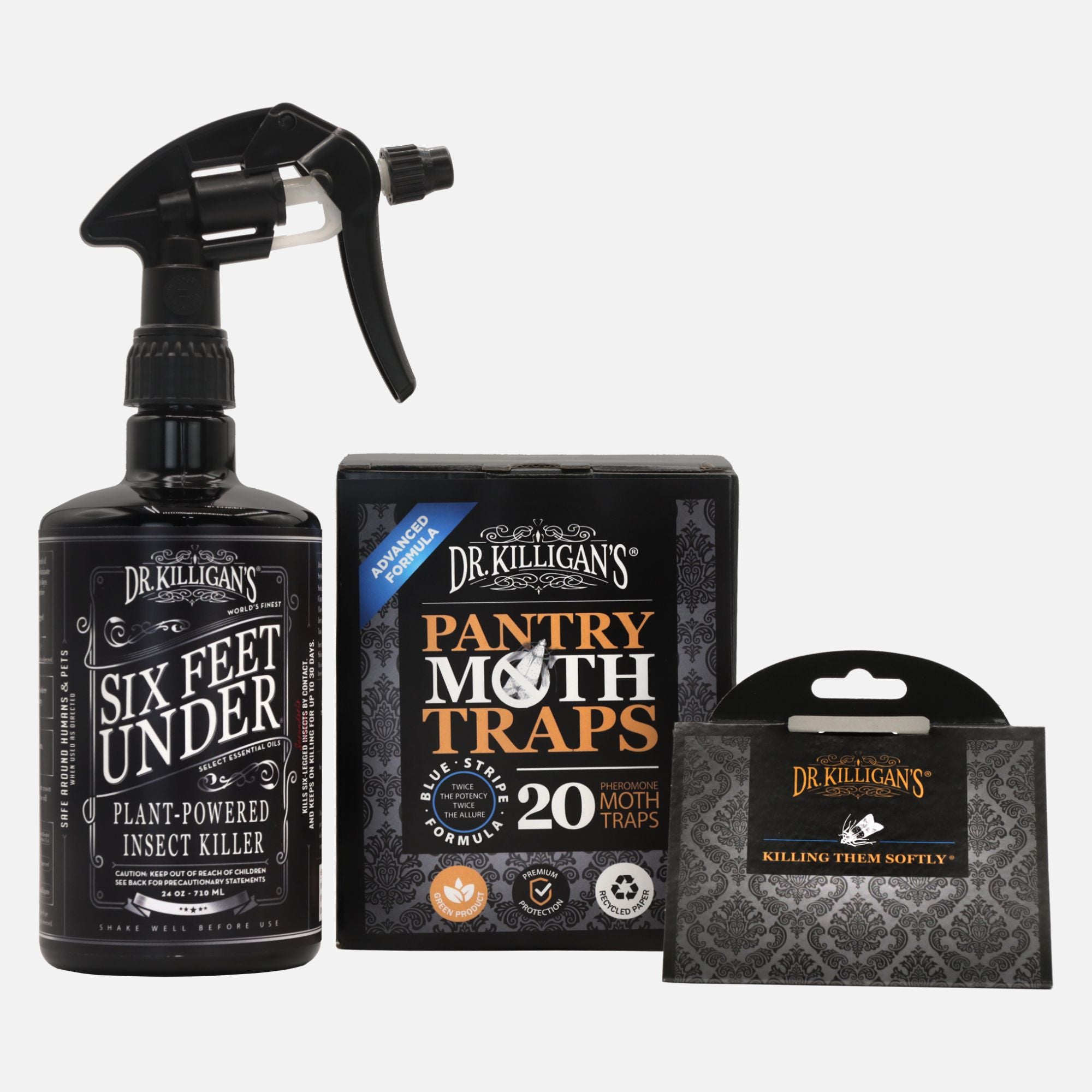
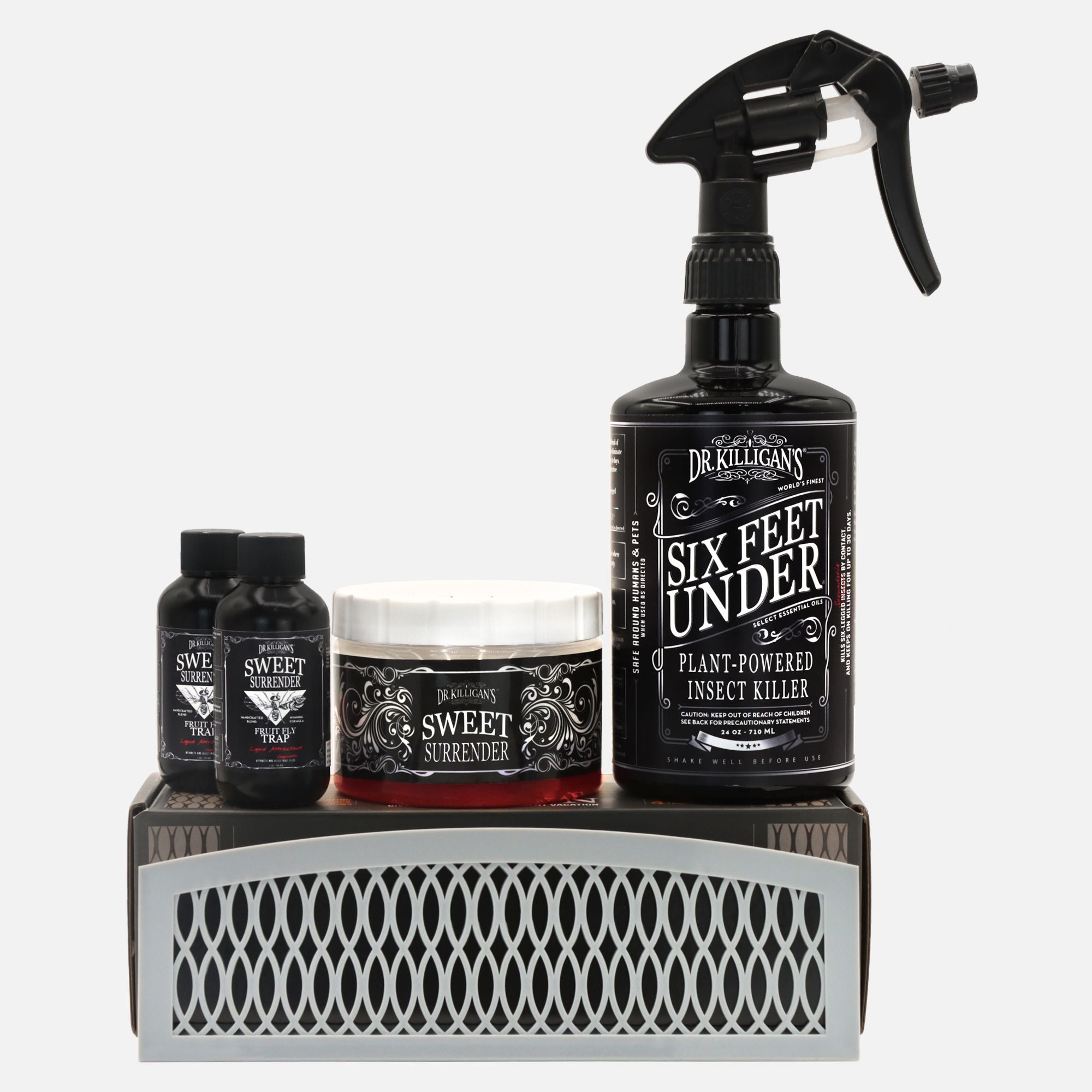
Do this: Use Six Feet Under Plant-Powered Insect Spray on visible surfaces and along travel edges you can easily access and clean, such as baseboards, floor-wall edges, under-sink cabinet floors, around trash areas and along the outer edges of appliances. Keep applications focused on where roaches are moving rather than deep hidden voids.
Pro tip: If you’re worried about roaches dying in unreachable spots, keep spray use to areas you can access and monitor, and rely on powder for hidden pathways.
Step 5: Apply fine insect powder in cracks and crevices
Goal: Intercept roaches in the hidden pathways sprays often miss.
Do this: Apply a thin, barely visible layer of Dust to Dust Plant-Powered Insect Powder (never piled or broadcast)—using the Insect Buster—in cracks and crevices, wall gaps, seams and voids, behind trim, under appliances, inside cabinet corners, and around plumbing penetrations and utility openings. In undisturbed areas, powders can keep working over time and help intercept roaches you don’t see.
Pro tip: Less is more—over-applying can make roaches avoid the area or create mess.
Step 6: Monitor and reapply as needed
Goal: Stay ahead of the pockets you missed and prevent rebound.
Do this: Check treated areas regularly for fresh droppings, new smear marks or night sightings; reapply Dust to Dust if it’s disturbed by cleaning, moisture or foot traffic; spot-treat new activity with Six Feet Under; and keep sealing, drying and decluttering as conditions change. Many homes see noticeable improvement within a couple of weeks when these steps are followed consistently.
Pro tip: Track sightings by room and date so you can see whether activity is shrinking or shifting.

Step 7: Prevent reinfestation
Goal: Make your home a low-reward space so roaches don’t re-establish.
Do this: Maintain dry, well-ventilated rooms; keep food sealed and crumbs controlled; reduce cardboard and clutter that create harborage; keep cracks and gaps sealed; and apply Dust to Dust along known entry routes and high-risk interior areas when needed.
Pro tip: If you’re in a multi-unit building, pair prevention with sealing around plumbing and shared-wall penetrations, since roaches can move between units.
Add a perimeter barrier where roaches enter
Goal: Help stop new roaches from getting inside once indoor activity is under control.
Do this: Apply a plant-powered perimeter spray like Six Feet Under: Barricade along exterior foundation walls; around door thresholds and window frames; and near utility entry points, vents and pipe penetrations. Perimeter treatments work best alongside sealing gaps and reducing moisture, not as a standalone solution.