
Toxic chemicals are everywhere. If you have ever used a shower curtain made of polyvinyl chloride (PVC), wrapped a leftover sandwich with plastic wrap or thrown a few dryer sheets in with your load of wet clothes, you’ve exposed yourself to toxins. We’ve all been there. We’ve all done it.
You and I and all of our friends are all somewhere on a journey of removing toxins from our homes and, in doing so, helping to detoxify our bodies. Just recently, I came to the realization that the dish detergent I’d been using had endocrine disruptors in it. It’s strange, how you can use a too-powerful-smelling, too-brightly-colored product for years without realizing its potential lingering danger and then wake up one day with an epiphany that no product in your home should be so strong-smelling that you try to avoid inhalation or such a vivid color that it’s shocking to behold.
With these thoughts in mind, let’s work together to rid our homes and our lives of all harmful chemicals, one toxic product at a time.
What are five common toxic products in your home?
Five toxic products that might be tucked away on a shelf in your hallway closet, placed out of reach of your children in your garage, or even beautifully (and fragrantly) displayed on the coffee table in your living room are:
- Mothballs
- Insect repellents
- Bug sprays
- Perfumes, candles and other scented goods
- Cleaning products
1. Mothballs
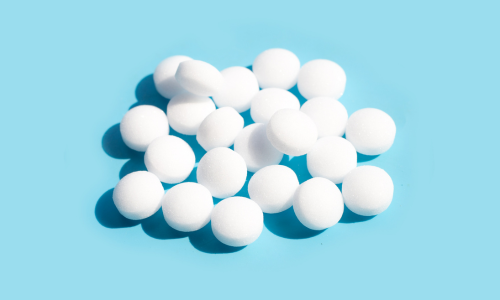
The Environmental Working Group considers naphthalene, the ingredient that mothballs are made of, “unacceptable” due to evidence of its chronic aquatic toxicity, acute aquatic toxicity and damage to vision. It is vastly harmful and very hazardous.
In place of mothballs, for clothing moths, use Dr. Kiligan's Premium, Non-Toxic Clothing Moth Traps, as well as cedar products. Cedar is an aromatic repellent that naturally wards off clothes eating moths.
2. Bug repellents
Insect sprays, such as mosquito repellents, that prevent pests through the use of harsh chemicals are pesticide-based, though many people don’t make the connection between chemically-based bug sprays and pesticides. Just as you wouldn’t spray weed killer on yourself or your children, I recommend thinking twice before exposing them (or yourself) to certain pesticides in many bug sprays.
According to an article published by the National Library of Science, over 1 billion pounds of pesticides are used in the United State each year and approximately 5.6 billion pounds are used worldwide. These are for multiple uses, including for in and around your home, your community’s schools, your work places, your city’s public places, your people and your pets.
The Pesticide-Induced Diseases Database informs us that there is a wide range of diseases linked to pesticides, including asthma, autism and learning disabilities, birth defects and reproductive dysfunction, diabetes, Parkinson’s and Alzheimer’s diseases, and several types of cancer.
Before spraying, read the Environmental Working Group’s Guide to Bug Repellents, use essential oils and consider making your own DIY spray, and accept that there is no completely flawless way to prevent bug bites. Depending on where you are and what you may come into contact with, you may have to weigh your options against the consequences of a life-changing disease, such as the West Nile virus.
3. Bug sprays
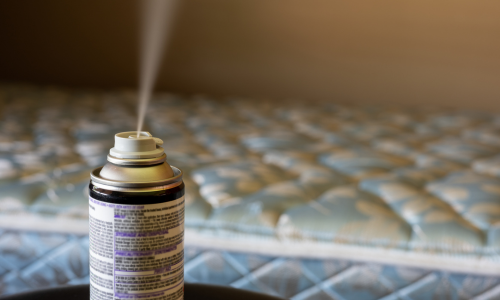
When dealing with bugs head on, use Six Feet Under, a non-toxic kill-on-contact bug spray that promises to keep those six-legged culprits pushing daisies. Its complete ingredient list, which includes cinnamon oil and clove oil, is easily accessible on its product page. For any ongoing beasties that are attempting to establish residency in your home, use the Insect Buster, a hand-held rubber tool which you fill with diatomaceous earth (which must be purchased separately) and puff wherever insect activity has been seen. Diatomaceous earth is a white powdery substance composed of sharp microscopic-sized diatoms, which puncture an insect’s exoskeleton, thus dehydrating it and causing death, when the insect comes into contact with it. Diatomaceous earth is generally recognized as safe (GRAS) by the US Food & Drug Administration.
Leah Segedie, of Mamavation, gives an excellent list of ingredients to look for when choosing pest control solutions that are better for you, your family, your home, and the beneficial bug community.
- picaridin (repellent)
- lemon eucalyptus oil (repellent)
- bt (Bacillus thuringiensis) and spinosad (pesticides)
- Insecticidal soap (insecticide)
- horticultural oil (pesticide)
- diatomaceous earth (irritates adults and watch around small children)
- beneficial nematodes (microscopic beneficial predators)
- iron phosphate (kills slugs and snails)
- neem oil (pesticide)
- garlic (repellant)
- citronella (repellant)
- pyrethrins (insecticide)
- borax (insecticide—use with caution)
4. Perfumes, Candles, & other Scented goods
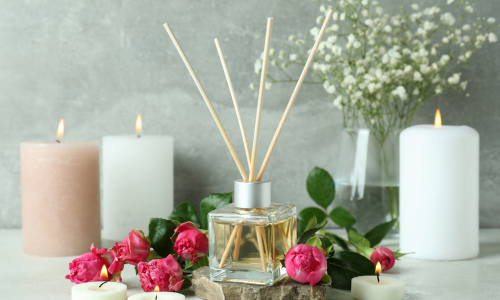
Fragrances are highly toxic, as their chemical makeups are related to an astonishing number of health risks, including asthma triggers, carcinogens, and neurotoxins, commonly contain phthalates, which are a family of man-made chemicals used to create more long-lasting scents, and can hide a cocktail of numerous toxic ingredients. Too, like other toxic chemicals, fragrance chemicals can pass from the skin directly into the bloodstream.
Be mindful in your purchase of any product that has fragrance in it, including shampoos, deodorants, laundry detergents, dish soaps, hair coloring, acme treatments, body lotions, hand soaps, facial creams and especially perfumes, whether expensive or cheap.
Pocket Tip No. 1: Don’t be fooled by a product labeled with “natural fragrances,” as these can be just as harmful.
Pocket tip No. 2: Always choose fragrance-free products, being mindful that even if you see “fragrance free” or “unscented” on the product, you still need to check the ingredient list.
Support companies that give a full, robust disclosure of their ingredients on their product labels. Many companies do not implement this, as there are no current regulations requiring manufacturers, by either federal or state law, to fully list their ingredients on their package or online. According to EWG’s Guide to Healthy Cleaning, only about one in seven cleaning products reviewed had a full disclosure of their ingredients on their packaging or website.
5. Cleaning Products

Household products, which includes disinfecting wipes, laundry detergents, all-purpose cleaners and dishwashing detergents, are not closely regulated. According to Sink, an Oncology Nurse Navigator at Memorial Hermann Cancer Center, who was interviewed for an article on how to replace toxins in your home, household products may contain formaldehyde, nitrobenzene, methylene chloride—suspected human carcinogens—and reproductive hormone disruptors and asthma inducers.
Do your research, read labels, avoid triclosan, ethanolamines, chlorine bleach (sodium hypochlorite) and quaternary ammonium compounds and limit your exposure to harmful chemicals. One way you can mitigate your exposure is by reducing the number of cleaning products that you use and by making your own DIY recipes (which is one of the best possible solutions). Here’s an easy recipe that can be used for general all-purpose cleaning in your kitchen, including your oven, and your bathrooms, including your mirrors.
Simple all-purpose natural cleaner
- ½ cup vinegar
- ¼ cup bicarbonate of soda
- 2 liters (or approximately 8 cups) water
Pocket Tip: Lemon juice and castile soap can work wonders in your home too.